The Harrods Guide to Food and Wine Pairing
Words by Louise Springham
Wine pairing has an image problem. Somewhere along the way, it became a bit of an exclusive club with invisible rules and a certain air of knowingness. But it doesn't have to be that way. In fact, pairing wine with food is beautifully straightforward – and hugely enjoyable – once you understand a few key principles.
Our guide below breaks it down by food, from everyday favourites to more considered dishes, giving you everything you need to pair with confidence – whether you’re hosting or simply deciding what wine to pour with your midweek meal.

Key Principles of Food and Wine Pairing
Here are a handful of simple guidelines to help you start pairing food and wine with confidence.
1. Match the weight
Balance is key. Light dishes (salads, seafood, greens) work best with lighter wines, while richer plates need something with more body. Neither should overpower the other.
2. Or embrace contrast
Not everything needs to match. Sweet wines tame spice, while high acidity lifts rich, fatty dishes. A little contrast can create a more dynamic pairing.
3. Choose the right alcohol level
Alcohol amplifies heat, so high-alcohol wines and spicy food aren’t the best match. Instead, save fuller-bodied bottles for slow-cooked meats and robust dishes.
4. Pair like with like
Citrussy wines work well with citrus-led dishes, earthy reds such as pinot noir with mushrooms and aromatic wines with spice-forward plates. Pairing similar flavours is always a great starting point.
5. Let acidity do the work
Fresh, high-acidity wines (think albariño or sauvignon blanc) cut through richness and reset the palate – ideal with buttery, fried or oily dishes.
6. “What grows together, goes together”
A common adage in the wine world, regional pairings are a safe bet – from Brunello di Montalcino with a rich ragù to Sancerre with goat’s cheese.
7. Keep the wine sweeter
Your wine should always be sweeter than the dish. It balances salt and richness and keeps flavours in check – which is why sweet wines and blue cheese are such a classic combination.
Common Food and Wine Pairings
Much like Torvill and Dean, some food and wine pairings are so effortlessly in sync, you simply can’t imagine enjoying one without the other. Here are some pairings that continue to stand the test of time.
Cabernet Sauvignon and Steak
A juicy sirloin or ribeye is hard to beat. Cabernet’s high tannins love rich, fatty cuts, making every bite and sip feel all the more indulgent. Malbec and merlot also both work excellently alongside steak.
Chardonnay and Roast Chicken
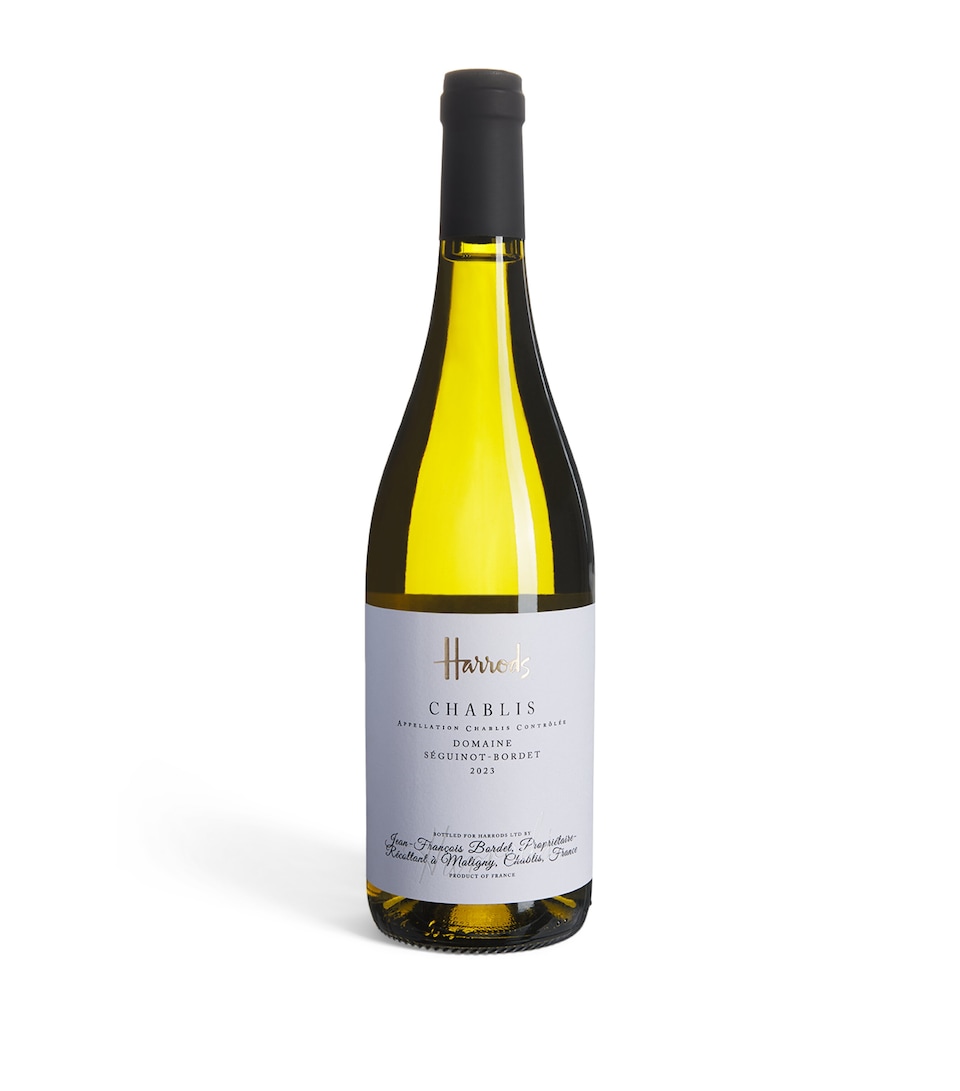
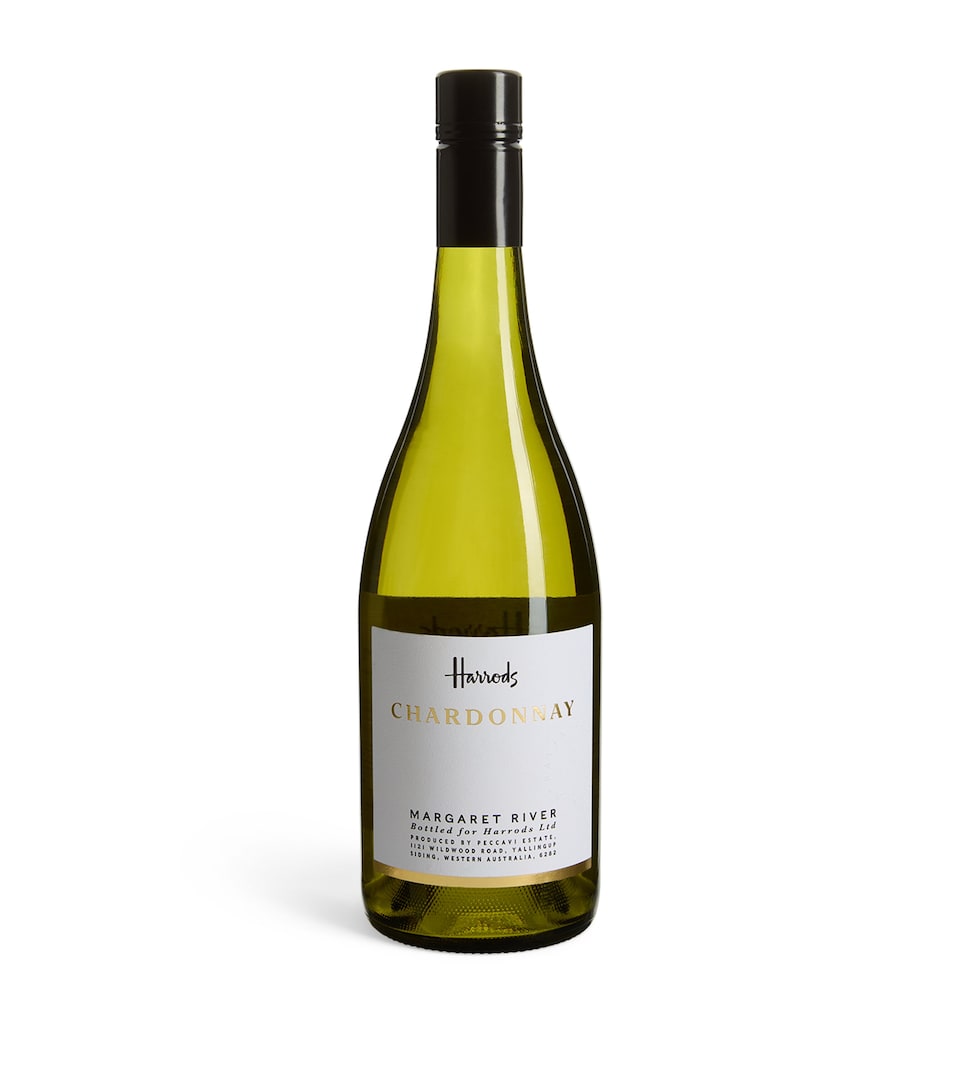
Chardonnay is a natural partner for golden roast chicken – a gentle reminder for the ‘anything but chardonnay’ camp. Our wine buyer’s tip? “If the dish is rich and creamy, go oaked – for something lighter, I’d lean towards a fresher style, like Chablis.”
Pinot Noir and Roast Duck
Rich, tender duck calls for something elegant. Pinot noir’s bright fruit and gentle acidity keep things beautifully balanced.
Sangiovese and Pizza
Tangy tomato, melted cheese, a crisp base – sangiovese was made for pizza. Its fresh acidity and red fruit bring everything into harmony.
Sparkling Wine and Fish & Chips
Crisp batter and fluffy chips meet their match in a glass of fizz – refreshing, palate-cleansing and unexpectedly perfect.

Food and Wine Pairing by Dish Type
With the basics in place, here’s how those principles translate across different dishes.
Fish & Seafood
Delicate, rich, grilled, fried – seafood covers it all, so the key is matching the wine to how it’s prepared, not just what’s on the plate.
Light, flaky fish (think cod, sole): go crisp and fresh with sauvignon blanc or pinot grigio
Rich, oily fish (like salmon, mackerel): try something with more body, such as an oaked chardonnay or even a light pinot noir
Shellfish: crisp, mineral styles like Chablis or Champagne
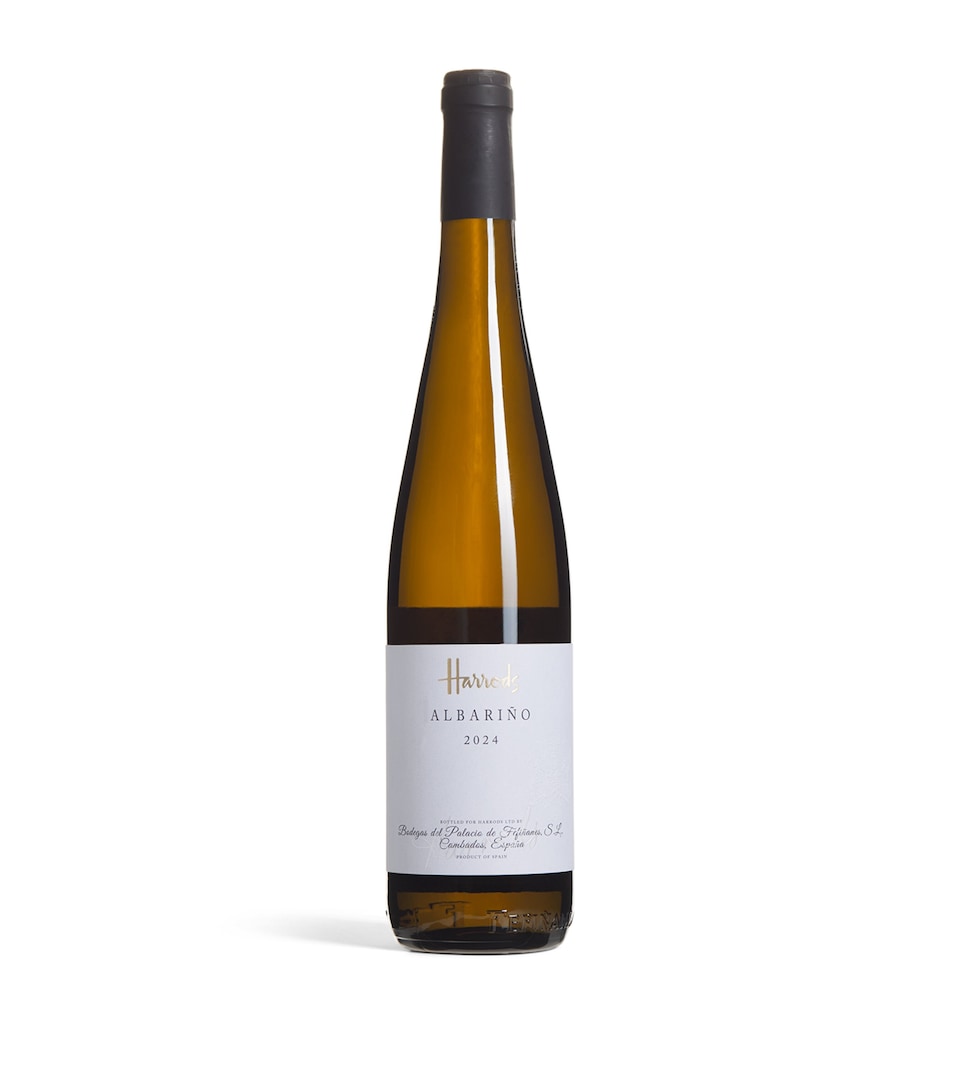
Grilled or smoky seafood: bright, characterful whites like albariño or vermentino
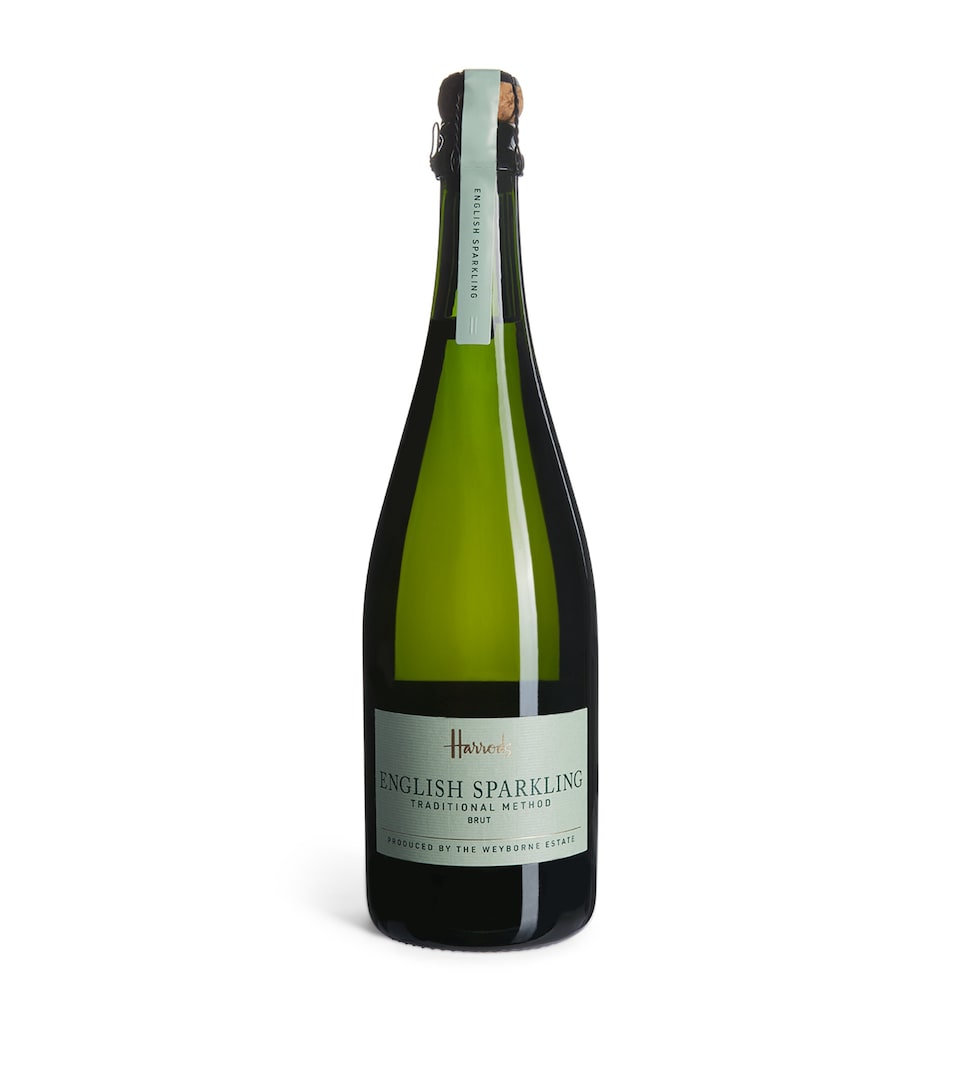
Fried dishes (yes, fish and chips): sparkling wine – the bubbles cut through perfectly, turning it into something unexpectedly decadent; we’d go for a classic English sparkling
Poultry
From roasted to richly sauced, poultry is endlessly versatile – so your wine can be too.
Roast chicken: a natural match for chardonnay, from fresh and mineral to rich and oaked
Turkey: lighter reds like Beaujolais or softer whites such as chenin blanc
Duck: Pinot noir balances the richness to perfection
Creamy or buttery sauces: fuller whites like oaked chardonnay or viognier
Herb-led or lighter dishes: fresher styles like sauvignon blanc or Chablis
Red Meat
Richer red meat dishes call for wines with structure.
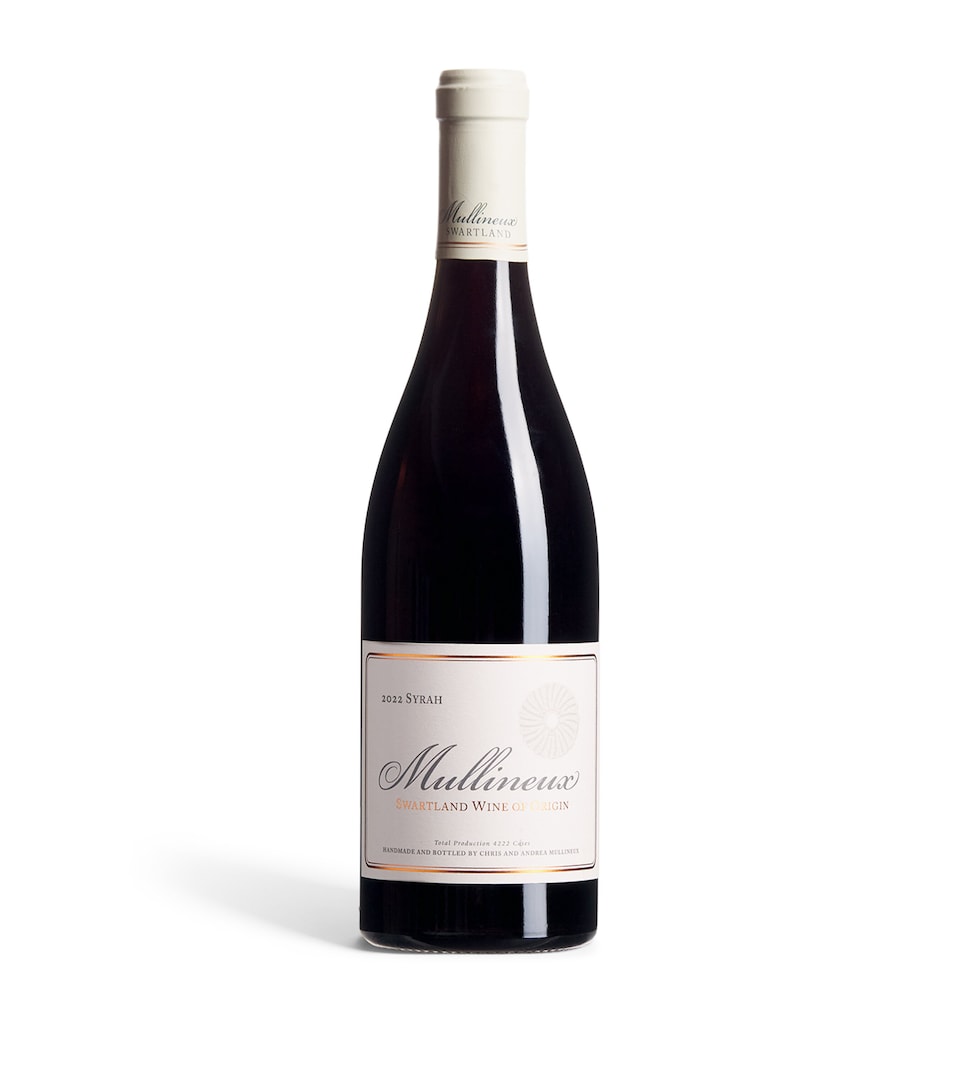
Steak: a classic for a reason – cabernet sauvignon or malbec stand up to rich, fatty cuts
Slow-cooked or braised meats: we recommend fuller-bodied reds like shiraz or Rhône blends
Lamb: the herbal, savoury notes pair nicely with wines like Rioja or Bordeaux blends
Grilled or barbecued: bold, fruit-forward styles like zinfandel complement smoky, charred flavours
Leaner cuts: opt for something a little lighter, such as merlot or tempranillo
Vegetarian & Vegetable-Led Dishes
Vegetables range in style from crisp and savoury to creamy and sweet – and your wine can follow suit.
Fresh, green dishes (salads, herbs, asparagus): crisp, zesty whites like sauvignon blanc or grüner veltliner
Roasted or charred vegetables: chardonnay or Rhône-style whites
Spiced or aromatic plates: off-dry whites like riesling balance heat and lift the flavours
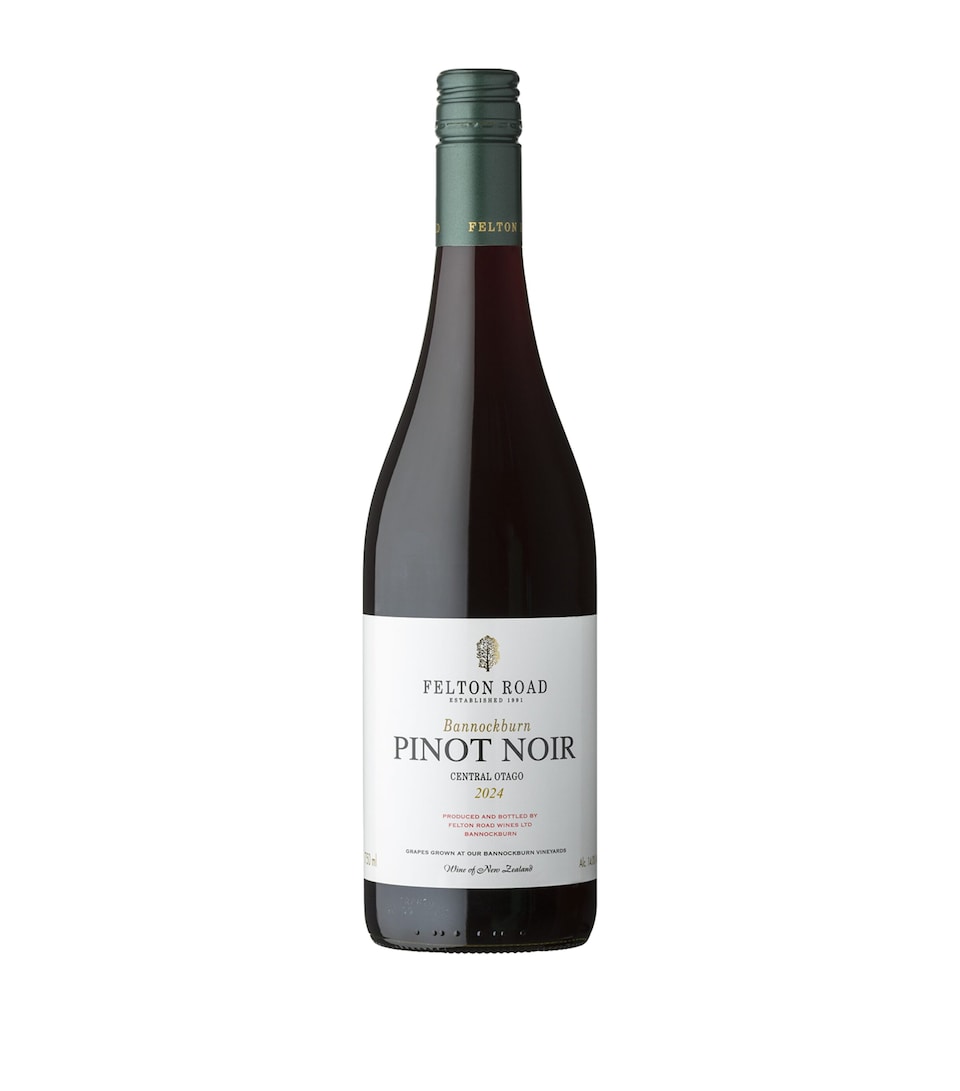
Mushroom dishes: earthy flavours pair beautifully with lighter reds like pinot noir or, as our wine buyer suggests, a lightly chilled Beaujolais
Pasta & Rice
With endless ways to enjoy these two pantry staples, the key is to pair the wine with the sauce itself.
Tomato-based sauces: bright, high-acidity reds like Chianti or sangiovese
Creamy sauces (think carbonara or mushroom risotto): fuller whites like oaked chardonnay or viognier
Herb- or pesto-led dishes: crisp, green-leaning whites such as sauvignon blanc or vermentino
Seafood dishes (including risotto): fresh, mineral whites like pinot grigio or Chablis
Rich, slow-cooked ragù: structured reds like Brunello di Montalcino or Barolo
Dessert
When it comes to dessert, sweetness is key – your wine should always be sweeter than what’s on the plate.
Fruit-based desserts: light, fresh styles like moscato or late-harvest riesling
Creamy desserts (cheesecake, panna cotta): richer, honeyed wines such as Sauternes
Chocolate desserts: Ruby Port is a classic choice, while Banyuls (a French fortified wine made specifically for chocolate) is well worth seeking out
Nutty or caramel-led dishes: Tawny Port or Madeira, with their naturally warm, caramelised notes
Food
Gourmet Cheese and Wine Pairings
Discover the art of cheese and wine pairings with our expert guide – from fruity reds with aged Cheddar to vintage Champagne with nutty Comté.

Ultimately, the best food and wine pairing will always be the one you enjoy most. Truffle crisps with pinot noir or Champagne with your grandmother’s spaghetti meatballs – it’s all about what works for you.
Hosting Essentials

Related Stories
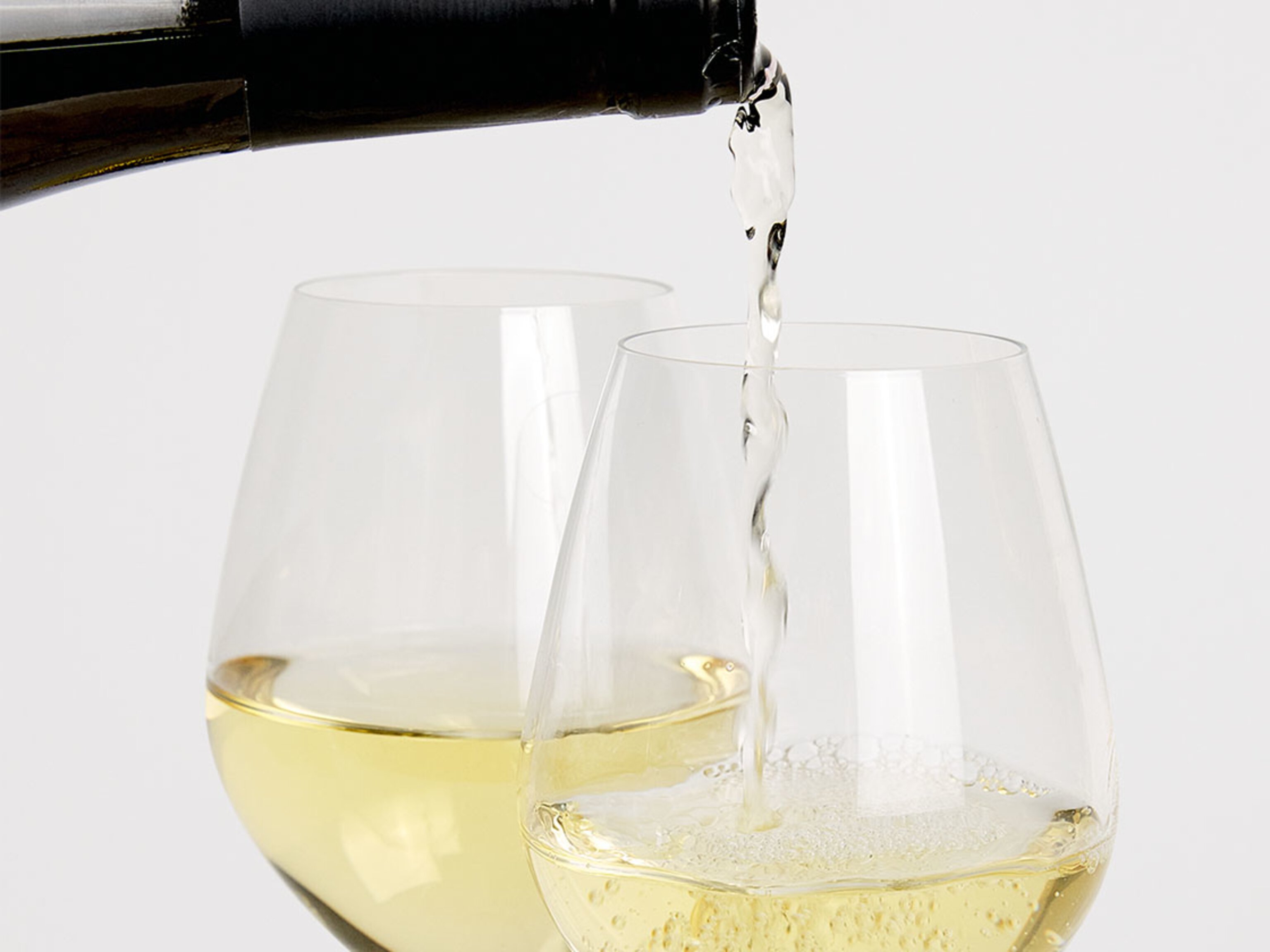
The Ultimate Guide to Harrods Wine
Discover the Harrods exclusive wine collection – from bold reds and crisp whites to Champagne and rosé, curated for collectors and wine lovers alike.
The Harrods Guide to Champagne
Pop the cork on the finest Champagne brands, learn about the different styles, discover perfect food pairings and more.
