Fresh Off the Press: Why Everyone Needs Extra-Virgin Olive Oil in their Storecupboard
Words by Sophia Miller
Extra-virgin olive oil’s craft movement is reviving centuries-old Mediterranean tradition for a new generation of home cooks. From cooking tips to the facts behind its superfood status, discover what makes this liquid gold so special.

Bring to mind the peppery pungency of a good olive oil and tell me what dish it makes you think of. A wodge of bouncy, salt-crusted focaccia? A bowl of houmous, maybe? What about a tin of Heinz baked beans?
I’m at my yiayia’s house, watching in mock horror as she casually opens a distinctively turquoise tin and tips it into a frying pan glistening with the extra-virgin olive oil she keeps stashed away in generous quantities. So far, so Greek.
When my extended family landed in London from Cyprus in the 1950s, the only place you could buy olive oil was at the chemist – and most Brits would have sooner used it to clear out their ears than cook with it. Some 65 years later, many of us would be hard-pressed to imagine our kitchens without a bottle of the stuff. Following the well-trodden path of craft beer, coffee and Fairtrade chocolate, a new guard of image-conscious olive oil producers are transforming the store cupboard staple into a giftable objet, admired as much for its colourful branding and sustainability credentials as it is its flavour – much to the amusement of my relatives who remember smuggling it back to the UK in large plastic bag-swaddled vats.

“I like to call it an olive oil renaissance,” says brand founder and olive oil sommelier Mazen Assaf, otherwise known as the Olive Oil Guy. “These days, more and more of us care about the quality and provenance of our food. Instead of treating it like a commodity, people are finally recognising olive oil for what it is: a craft.” Assaf’s olive oil, like any good extra-virgin worth its title, is a single-origin blend of Greek Koroneiki olives, all grown in one place – a quality that might sound obvious, but is actually a rarity on the supermarket shelves. “The largest brands prioritise profit over all else,” he explains. “Maybe the olives will be grown on an overcrowded plot, or harvested using machines. Often they’ll rely on blending olives from completely different countries into a kind of ‘Frankenstein’ blend. We flip the switch on that by working directly with farmers. We really care about where the oil is coming from, and we pay a premium for it – in return, we get to pick the best batch.”
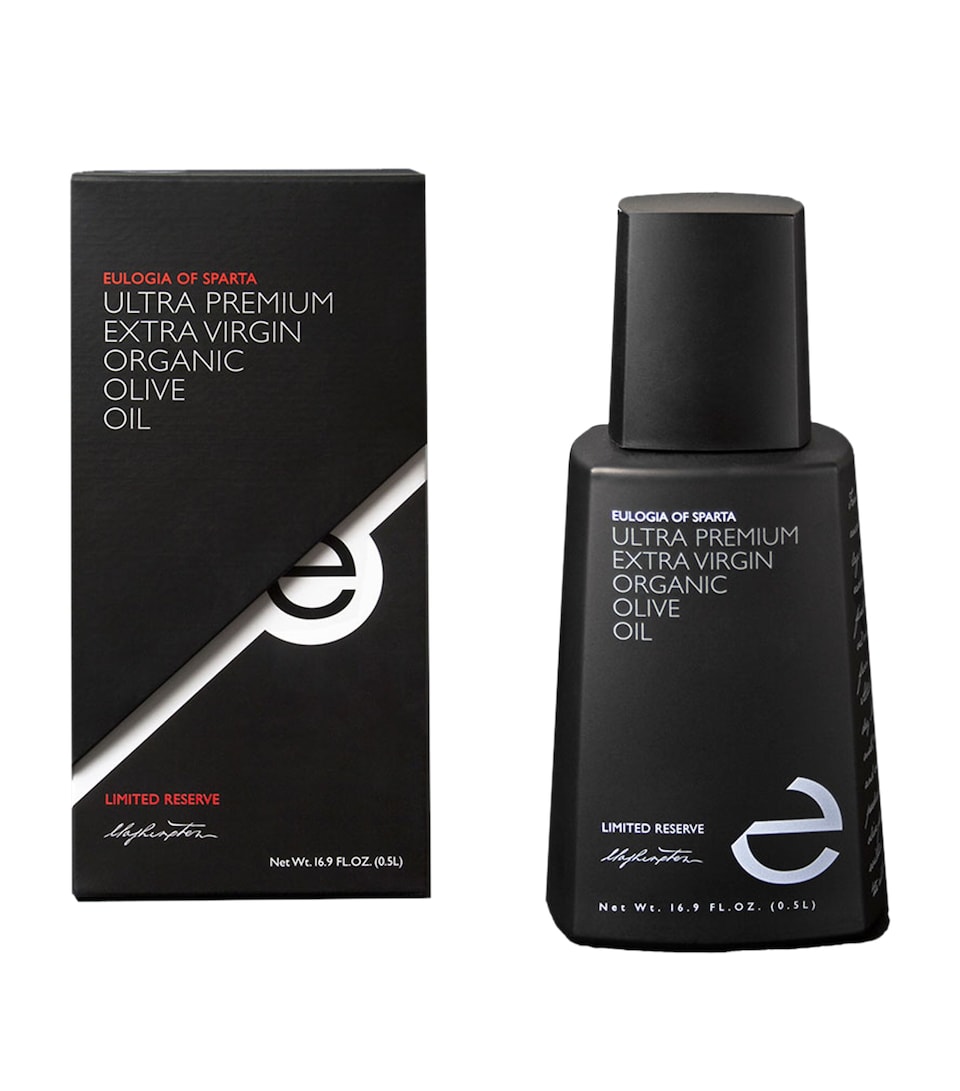
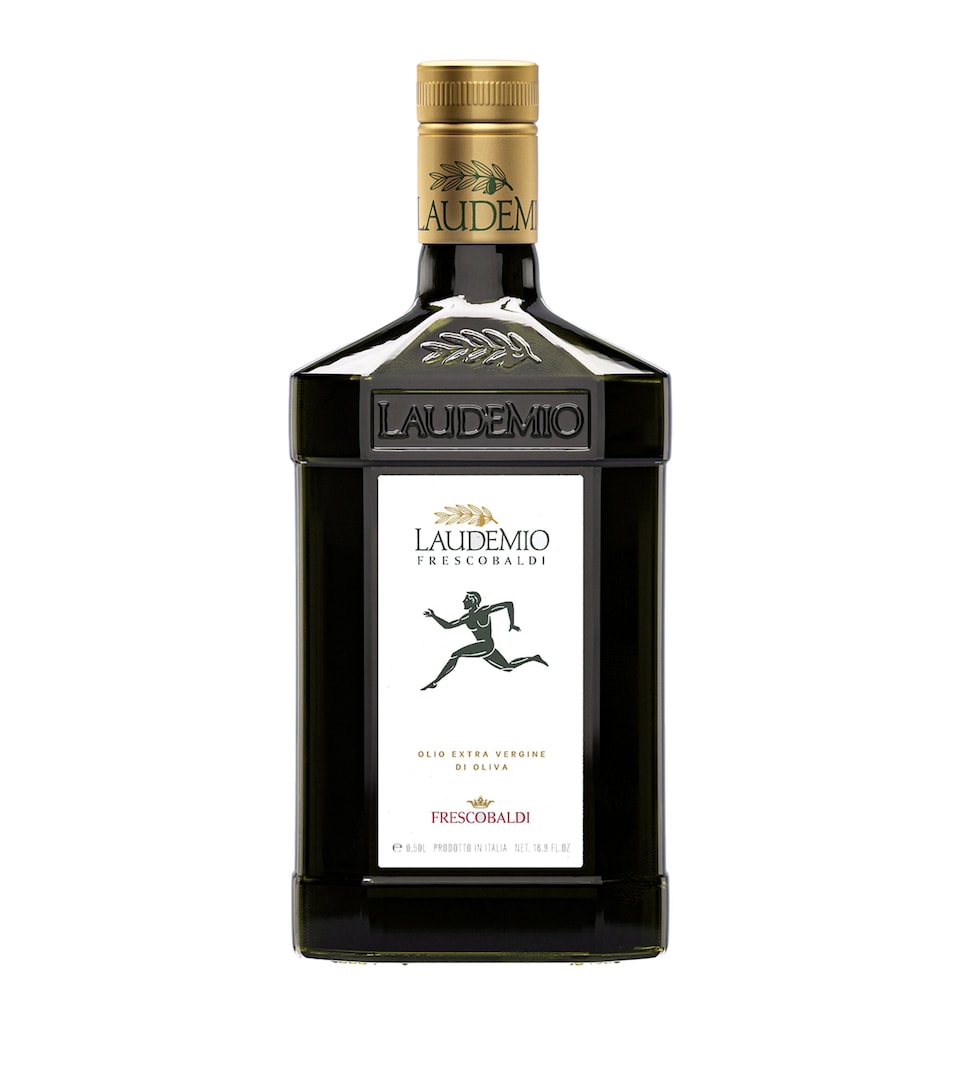
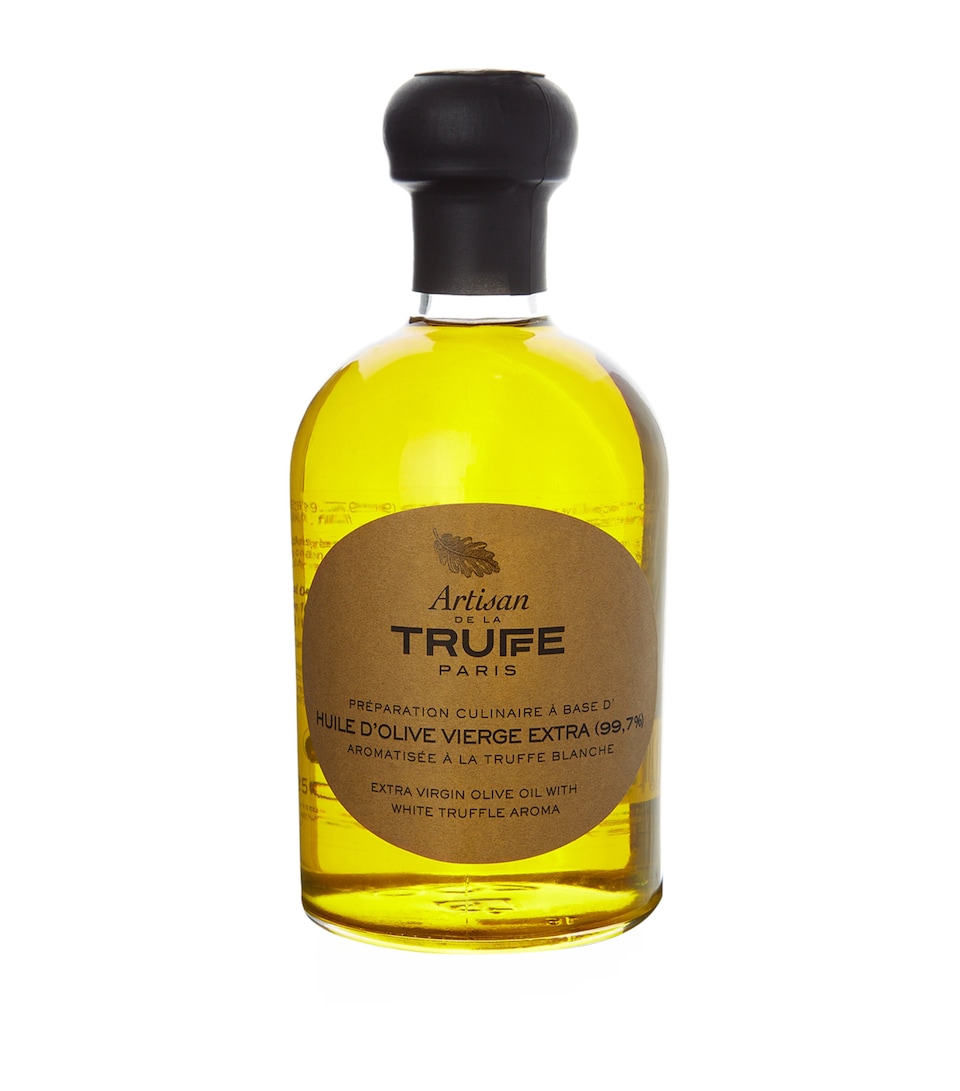
Of course, this reverence for the artform of olive oil making is nothing new – it’s been consumed across the Mediterranean since at least 4,000 BC, with heavily processed derivatives occupying a much more recent place in history. “Extra-virgin olive oil is the original superfood,” says Giulia Crouch, food writer and face behind olive oil education account @theevooedit. “The Ancient Greeks and Romans knew that it was good for us, and that the first harvest had the best health benefits. There’s always been this idea throughout civilisation that it’s a special food.” So, what exactly sets EVOO apart? “Think of extra virgin as cold-pressed fresh olive juice,” she says. “Refined olive oils are extracted using heat and chemicals, which removes a lot of the flavour as well as the health benefits. That’s also why you should never store your bottle next to your hob – the heat degrades the quality.” I quickly avert my eyes from the Puglian splatterware bottle on my kitchen countertop. “Plus, extra-virgin olive oil has to pass taste criteria. A panel of judges decides whether it has the requisite amount of fruitiness, bitterness and pungency before it can be labelled as an EVOO.”
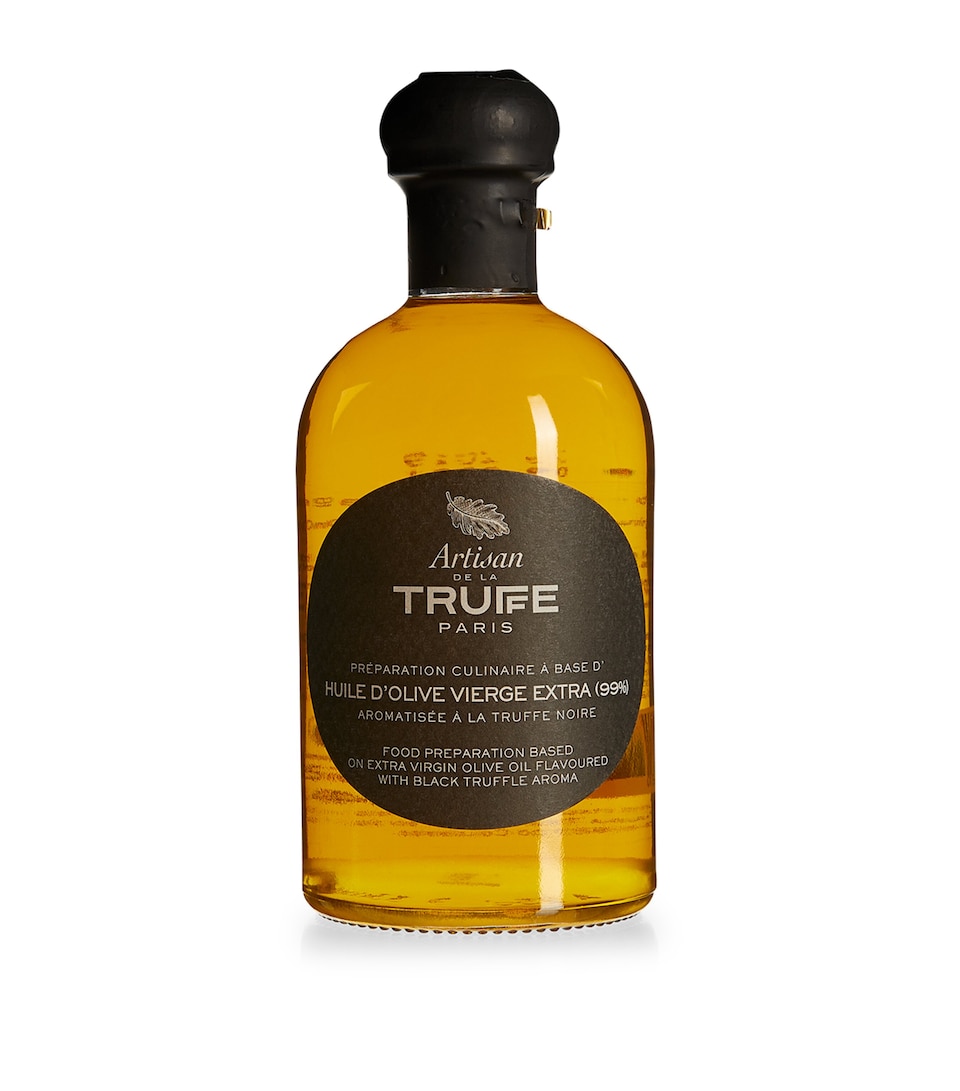
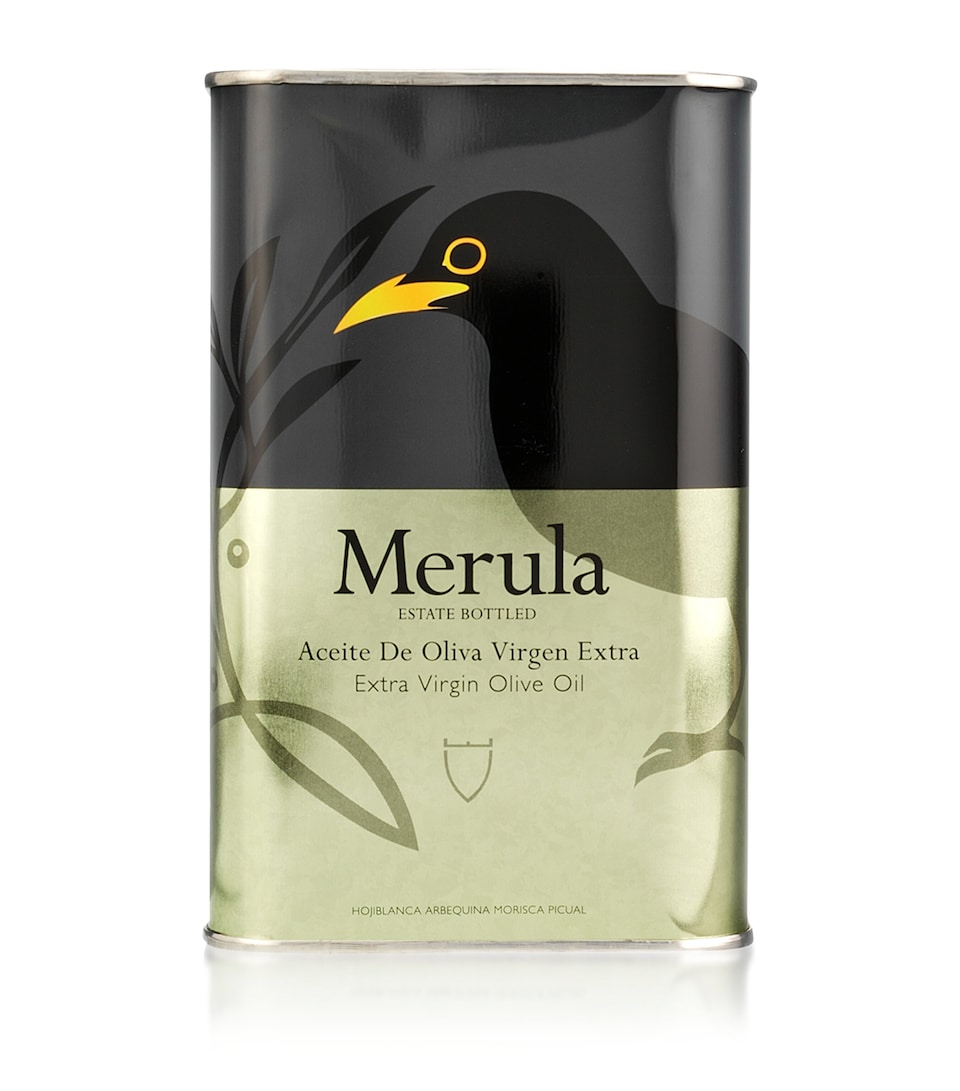
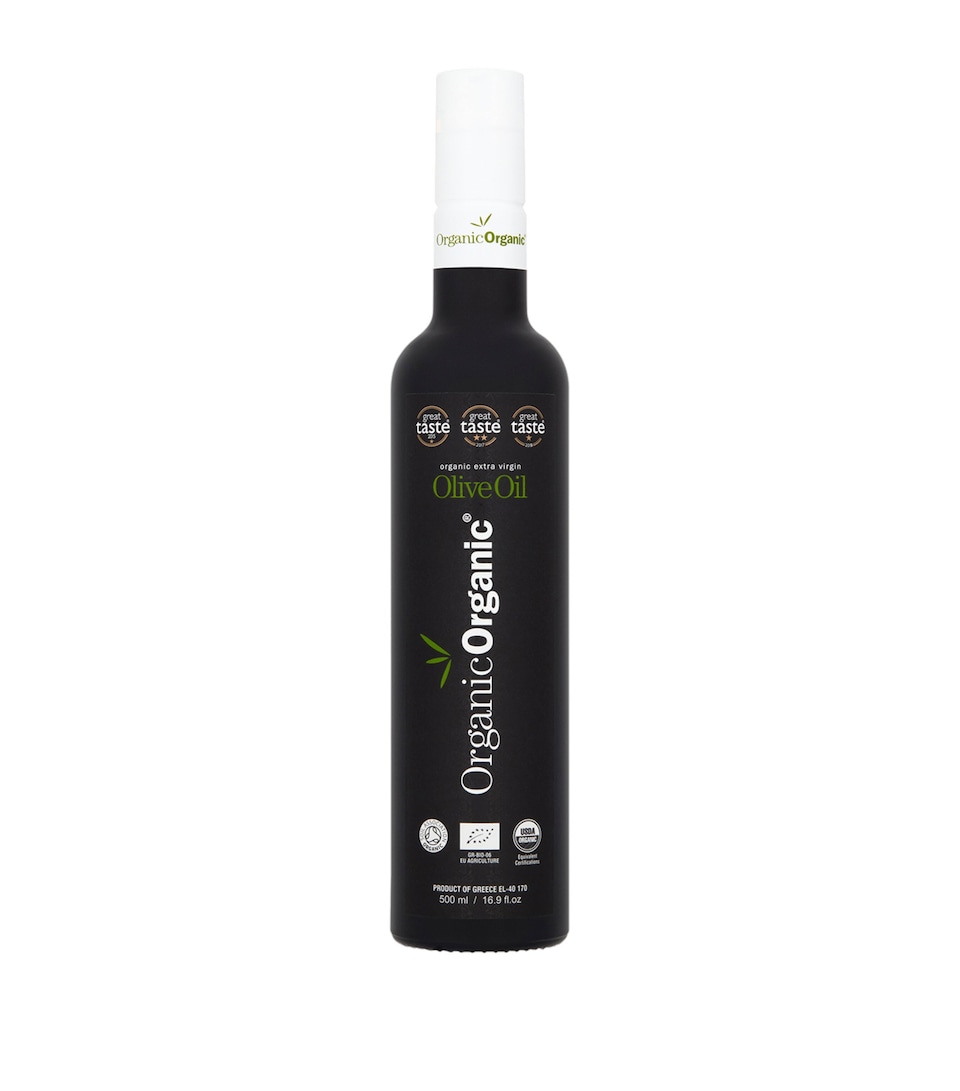
As someone with an admittedly biased outlook on Mediterranean cuisine, I was keen to discover whether olive oil is as much of a nutritional powerhouse as the Romans (and my yiayia) insisted it is. “The Mediterranean diet is absolutely the gold standard,” affirms Reshma Patel, Harrods’ in-house nutritionist. “It will always be the foundation of my clinical practice because there are so many studies proving it reduces the risk of cardiovascular disease. It’s minimally processed, heavily plant-based and, importantly, high in olive oil.” Does she advise her clients use olive oil over other fats? “Always,” she says. “It’s full of polyphenols, anti-inflammatory bioactive compounds. Yes, it’s a fat, so it’s higher in calories, but it’s nutritionally dense, and so good for you. I use it liberally.”

When it comes to cooking, the increased popularity of olive oil speaks to the ongoing trend for simplicity, says Garrett Keown, executive development chef at Harrods. “Fat in general carries flavours, but olive oil offers a flavour profile of its own. It adds richness without being heavy. You can use it in sweet dishes, in baking, or on simply barbecued meat or fish... It’s one of the absolute cornerstones of a huge number of countries’ cuisines.”
It’s a sentiment that Assaf passionately shares. “For people across the Mediterranean, olive oil is art, it’s heritage, it’s the love of the land. Now, that culture is starting to trickle down to non-producing countries. And it’s the most beautiful thing.”
How to Cook with Extra-Virgin Olive Oil
Do
Check the bottle. the best quality brands will state the harvest date, as well as the olive variety and origin. The fresher, the better
Choose oils stored in dark glass, ceramic or metal. Clear bottles expose the oil to light, which degrades its quality
Experiment with different varieties. Each country’s olive oil has a unique and delicious flavour profile
Don’t
Store your olive oil next to your hob. A dark cupboard is the best place to preserve its flavour and nutritional benefits
Be afraid to use EVOO to cook with. With a smoke point of between 190° and 210°C, it’s more heat-stable than many think – plus Mediterranean grandmothers have been frying and baking with it for centuries
Skimp on quantity. Extra-virgin olive oil is nutritionally dense and proven to reduce your risk of cardiovascular disease, so drizzle to your heart’s content
More Storecupboard Staples We Love
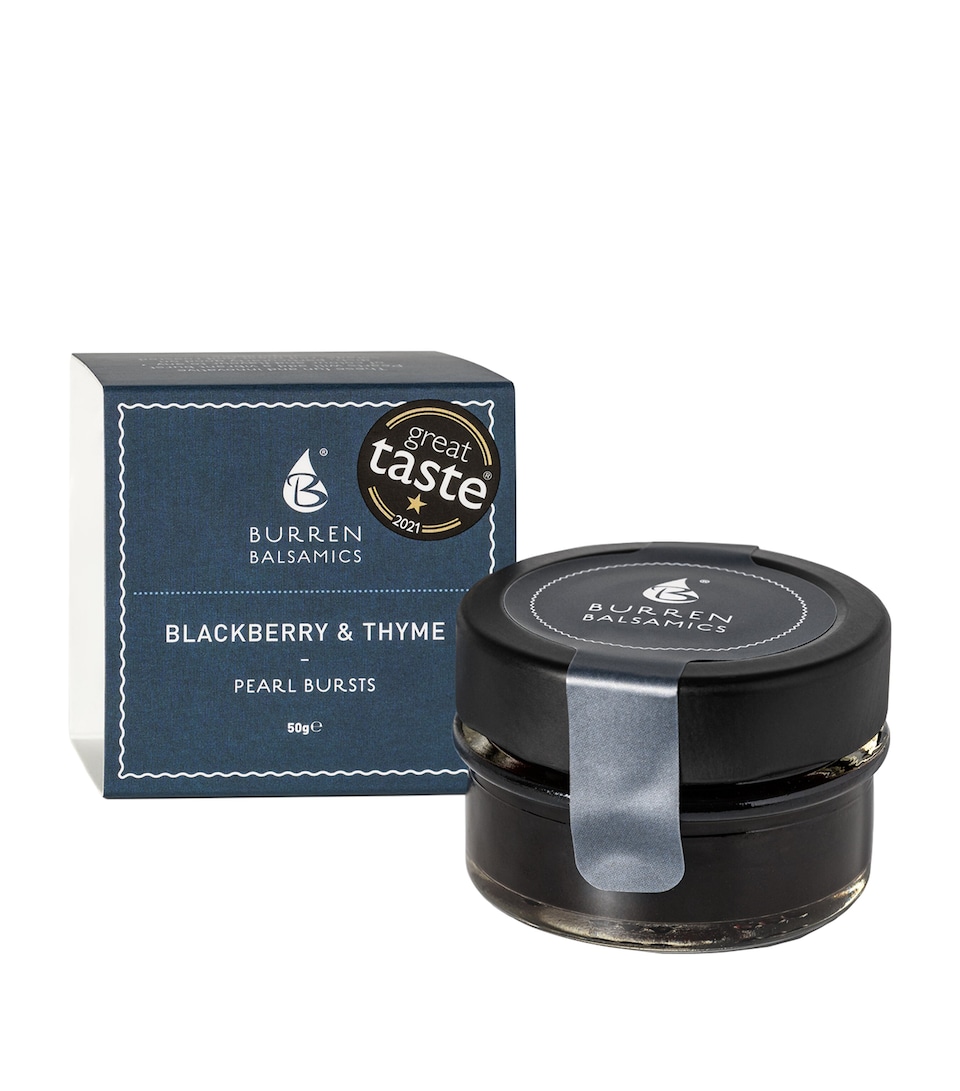
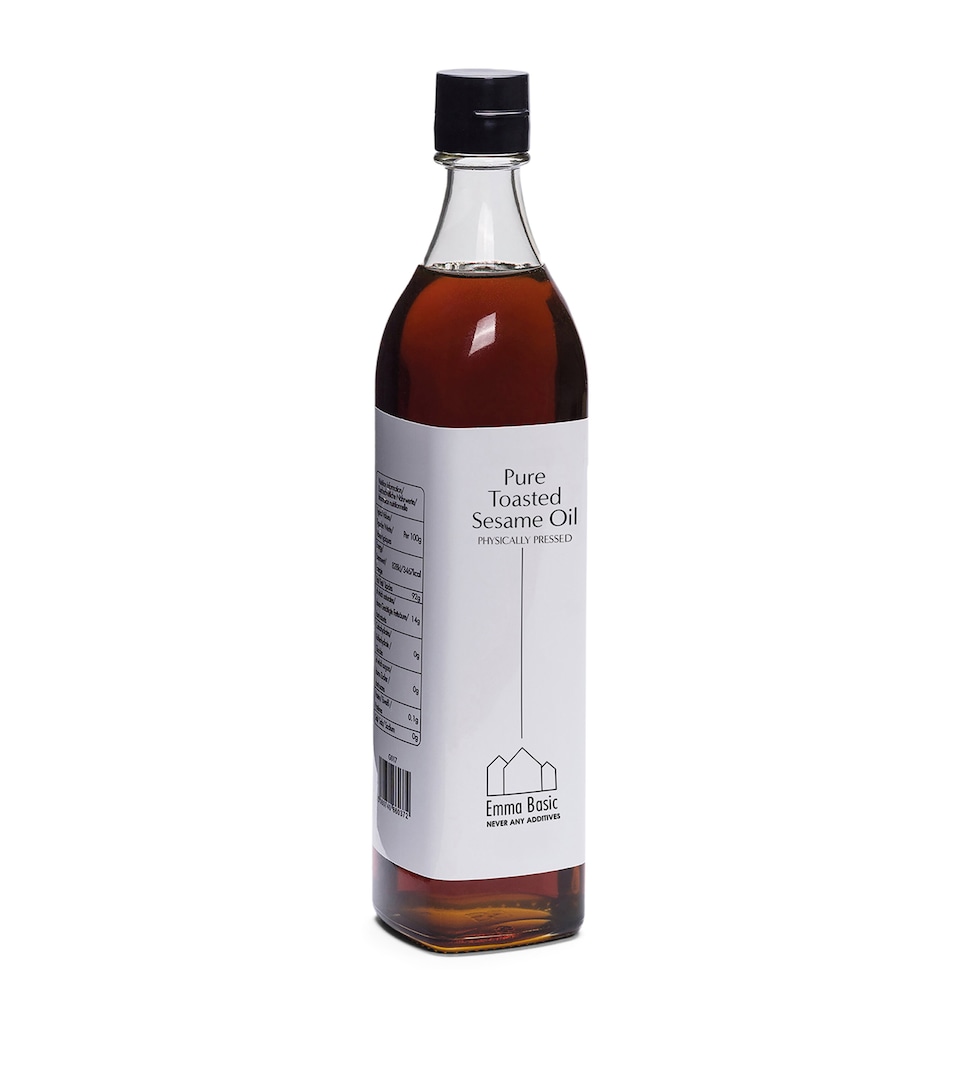

Related Stories
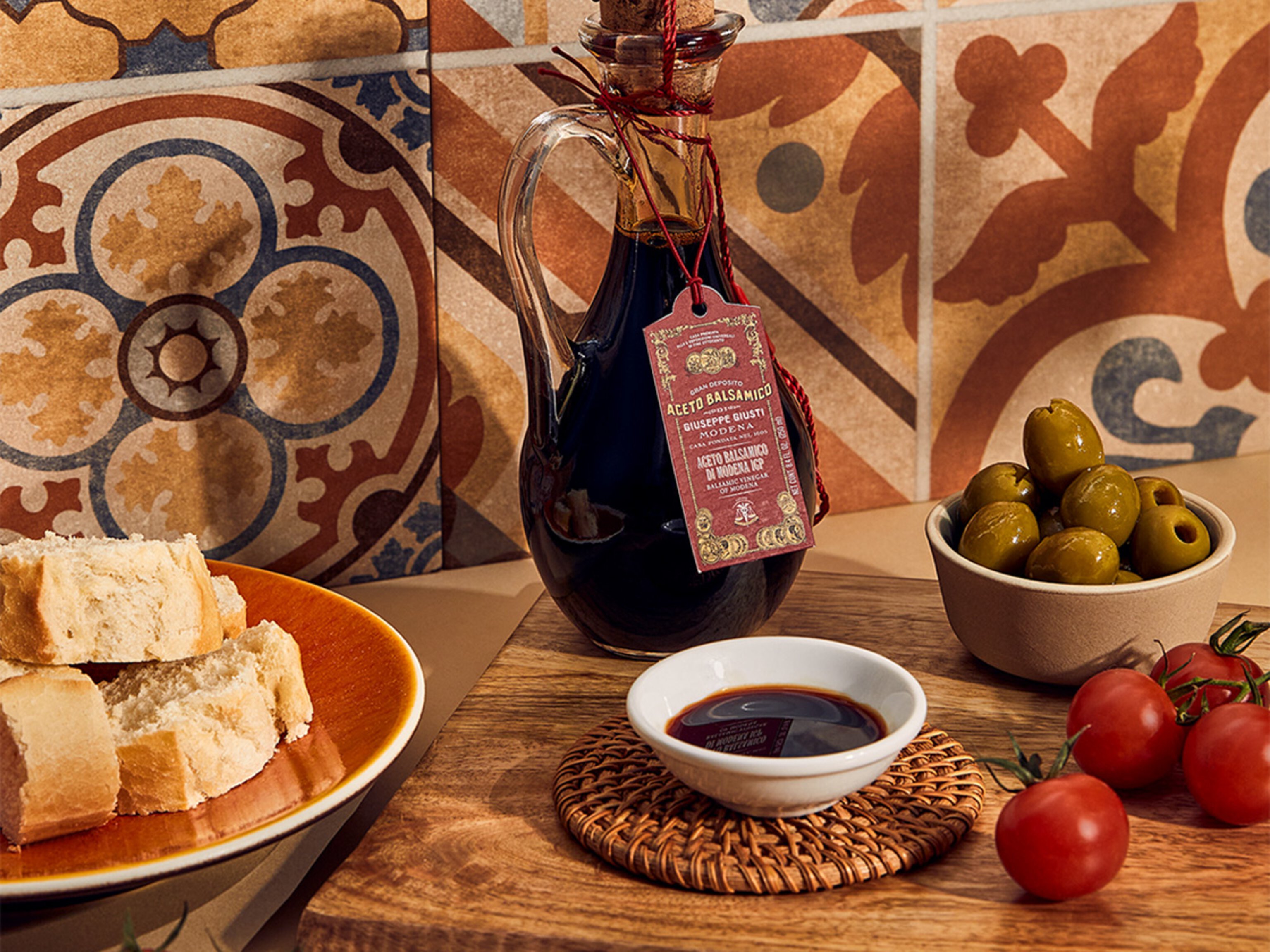
10 Gourmet Pantry Staples You Should Own
Infused oils, small‑batch preserves and truffle salt: these are the essentials redefining home cooking in 2026.
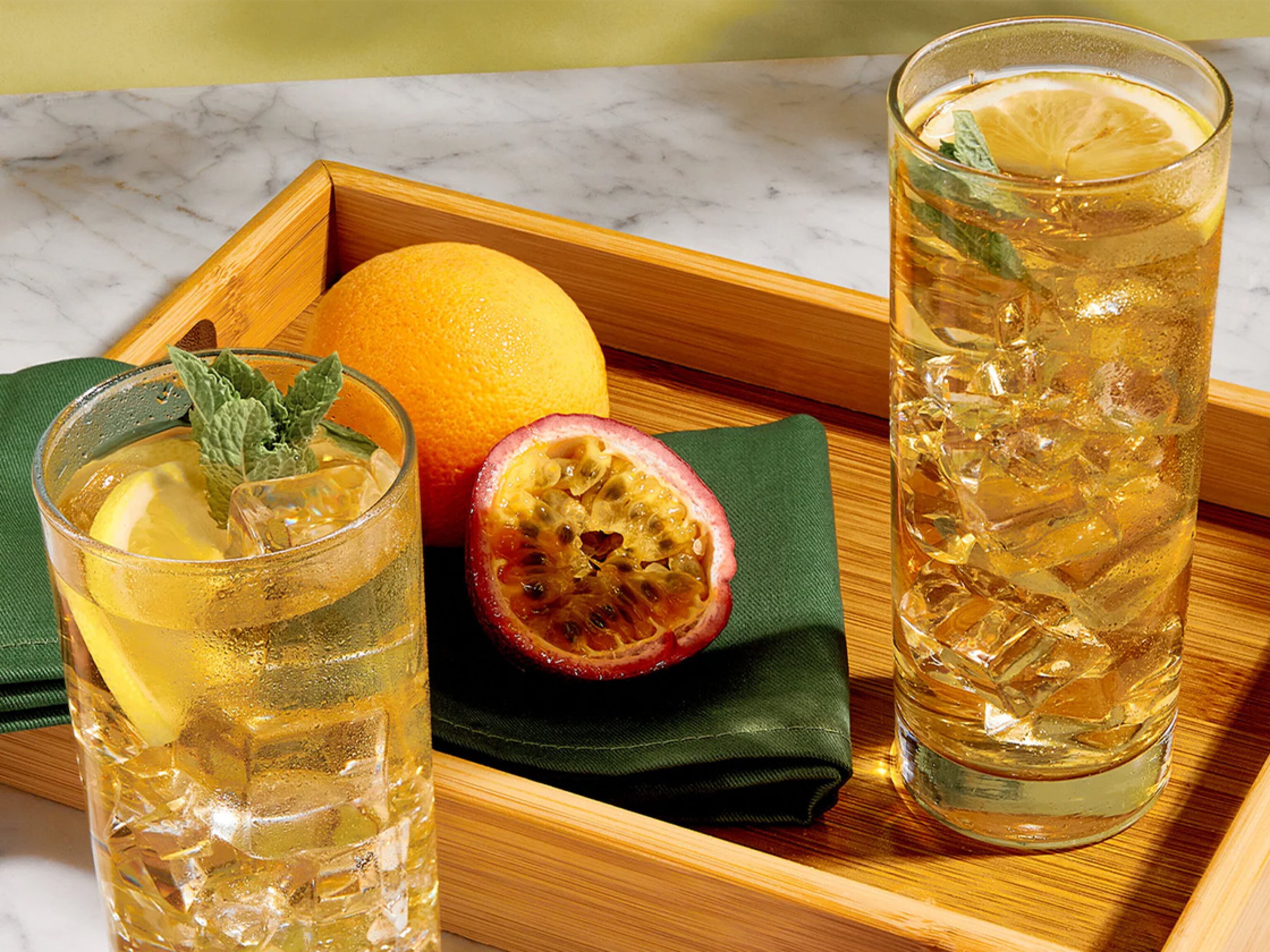
The Experts’ Summer Picks from the Harrods Food Halls
Our team shares their summer standouts, from fruity iced tea and sweet treats to savoury seasonings.
