The Harrods Guide to Whisky: From Grain to Glass

Words by Louise Springham


What comes to mind when you think of whisky? A well-worn Chesterfield armchair, a roaring fire, a sprawling Highland estate and perhaps a faithful Labrador dozing at your feet? Well, while we're not here to discourage any of the above, enjoying a great dram requires considerably less square footage.


Whether you're a seasoned collector or simply whisky-curious, there's a bottle for every palate. From decoding whisky's many styles to understanding how it's crafted, consider this your guide to navigating the world of whisky.

The Whisky-making Process

Every bottle of whisky begins with the same basic process: transforming grain into spirit through carefully controlled stages. Understanding how whisky is made reveals why different distilleries create distinctly different characters – even from the same region.


Malting and mashing

Barley grains are soaked, allowed to germinate, then dried in a kiln to stop the germination process. This malting converts the grain's starches into fermentable sugars. The malted barley is then crushed and mixed with hot water (mashing) to extract those sugars, creating a sweet liquid (known as wort) ready for fermentation.


Fermentation

Yeast is added to the wort, where it then works its magic – converting those sugars into alcohol and creating flavour compounds called congeners. This takes around five to seven days and happens in large wooden or metal vessels called washbacks. The result is a beer-like liquid (around 7-10 per cent ABV) called wash and is ready for distillation.


Distillation

The wash is heated in copper stills, allowing alcohol vapours to rise and condense back into liquid – a process that concentrates flavour and increases alcohol strength. Distillers carefully separate the hearts (the purest part of the distillation run, taken from the middle) from the heads and tails. The longer the distillation, the lighter and more delicate the spirit; shorter distillations create heavier, richer characters.


Maturation and bottling

In the EU, a whisky can’t be called as such unless it has been matured for three years. For Scotch, this has to be in oak while in Ireland, alternatives like chestnut and acacia are also used to carefully impart colour, flavour and complexity. The spirit gradually oxidises, developing depth, with temperature also affecting the process: warmer temperatures accelerate maturation, while cooler climates create slower, subtler development.

Types of Whisky

Whisky comes in many styles, each with its own character and appeal. Understanding the main types – bourbon, rye, single malt and blended – gives you a solid framework for exploring what you enjoy. Whether you prefer something smooth and approachable or bold and complex, there's a whisky type for you.

Bourbon

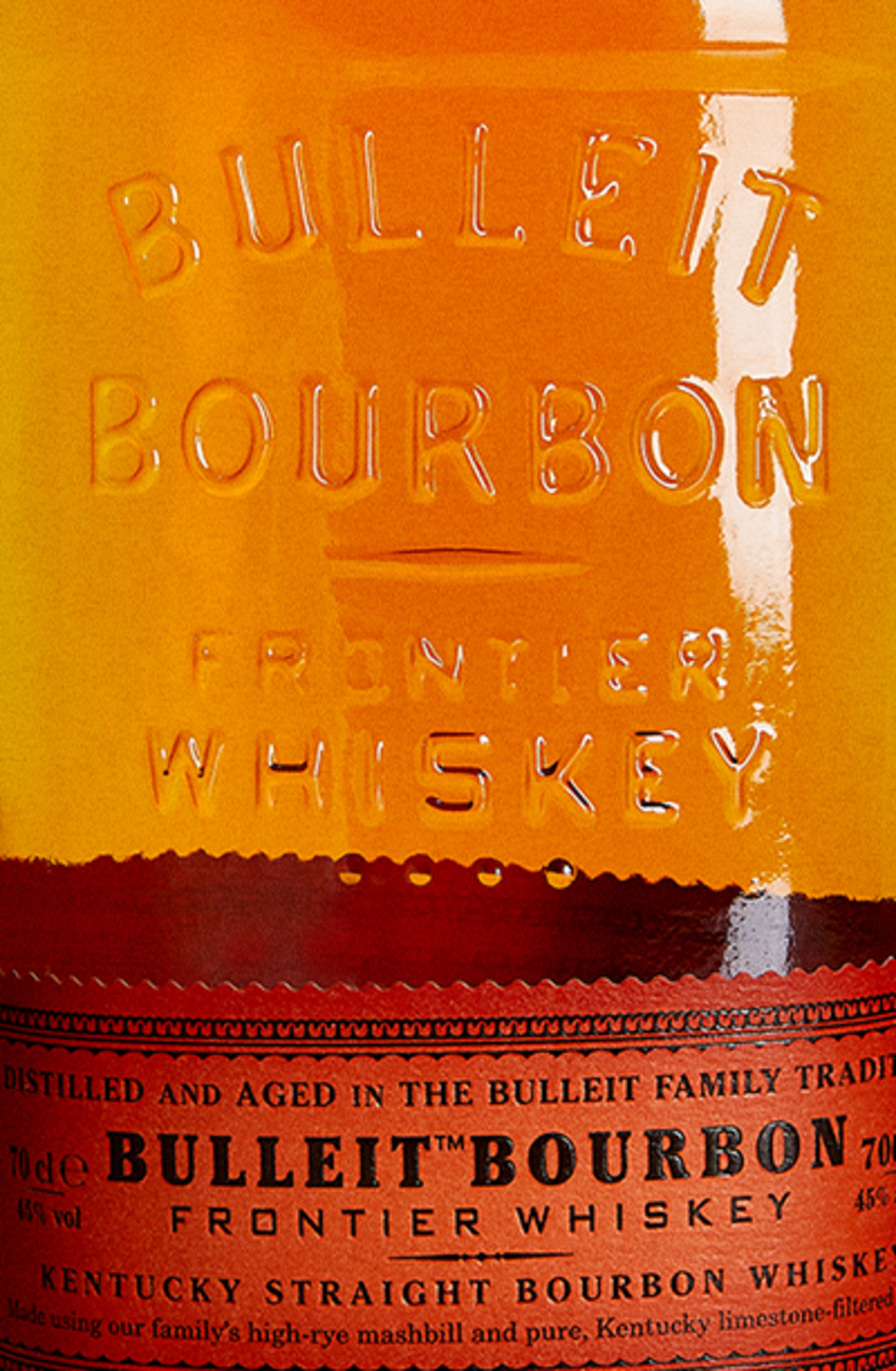
The approachable choice. American bourbon must be made from at least 51% corn and aged in brand-new charred oak barrels, which give it distinctive vanilla, caramel and honeyed sweetness. It's smooth and accessible, making it an excellent introduction to whisky. If you're starting your whisky journey, bourbon is a natural first stop.

Rye

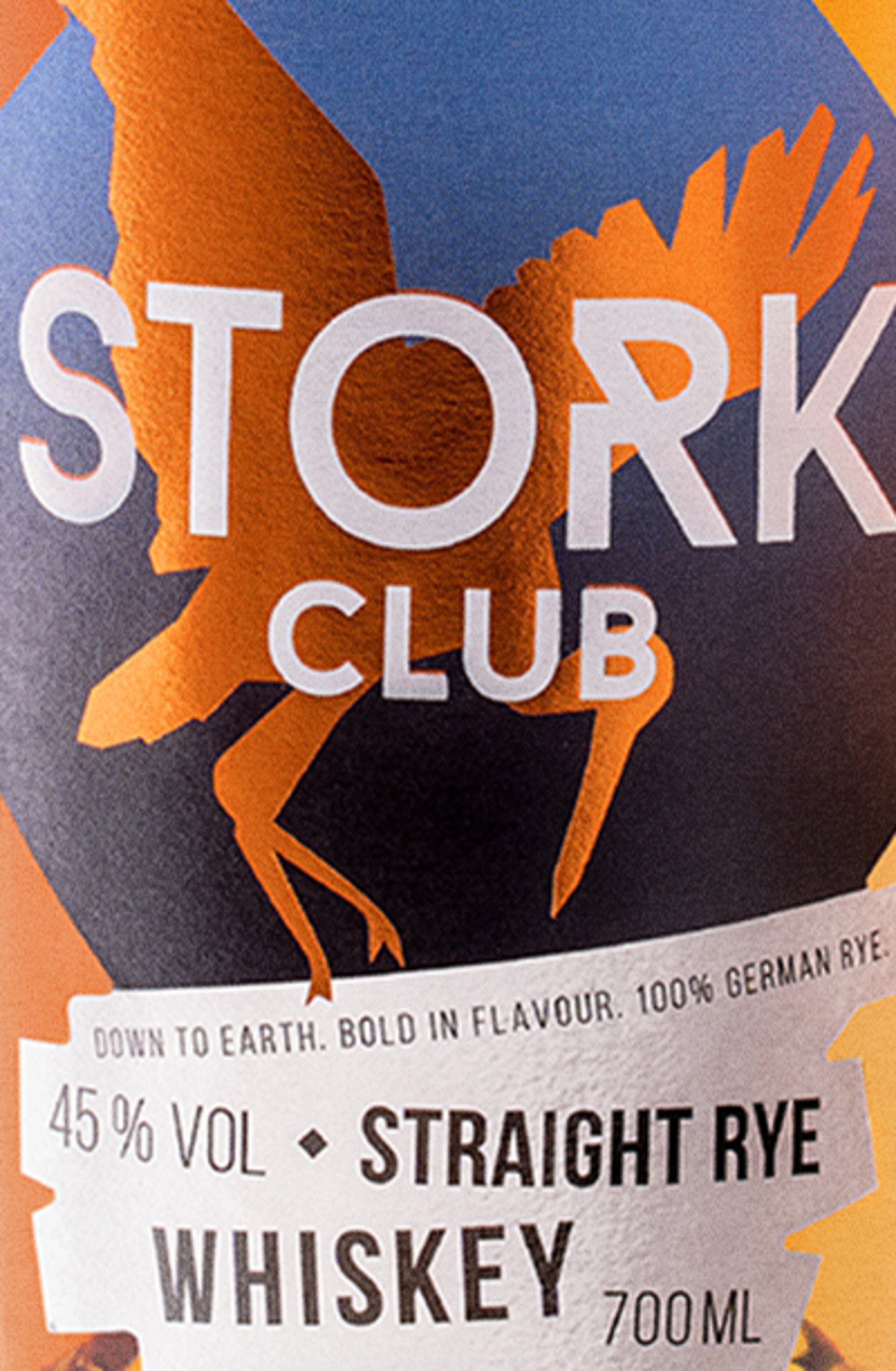
Spicier and more complex than bourbon, rye whisky is made from at least 51% rye grain and delivers distinctive peppery, cinnamon, and fruity notes. It's gaining popularity, particularly in cocktails where its bold character shines through. If you enjoy whiskies with a little more bite, rye deserves a place in your collection.

Single Malt

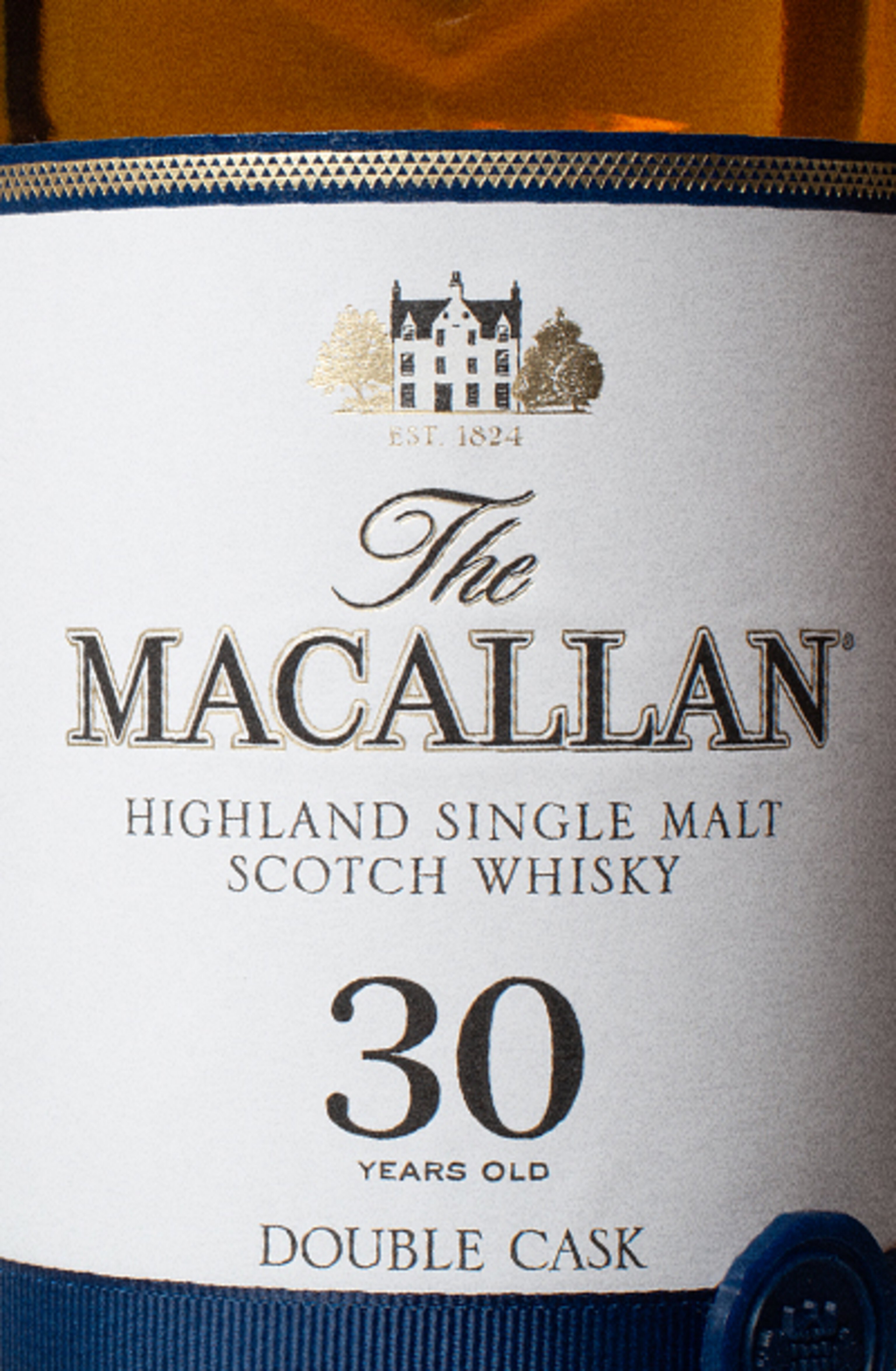
Made at a single distillery using only malted barley, single malts showcase each distillery's unique character – their water source, peat choices and barrel selection all come through in the final flavour and colour. Complex and rewarding, they're well worth exploring as your palate develops.

Blended

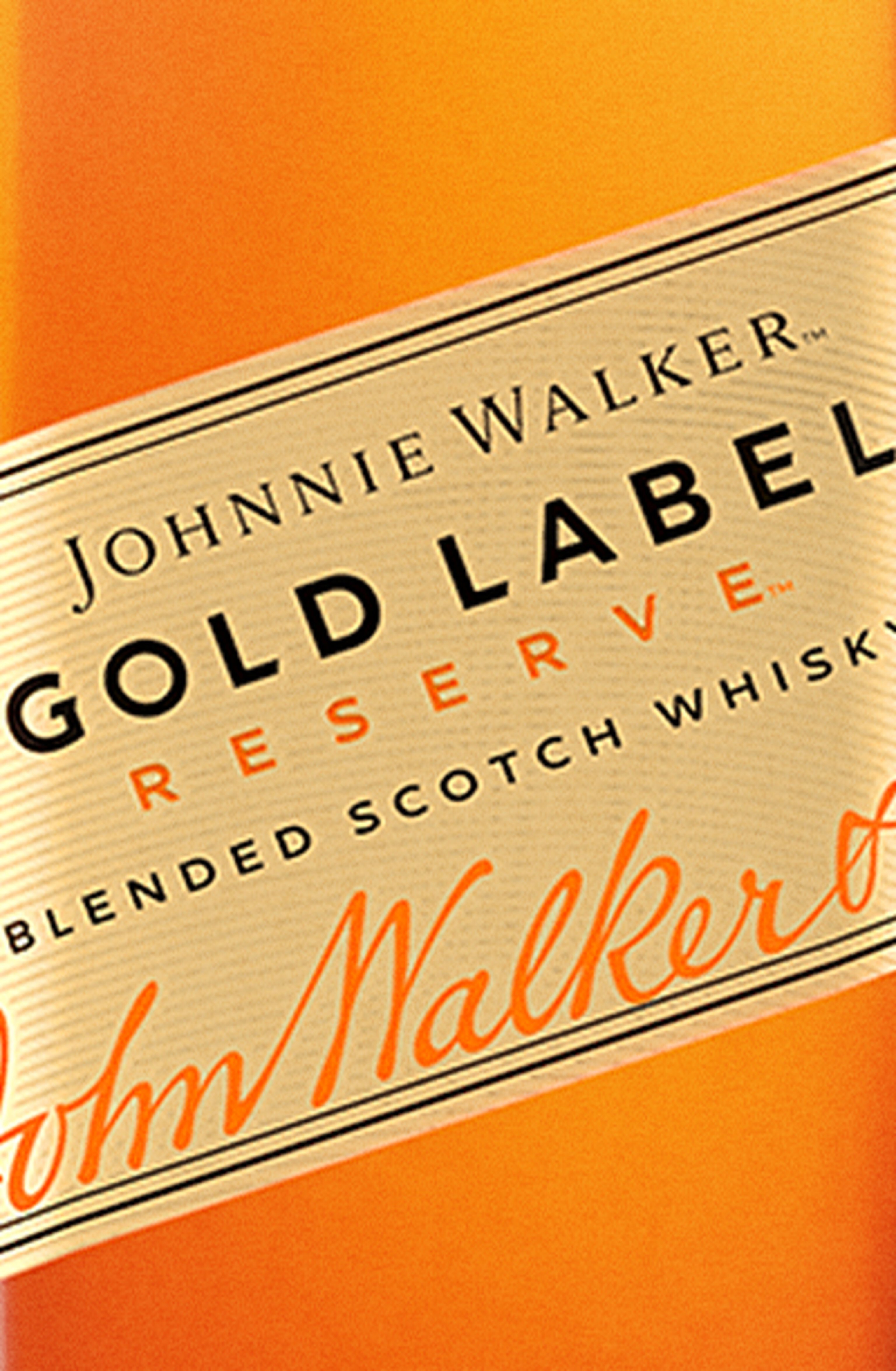
The versatile option. A mix of malt and grain whiskies, boasting consistency and smoothness without the premium price tag of single malts. Blends are accessible and reliable, making them ideal for everyday drinking or discovering what whisky styles appeal to you.

Whisky by Region

Scotch Whisky

Scotch is reagrded as the gold standard of whisky, and Scotland's six distinct regions each bring their own unique flavour.

Speyside: The heartland of Scottish whisky. These are elegant, fruity and refined, often with notes of orchard fruit and honey. Speyside whiskies tend to be complex without overpowering the palate, making them beloved by connoisseurs.

Islay: The bold, smoky outlier. Peat dominates here, creating intensely smoky, medicinal whiskies with maritime character. If you love smoke and intensity, Islay is your destination.

Highland: Diverse and varied, Highland whiskies range from light and floral to rich and sherried. The region's size means consistency is the only constant – exploration is essential here.

Lowland: Gentler and more delicate than their Highland neighbours, Lowland whiskies are typically light-bodied and elegant, with grassy or floral notes. They're approachable and refined, ideal for those preferring subtlety.

Campbeltown: Historic and characterful, these whiskies have a distinctive oily, maritime quality with a hint of peat. Small in production but distinctive in personality.


Irish Whiskey

Irish whiskey is defined by triple distillation, which creates a notably smooth, clean character. This extra distillation removes harshness, resulting in whiskeys that are approachable and elegant. Irish whiskey has a lighter touch than Scotch – less peat influence, with more emphasis on smoothness and subtlety. It's experiencing a genuine renaissance, with both traditional and innovative producers creating exciting expressions.


American Whiskey

Beyond bourbon and rye, American whiskey encompasses diverse styles shaped by geography and tradition. They tend to have a higher alcohol content, distinct oak influence and robust flavours. Tennessee whiskey (filtered through charcoal before aging - also known as the Lincoln County Process) brings a distinctive smoothness. American whiskey represents innovation and scale, making quality accessible at various price points.


Japanese Whisky

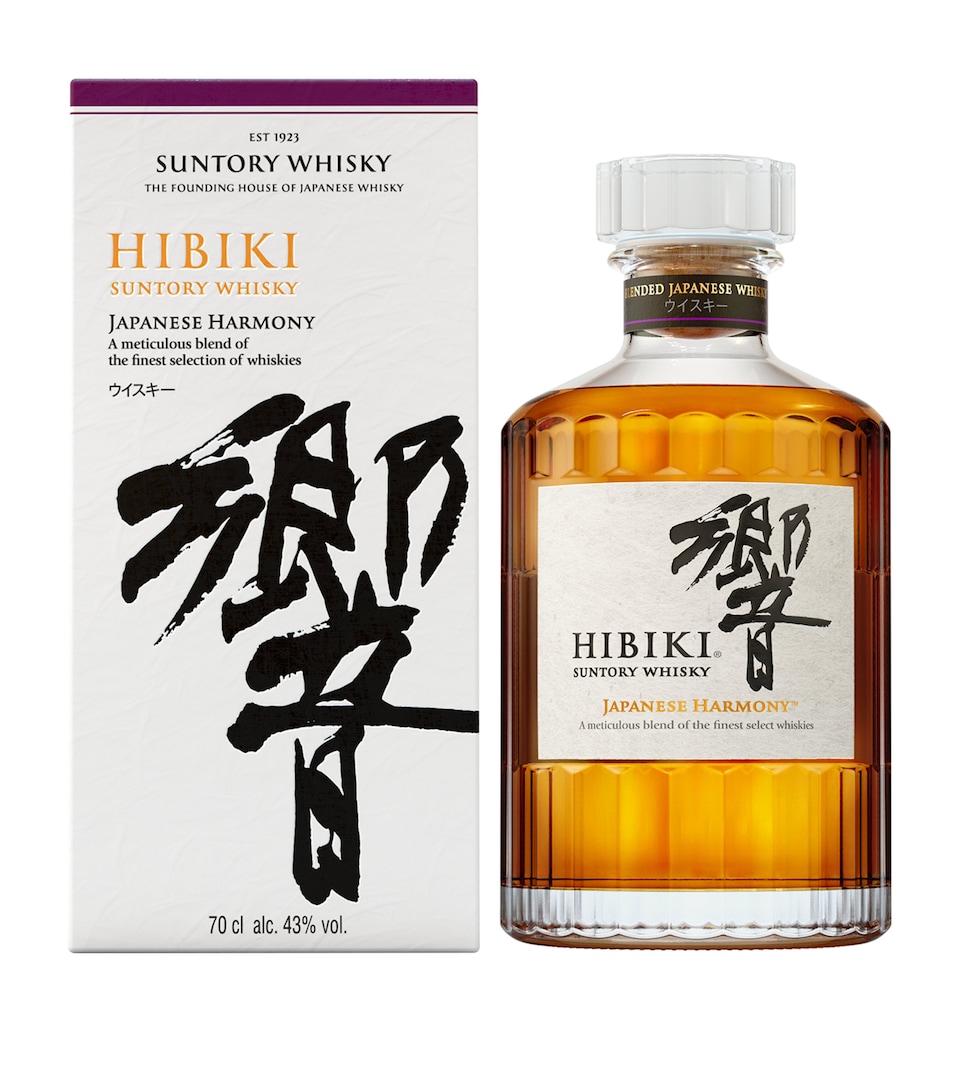
Japanese whisky draws heavily from Scottish tradition but adds its own refinement. Japanese distillers focus on precision, balance and subtlety – often creating whiskies that are elegant and harmonious. The climate and water sources create lighter, more delicate spirits than their Scottish counterparts. It has earned serious respect in recent years, offering genuine alternatives to Scotch at premium price points.

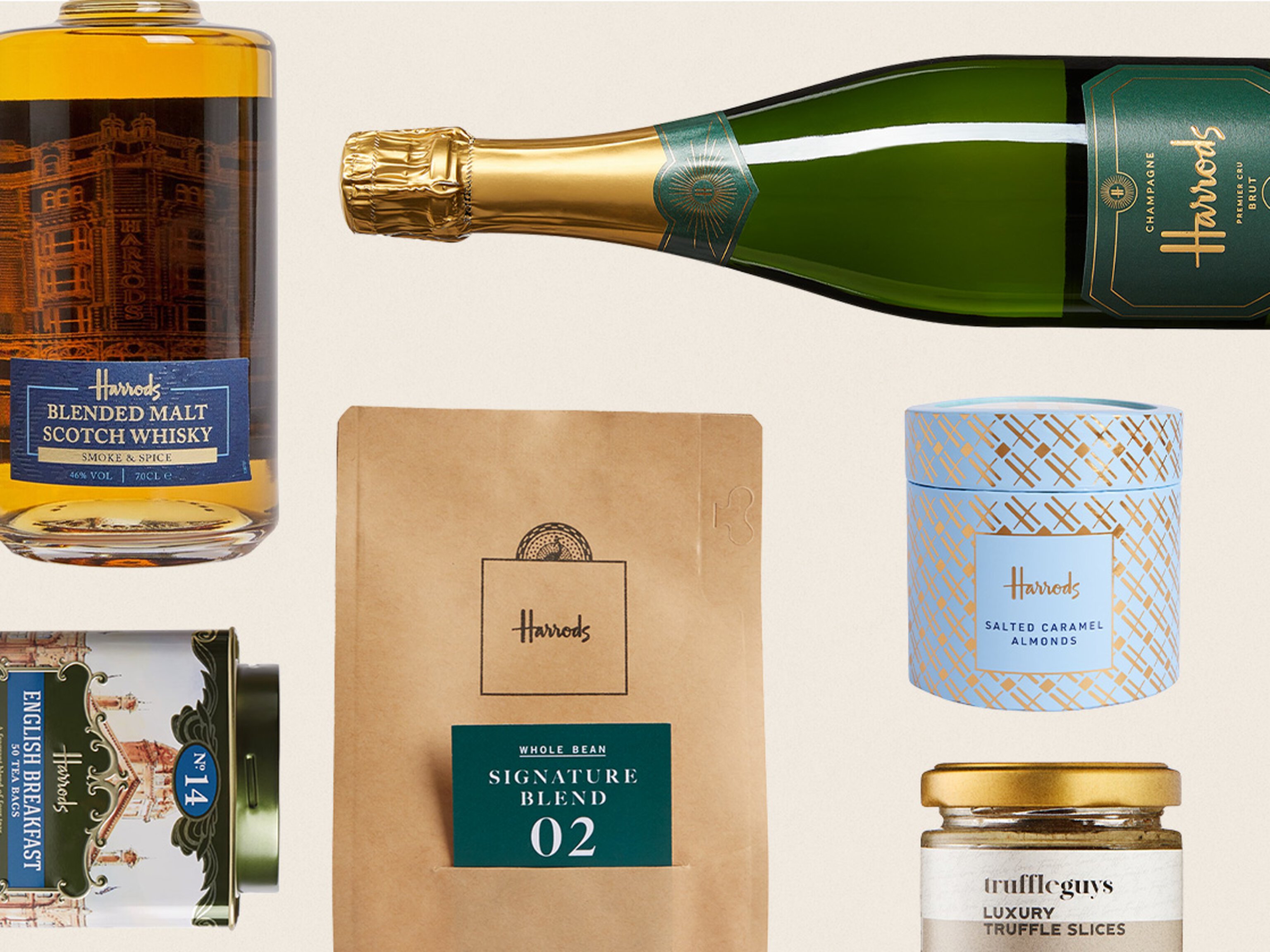
Harrods Whisky

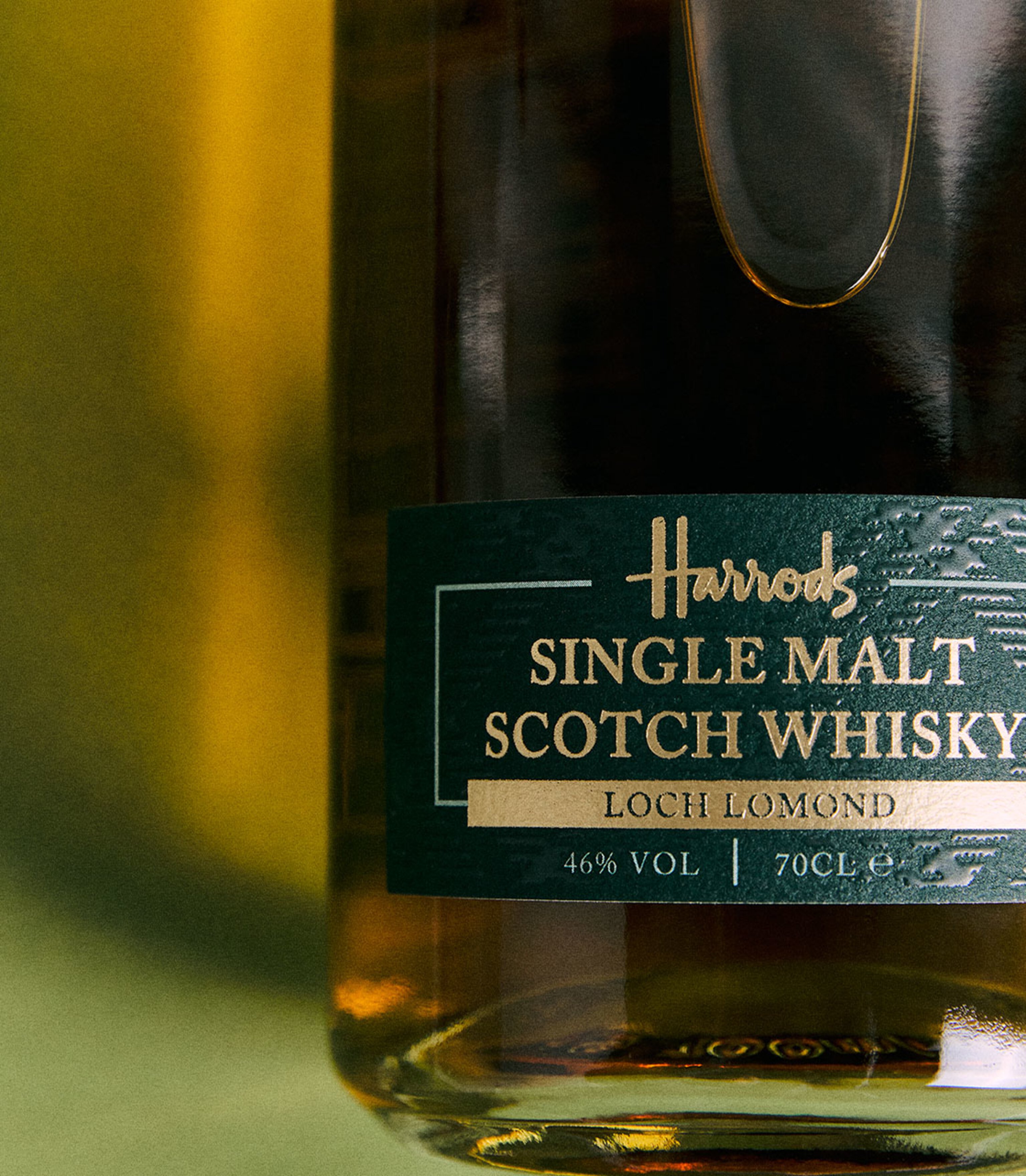
Highland Single Malt Scotch Whisky

Vanilla fudge, zesty orange, toasted coconut and an irresistibly smooth, creamy finish await in this Highland Single Malt Scotch. The most refined of our four whiskies, it's one for the collector – a classic dram that rewards slow sipping and deserves pride of place on the drinks trolley. If you're seeking a gift for the whisky lover who already has everything, start here.

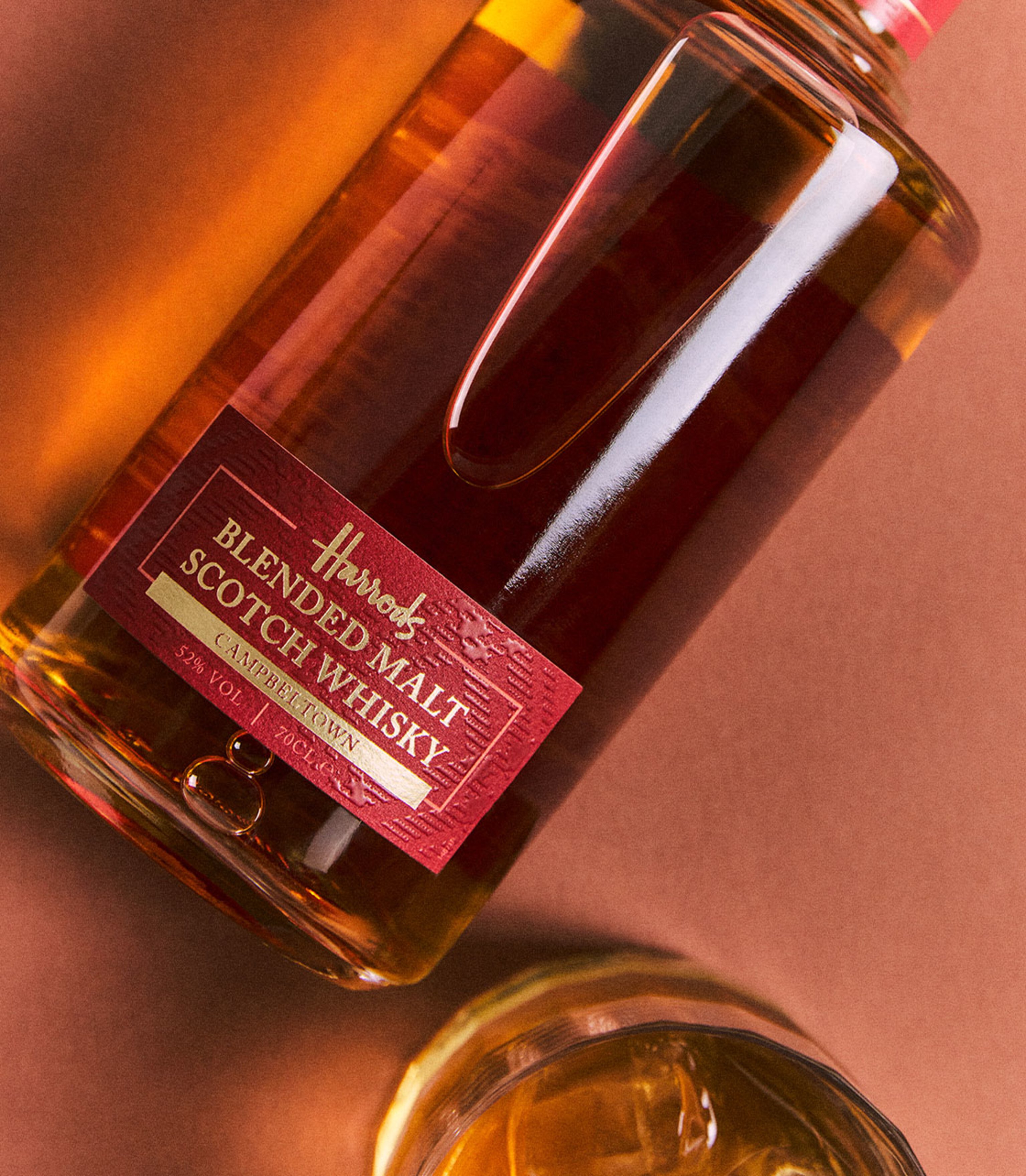
Campbeltown Blended Malt Scotch Whisky

This Campbeltown blended malt is one for those who love discovering whisky's lesser-known corners. Orchard fruits, spiced apple crumble and vanilla lead the way, before pineapple and caramelised brown sugar add richness and complexity. Characterful, layered and distinctly coastal, it's a dram for the enthusiast who enjoys exploring beyond the obvious.

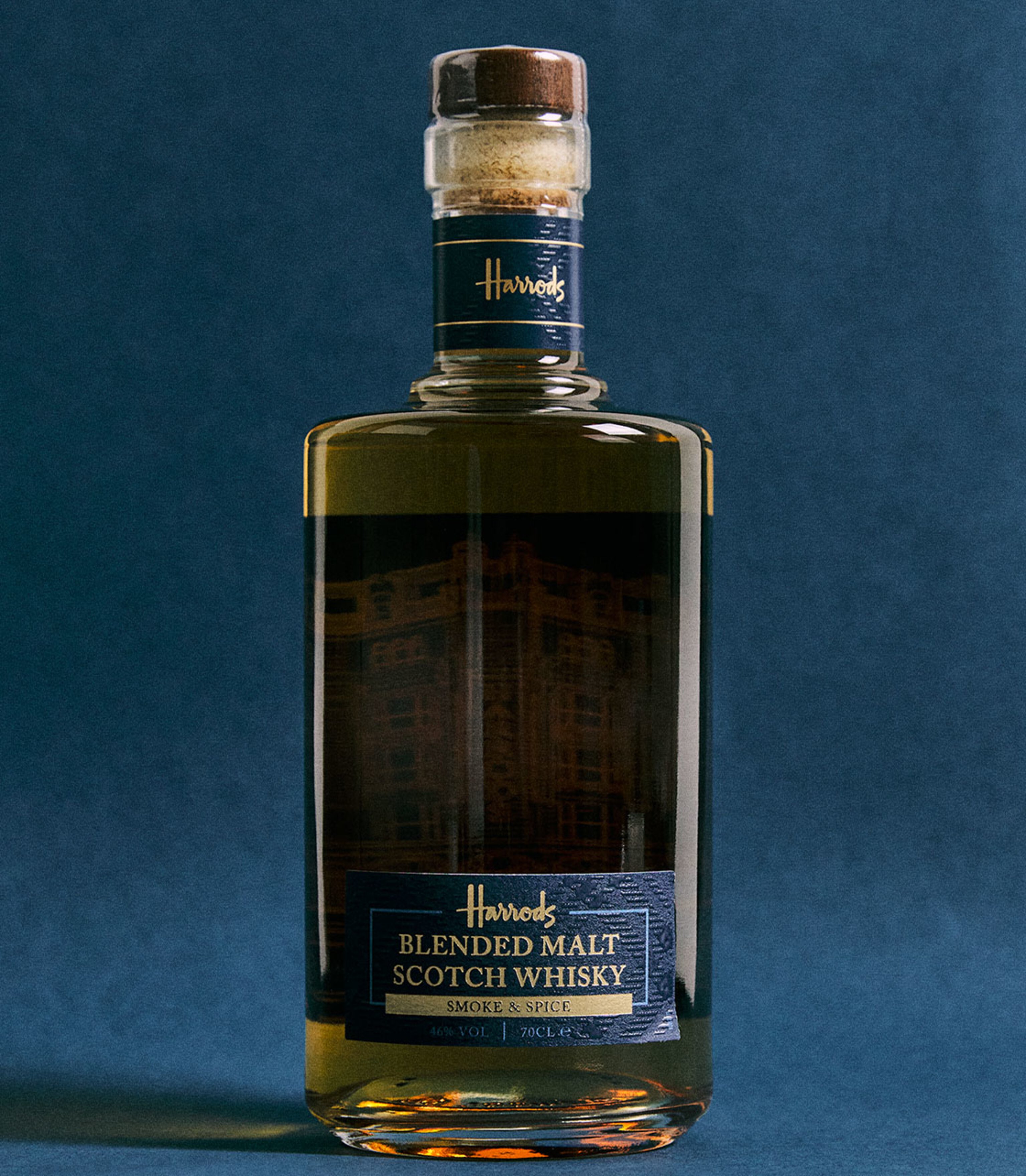
Smoke & Spice Blended Malt Scotch Whisky

Not quite ready for a full-throttle Islay? This Smoke & Spice Blended Malt Scotch Whisky offers a more approachable route into smoky whisky. Layers of baking spice, dried fruit and toasted oak balance the smoke beautifully, while notes of stewed plum, heather honey and smoked charcuterie add depth and intrigue.

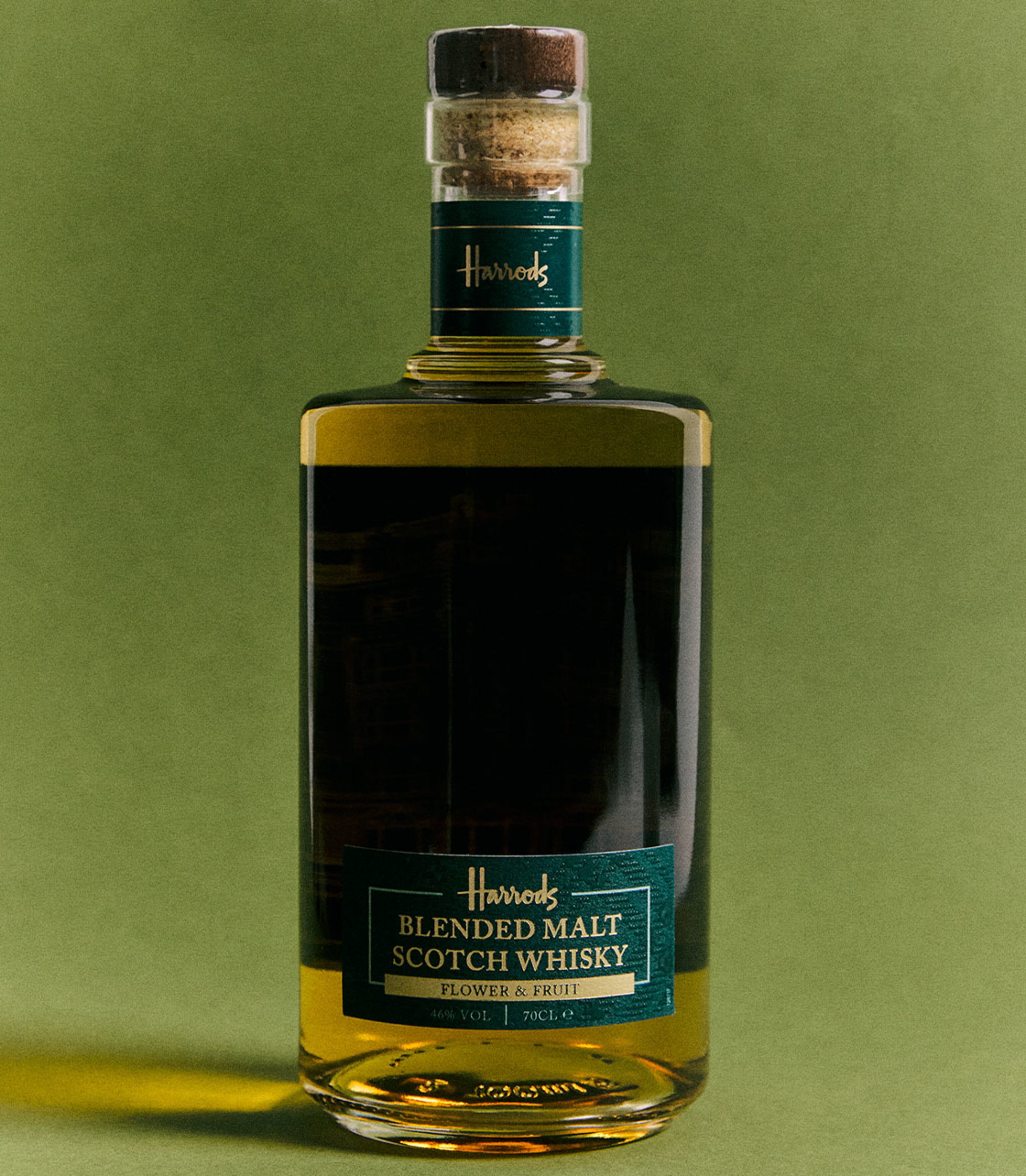
Flower & Fruit Blended Malt Scotch Whisky

This bright and vibrant blended malt opens with juicy peach, citrus and delicate floral notes. Orchard apple, pear and vanilla follow on the palate before a fresh, zesty finish. Light, graceful and endlessly versatile, it's the bottle we'd reach for on a summer evening – or when introducing a friend to whisky for the very first time.

New

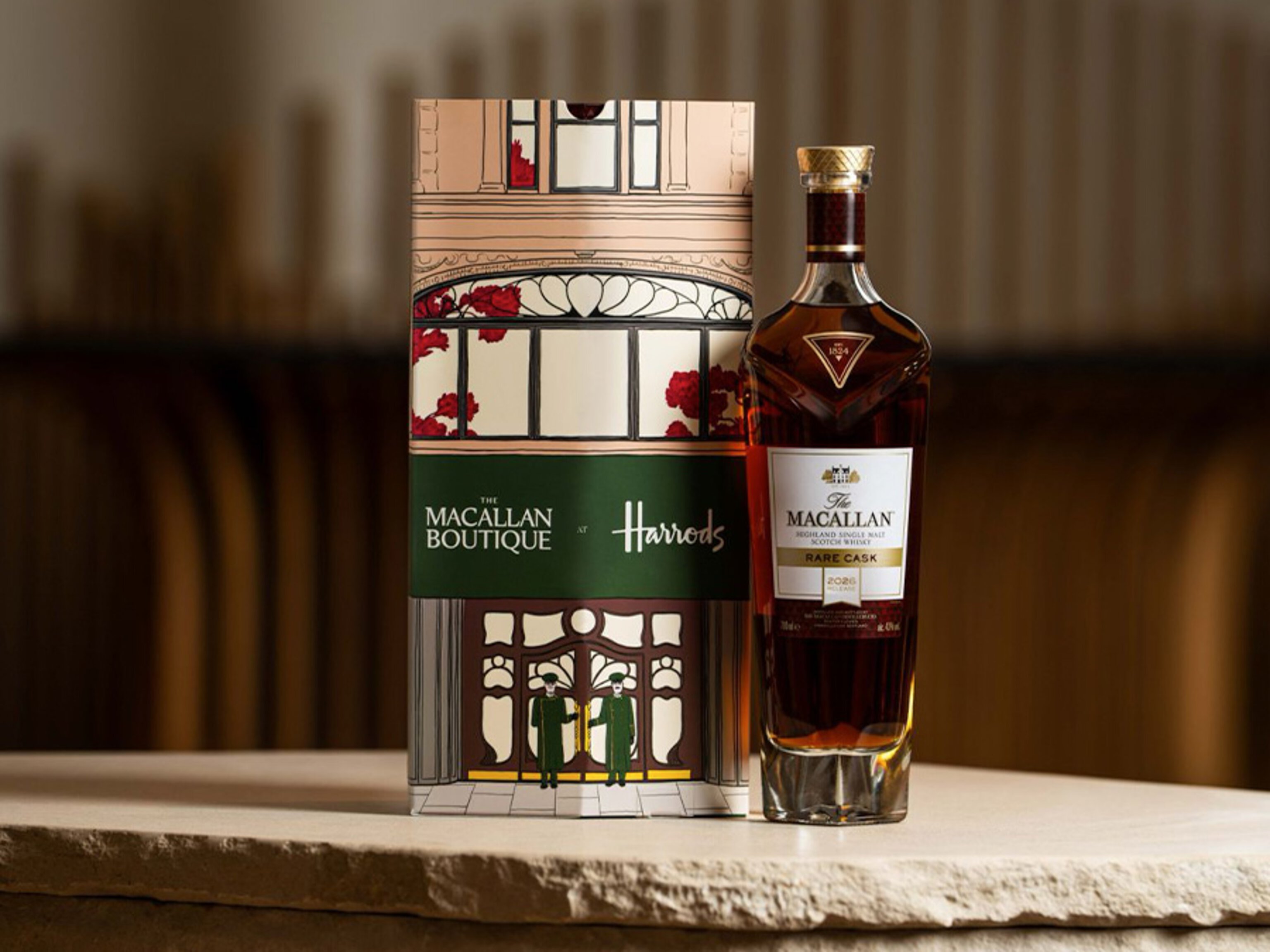
The Macallan Boutique

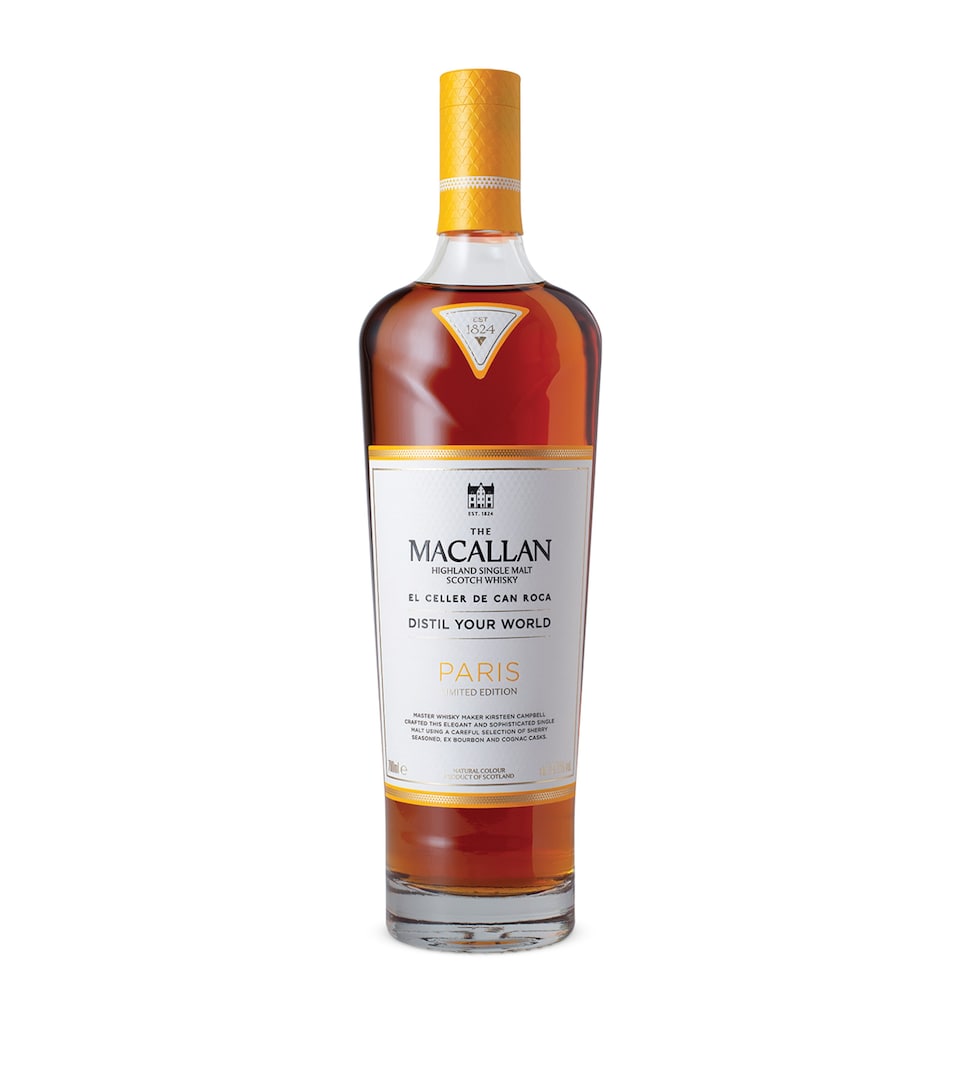
The celebrated whisky brand has opened a permanent boutique in our Fine Wines & Spirits department on the Lower Ground Floor. Inside, you’ll find one of the most extensive ranges outside of The Macallan's Speyside estate, plus engraving and gifting on-site, a sampling bar and a space that can be transformed for private dining.

Shop The Macallan

Gifts for Whisky Lovers

Whether you're buying for a seasoned collector or a newly converted enthusiast, these gifts are sure to go down smoothly.

Frequently Asked Questions

Whisky is used in Scotland, Canada, and Japan, while whiskey"is the spelling used in Ireland and America. The spirit itself is the same – the difference is geographical convention. Both spellings are correct; it simply depends on where the whiskey/whisky was made.


The four main categories are bourbon (American, corn-based, sweet), rye (spicy and bold), single malt (from one distillery, malted barley only), and blended (a mix of malts and grains). Each offers different flavour profiles and entry points into whisky. Your preference depends on whether you gravitate toward smooth and approachable or complex and assertive.

Single malt whisky comes from a single distillery and is made exclusively from malted barley. The 'single' refers to the distillery, not the barrel. Single malts showcase each distillery's unique character – their water, peat choices and barrel selection all influence the final spirit. They're often more expensive than blends but offer higher levels of complexity and individuality.

There's no single correct way – it's about personal preference. Neat (room temperature, no ice) lets you experience the full flavour profile. Adding a splash of water opens up the spirit and can reveal hidden notes. Ice chills it and dilutes slightly as it melts. A nosing glass helps capture aromas; a tumbler is fine for casual drinking. Experiment and find what you enjoy.

Not necessarily. Age statements indicate minimum maturation time, but they're not a quality guarantee. A well-made 12-year-old can outshine a poorly crafted 25-year-old. Age contributes complexity and refinement, but factors like cask quality, production methods and distillery character matter equally. Don't assume older automatically means better – taste and decide for yourself.

Store whisky upright in a cool, dark place away from direct sunlight and temperature fluctuations. UV light and heat can degrade the spirit over time. Keep bottles sealed to prevent evaporation. A cupboard or wine fridge is ideal. Once opened, whisky is stable for years if kept sealed – it won't deteriorate like wine. Proper storage preserves flavour and prevents oxidation.

A Glencairn glass (or nosing glass) is ideal for tasting – the shape concentrates aromas and allows you to appreciate the spirit fully. The wide bowl lets whisky breathe, while the tapered top focuses the nose. That said, any glass works for casual drinking. A tumbler is perfectly acceptable if that's what you prefer. The best glass is the one you'll actually use. 

Whisky's versatility makes it excellent with diverse foods. Smoky Islay pairs beautifully with smoked fish or rich cheeses. Lighter Speysides complement seafood and delicate dishes. Bourbon's sweetness works with barbecue, chocolate, and desserts. Rye's spice suits charcuterie and aged cheeses. The key is balancing intensity – bold whiskies need equally bold flavours; delicate whiskies pair with subtler foods.

Start by exploring what you enjoy drinking, rather than chasing recommendations. Buy whiskies you genuinely want to taste, not ones you think you should collect. Begin with more affordable bottles across different regions and styles, then invest in premium expressions as your palate develops. Quality over quantity – a small, thoughtful collection beats a large one of mediocre bottles. Visit tastings to discover new favourites.

Related Stories

The Harrods Guide to Food and Wine Pairing

Take the guesswork out of hosting with our food and wine pairing guide, featuring simple tips, easy pairings and expert advice for dinner parties and entertaining.

The Best Luxury Food Gifts

Shopping for the consummate foodie? Our edit of seasonal pantry staples, teas and sweet treats is guaranteed to satisfy their appetite – and warm their heart.

Harrods Stories

Bringing you a weekly dose of everything from chef recipes to dinner-party solutions – at Harrods, it’s all about living your best life.