The Harrods Guide to Matcha

Words by Louise Springham
30th September 2026


Centuries before it landed on café menus or filled your Instagram feed, matcha was being carefully ground and whisked in the tea houses of Kyoto. While today’s enthusiasm for the tea may feel contemporary, matcha itself is anything but. Long before wellness became a buzzword or café culture embraced the green powder, it was an integral part of Japanese tea traditions, valued as much for the ritual surrounding its preparation as for its distinctive flavour.


That heritage of craftsmanship and patience is exactly what makes matcha so special today. Behind every vivid green powder is a centuries-old process – shade-grown tea leaves, carefully harvested and stone-ground into an ultra-fine powder. It’s an approach that cannot be rushed or replicated, and one that transforms a simple cup of tea into something closer to an art form.


Read on to discover everything from what matcha is made of to the modern matcha drinks worth trying for yourself. After which you can choose the perfect variety with complete confidence, perhaps starting with one of our four Harrods expressions.

What is Matcha?

Matcha is a finely ground Japanese green tea powder, which is prized for its vibrant green colour and rich, earthy, umami flavour. Unlike loose-leaf teas, which are steeped and then strained out, matcha is whisked directly into water or milk, so you consume the whole leaf – nutrients and all. What sets it apart from regular green tea starts in the field: matcha leaves are shaded before harvest to boost chlorophyll and sweetness, then steamed, dried and stone-ground into an ultra-fine powder, rather than being rolled and dried whole.


Matcha has played a central role in Japanese culture for centuries, most notably through chanoyu, the traditional Japanese tea ceremony. Rooted in Zen Buddhist practice, the ritual is as much about mindfulness and hospitality as the tea itself – a slow, deliberate ceremony involving specific tools and precise movements. You don’t need a tea master’s training to enjoy a cup, but it’s this heritage that makes matcha more than just a drink.

Why has Matcha become So Popular?

Matcha’s rise owes a lot to wellness culture. As more people look for gentler alternatives to coffee, matcha has stepped in as the caffeine-conscious choice – it contains less caffeine than a standard espresso, released more slowly thanks to a natural compound called L-theanine, which is said to promote steady energy without the jitters or crash. It’s also rich in antioxidants, particularly catechins, making it a favourite among those focused on long-term wellbeing, not just a quick pick-me-up.


Then there’s café culture. Matcha’s vivid green hue makes for an undeniably photogenic drink, and few things travel further on social media than a beautifully layered iced matcha latte. But beyond the aesthetics, there's something undeniably appealing about the ritual itself – the whisking, the stillness, the few minutes it takes to prepare properly. In a world of grab-and-go everything, matcha offers a rare moment to slow down, making it as much a mindful routine as it is a drink.

The Different Types of Matcha

Not all matcha is created equal. While every variety begins with the same tea plant, differences in cultivation, harvest timing and processing result in distinct grades, each suited to a different purpose. Learning to recognise quality is just as important as understanding the grades themselves. The finest matcha is instantly recognisable by its vibrant jade-green colour, silky stone-ground texture and rich, layered flavour, balancing gentle sweetness with a distinctive umami depth. Lower grades, by contrast, tend to appear more muted in colour and deliver a sharper, more astringent taste.


Whether you’re preparing a traditional bowl of tea, whisking up a latte or baking a batch of matcha-infused madeleines, understanding these distinctions will help you choose the right matcha for the occasion.


Ceremonial Grade

Considered the highest quality available, ceremonial grade matcha is crafted from the youngest, most tender tea leaves, carefully harvested during the first flush of the season. The resulting powder is exceptionally smooth, naturally sweet and rich in umami, with very little bitterness. Traditionally, it is intended to be enjoyed simply whisked with water, allowing the complexity of its flavour to take centre stage. While prized by matcha purists, its exceptional smoothness and delicate sweetness also make it an ideal base for lattes and contemporary serves, pairing beautifully with milk and fruit-led flavours alike.


Premium Grade

Positioned between ceremonial and culinary grades, premium matcha is designed for everyday enjoyment. While still made from high-quality leaves, it typically has a slightly bolder flavour and a touch more astringency than ceremonial matcha. This makes it particularly well suited to lattes and other milk-based drinks, where its character can shine through without being overshadowed.


Culinary or Cooking Grade

As the name suggests, this grade of matcha is intended primarily for cooking and baking. Produced from more mature leaves, it has a stronger, more robust flavour profile with greater bitterness, allowing it to hold its own alongside ingredients such as chocolate, butter and sugar. While perfectly suitable for recipes, it lacks the delicate sweetness and velvety texture that define higher-grade matcha, making it less enjoyable when prepared on its own.

Harrods Blends

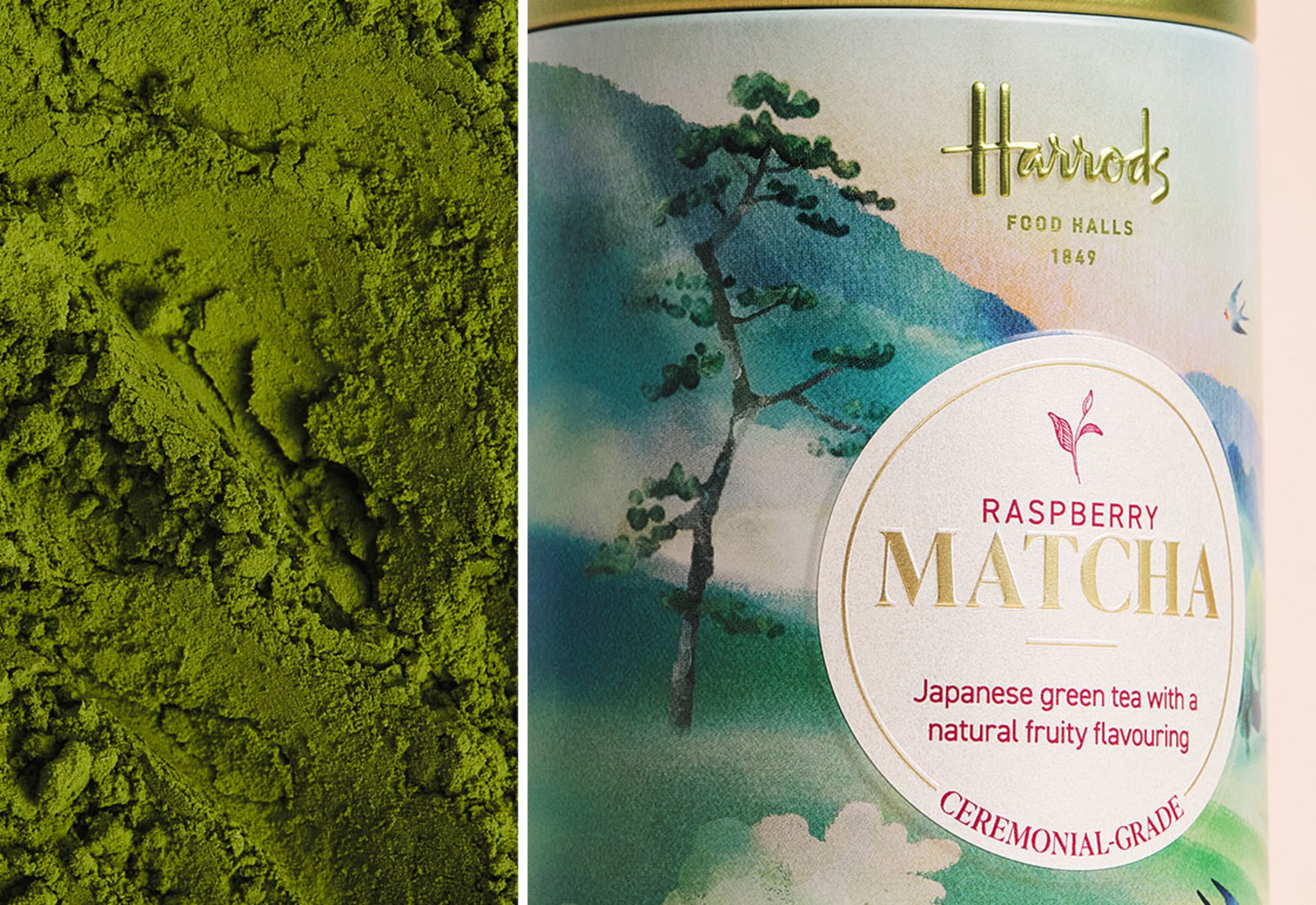
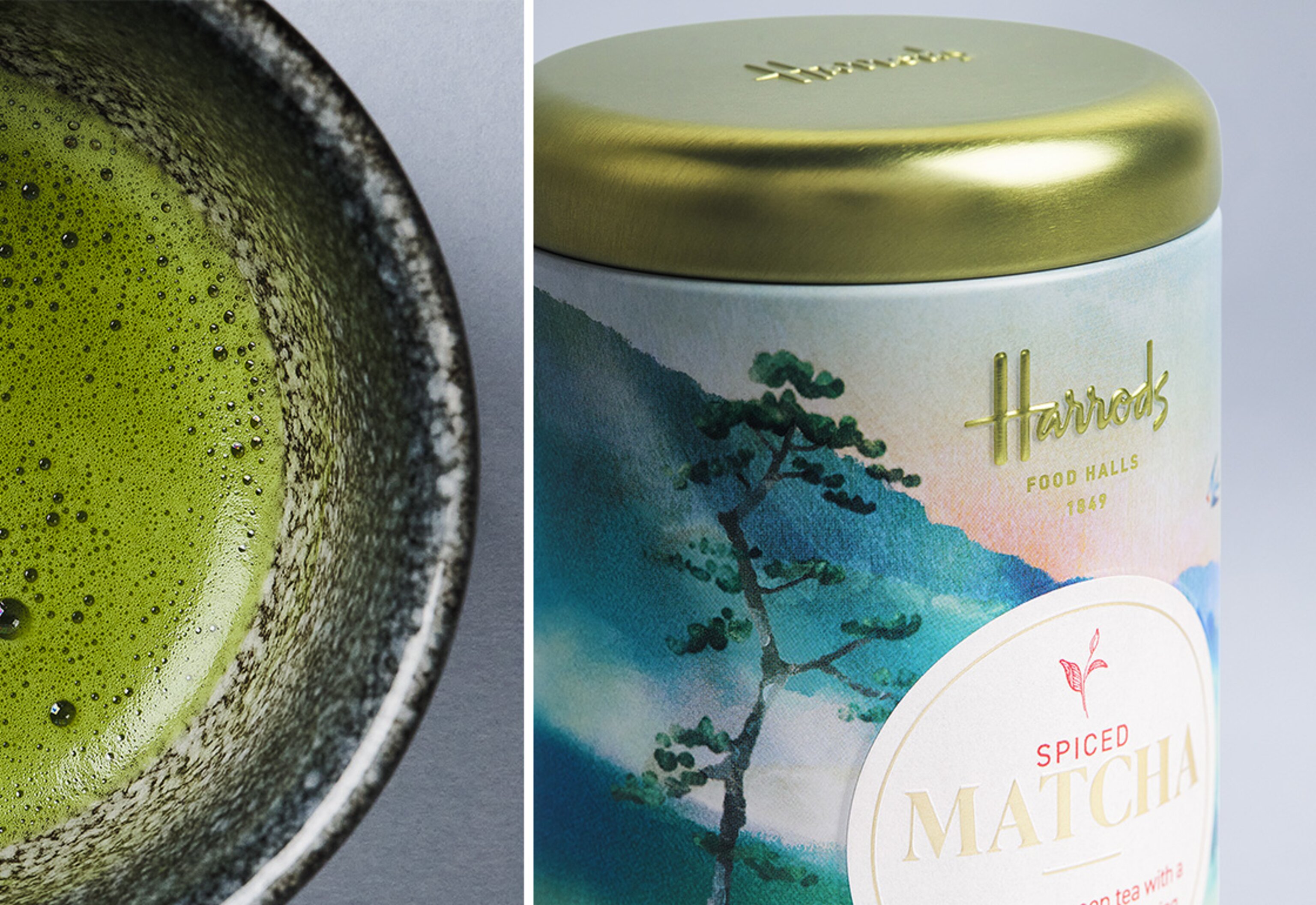
Sourced from the stunning coastal Japanese prefecture of Shizuoka, our matcha is chosen with the same care and respect for tradition that the tea itself demands. Every spoonful possesses three defining qualities: an ultra-fine texture, a silky mouthfeel and a vibrant, jewelled colour, all coming together in a bright, clean, refreshing flavour with delicate but distinct earthy notes.


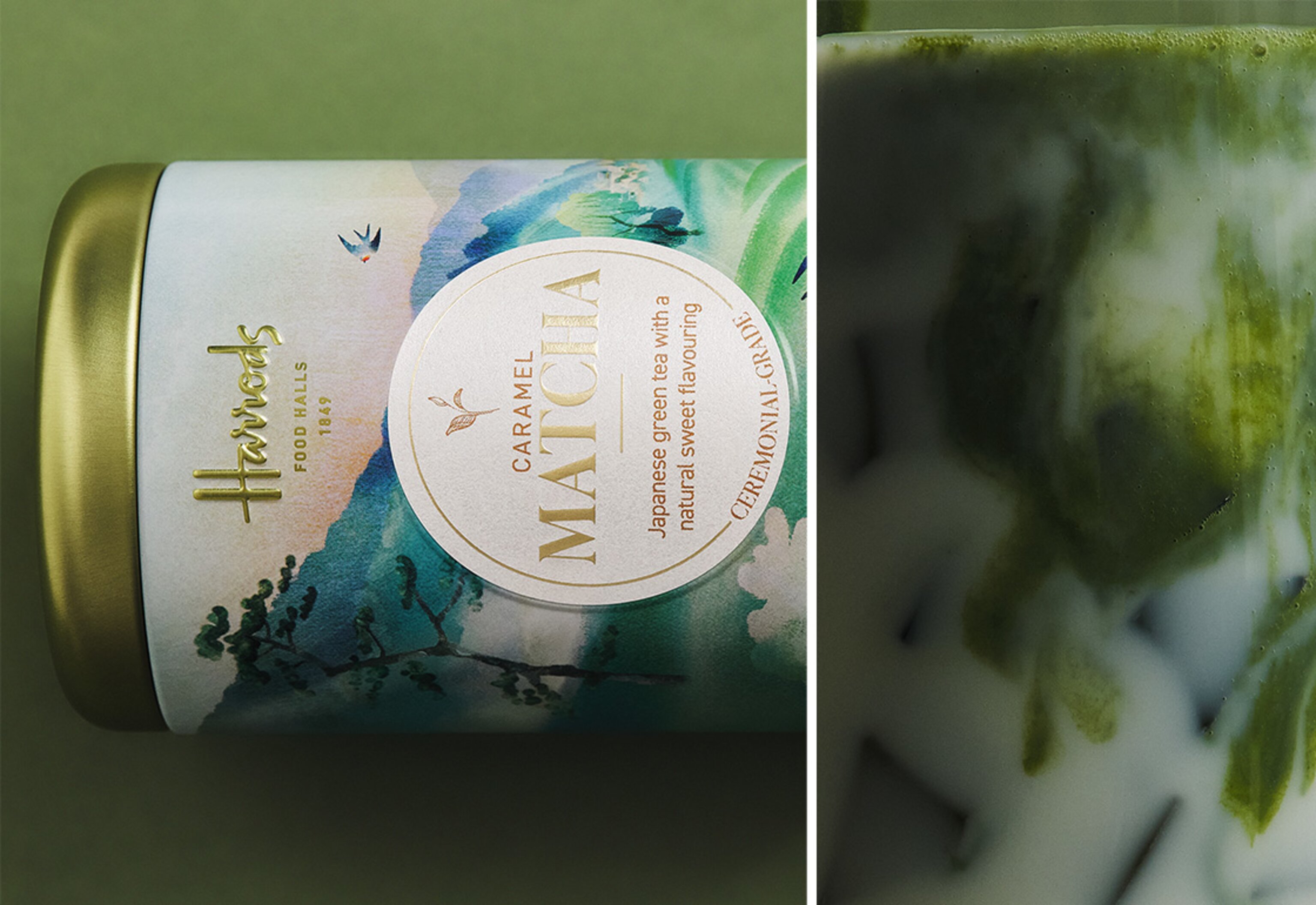
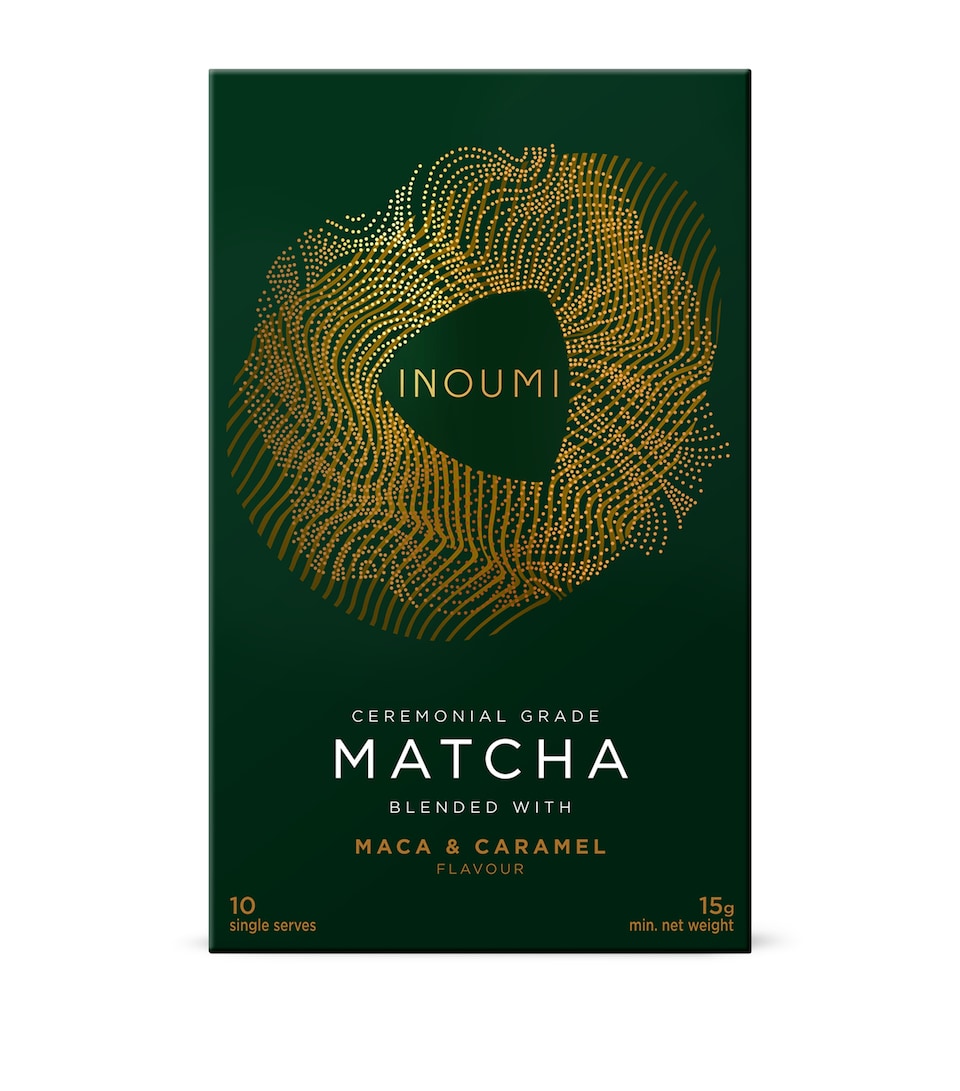
For purists, we offer a classic ceremonial-grade option. For those after something a touch more playful, there are three naturally flavoured varieties – caramel, raspberry and spiced – each using that same ceremonial-grade matcha as their base, with no artificial flavourings in sight. Find out more about each below and how best to enjoy them.

Ceremonial Matcha

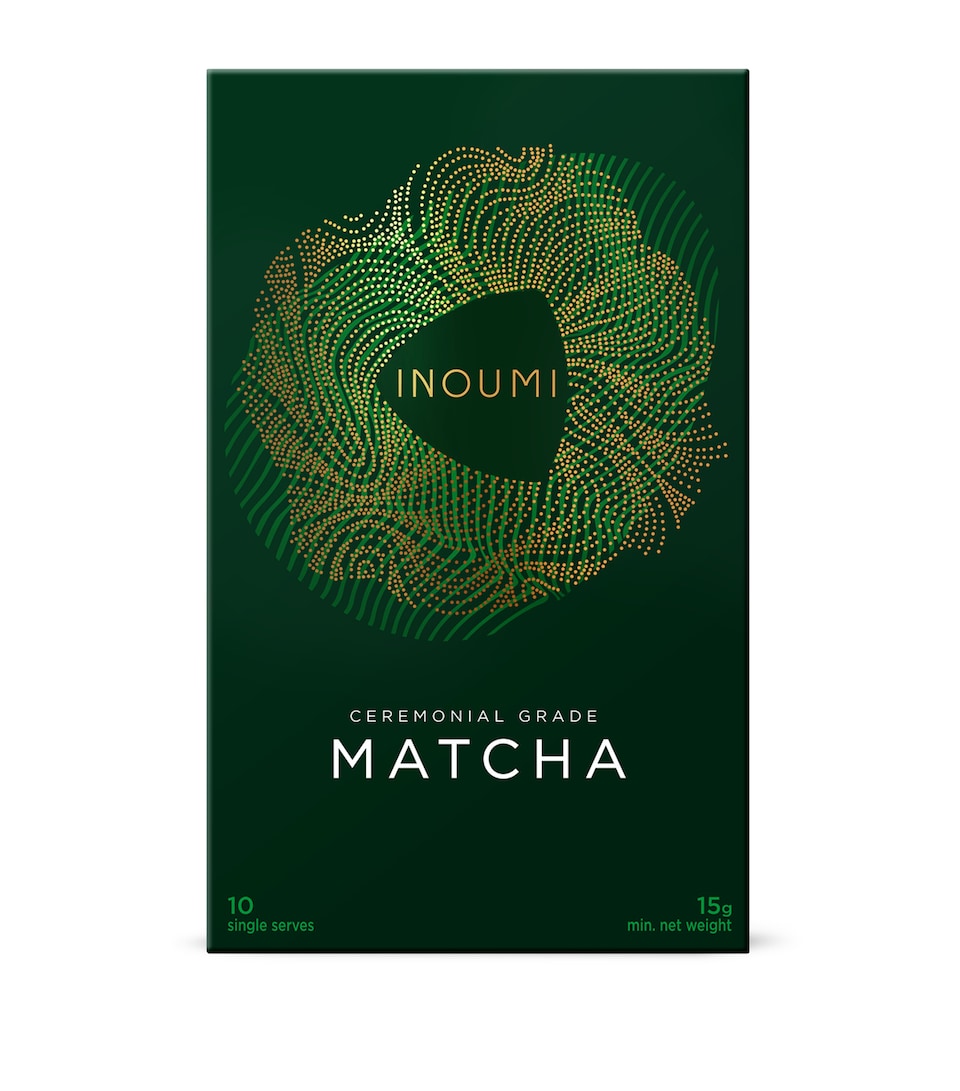
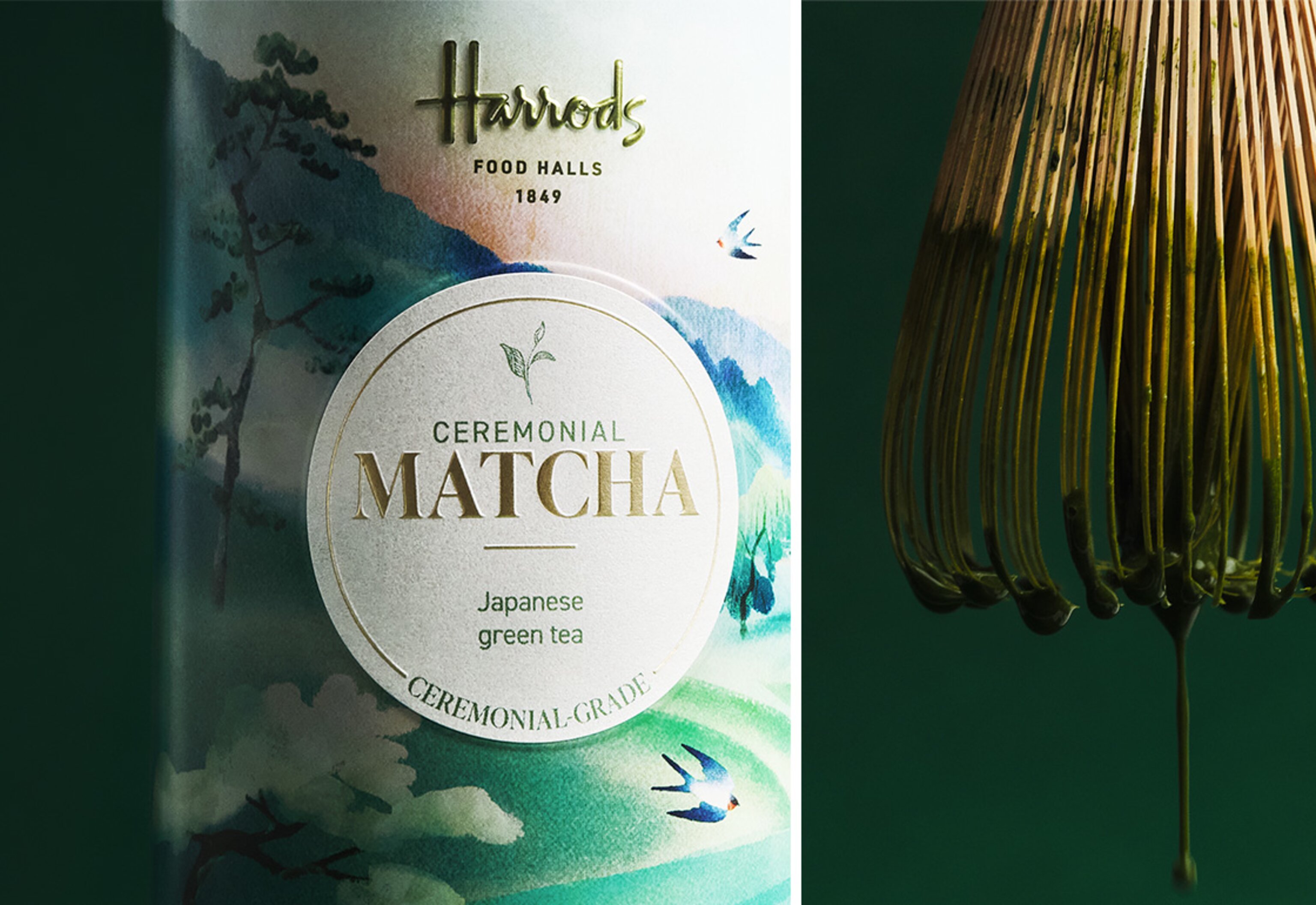
If the stunning original artwork by Japanese artist Hifu Miyo isn't enough to tempt you, perhaps the tea inside will be. Whisked simply with hot water in the traditional style, it showcases matcha's natural sweetness and delicate earthy notes without distraction – an inspired gift for the matcha purist in your life.

Raspberry Ceremonial Matcha

Bright, tart and unmistakably fruity, this expression layers ripe, juicy raspberry over ceremonial-grade matcha for a naturally vibrant twist. We’d recommend serving it iced with coconut milk for an undeniably refreshing sip. Experimentation highly encouraged.

Spiced Ceremonial Matcha

A warming blend of cinnamon, ginger, cardamom and clove, layered over ceremonial-grade matcha for a naturally cosy, autumnal twist – a must-try for chai lovers. Best enjoyed hot with a splash of almond milk for something to curl up with, although it more than holds its own iced too.

Caramel Ceremonial Matcha

Sweet, smooth and easy-drinking, this is the perfect starting point for matcha newcomers – all the goodness of ceremonial-grade matcha, gently softened by rich, buttery caramel. We’d recommend it hot with oat milk for a dessert, although it’s equally at home shaken over ice for something a little more refreshing.

How Matcha is Traditionally Prepared

 While matcha is celebrated for its flavour and wellness credentials, its preparation is just as important as the tea itself. Here’s a step-by-step guide to preparing matcha the traditional way.


What You’ll Need


  • Chawan: a traditional tea bowl, designed to provide ample space for whisking

  • Chasen: a bamboo whisk used to blend the matcha into a smooth, frothy tea

  • Chashaku: a slender bamboo scoop used to measure the powder

  • High-quality matcha, preferably ceremonial

  • Hot water (70-80°C)


How to Prepare Matcha


  1. Sift the matcha into your tea bowl to remove any clumps and create a smoother texture.

  2. Measure the matcha, using around 1-2 scoops of powder, depending on your preferred strength.

  3. Add hot water, ideally between 70-80°C. Avoid boiling water, which can emphasise bitterness and mask matcha’s sweeter, umami-rich notes.

  4. Whisk briskly using a zigzag, ‘W’-shaped motion rather than stirring in circles. This helps aerate the tea and creates a layer of delicate foam across the surface.

  5. Enjoy immediately, while the matcha is smooth, frothy and at its most vibrant.


The Modern Matcha Drinks Everyone Is Ordering

Matcha has come a long way from the traditional tea bowl, with café menus now offering endless ways to enjoy it. Here are a few of the most popular.

Matcha Lattes

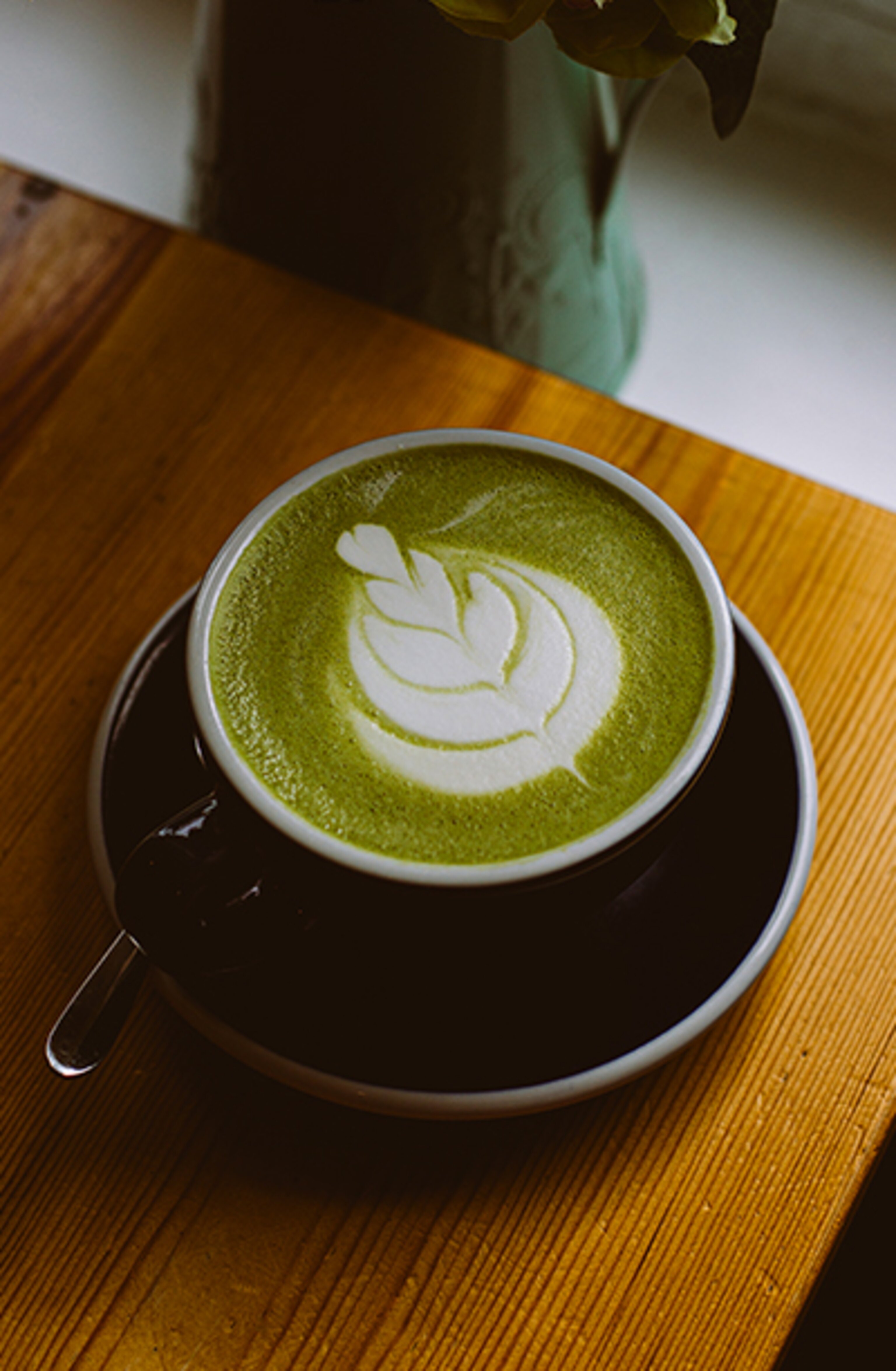
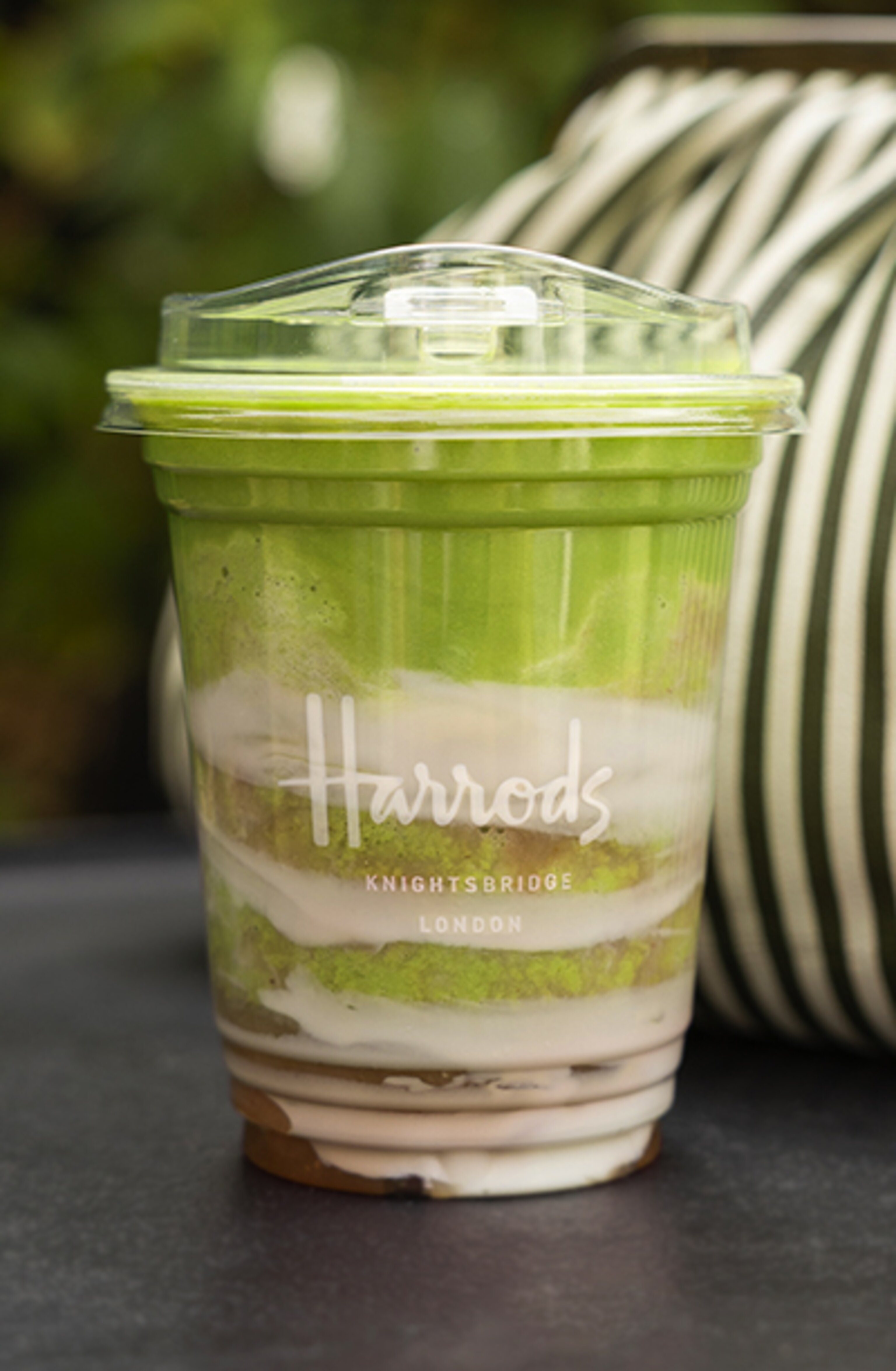
The gateway drink for most matcha newcomers, a matcha latte combines whisked matcha with steamed milk (dairy or plant-based) for a smooth, mellow cup that balances the tea’s natural grassiness with creaminess. For those looking to embrace the ritual behind the drink, serving it in a traditional tea bowl offers a nod to matcha’s Japanese heritage while adding to the overall drinking experience.

Iced Matcha

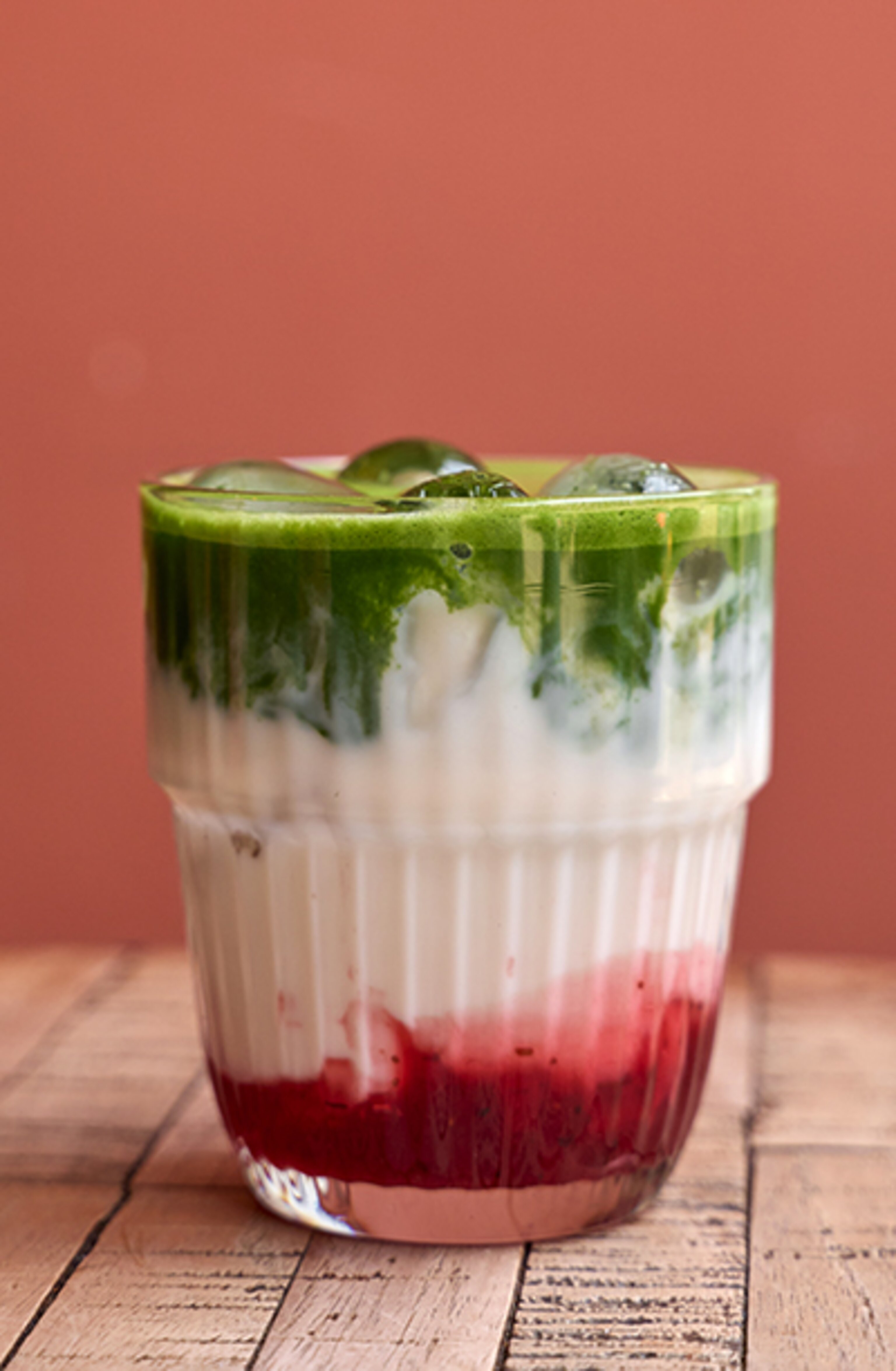
Served cold over ice, iced matcha has become something of a social-media star, prized as much for its striking layered look as its refreshing taste. Fruit pairings have taken things even further, with flavours like raspberry, strawberry and blueberry adding a bright, fruity twist to the earthy tea. When served in clear glassware, the vivid green tones and layered effect can be fully appreciated, making the drink a feast for the eyes as well as the palate.

Matcha Smoothies

For those wanting something more substantial, matcha is increasingly finding its way into smoothies, blended with ingredients like banana, spinach or plant-based milk for a nutrient-packed, energising drink. Served in generously sized tumblers or insulated glasses, they’re an elegant way to enjoy matcha’s gentle lift in a more filling, breakfast-friendly format.

Frequently Asked Questions

Matcha is rich in antioxidants, particularly a group called catechins, which are linked to a range of wellbeing benefits. It also contains L-theanine, an amino acid that promotes a sense of calm alertness, helping to offset the caffeine and avoid the jittery energy spikes associated with coffee. To enjoy the full range of matcha benefits, it’s best drunk pure, whisked simply with hot water – adding milk, sweeteners or syrups can dilute the concentration of antioxidants per cup, so while a matcha latte is still a treat, a traditional preparation is the way to go if wellness is your main motivation.

Matcha begins life as shade-grown green tea leaves, which are hand-picked, steamed to preserve their colour and nutrients, then dried and stone-ground into an ultra-fine powder. Unlike loose-leaf tea, the entire leaf is consumed, which is part of why matcha delivers such a concentrated dose of flavour and nutrients.

A typical serving of matcha contains around 30-70mg of caffeine, compared to roughly 95mg in a standard cup of drip coffee. Because matcha’s caffeine is released more gradually thanks to L-theanine, many people find the energy lift feels steadier and longer-lasting.

Look for a vivid, vibrant green colour – a dull or yellowish tone usually signals lower quality or older tea. High-quality matcha should also have a fine, silky texture and a fresh, slightly sweet aroma, rather than anything bitter or grassy-sharp.

Matcha is delicate and sensitive to light, heat and air, all of which can dull its colour and flavour over time. Store it in an airtight container in the fridge, away from direct sunlight, and try to use it within a few weeks of opening for the best flavour.

Matcha’s natural sweetness and gentle bitterness pair beautifully with rich, creamy flavours – think white chocolate, vanilla or buttery pastries. It also works well alongside fresh fruit, particularly citrus and berries, which help balance its earthiness.

For first-timers, a naturally flavoured matcha – such as one with a touch of vanilla, caramel or fruit – can be a gentler introduction than a pure ceremonial-grade tea, easing you into matcha’s distinctive flavour before working up to something more traditional.

Not necessarily – it depends on how you plan to enjoy it. Ceremonial-grade matcha is made from the youngest tea leaves and is prized for sipping on its own, where its delicate flavour can shine. Culinary-grade matcha, meanwhile, has a slightly stronger, more robust flavour that holds up well in lattes, baking and cooking.

While a bamboo whisk (chasen) and bowl (chawan) are traditional for a reason – they help achieve matcha’s characteristic frothy texture – you don’t need them to enjoy a good cup. A small handheld milk frother or even a regular whisk and steady wrist can do the job just as well at home.

The Matcha Edit

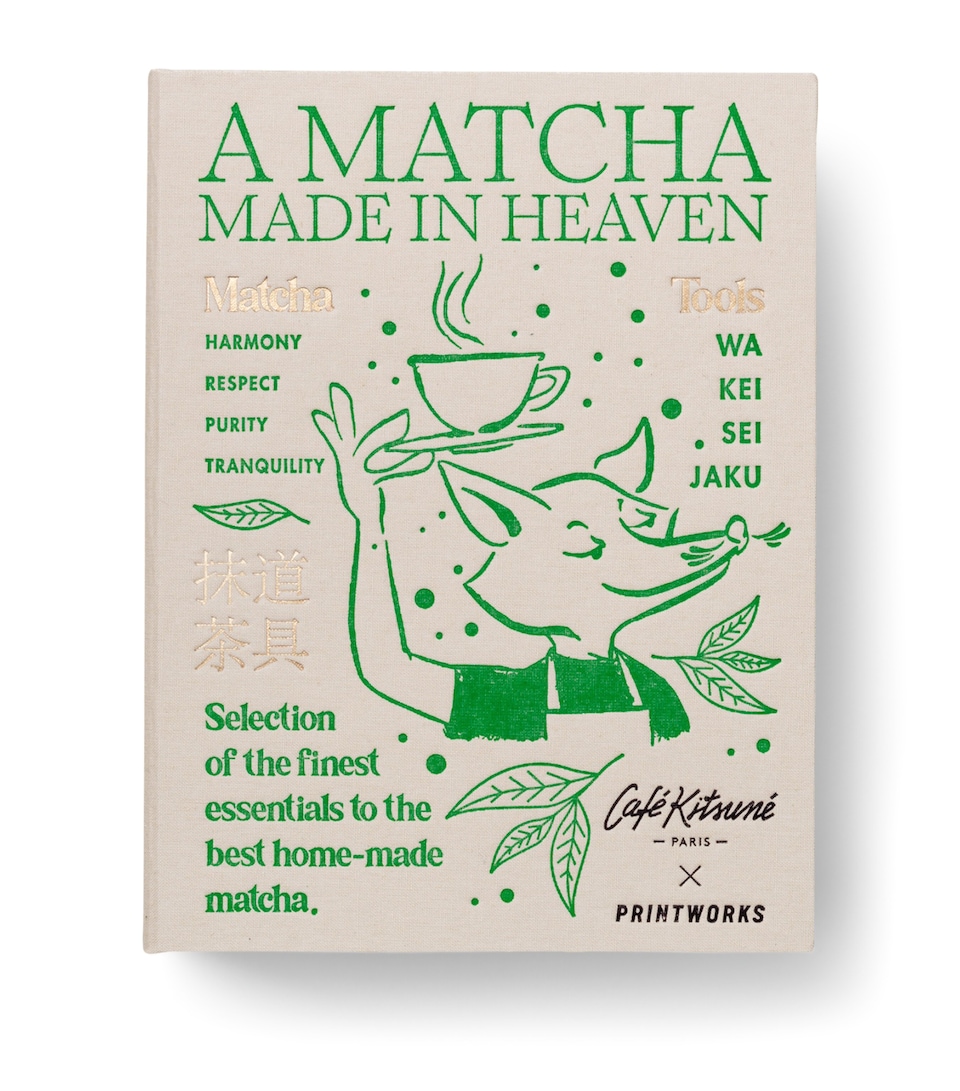
Everything you need to bring the art of matcha home, from ceremonial-grade blends to expertly crafted tea sets and accessories.

Related Stories

The Ultimate Coffee Guide: Coffee Explained from Bean to Brewing

The Harrods Guide to Tea and Biscuits Pairings

Harrods Stories

Bringing you a weekly dose of everything from chef recipes to dinner-party solutions