
H beauty Spotlight: Peptides Are the Messengers Worth Listening To
Words by Maya Prever
Peptides are having their moment this year, permeating every corner of the beauty world – and for good reason. Far from a passing trend, these short chains of amino acids are a core longevity ingredient to know and love, supporting skin and scalp health at a cellular level.
Their rise in popularity is closely tied to the boom in biohacking and results‑driven skincare. With WGSN identifying peptides as one of the leading forces behind the shift towards performance‑focused beauty as cited in its 2026/2026 report on tweakment-grade ingredients, we’re sharing everything you need to know about these unique communicators
Featured in This Story
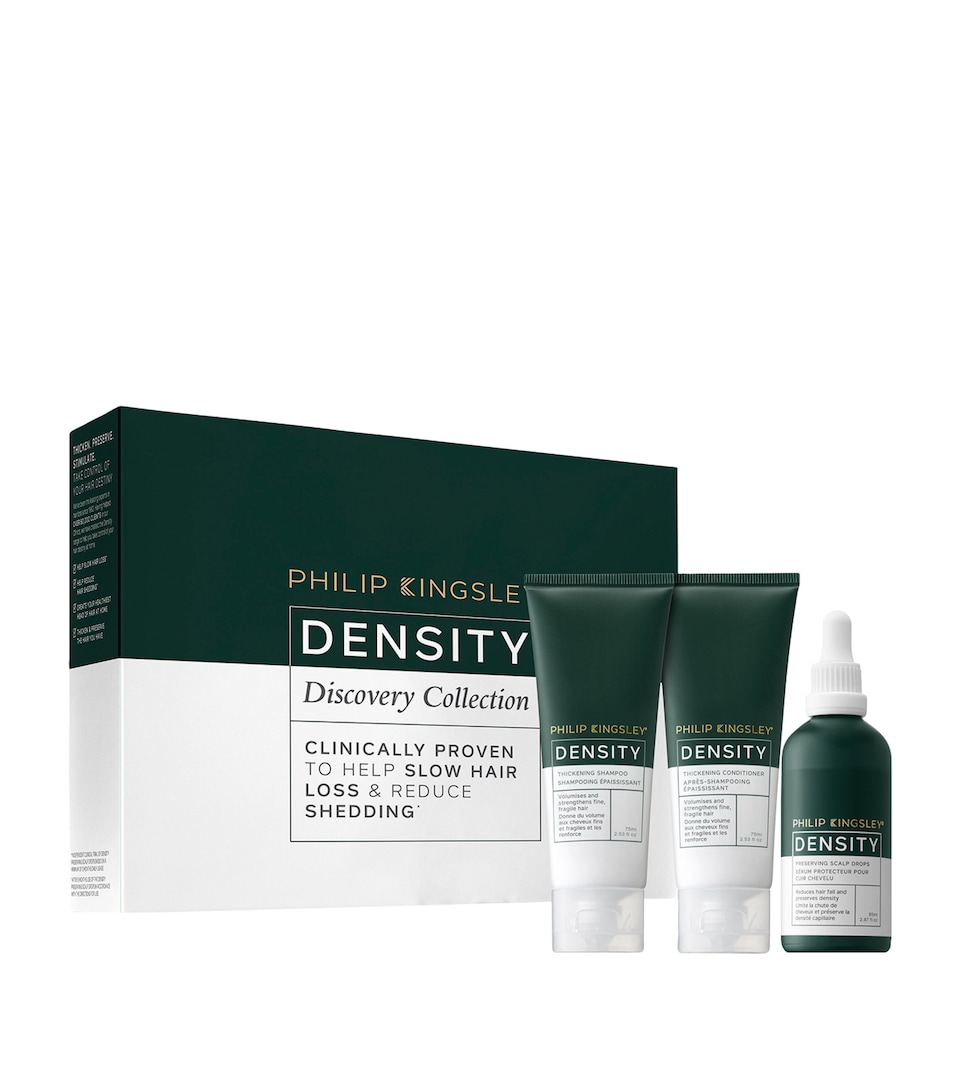
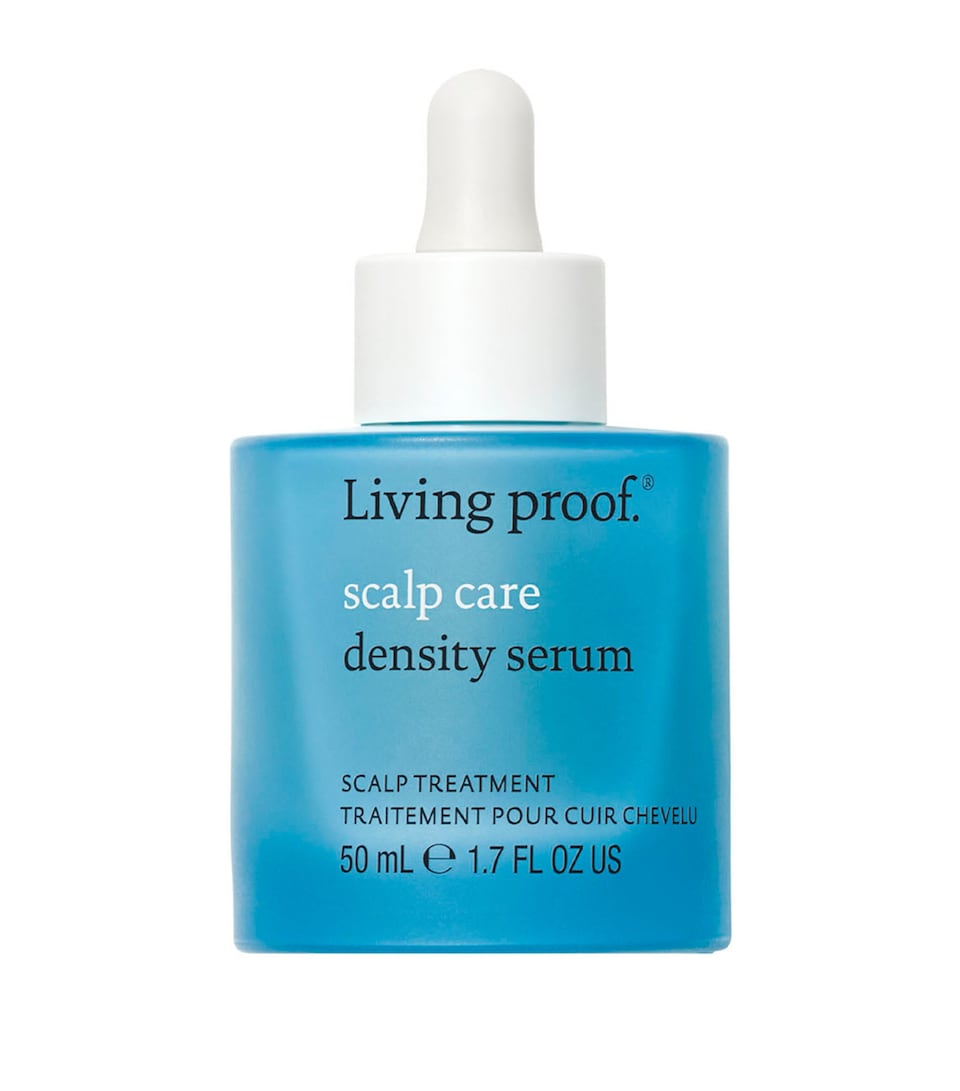
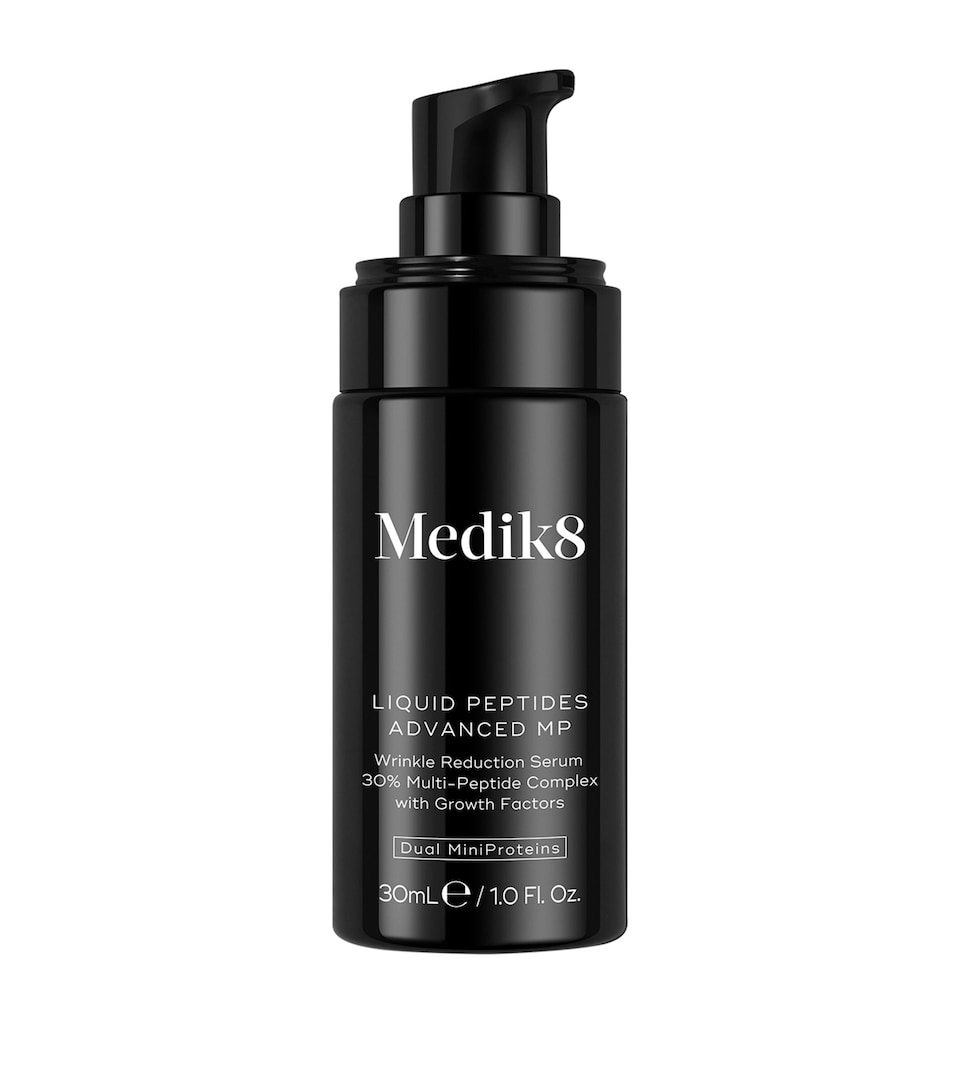
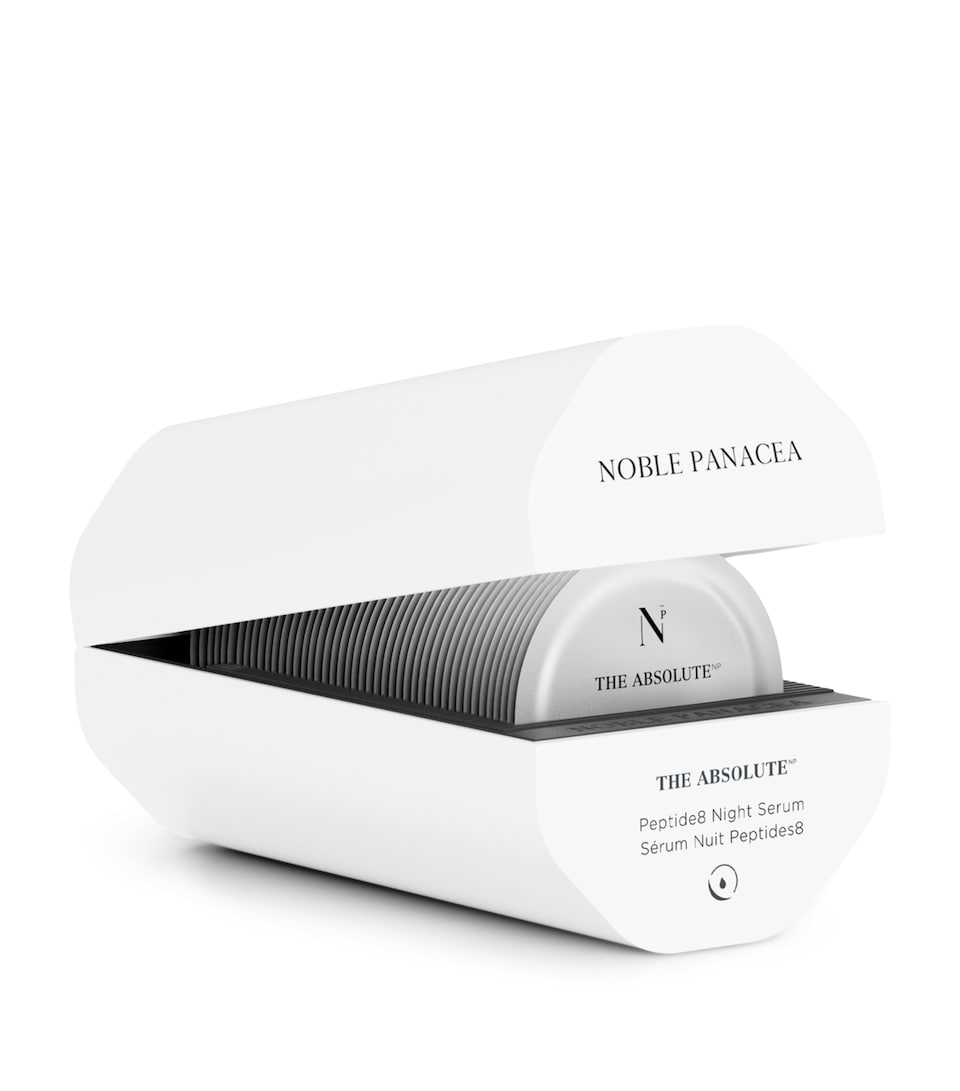
What Exactly are Peptides and What Do They Do for The Skin?
Peptides act as messengers, signalling the body to carry out a variety of functions. Many peptides are designed to mimic natural biological signals – from collagen‑boosting messages to skin‑soothing cues – allowing them to target specific concerns with precision. Because they work at a cellular level rather than on the skin’s surface, their results are gradual but deeply transformative.
“Peptides are often misunderstood because they work quietly. They do not exfoliate or create an immediate visible reaction, but instead communicate with the skin, encouraging it to strengthen, repair and function more efficiently over time,” says skin-focused doctor Dr Kemi Fabusiwa.
There’s no one‑size‑fits‑all approach to peptides. Each type delivers its own unique benefits, meaning the key to getting real results lies in choosing the peptide that’s truly aligned with your skin’s needs. As dermatology expert and cosmetic doctor Dr Sonia Khorana explains, “They’re very much a long-game ingredient. You won’t see an overnight glow, but with consistent use over eight to twelve weeks, peptides can improve firmness, texture and overall skin quality.”
What makes peptides especially compelling is their universal appeal. Dr Khorana continues, “Sensitive skin benefits because peptides help strengthen the barrier and reduce reactivity. Oily and acne-prone skin can use them too, since peptides are non-comedogenic and don’t increase oil production and mature skin benefits from their long-term support of firmness and elasticity.” Quietly powerful yet adaptable, peptides offer a personalised pathway to healthier, more resilient skin. If you’re looking to understand peptide types in more detail, keep scrolling, we’ve included a guide at the end.
Standout Peptides for the Skin
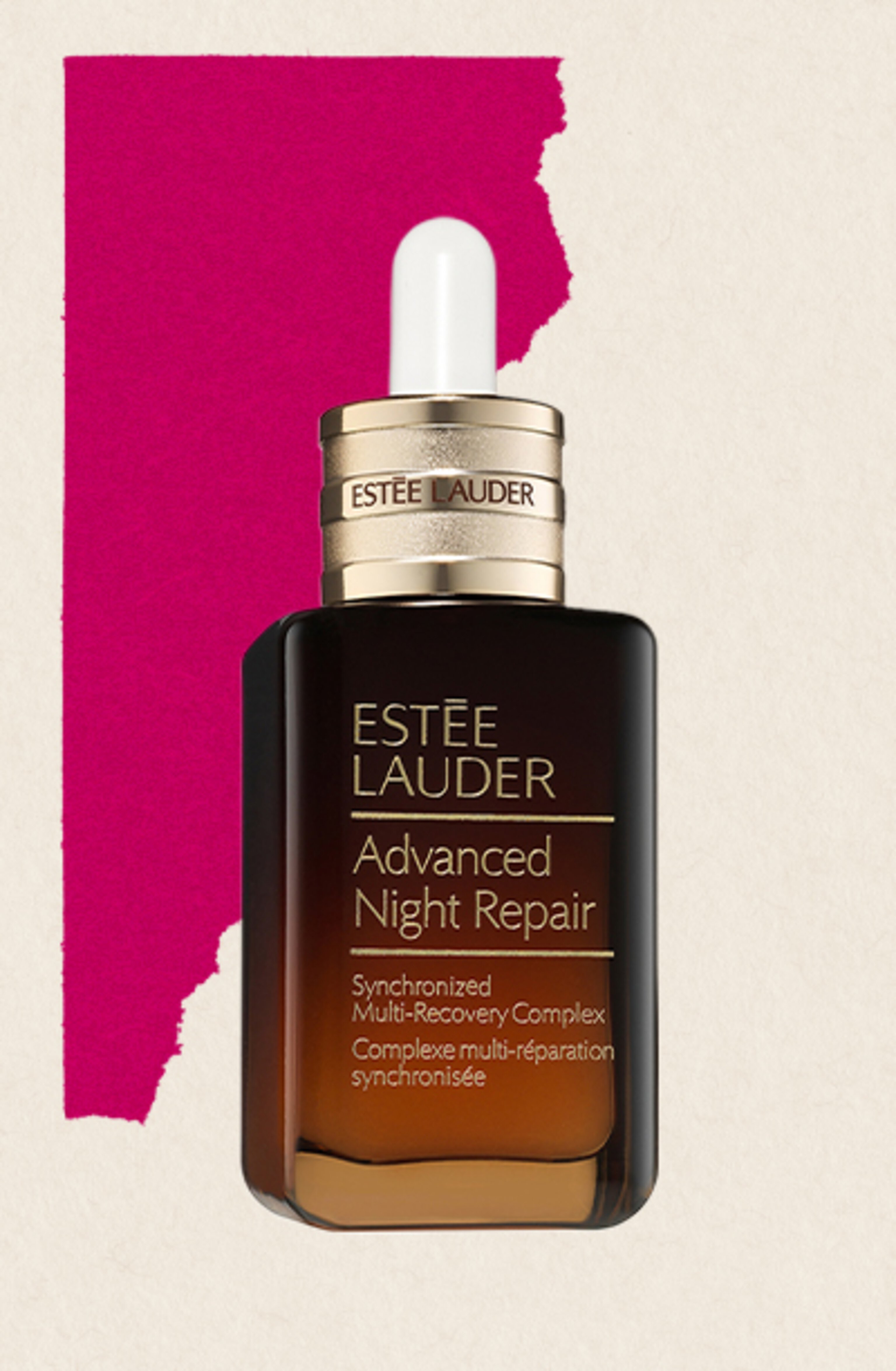
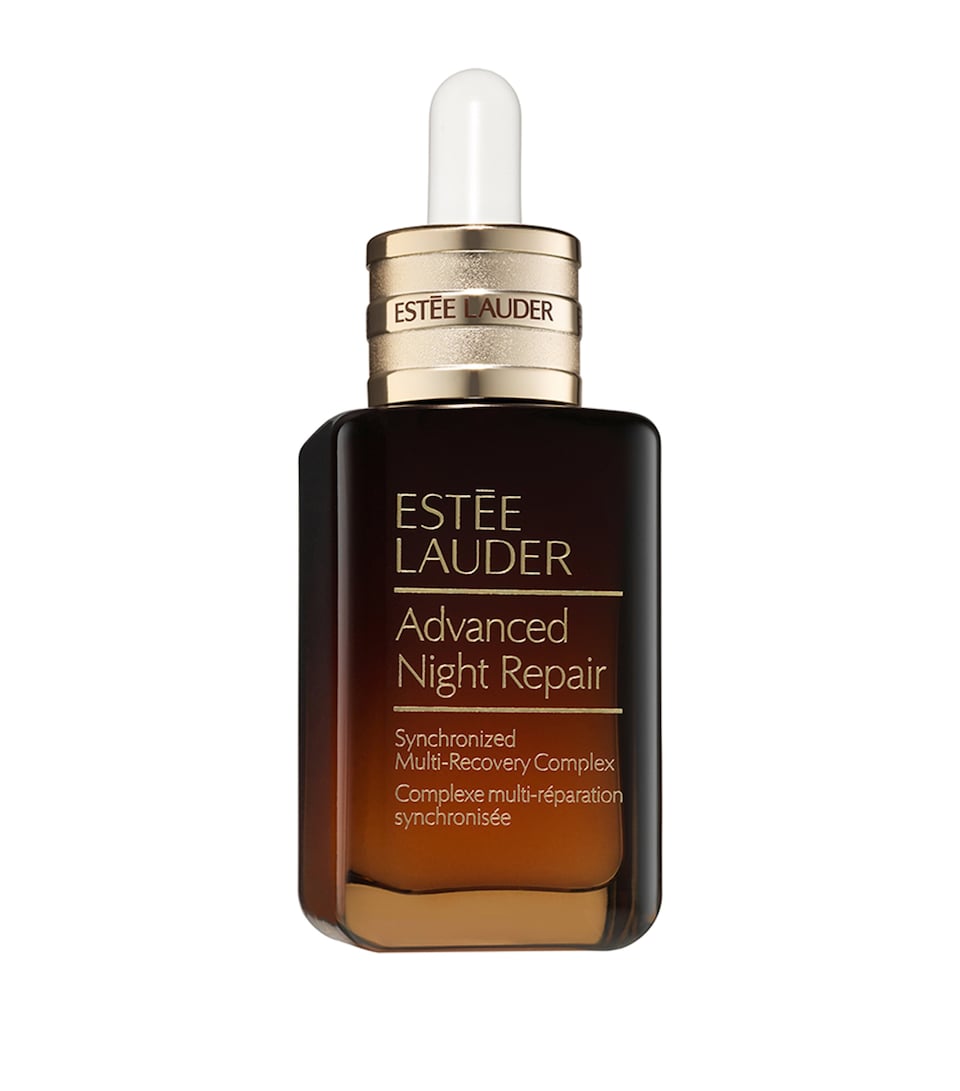
Estée Lauder Advanced Night Repair Synchronised Multi-Recovery Complex Serum
Shop Now
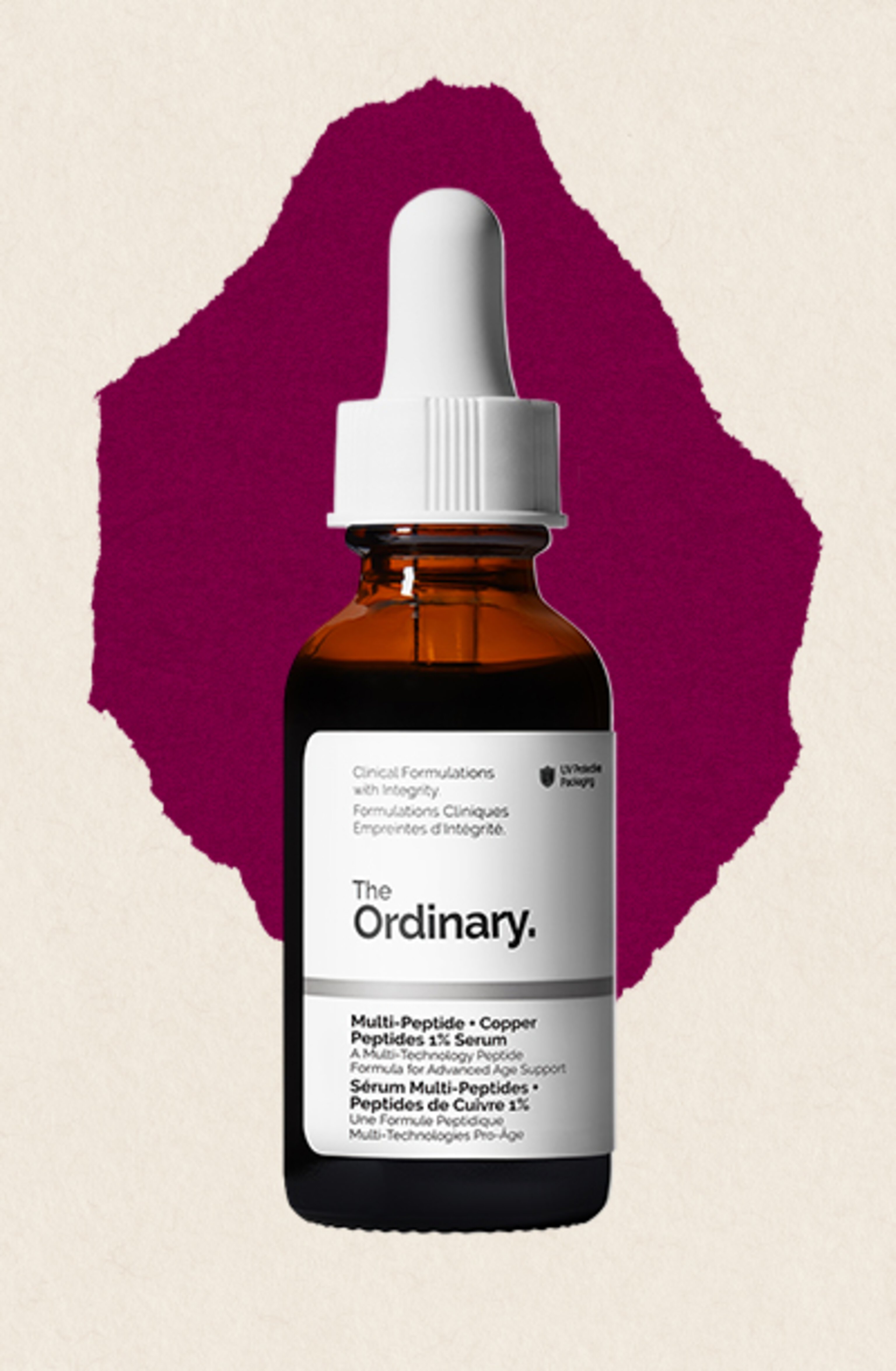
The Ordinary Multi-Peptide + Copper Peptides 1%
Shop Now
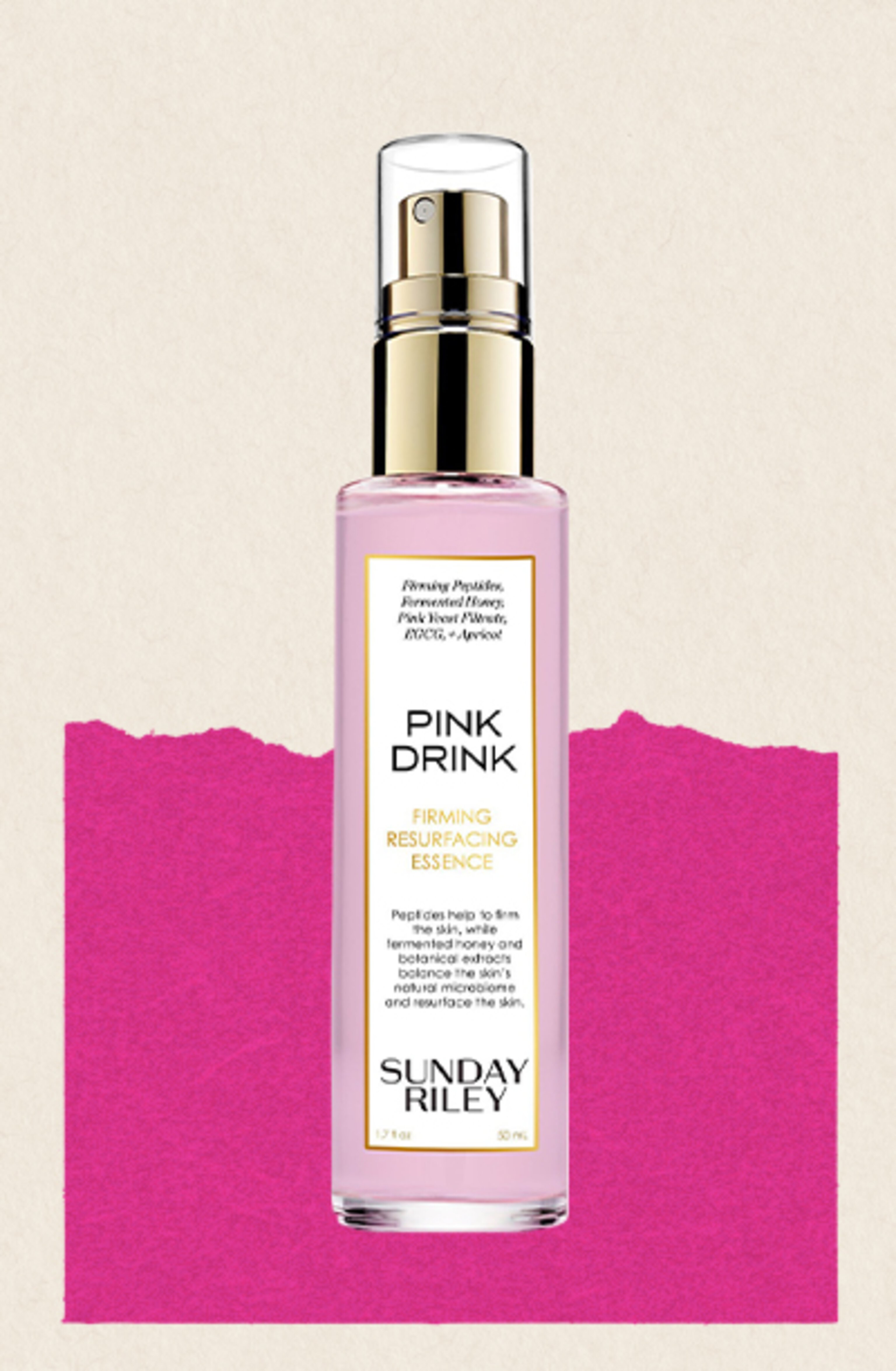
Sunday Riley Pink Drink Firming Resurfacing Essence
Shop Now
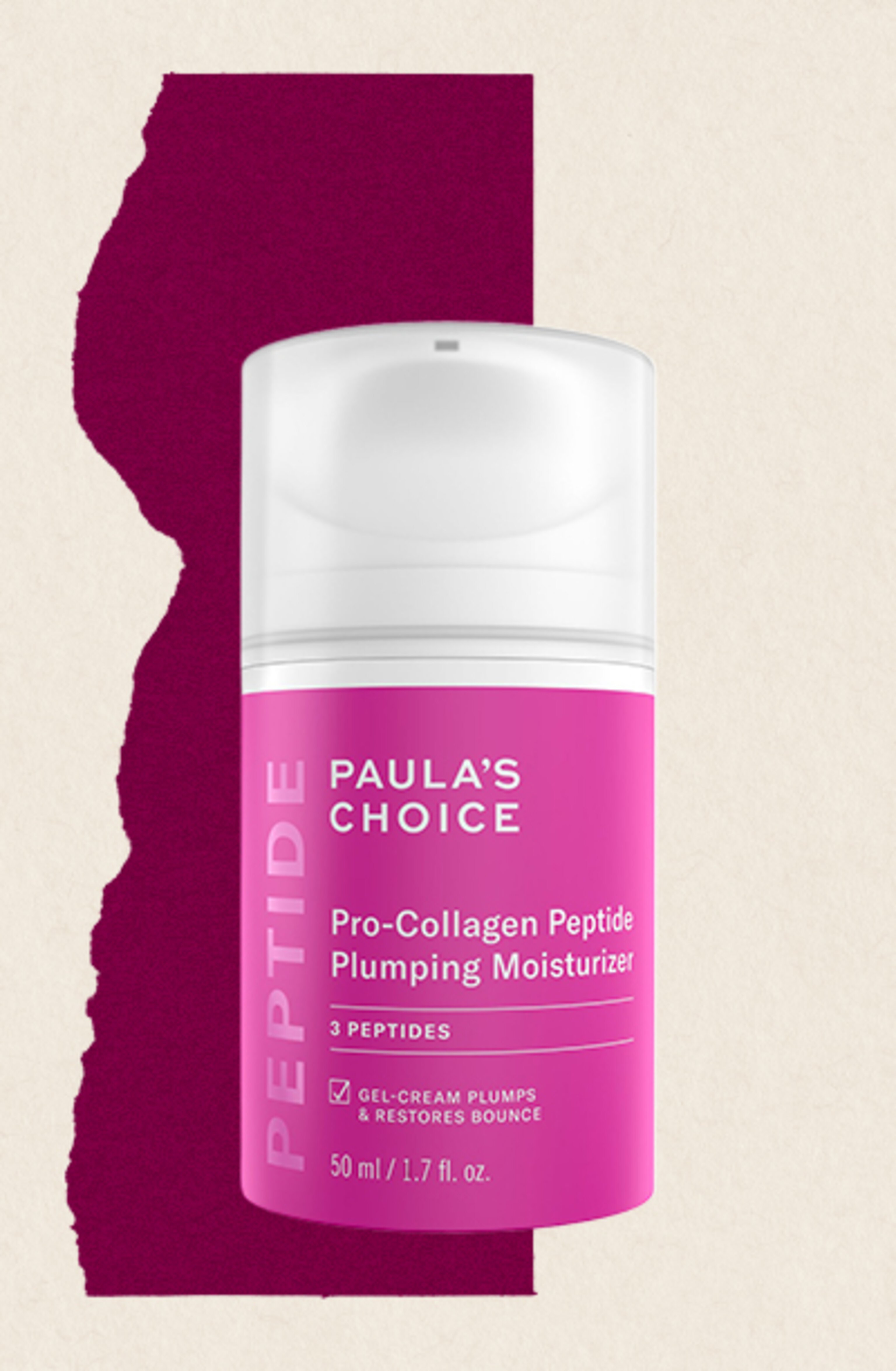
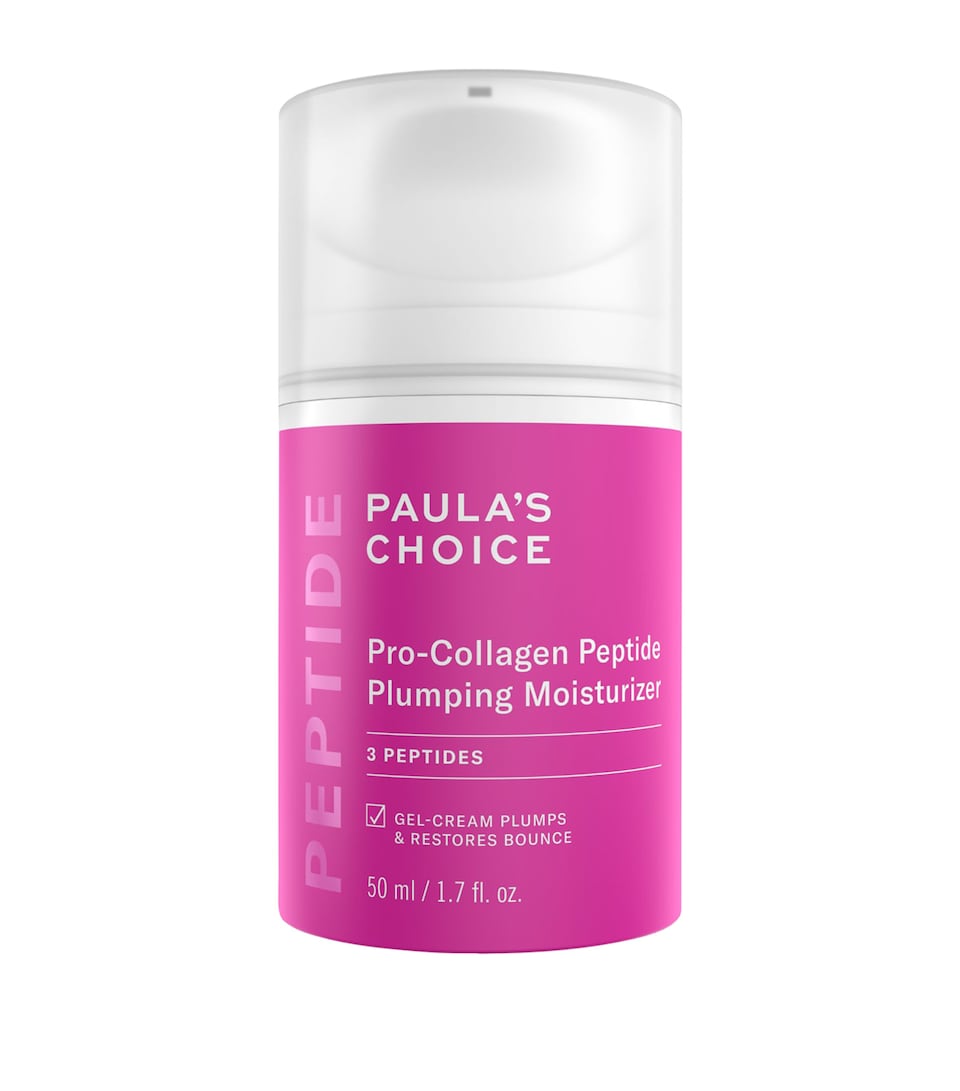
Paula’s Choice Pro-Collagen Peptide Plumping Moisturiser
Shop Now
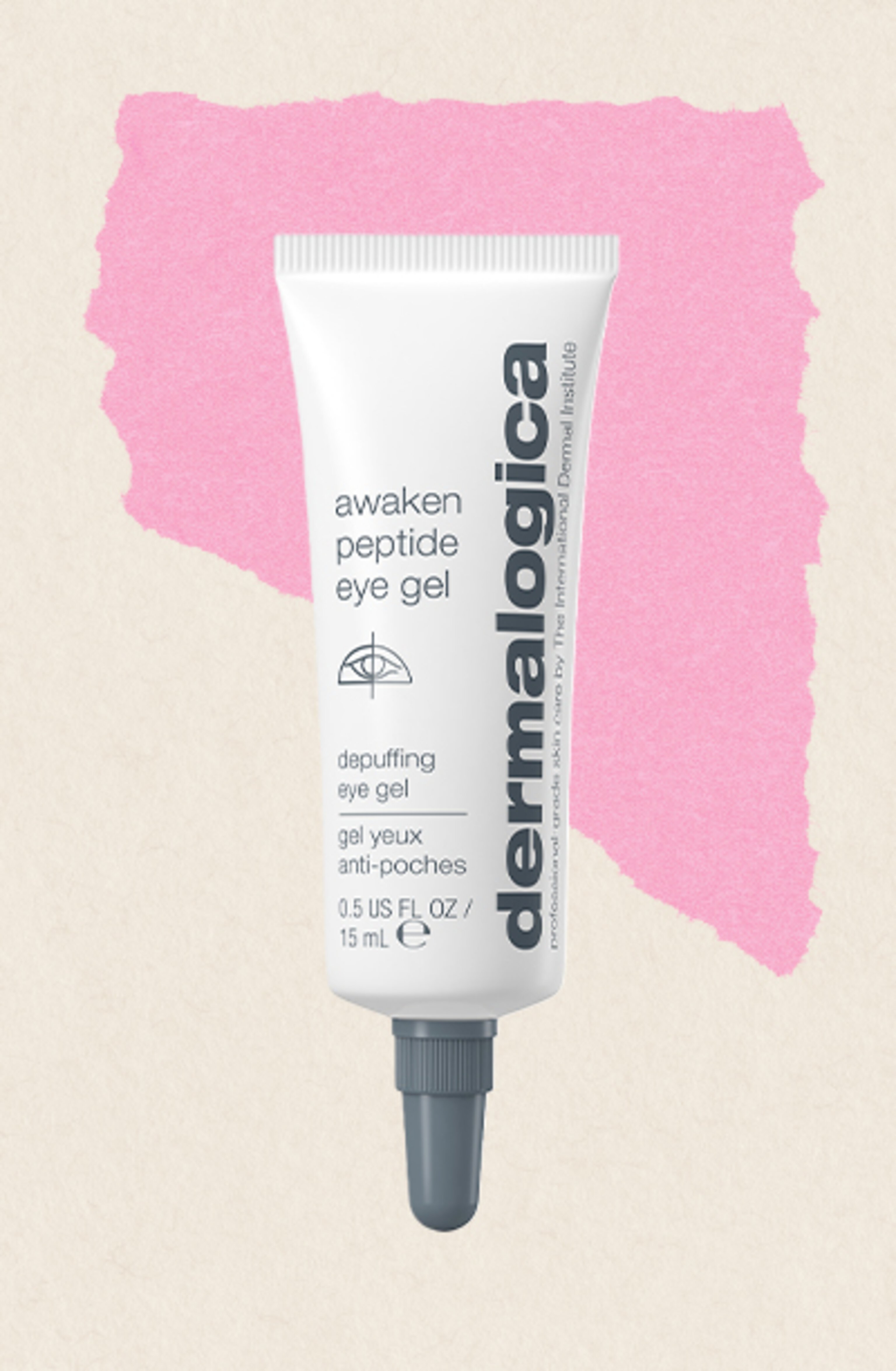
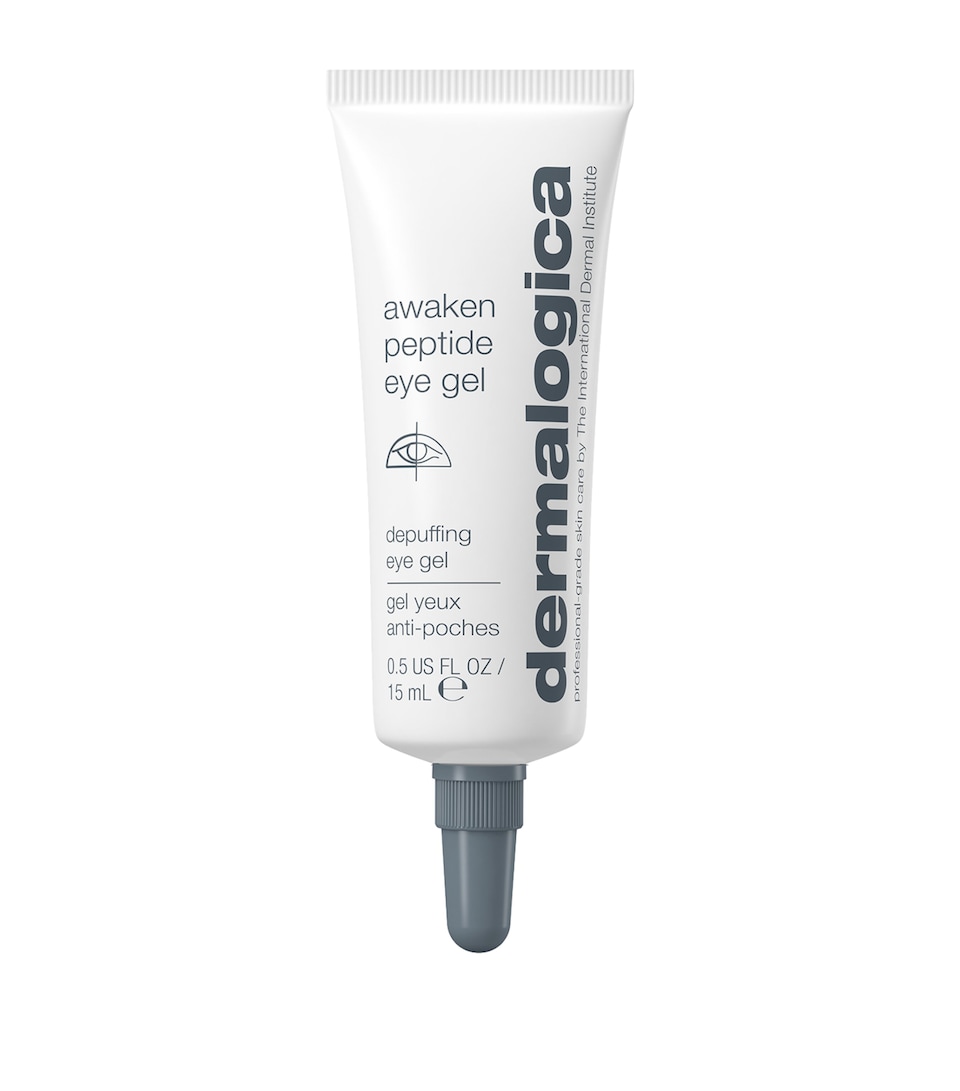
Dermalogica Awaken Peptide Eye Gel
Shop Now
How To Use Peptides
Whether you’re a seasoned skincare enthusiast or just beginning your routine, there are countless ways to seamlessly incorporate peptides into your line-up. “Peptides pair beautifully with retinoids at night,” says Dr Anjali Mahto, consultant dermatologist. “The retinoid speeds up cell turnover while the peptide supports structural repair.”
For beginners, Dr Mahto recommends starting with a ‘buffet‑style’ serum that combines multiple peptide technologies in one product. “You don’t need to overthink the chemistry; look for established names on the ingredient list, like Matrixyl 3000 or Copper Tripeptide‑1.”
To get the most from your peptide products, placement in your routine is key. Peptides work best when applied after cleansing and hydrating serums but before moisturiser and SPF, ensuring they’re in direct contact with the skin. Dr Doireann O’Leary – GP with a special interest in dermatology – adds that “peptides are water‑soluble, so they’re best applied to moisturised, hydrated skin”, making them ideal to layer.
Most peptides can be used morning or night, but many dermatologists favour evening use, when the skin naturally focuses on repair and renewal. What makes them especially user‑friendly is their compatibility: peptides pair well with hydrating and barrier-supporting ingredients such as hyaluronic acid, ceramides and niacinamide, and they play nicely alongside retinoids.
There’s one universal rule: peptides should always be used in leave‑on formulas. Cleansers simply don’t give them enough time to ‘deliver their message’. And while peptides are an excellent addition to any routine, Dr O’Leary emphasises that they’re the “cherry on top” – best layered once you have the foundational pillars of skincare in place: vitamin C, retinoids and, of course, SPF.
Peptides in Haircare
Driven by the ongoing ‘skinification’ of hair and a rising focus on longevity, resilience and overall hair wellness, peptides have become standout actives for both strand repair and scalp health. Working in harmony with ceramides and keratins, these intelligent molecules help rebuild the hair’s internal structure, reinforce weakened fibres and minimise breakage. The result? Stronger, smoother, more resilient hair that behaves, and looks, noticeably healthier.
If you’re curious about how peptides achieve this, Anabel Kingsley, lead trichologist and brand president at Philip Kingsley, describes them as “bridges” within the hair fibre, functioning as bond builders that strengthen from within. With consistent use, she explains, they can also “help reduce signs of irritation, stimulate growth and improve hydration by helping the scalp retain moisture”.
While peptides can be universally effective, some hair types see especially dramatic results. As Harrods’ resident trichologist Ricardo Vila Nova says, “fine hair prone to breakage, hair that lacks growth or density, and hair with a tendency toward split ends” often responds quickest to peptide-rich routines. He adds that peptides are “suitable for all hair textures when combined with proper hydration agents”, with textured hair benefiting most from the trio of moisture, elasticity and protein bonding – translating to strands that feel flexible and less fragile.
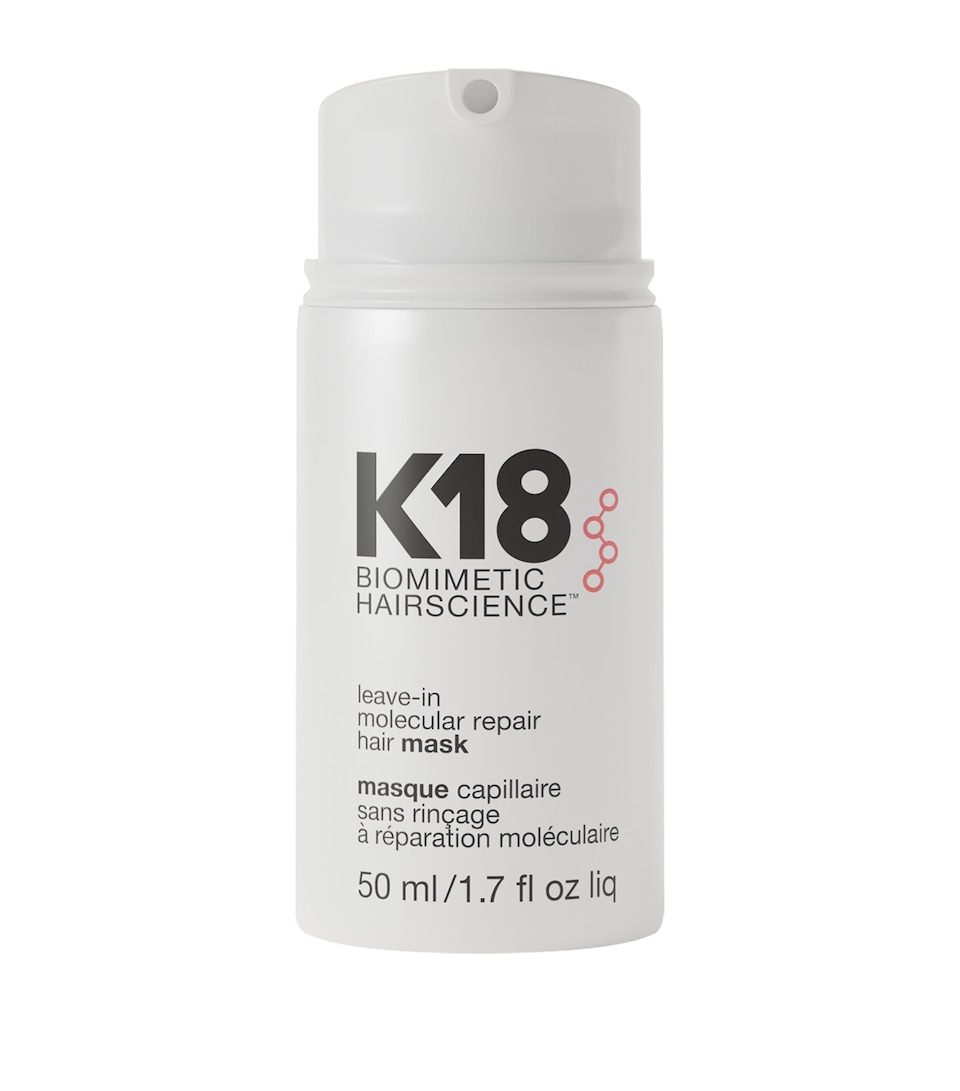
When it comes to application, technique matters just as much as the formula. Tom Smith, global ambassador for K18, says the “most underrated trick is always applying them to very clean hair”. Any build‑up can stop peptides from reaching the areas that need repair most. His advice? Start with a detox shampoo, then apply your peptide treatment to gently towel‑dried hair so it can work deep within.
The Peptide Guide
Signal peptides gently cue the skin to firm, smooth, and renew itself from within. A standout example is Matrixyl 3000, which supports collagen and elastin production for a lifted, more youthful appearance.
Carrier peptides, such as copper peptides, act as delivery vehicles for essential elements to our skin cells. They are ideal for healing, skin regeneration and strengthening the skin barrier.
These are your ‘preservation peptides’: they work by inhibiting the enzymes that break down collagen, elastin and other structural proteins in the skin, making them an essential choice for any preventative routine.
These peptides are famously referred to as ‘Botox-in-a-bottle’. While they don’t replicate the paralysis of Botox, they do block muscle contractions, preventing the formation of expression lines and promoting a smoother appearance.
Discover More Peptide Must-Haves

Related Stories
10 Must-have Products from H beauty
The Best Beauty Staples for Promoting Skin Longevity
