What to Wear to a Wedding: The Harrods Guide to Wedding Guest Dress Codes

Words by Sophia Miller and Eleanor Hibberd

23rd October 2026


Wedding dress codes are one of the great ambiguities of life – especially in the colder months. What should you wear to a black-tie ’do? Do you have to wear a hat? And what are the best wedding guest dresses for chilly winter days? We’re here to help. Learning the subtle nuances that define each occasion – from frosty English countryside to see-and-be-seen city receptions – is a good place to start your outfit planning as the invitations stack up.

What to Wear to a Black-Tie Wedding

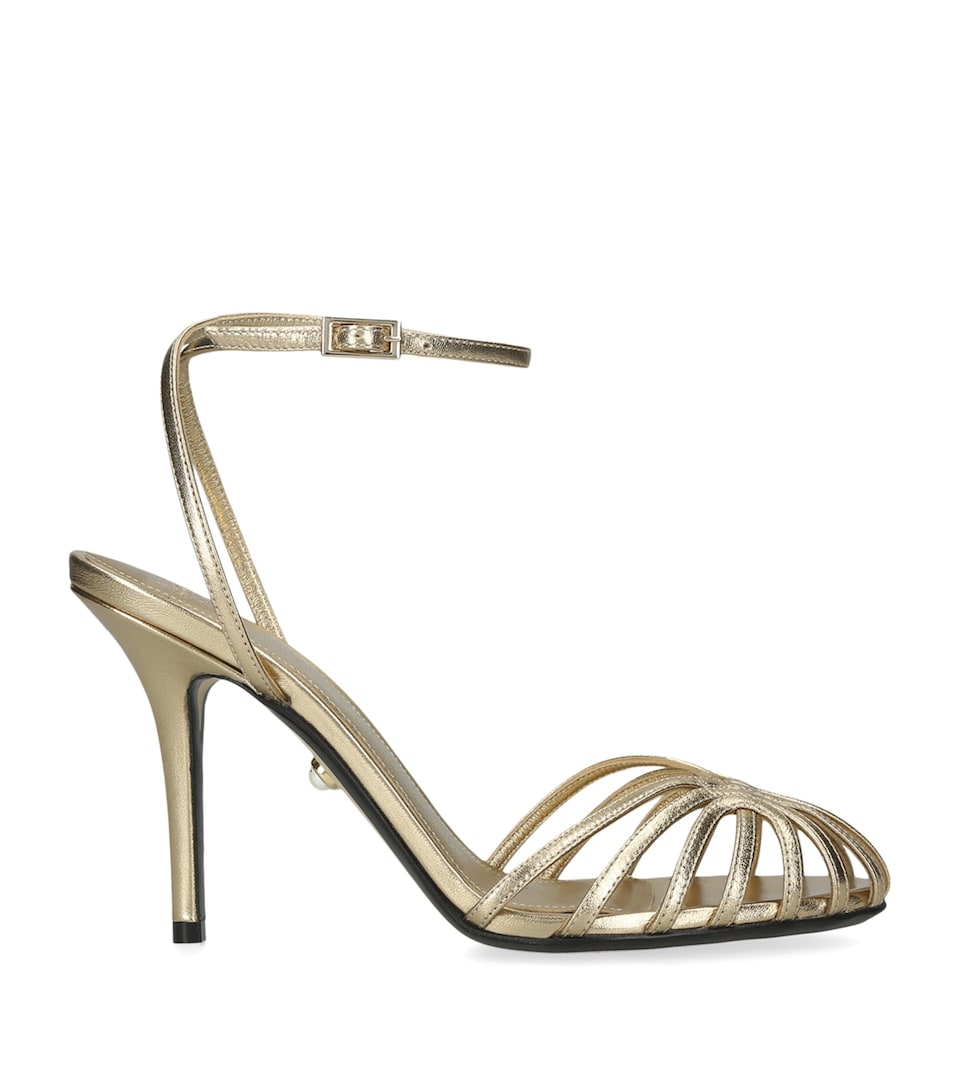
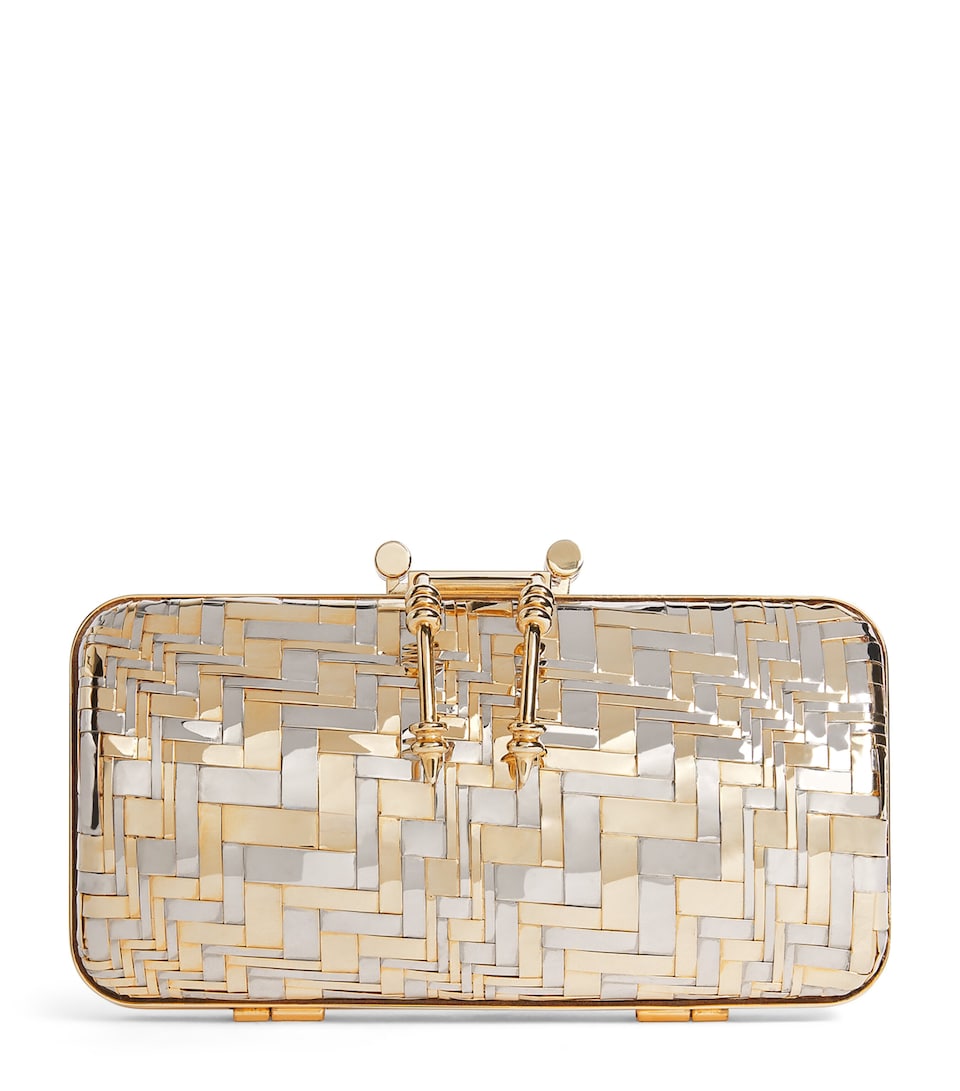
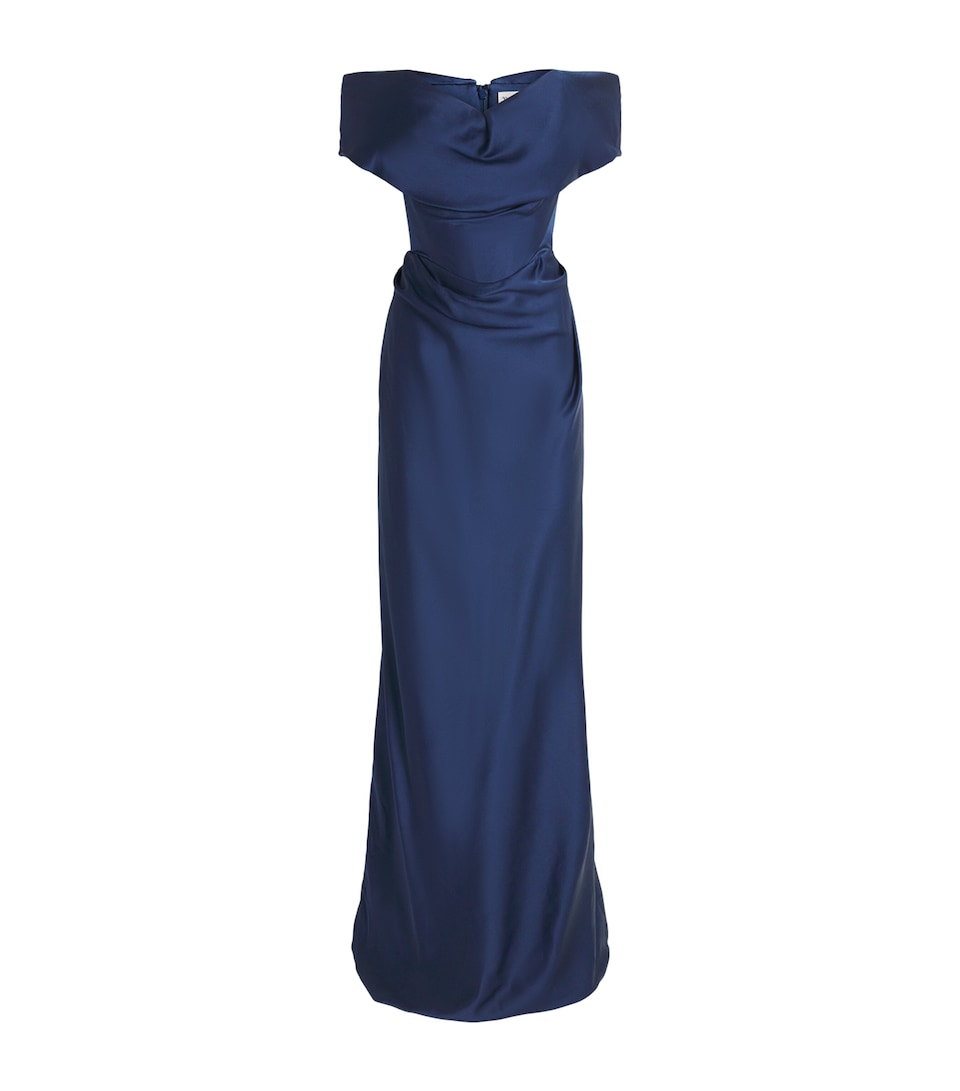
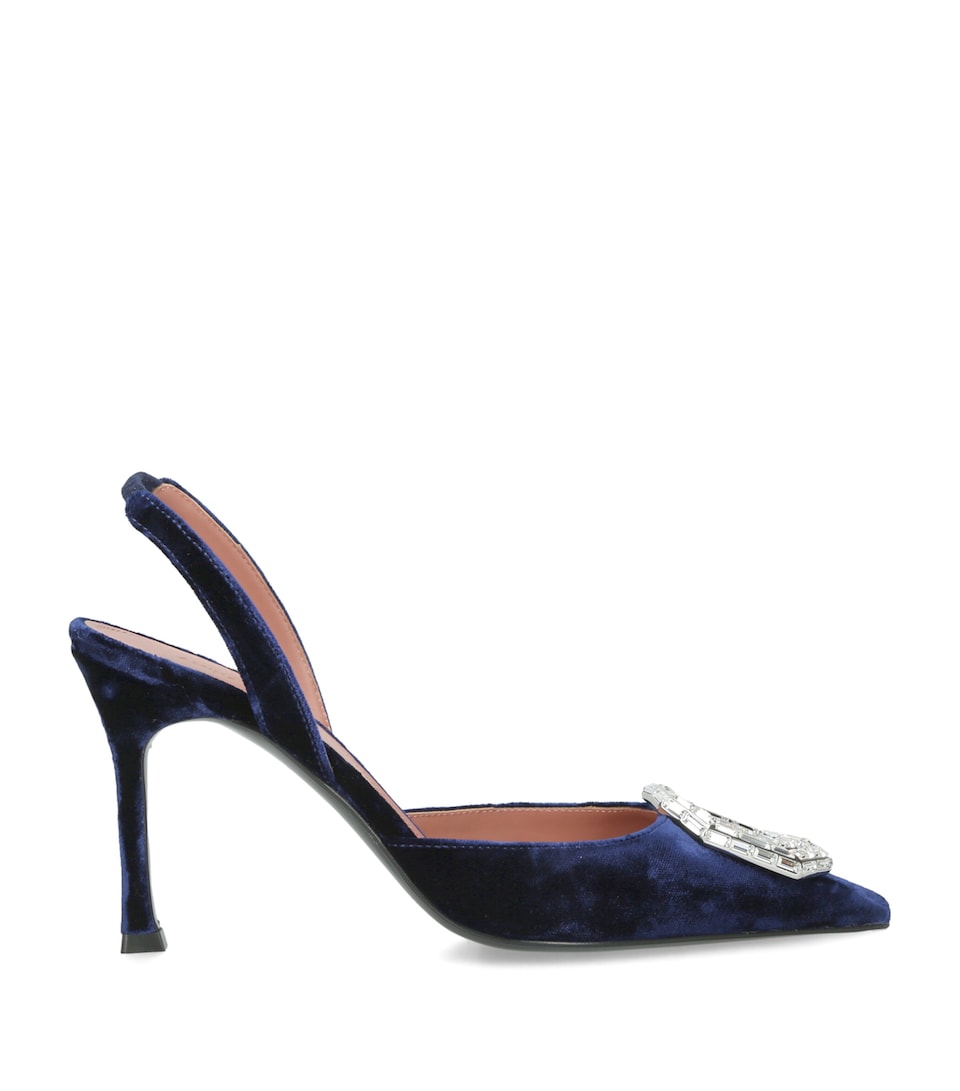
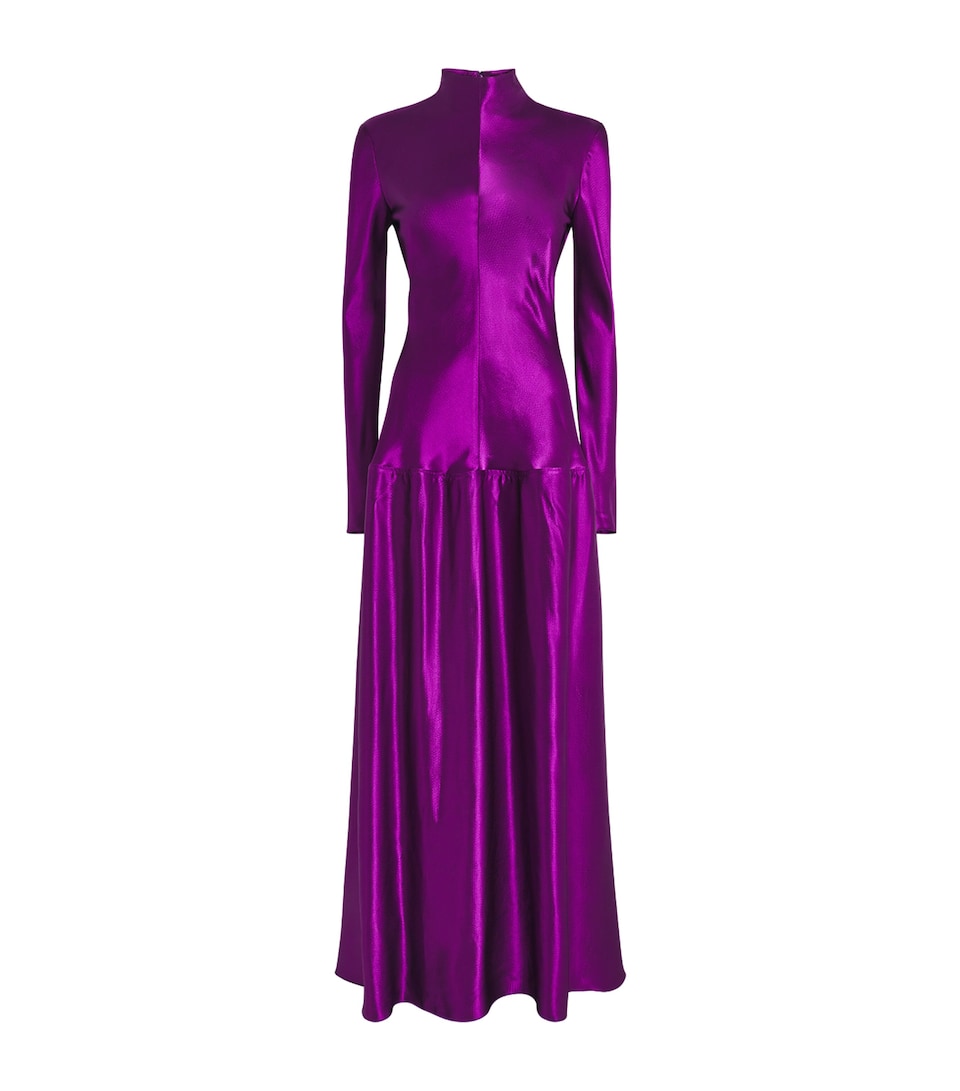
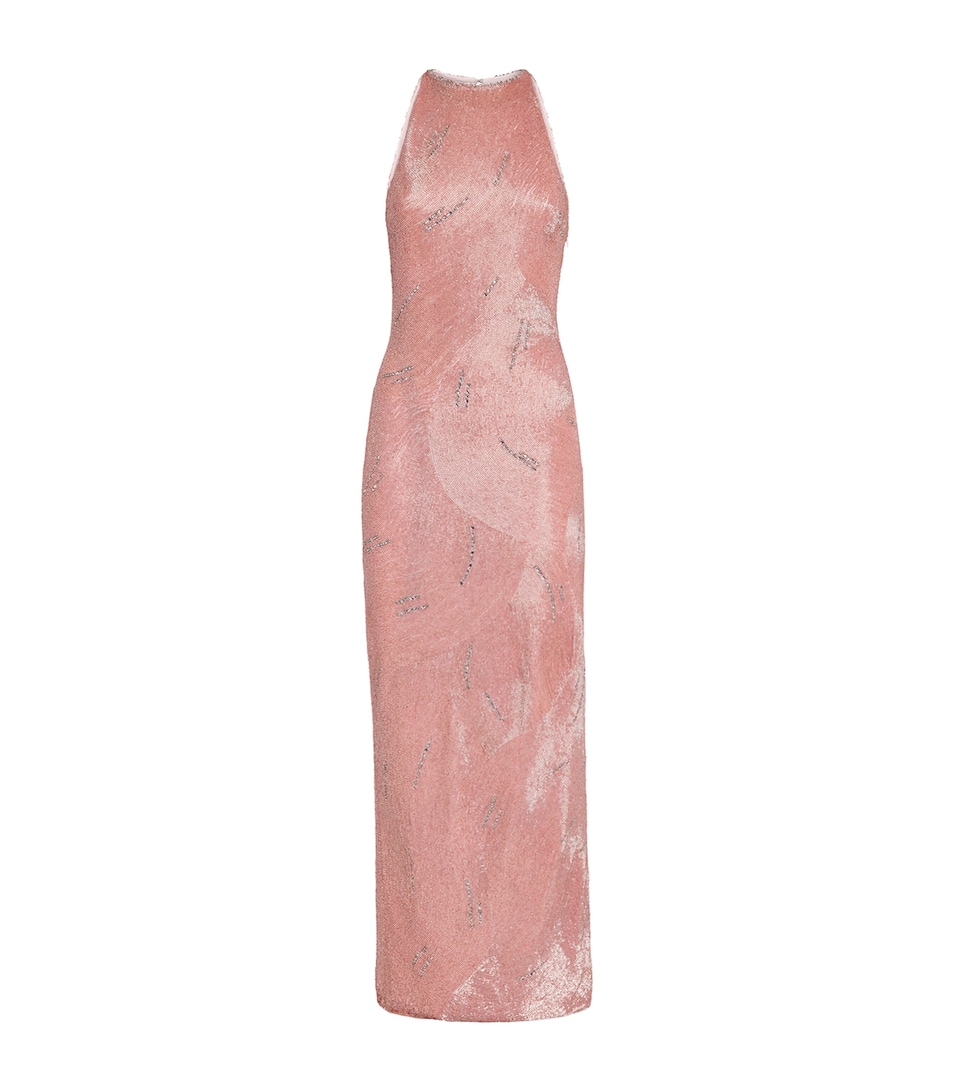
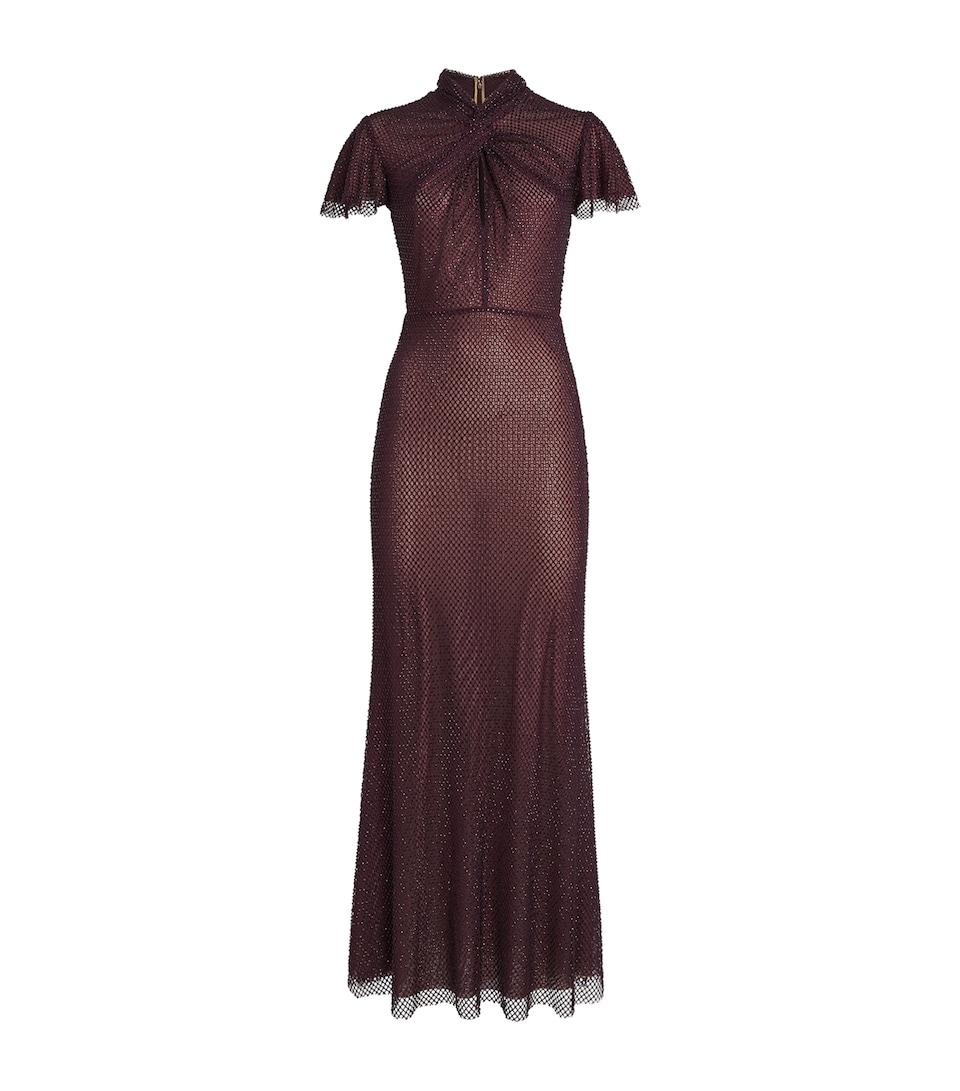
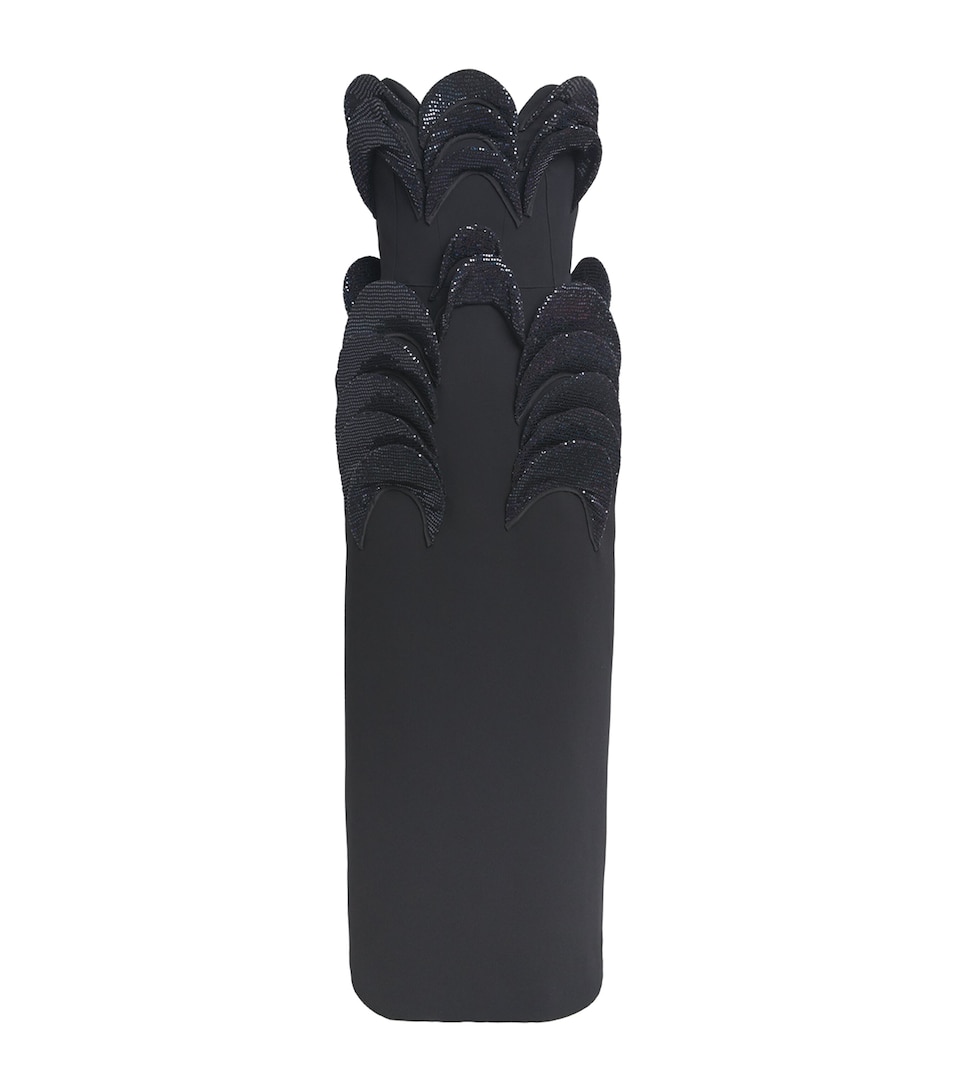
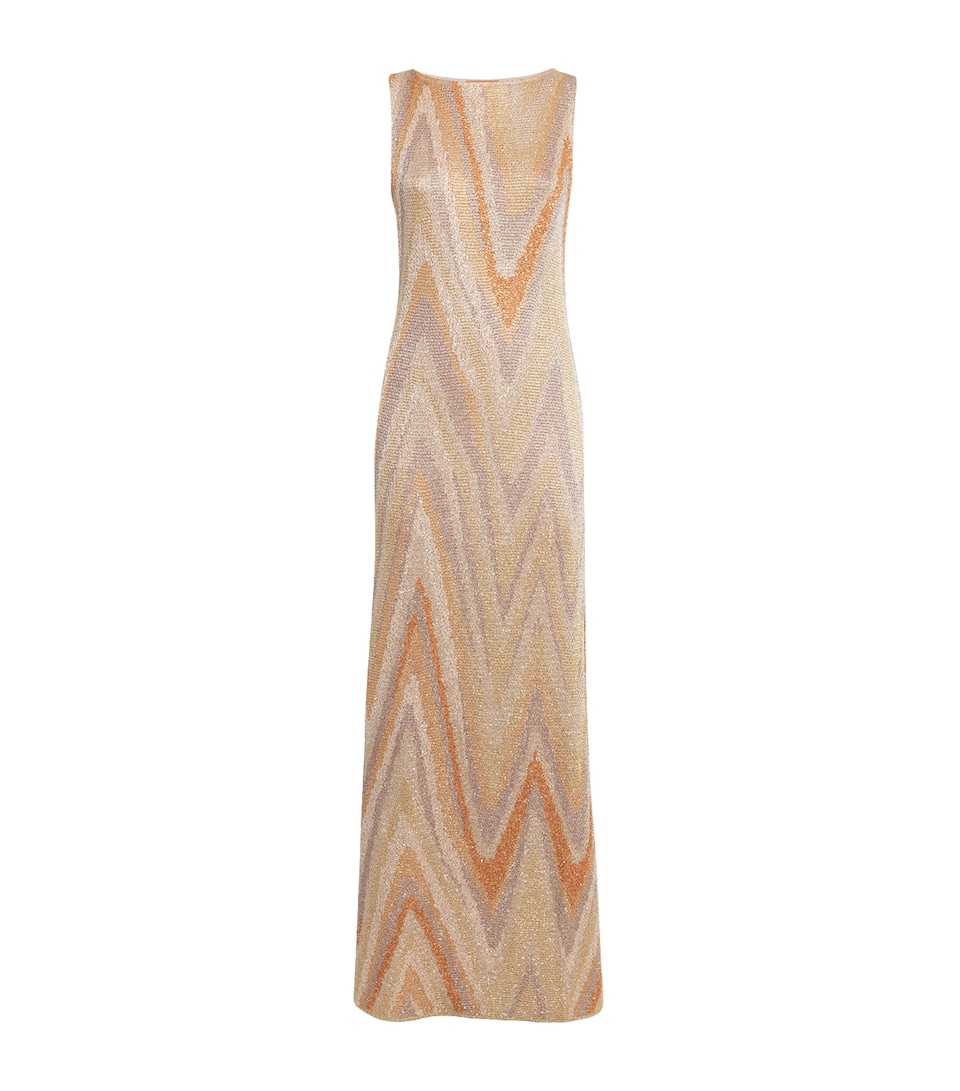
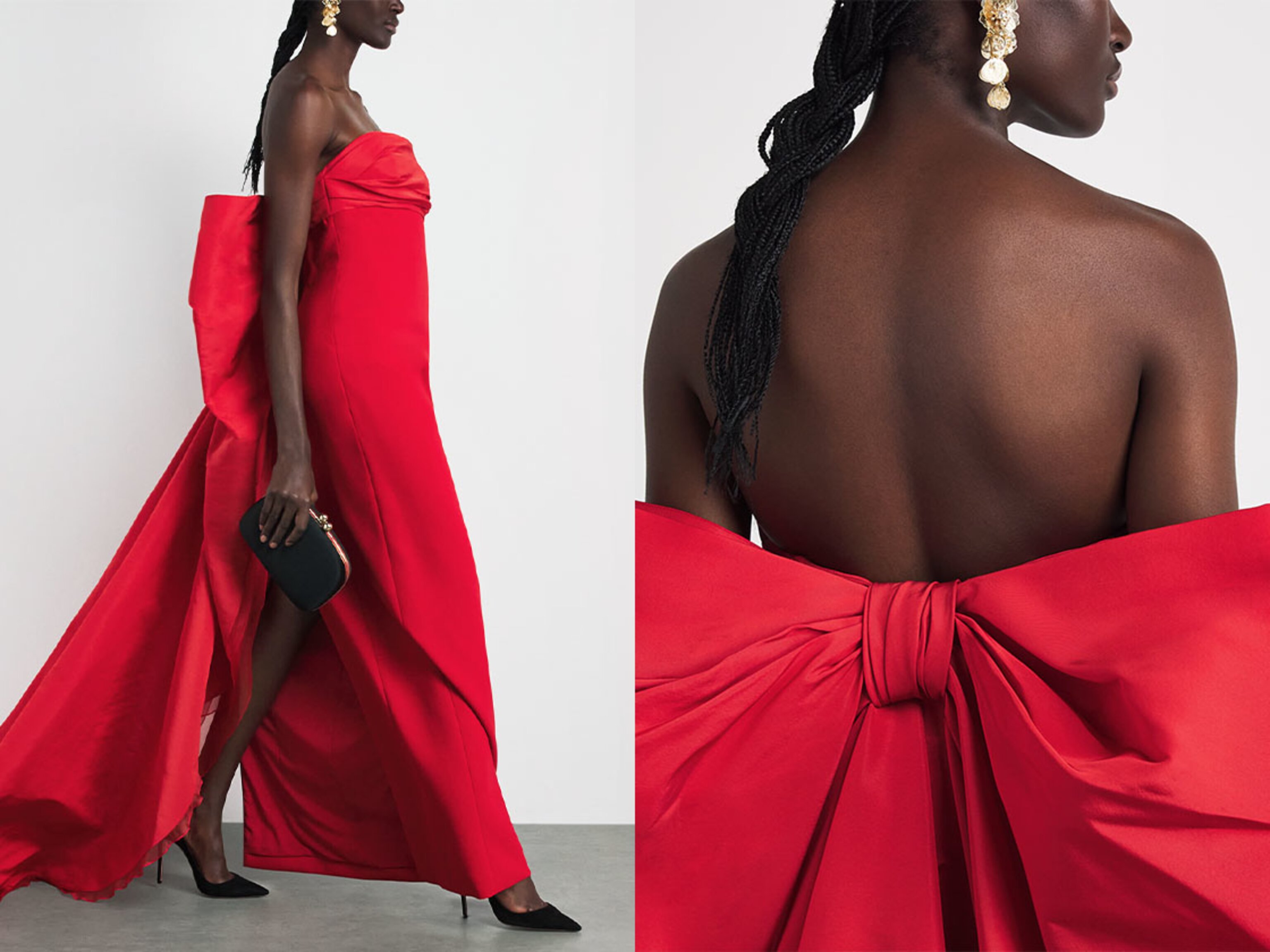
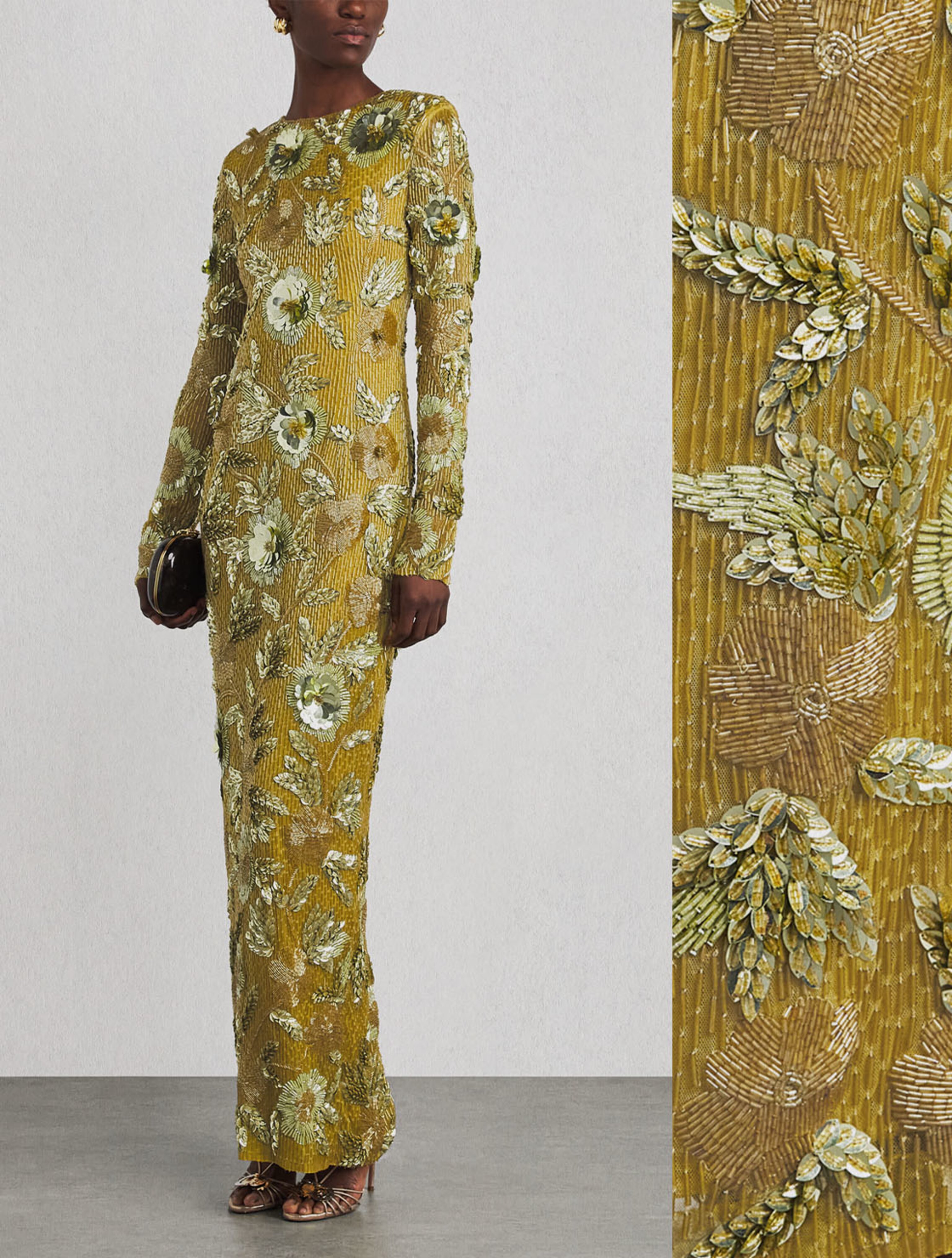
The black-tie dress code is reserved for the most elegant occasions in the social calendar, particularly during winter’s party season – but what does it actually mean? In short, it calls for women to wear a long (often floor-length) dress or gown in an evening-appropriate material; think your most special finery. For winter, that’s often a silky velvet, a duchess satin or lots of embellishment. If your invite says ‘black-tie optional’, a slightly shorter ankle-length or cocktail dress may work. Anything above the calf will steer you into too-casual territory. If you really want to play it safe, it’s a good idea to avoid gowns with too much of a train or cape detail, so you don’t run the risk of upstaging or competing with the bride. But remember, you can always check with your host if unsure.
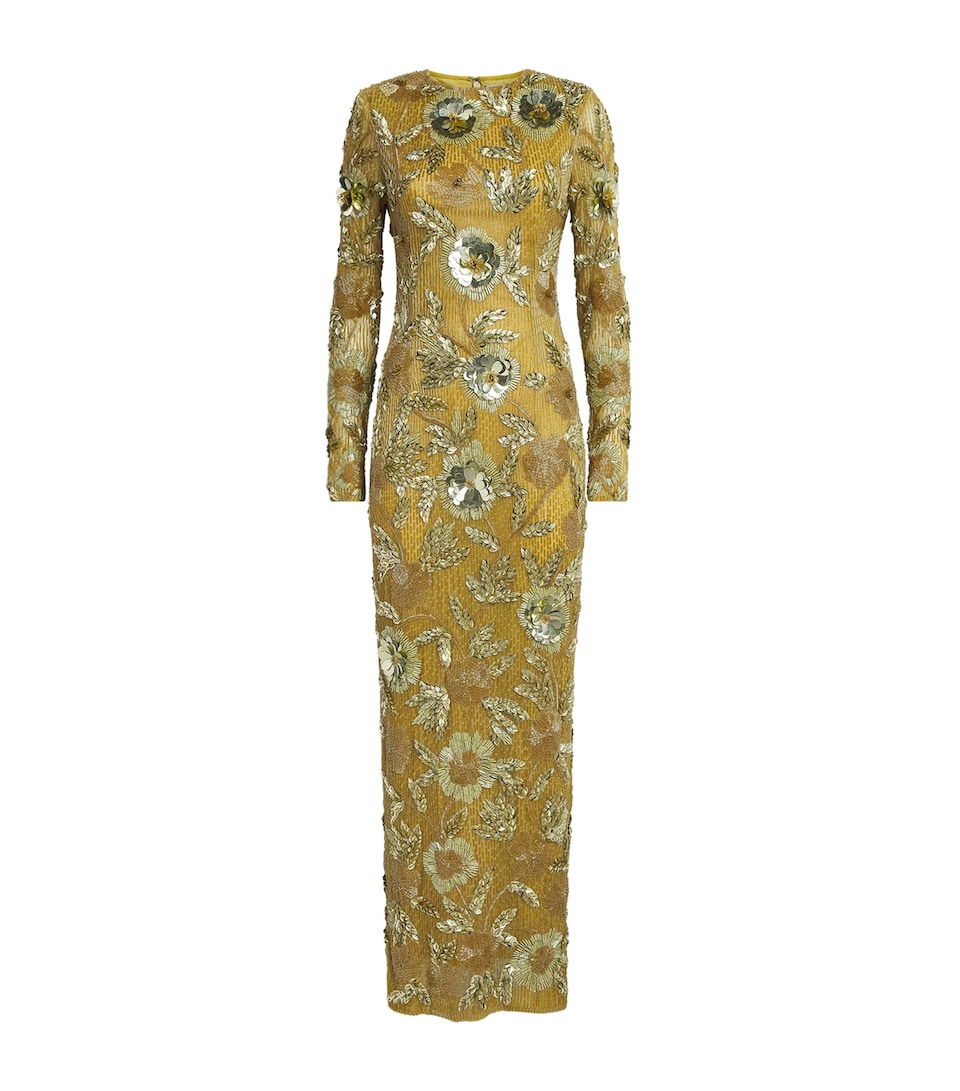
Shop Gowns

What to Wear to a Wedding with a Cocktail Dress Code

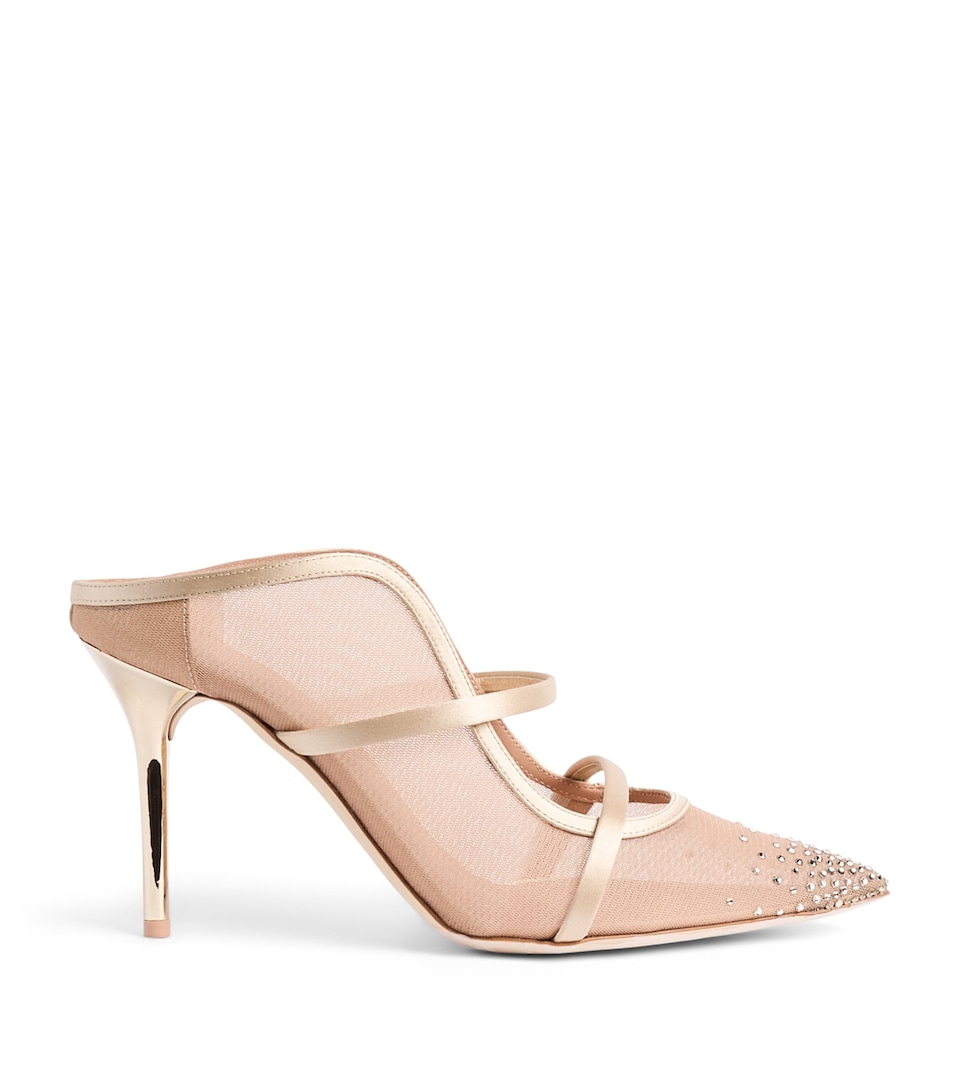
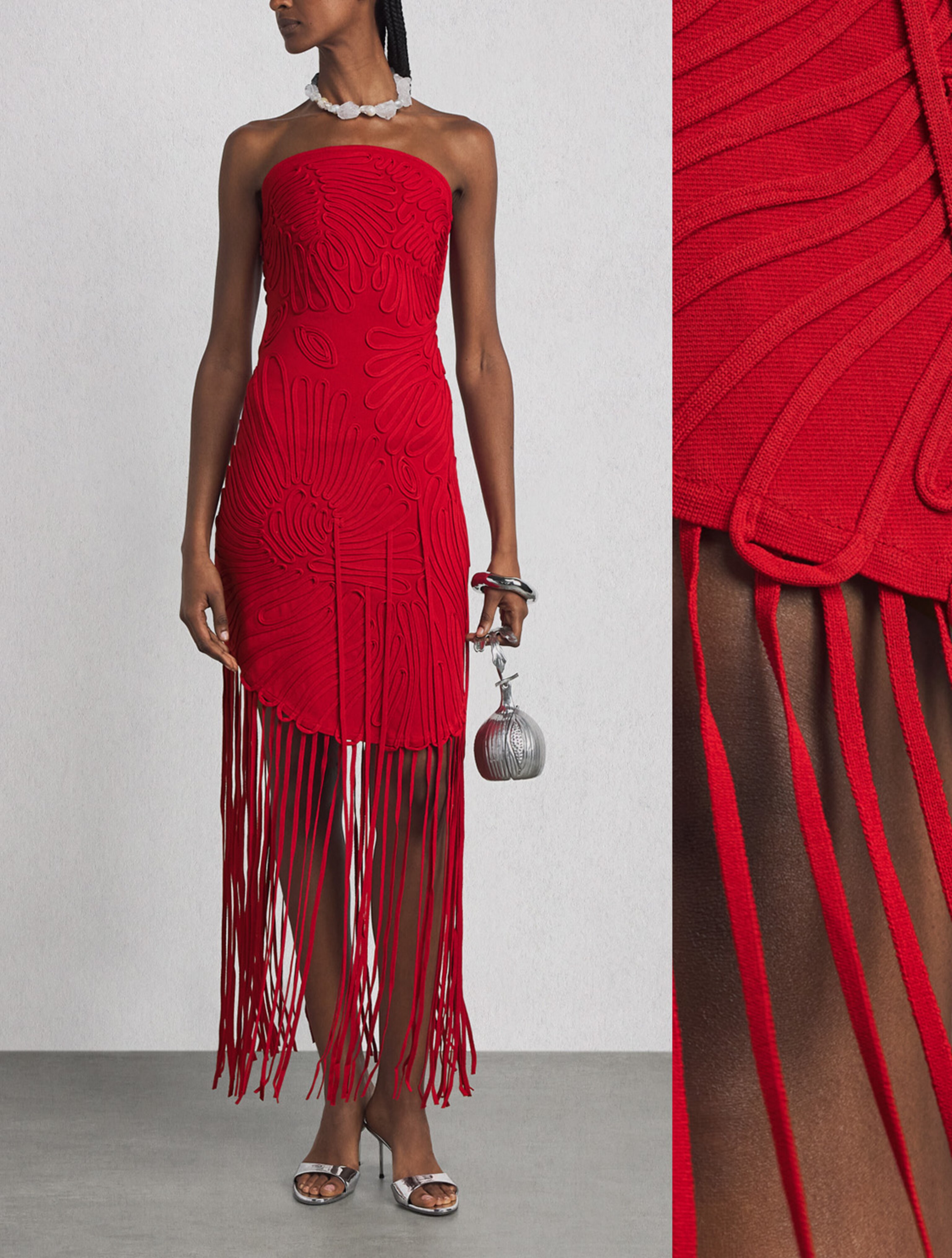
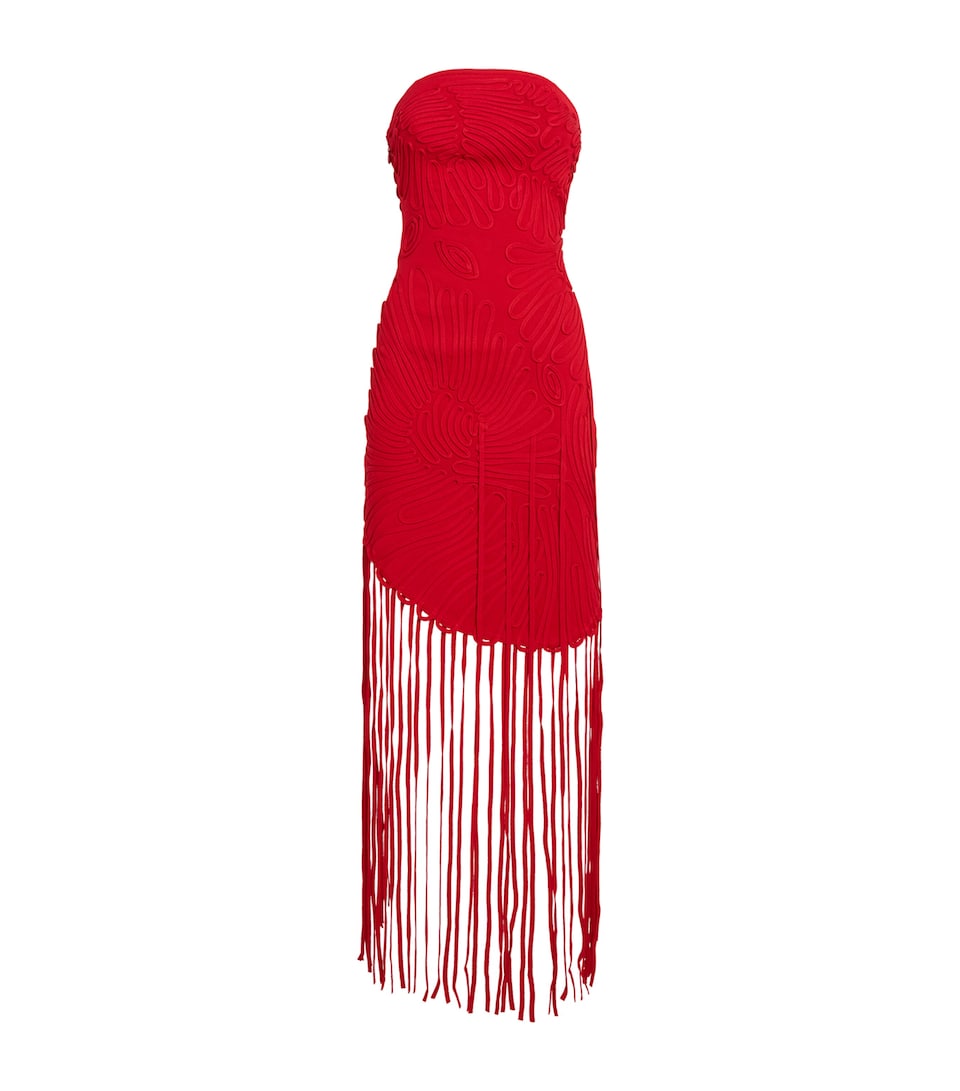
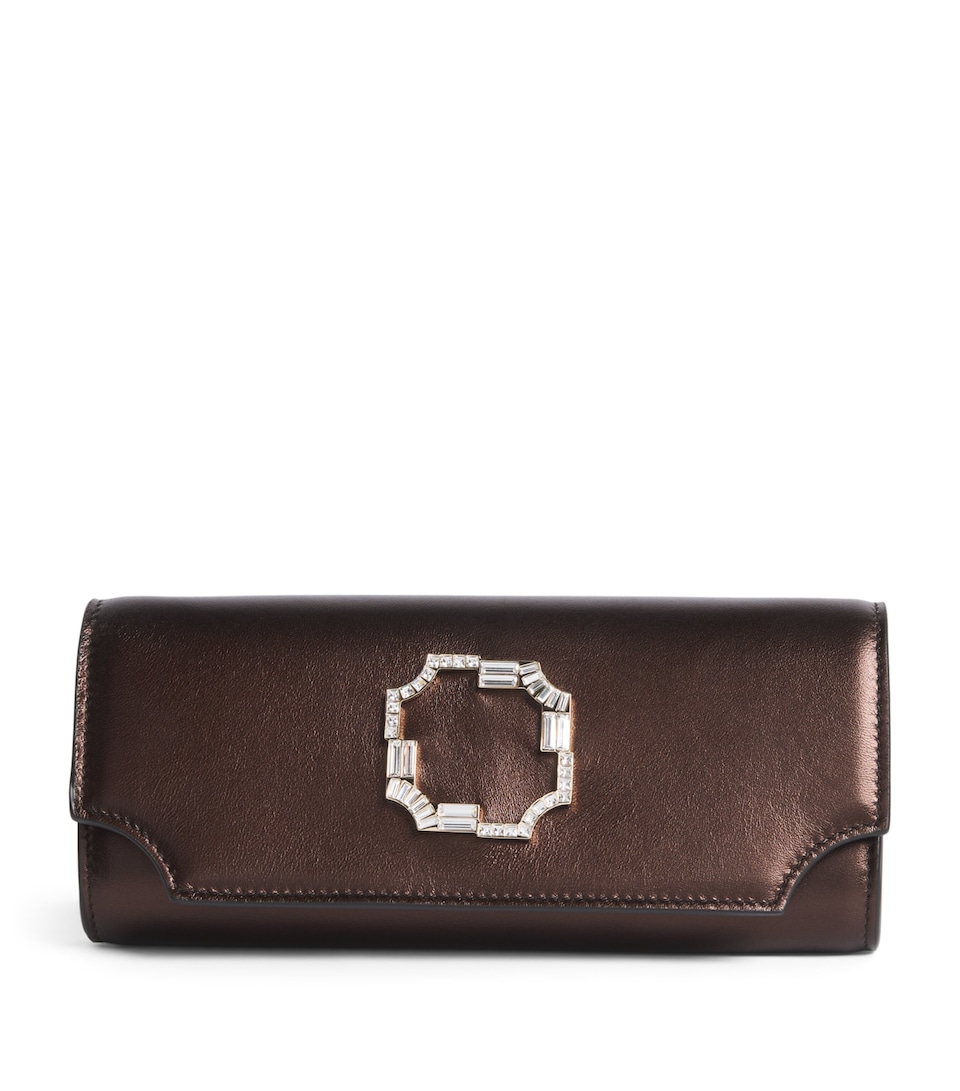
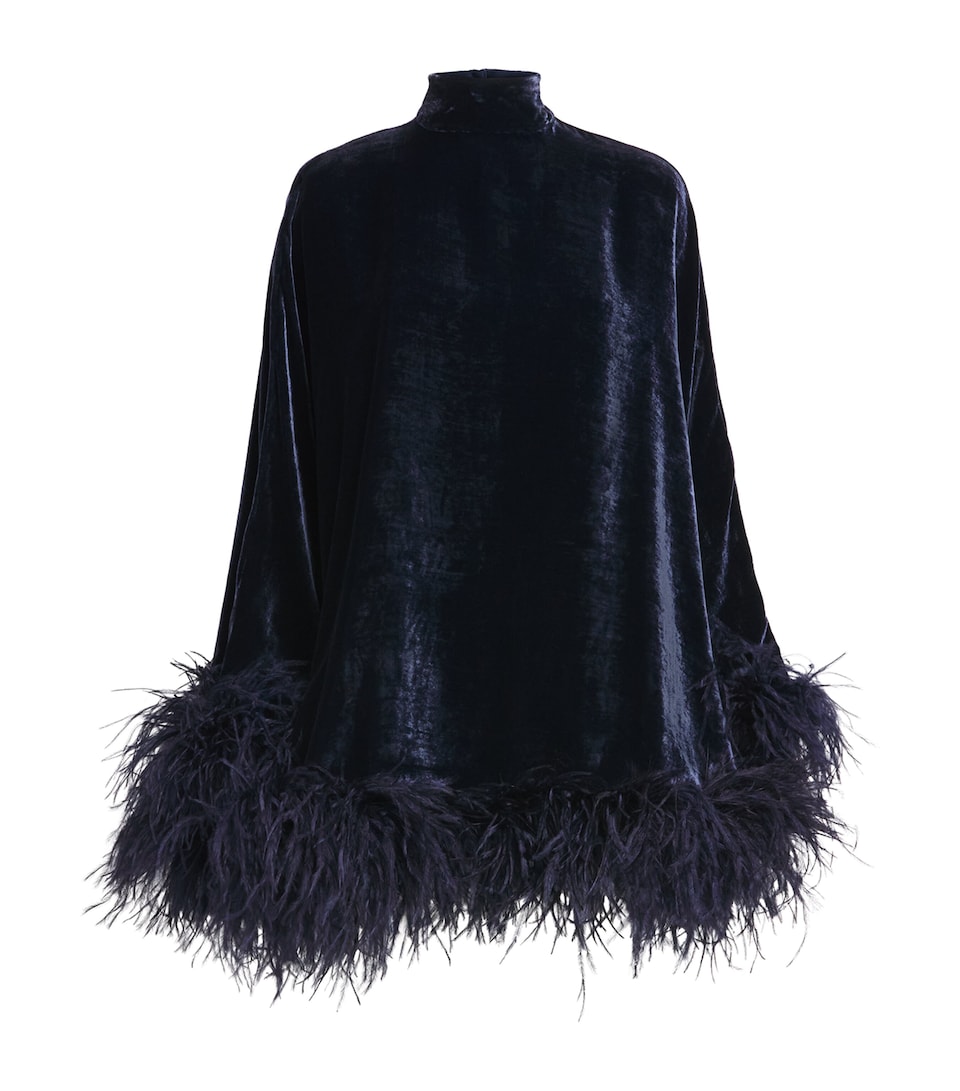
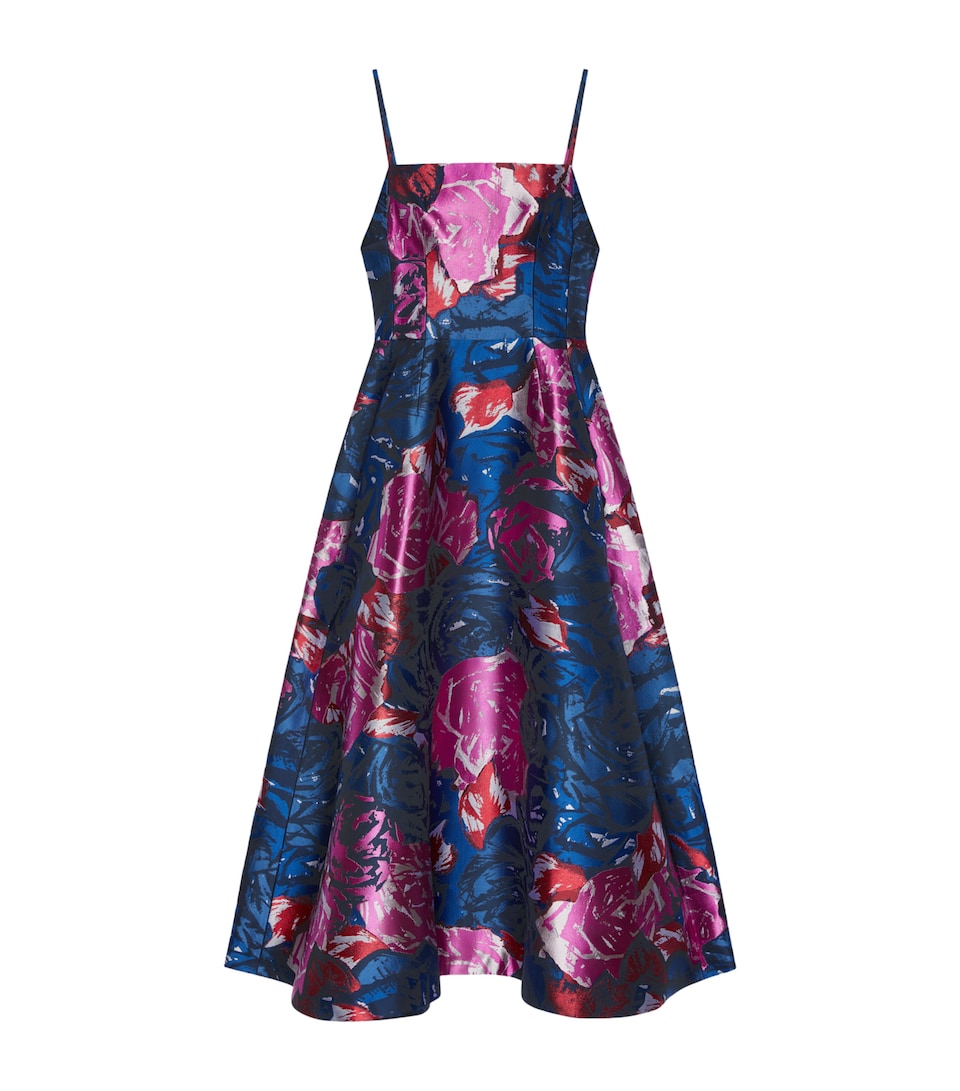
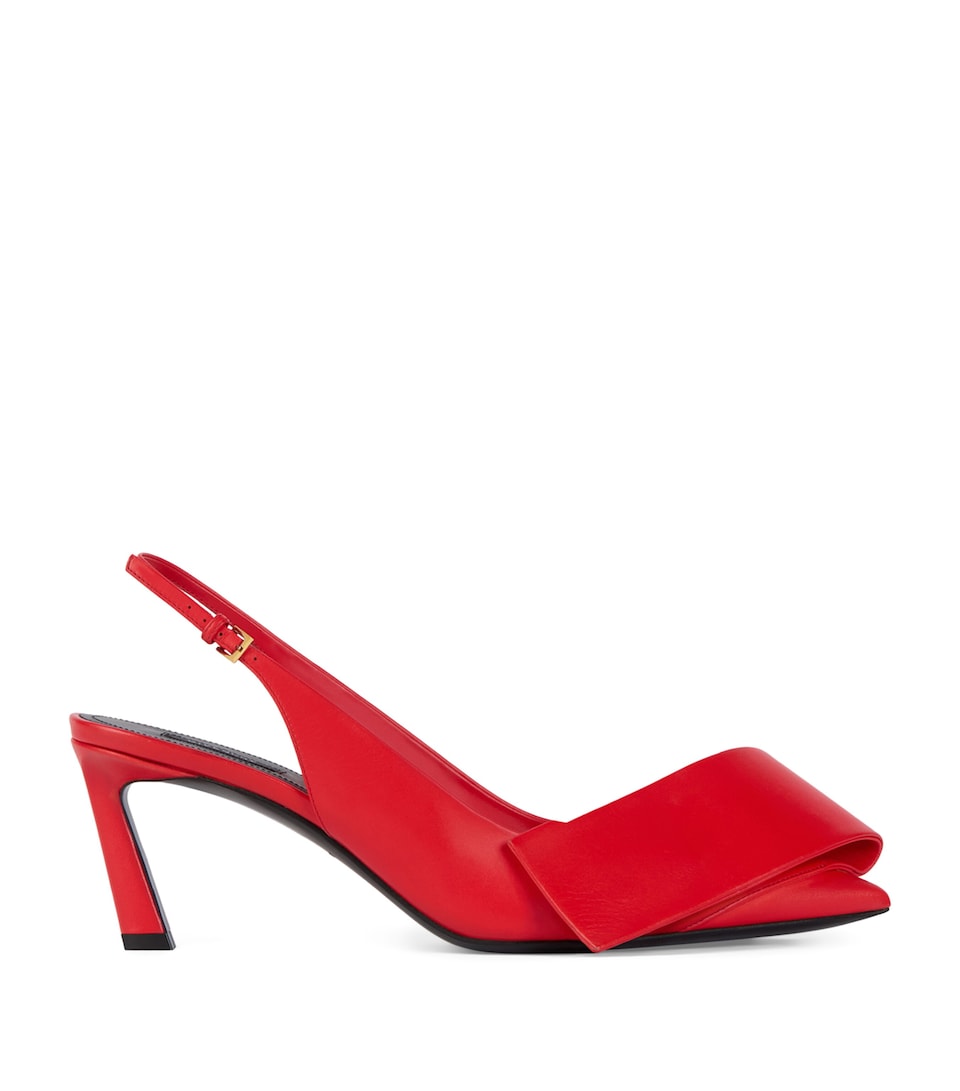
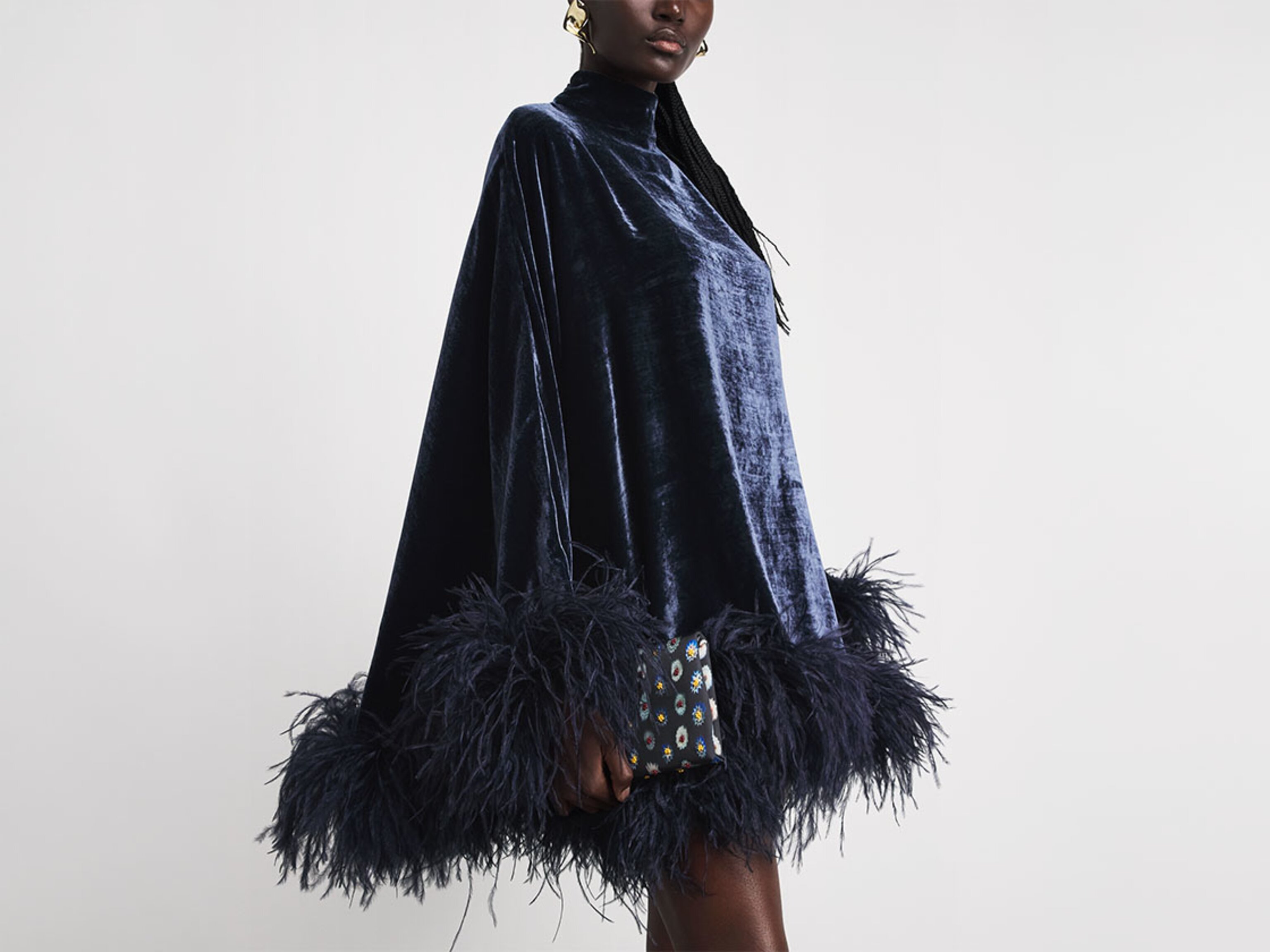
If a wedding invite specifies a cocktail dress code, it’s likely to be a stylish affair – but without the more rigid constraints of formal or black-tie attire. You’re onto a winner if you see this on a winter-wedding invitation – the season is full of party dresses that fit the bill. Festive reds, darker jewel tones, sparkly sequins and even little black dresses replace the florals and pastel colours of summer ceremonies and really lean into the ‘cocktail hour’ feel. An evening suit can also feel incredibly chic, especially when dressed up with accessories. A floor-length gown will likely feel too formal, so stick to ankle length, midi or mini dresses.

Shop Cocktail Dresses

What to Wear to a Formal Wedding

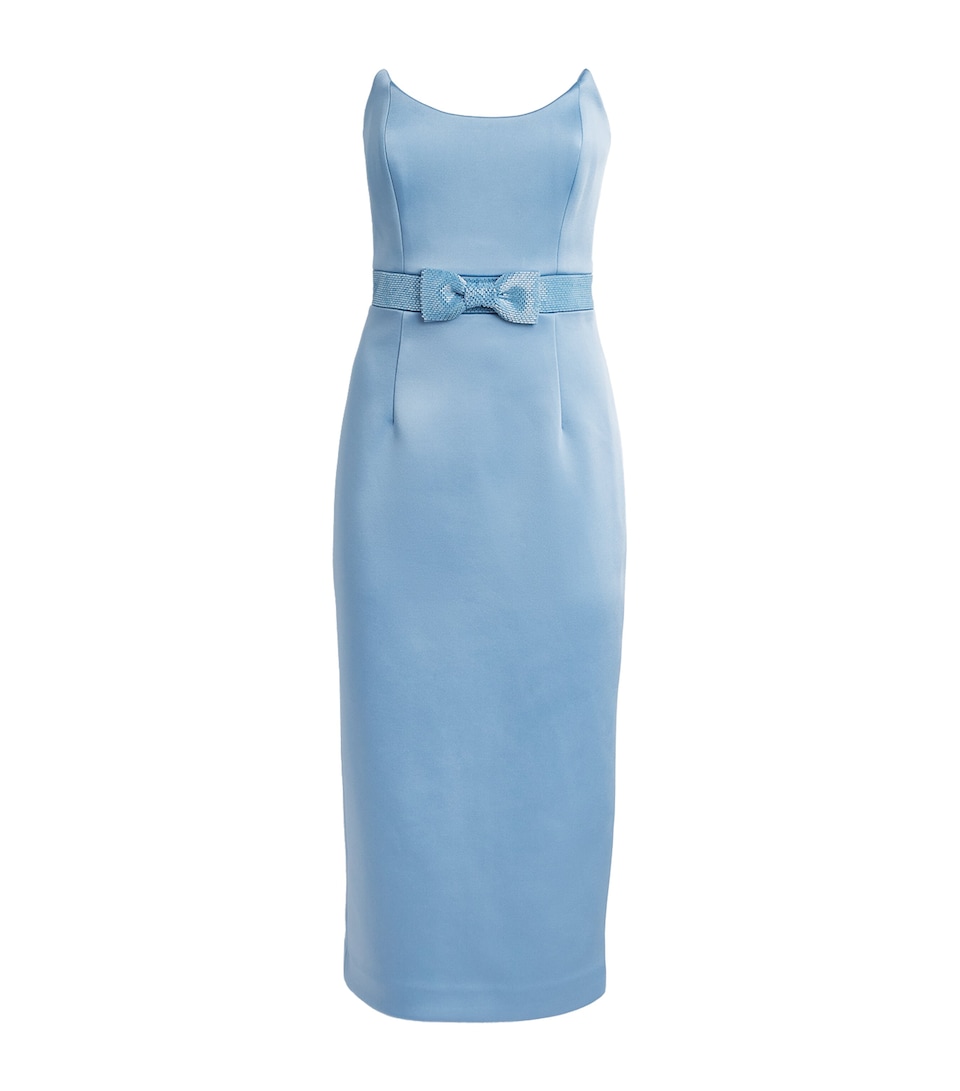
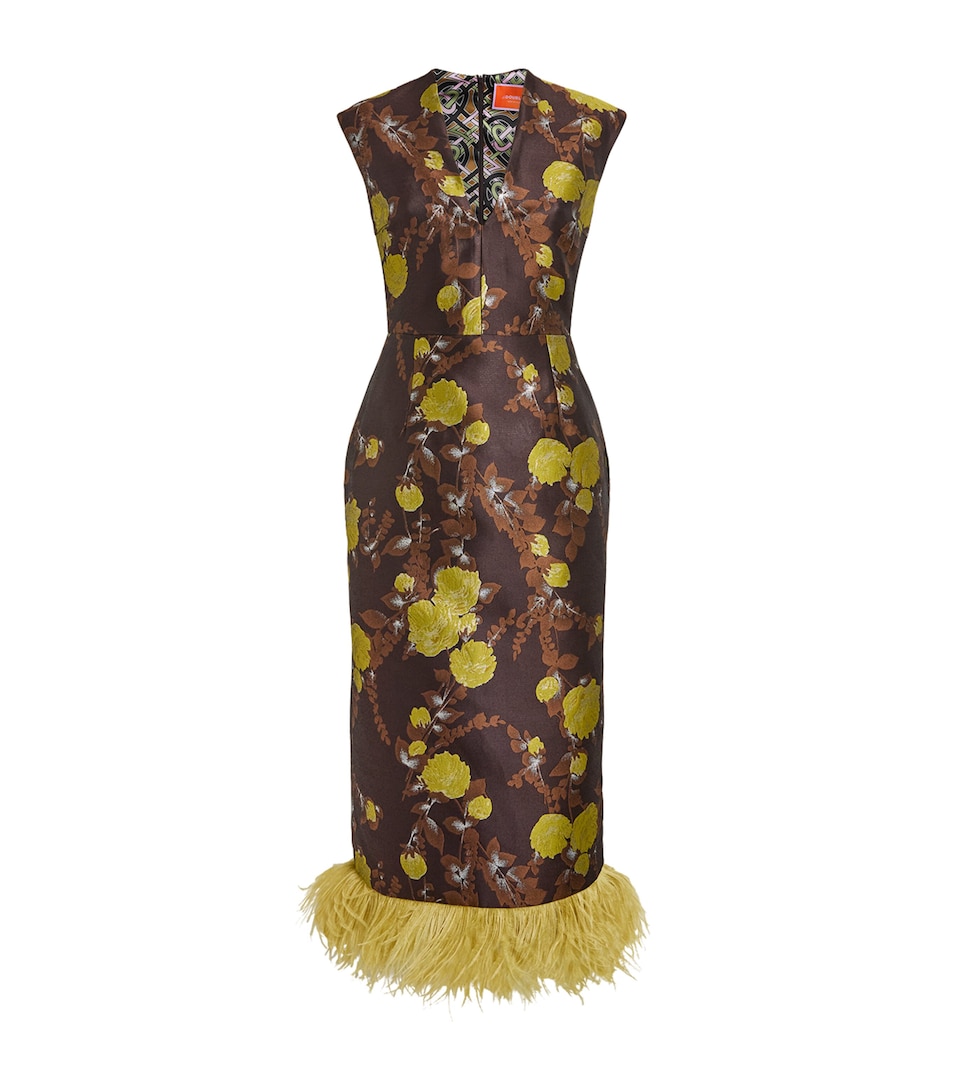
Sometimes referred to as ‘black-tie optional’, you can think of a formal dress code as one step below the sophistication of black tie. A smart midi- or full-length dress or a tailored suit with an air of elevation are ideal. The location and time of the wedding can play an important role in the kind of outfit you choose – English country weddings designated as formal may invite more colour and a hat or fascinator, a ceremony in a place of worship may require a more modest silhouette, and glossy city receptions offer the opportunity to experiment with bolder silhouettes, darker hues or more cocktail-esque dresses.

Shop Midi Dresses

What to Wear to a Destination Wedding

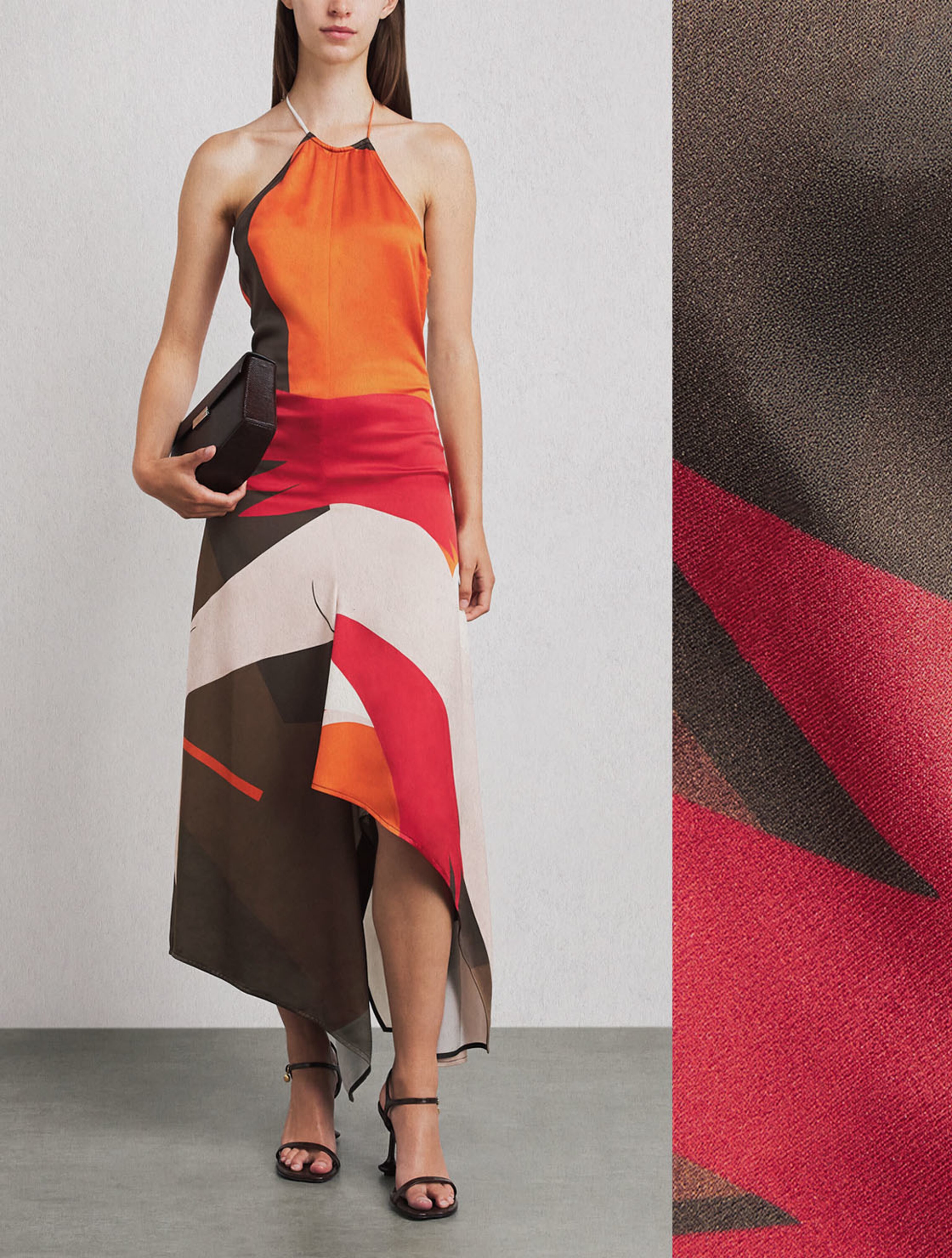
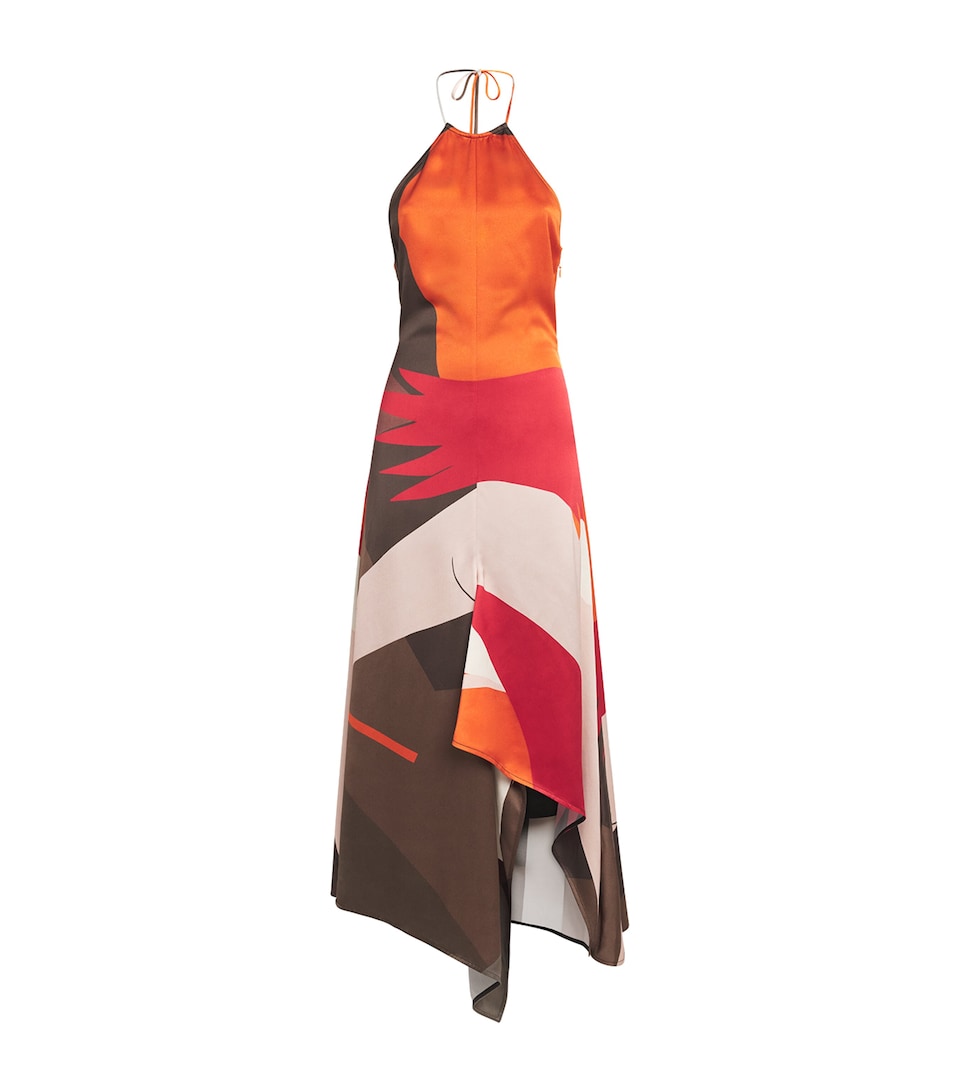
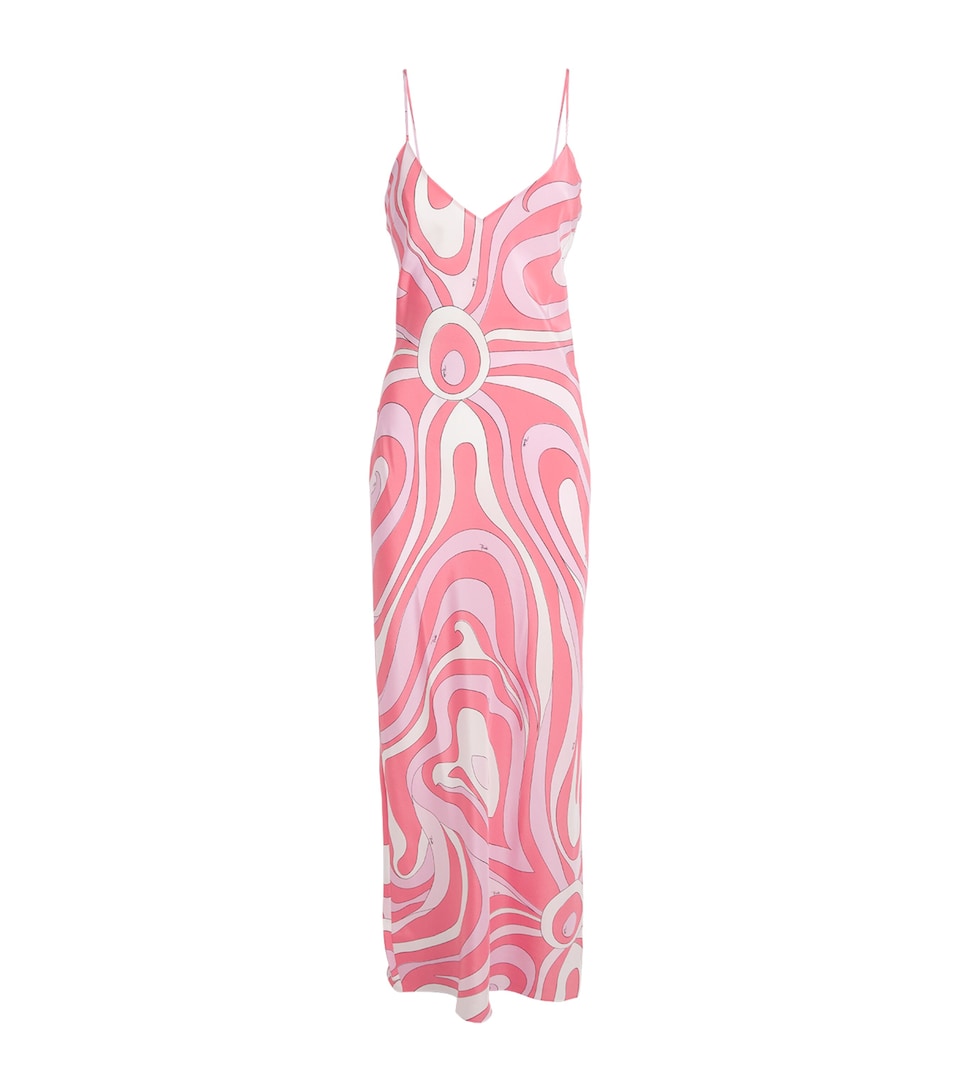
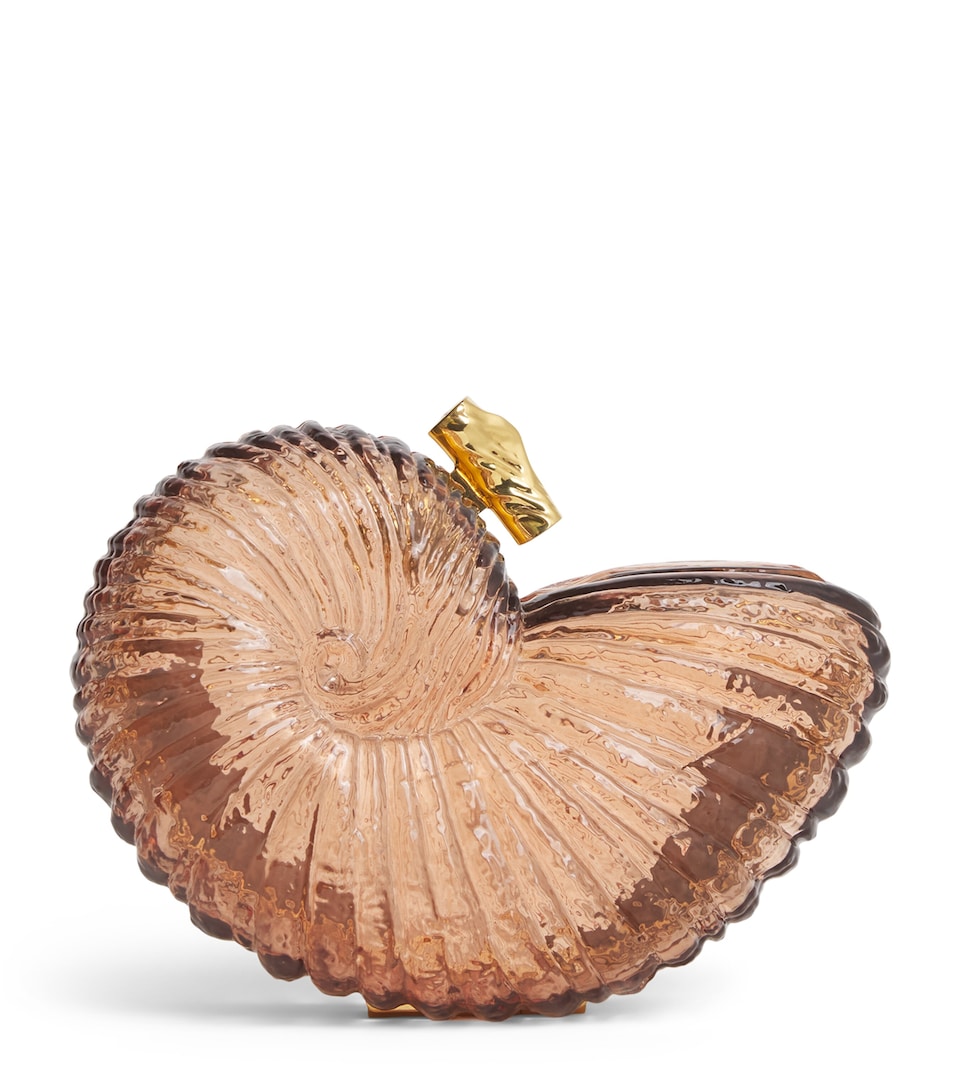
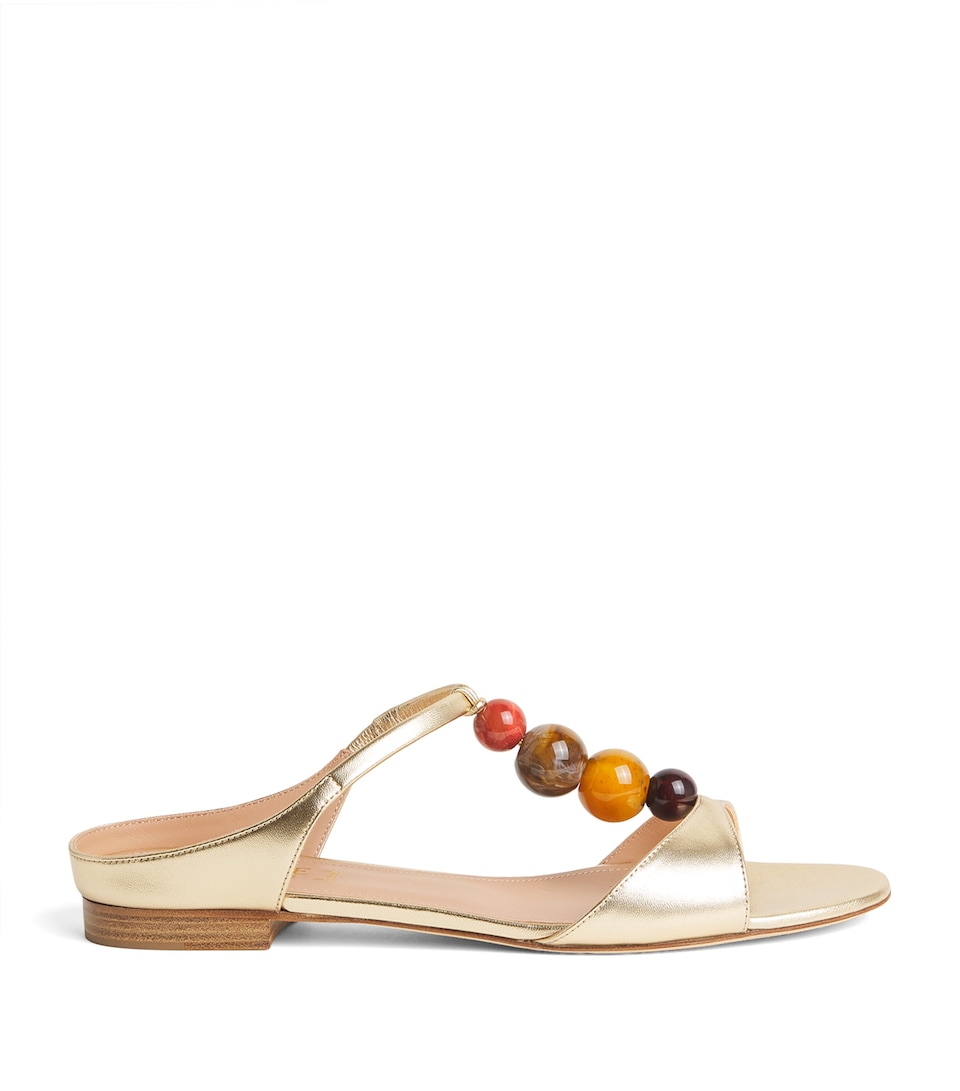
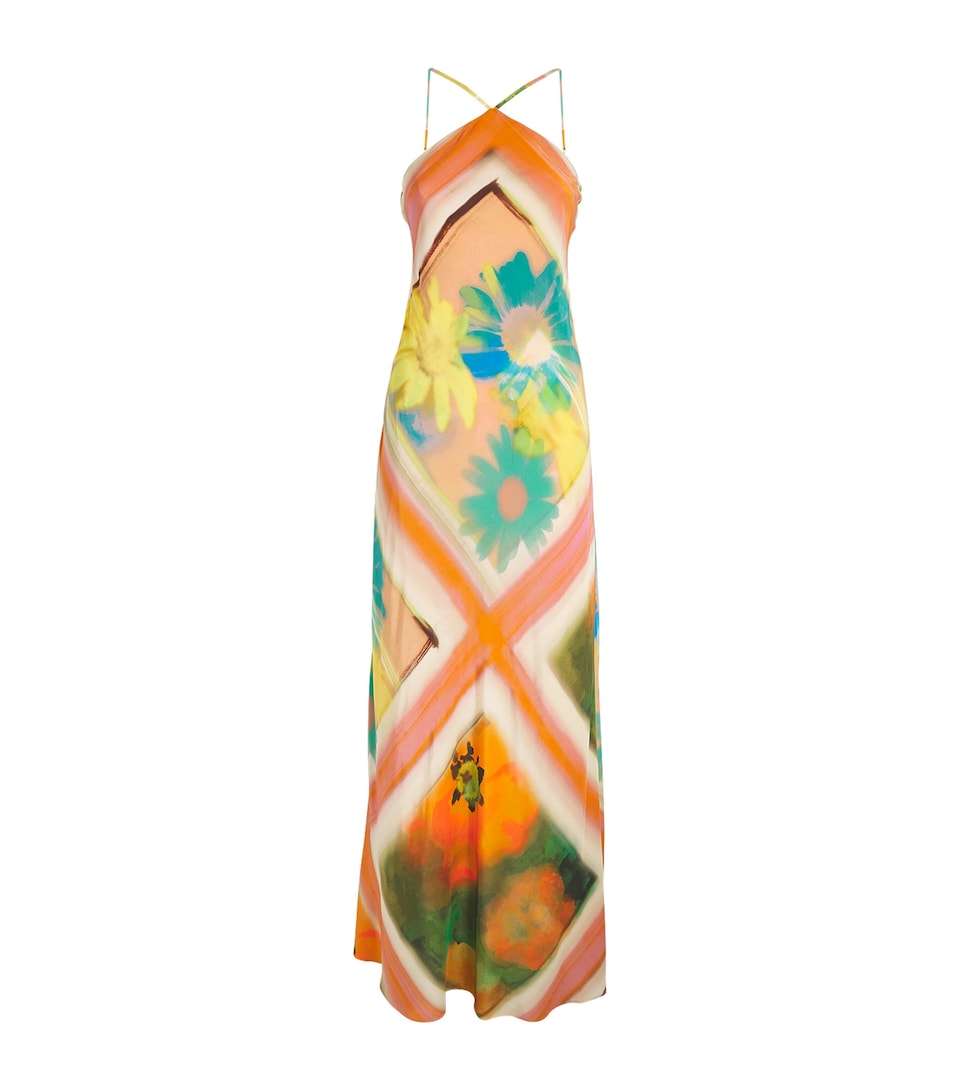
If you’re jetting off for some winter sun, you’ll need to look a little harder among the partywear that dominates at this time of year. No-one wants to be wearing velvet in a humid climate. Stick to the flowing silhouettes of a summer wardrobe – think silk, linen and lightweight stretch knits – while tropical surroundings lend themselves to bold patterns, sunset colours and fun, textured accessories (raffia, shells and pearl are all invited). A safe place to start is with the perennial resort brands from our Holiday & Swim department – the likes of Pucci, Patbo and Johanna Ortiz.

Shop Summer Dresses

Your Questions Answered

It all depends on the specific wedding you’re attending. Different dress codes, venues and couples require different approaches, so pay attention to your invitation – and always ask if you’re unsure. It goes without saying that guests should avoid white unless otherwise specified, and it’s always safer to err on the side of modesty, so as to ensure the newlyweds have their moment in the spotlight.
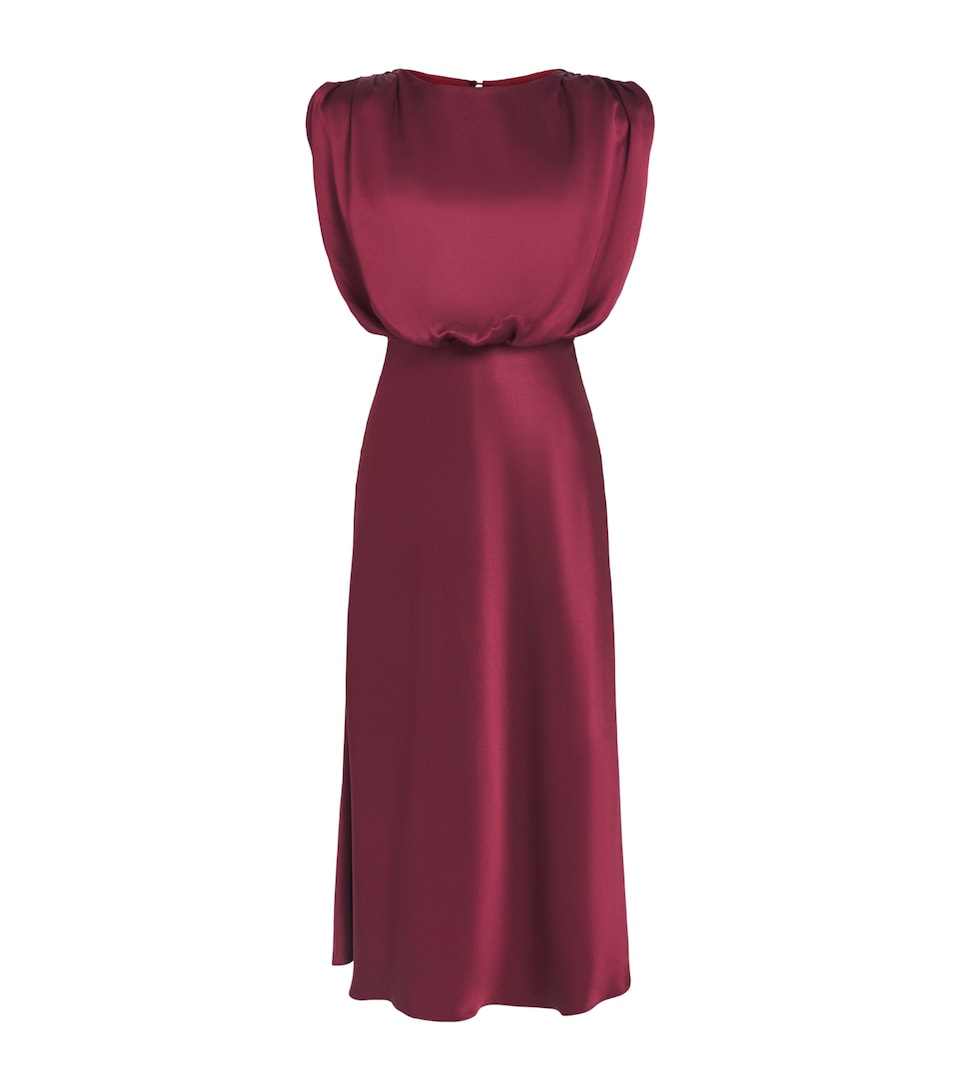
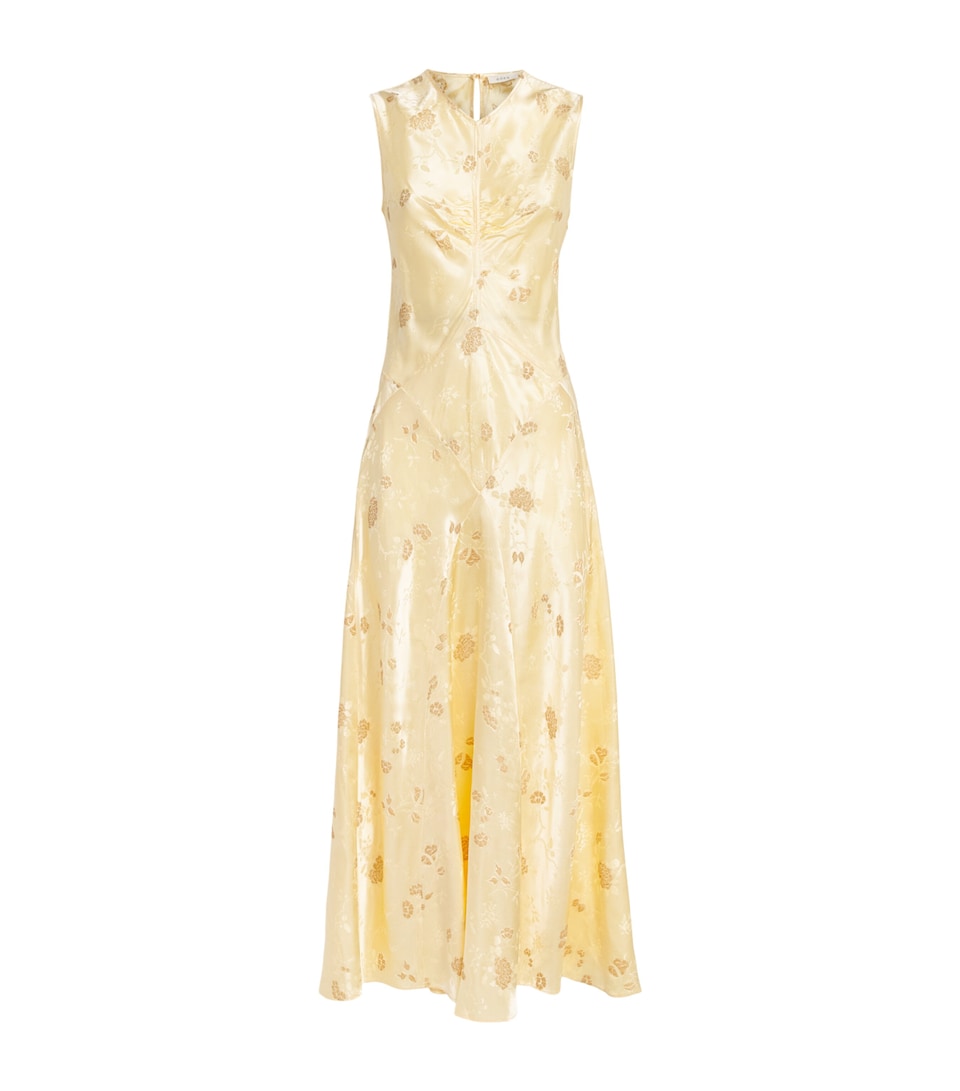
Today, the most stylish wedding guest outfits come in all manner of colours – and few are truly off-limits. Assuming that the bride will be wearing white, be sure to avoid the lighter shades of the spectrum (including creams, off-whites or even ultra-pale yellows). Although some traditional (and arguably outdated) advice decrees that wedding guests also avoid wearing red and black, it’s less taboo to choose these shades at most modern weddings – and they feel particularly apt at winter weddings.

The matter of whether to wear black to a wedding can be contentious – and often, the answer will depend on the attitude of the hosting couple. These days, black is usually a perfectly acceptable choice and has the benefit of being easy to accessorise and wear again for different occasions. However, a formal English country wedding might require a little more respect for tradition, so always consider whether your outfit will look appropriate at the venue in question. Little black dresses are a staple of the winter party season, so you’ll often find that they’ll be far more welcome at autumn and winter weddings than during spring or summer.
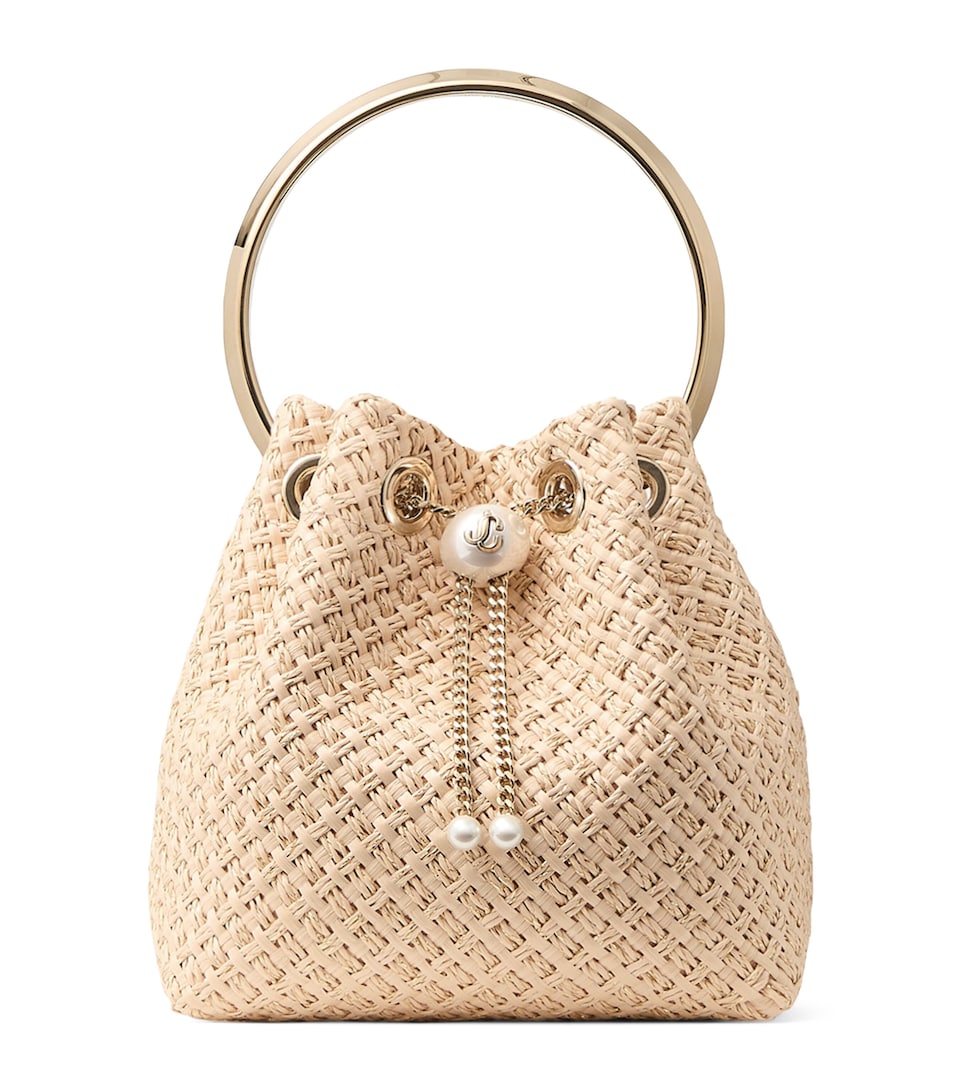
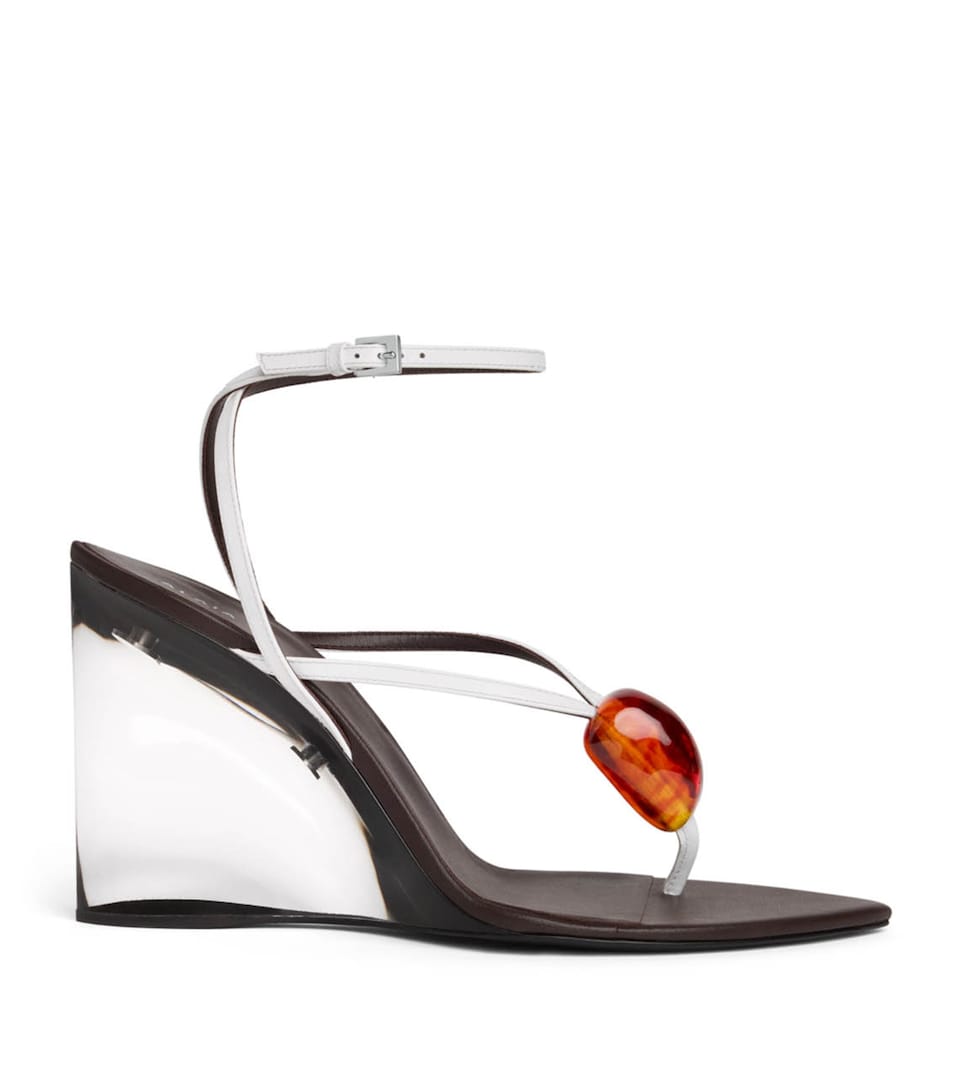
Yes, definitely – in fact, choosing an outfit with a print or a pattern is a great way to express your personal style when attending a wedding. Florals, stripes or polka dots are always a good option for summer occasions, while more glamorous cocktail receptions or city weddings are a time to bring out even bolder patterns, metallics and sequins. It may be wise to avoid white-based patterns to avoid competing with the bride.

Midi- and maxi-length dresses are a fail-safe choice for summer days – but make sure to check the dress code, as certain religious venues may prohibit bare shoulders or shorter hemlines. Equally, when the sun is shining, feminine prints like florals and polka dots, or bright block colours and pastel hues, look right at home. On the accessories front, look to lawn-proof block heels over stilettos as you’re likely to spend some time outside.

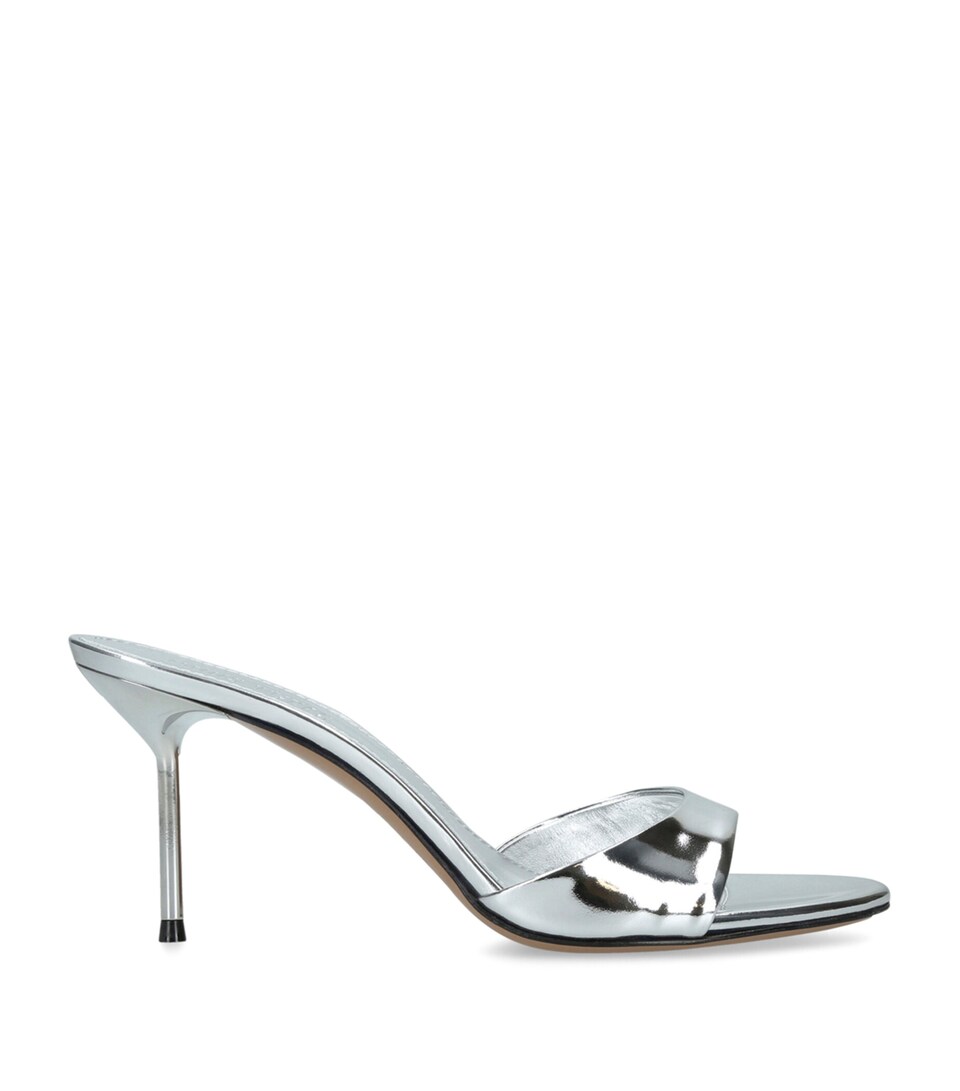
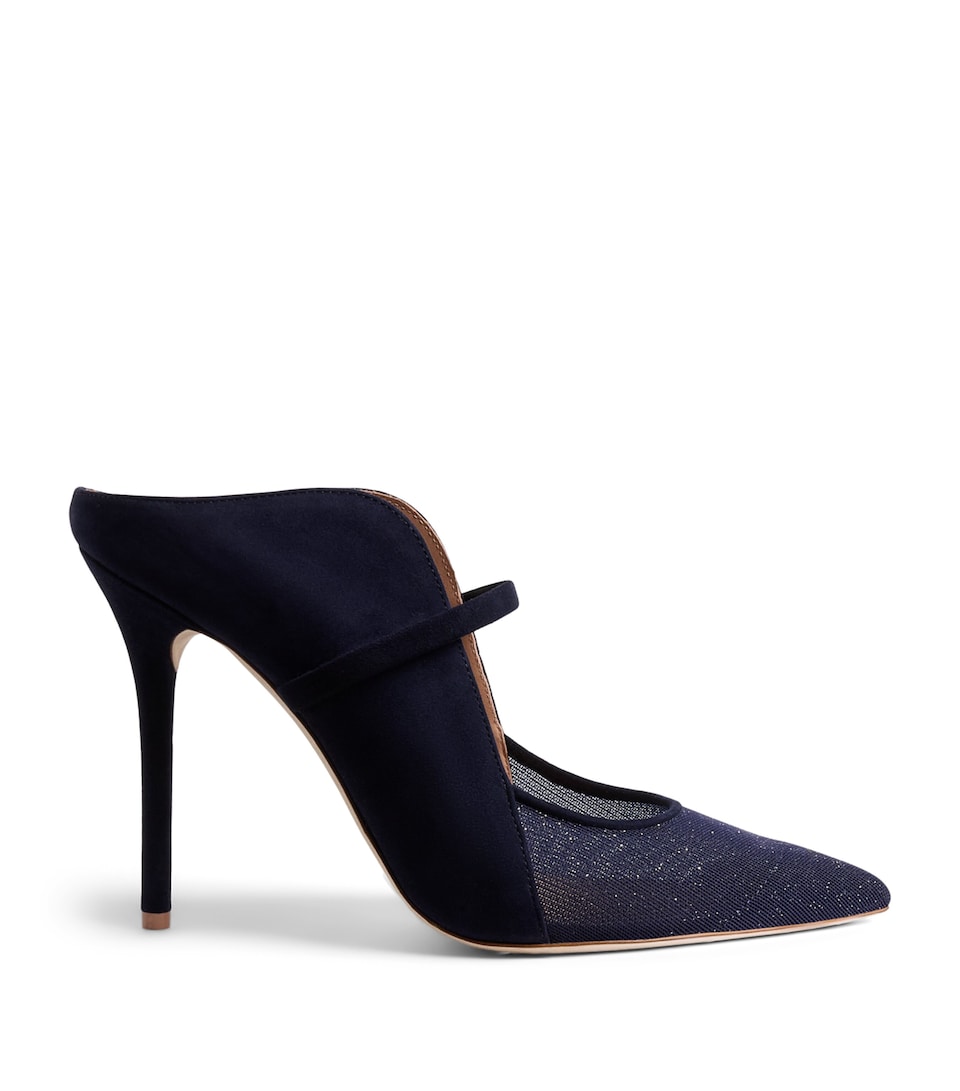
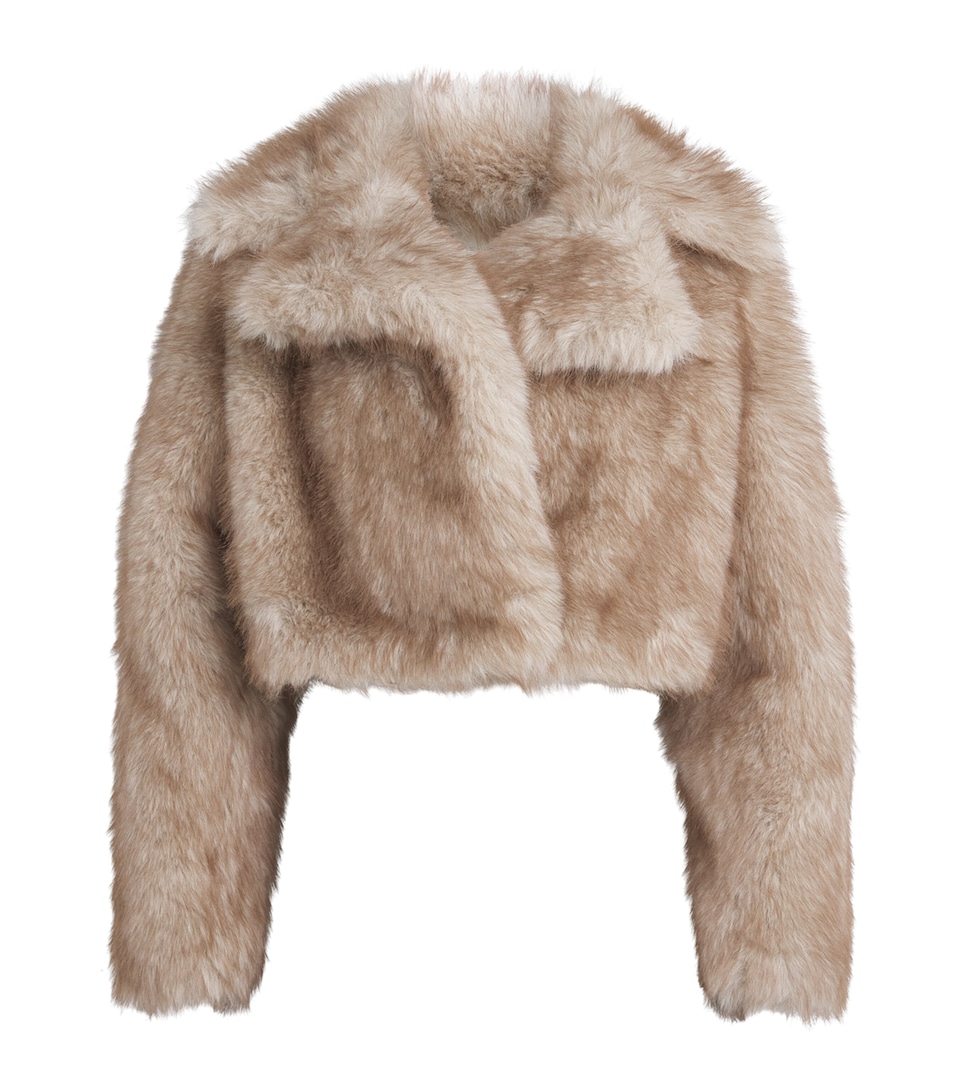
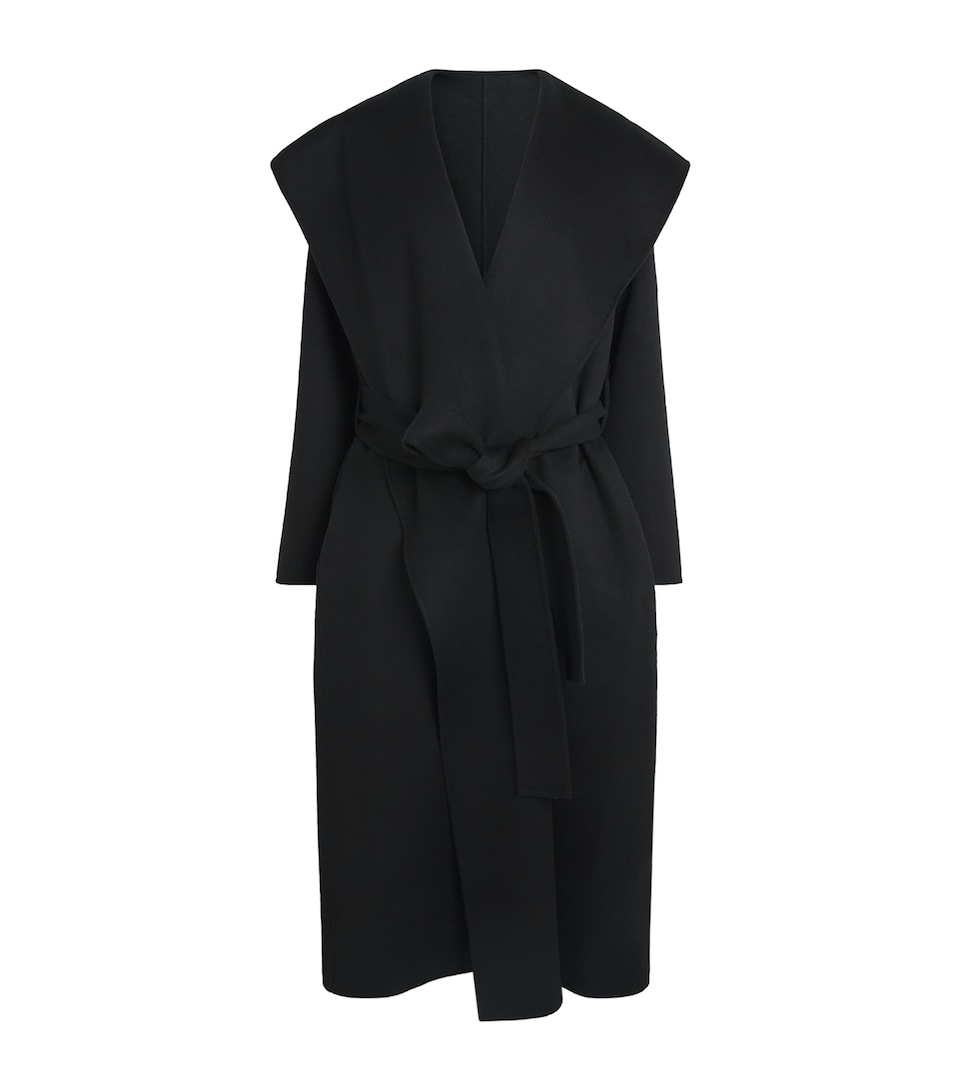
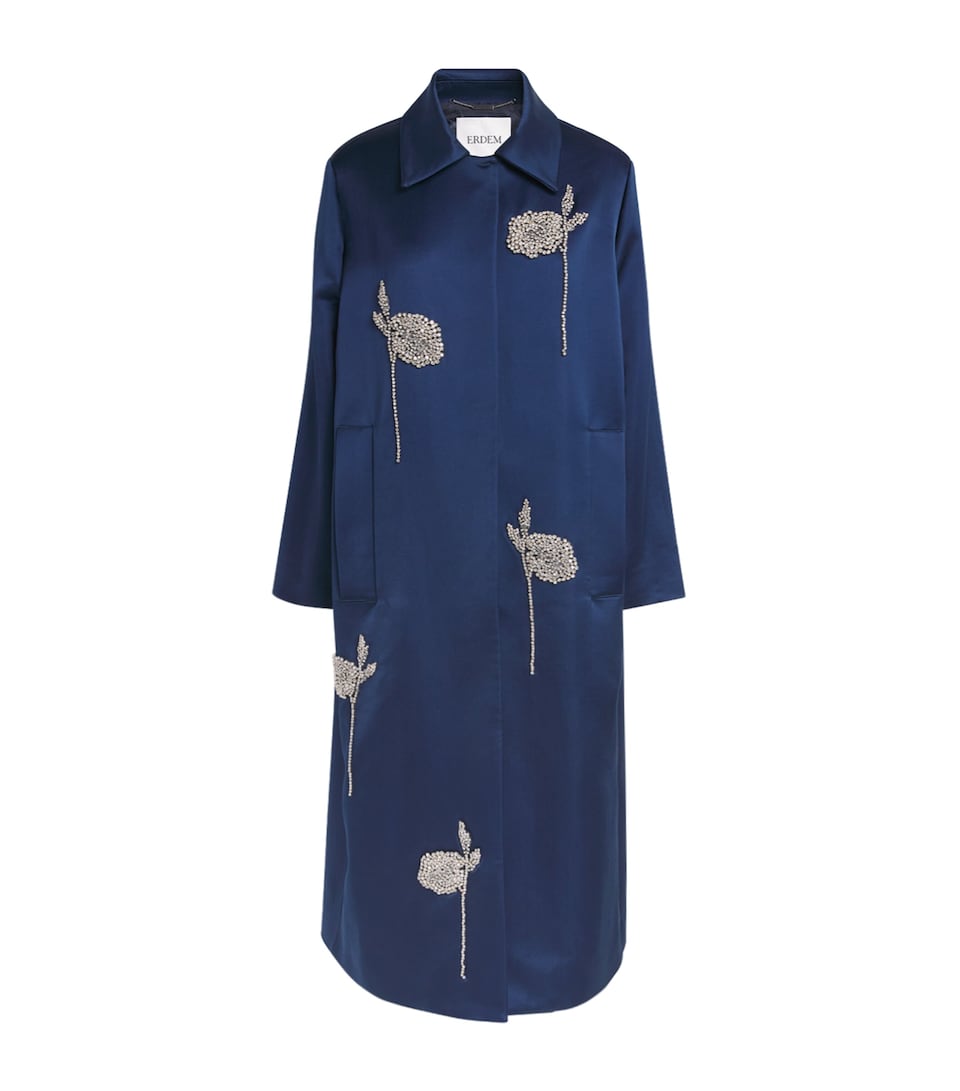
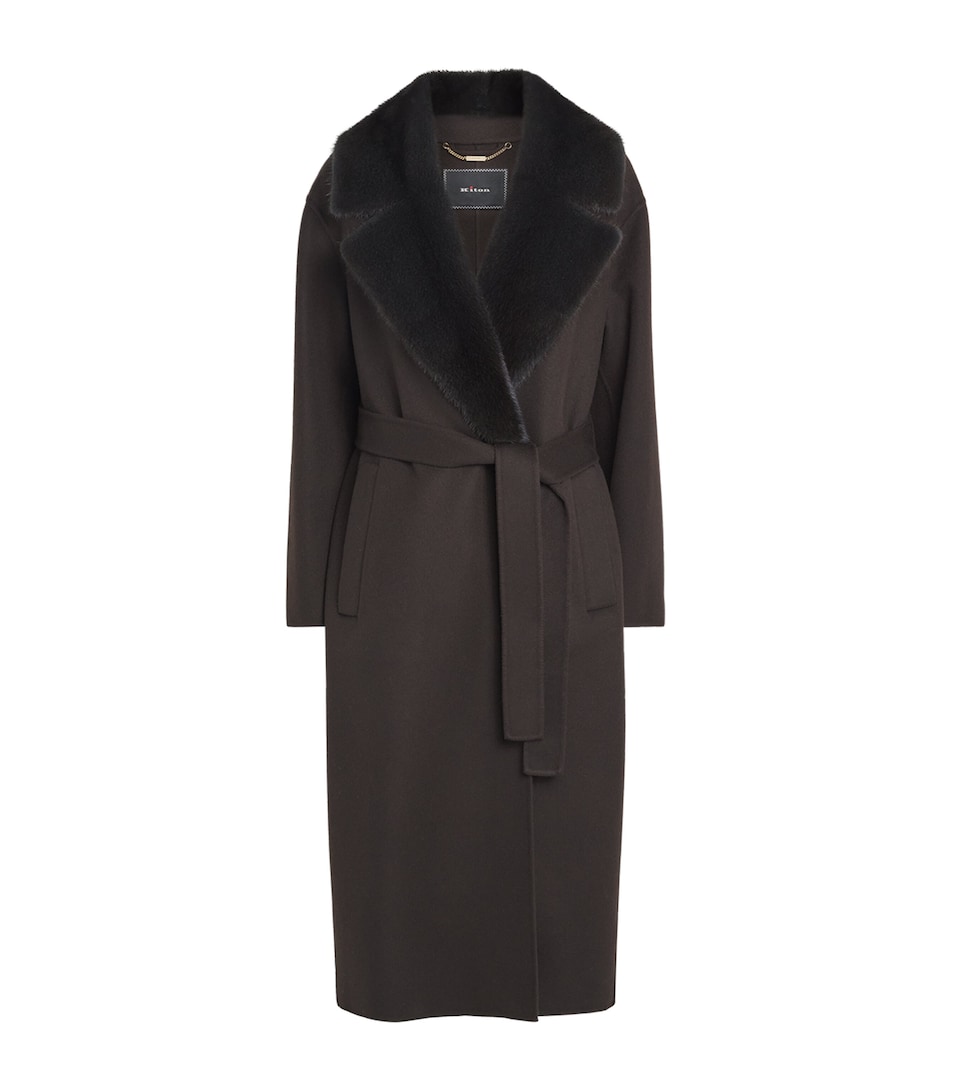
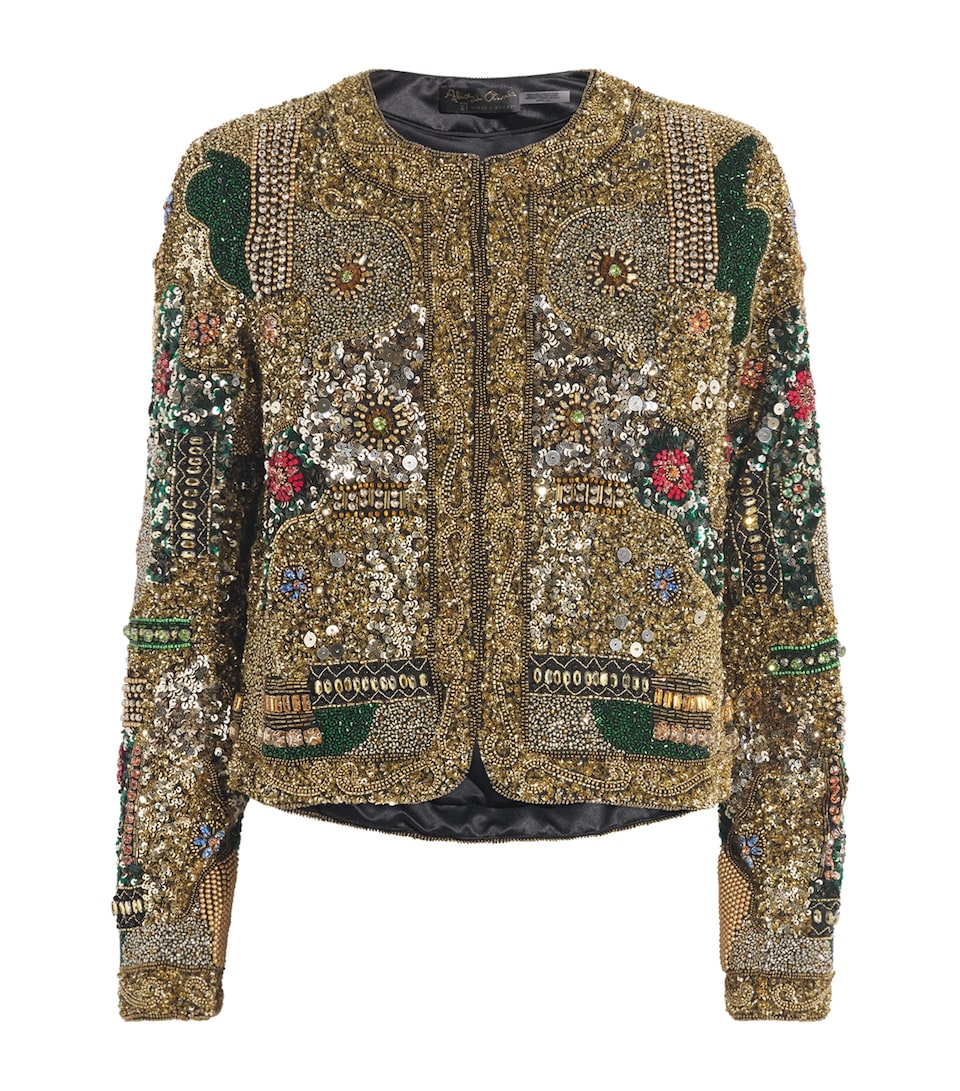
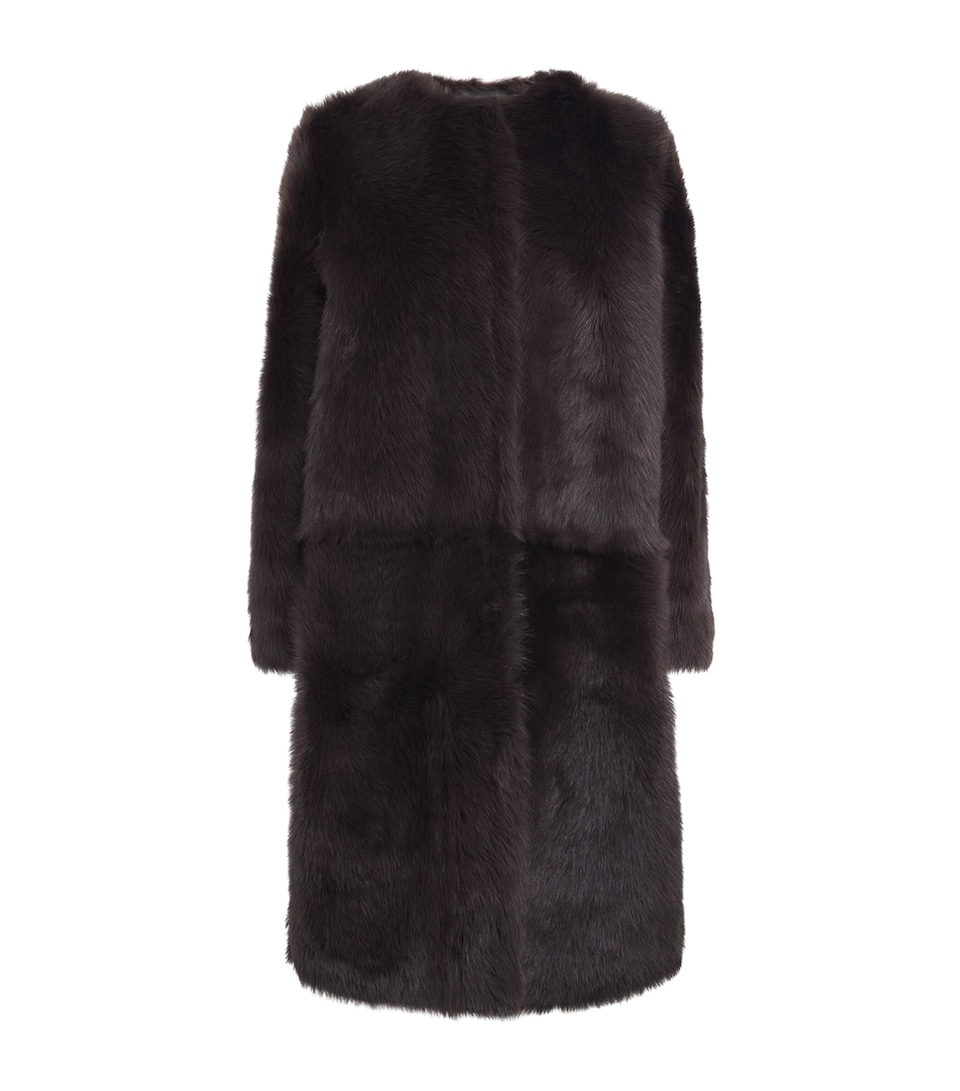
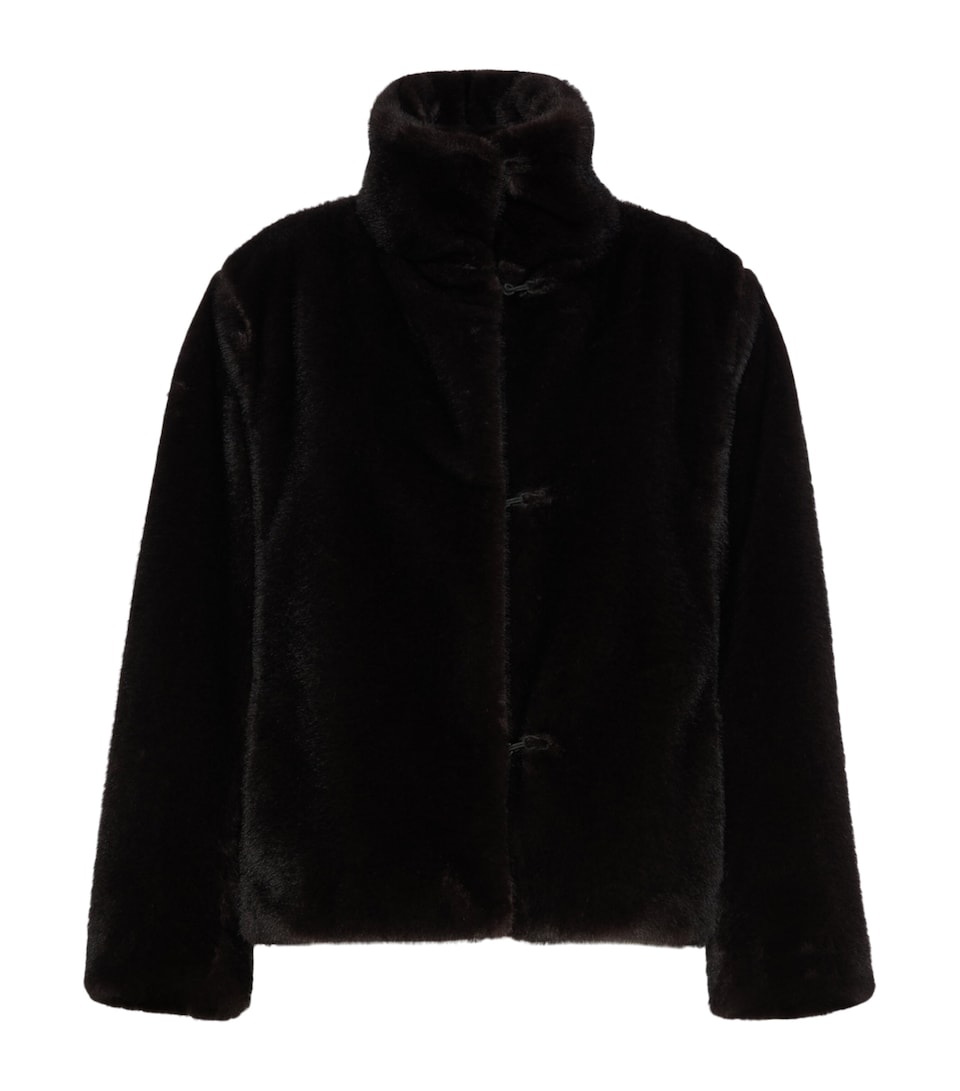
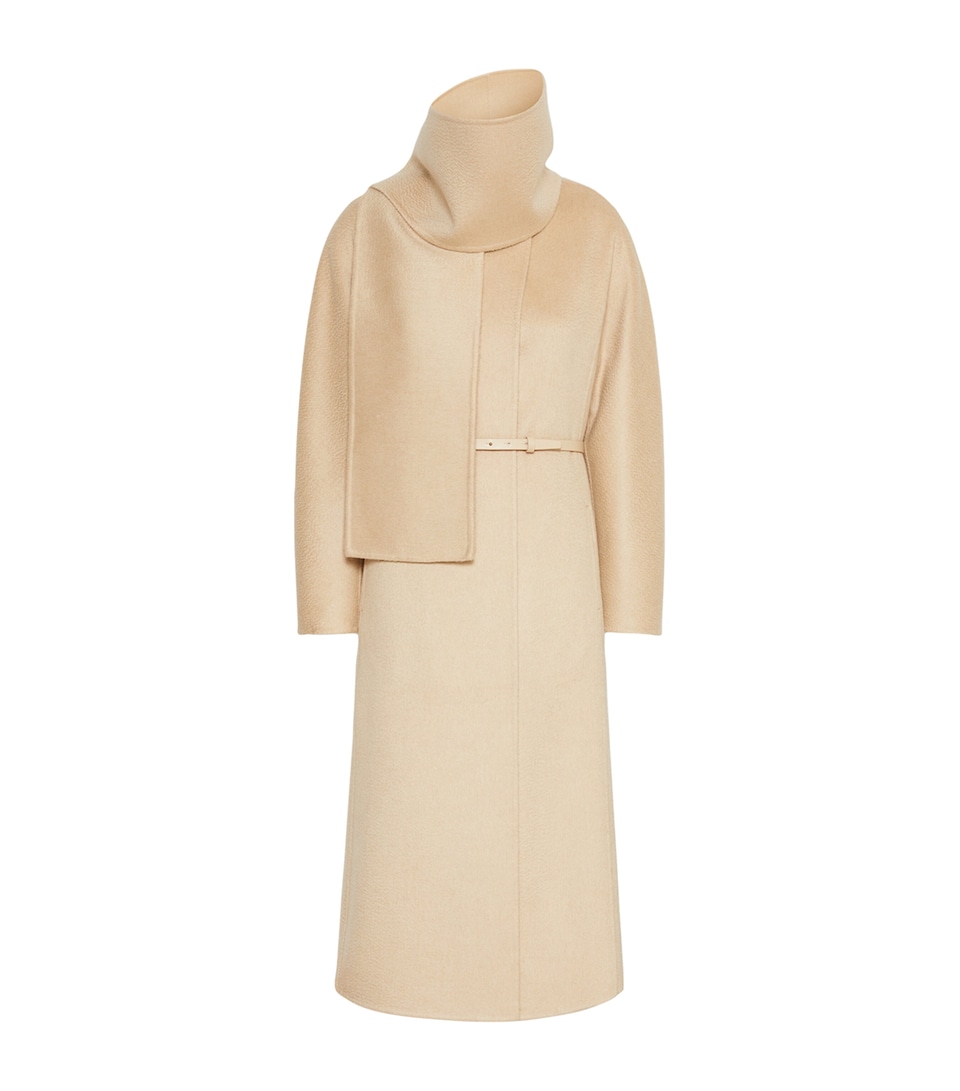
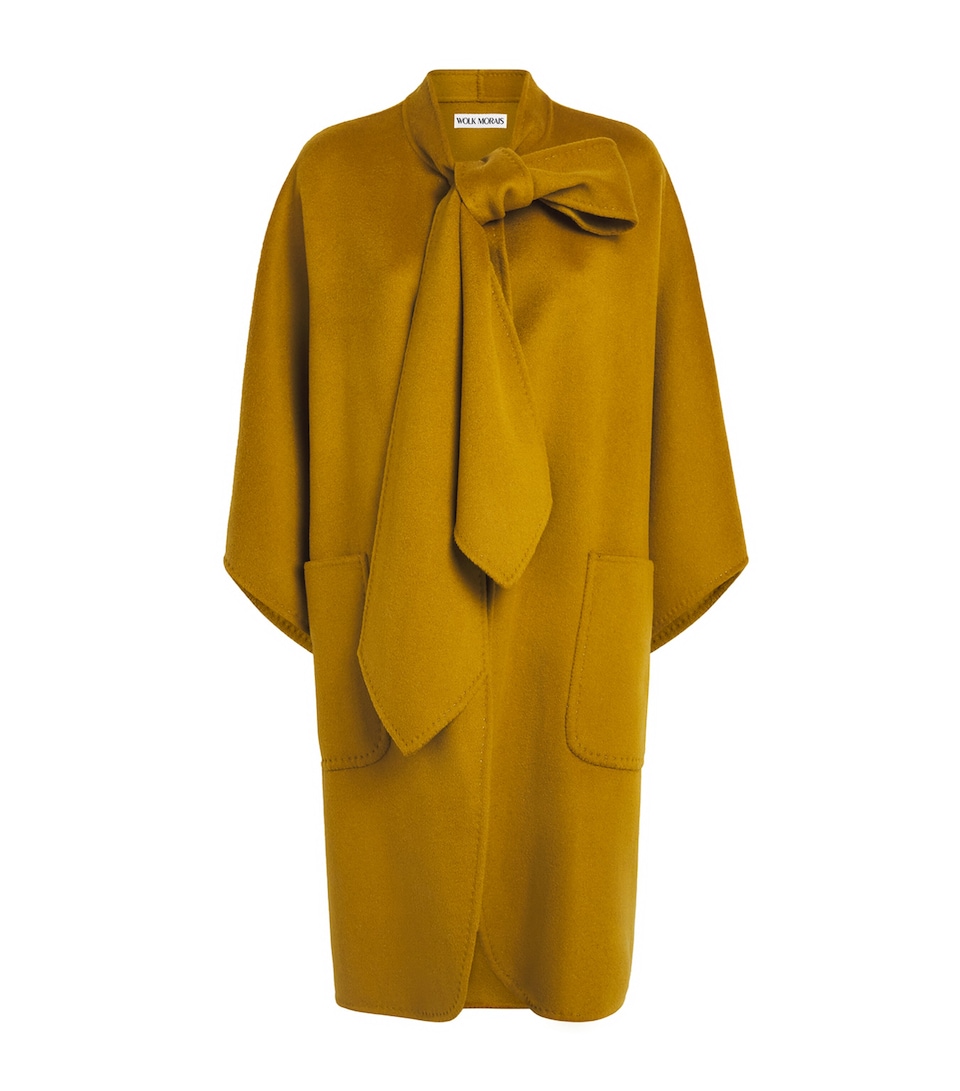
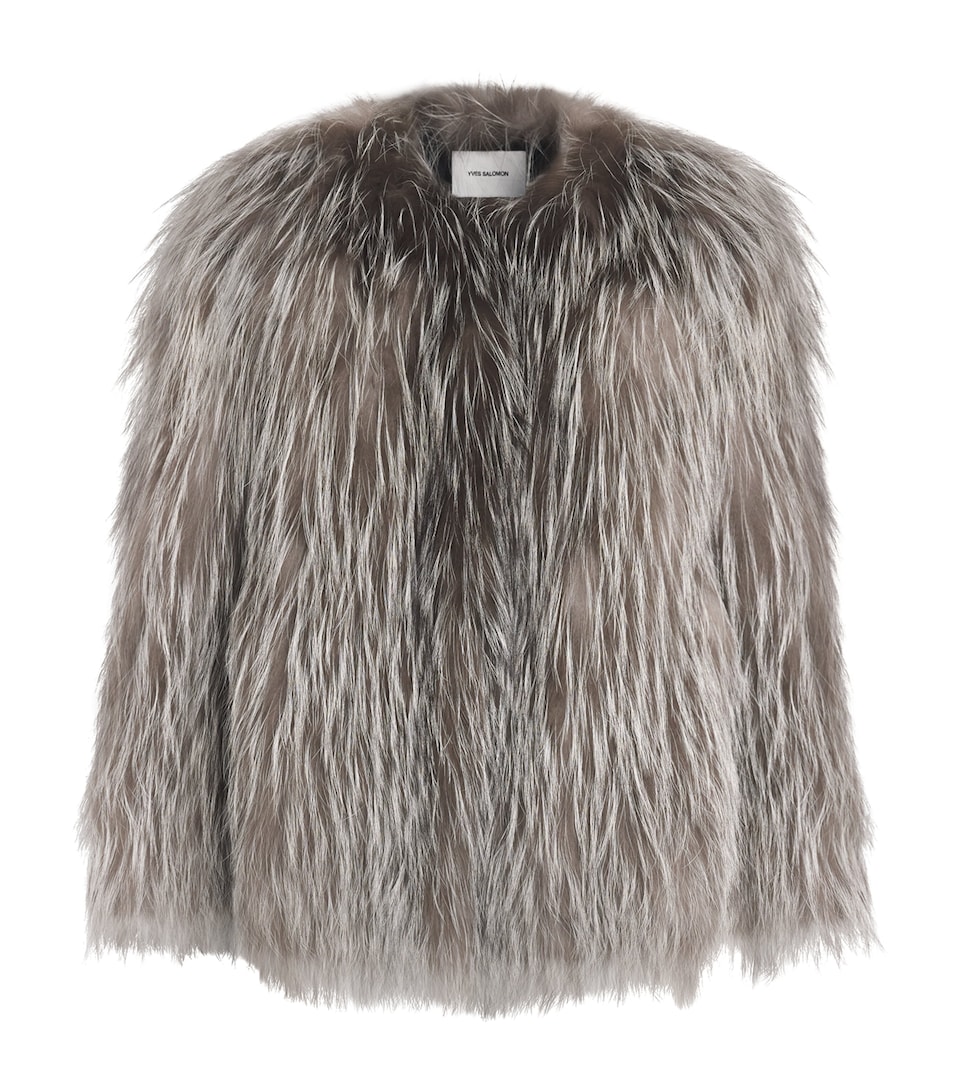
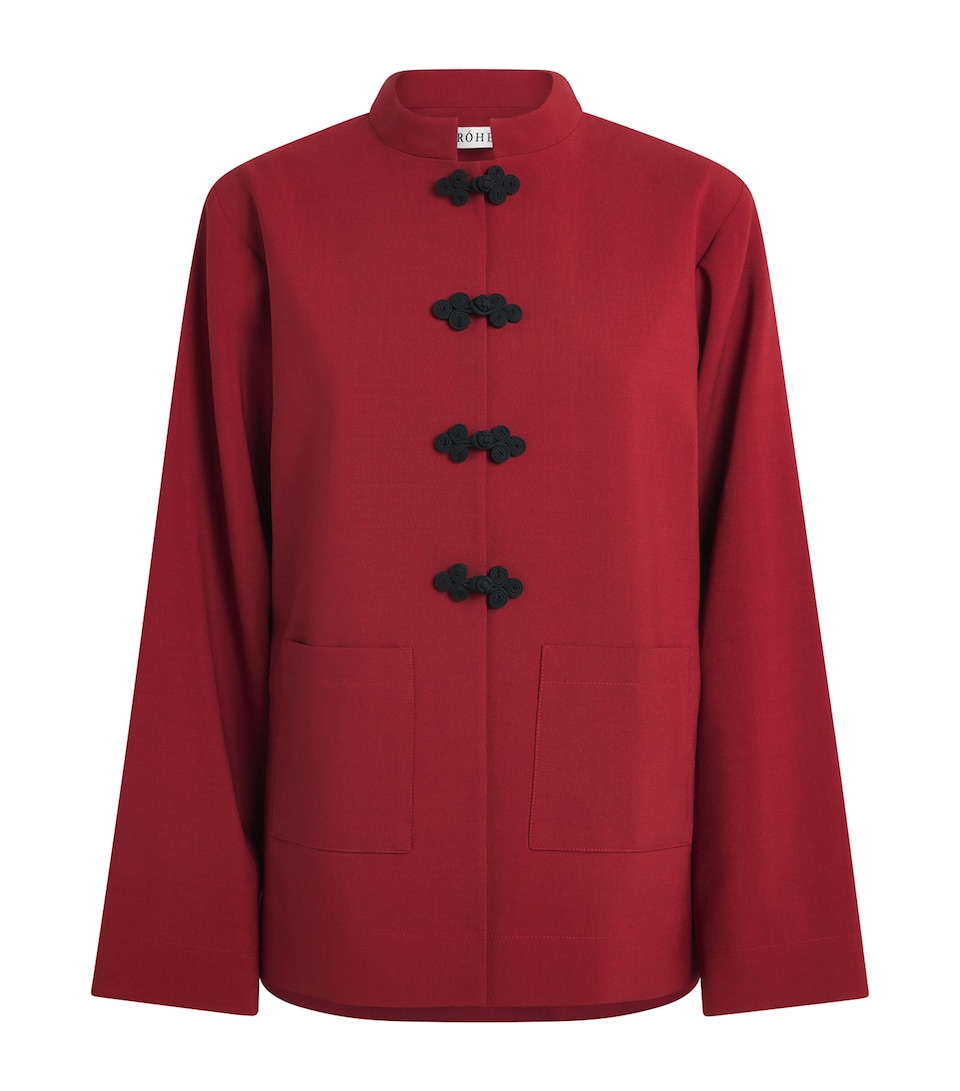
Many of the same rules of summer wedding dress etiquette apply, but you can lean into a much darker palette for winter weddings. Replace bright colours and pastels with burgundy, midnight blue, festive red, emerald green, rich purple, metallics and even black. You can really amp up the embellishments, too – while sequins can feel too glitzy on a summer’s day, they look right at home at a winter wedding, when nightfall comes early. You’ll likely be at an indoor venue, so you won’t face the usual worry about heels sinking into lawns – go with a stiletto if you like, or ballet flats for comfort. Don’t forget about outerwear – you’ll need a coat, so make sure you have one that won’t feel drab on top of your finery. Think faux furs, smart tailored shapes, wrap coats, capes, or embellished jackets.

Absolutely – at many formal British weddings, it’s normal for women to wear hats or fascinators, although this will likely be specified on your invite. Check with your host if it’s unclear. Choose a headpiece or fascinator that coordinates with the rest of your outfit, and take care not to opt for anything too large that might obstruct other guests’ view of the ceremony. Also, make sure you secure your hat properly to your hair to avoid any wind-related mishaps!

If a dress isn’t your usual style, don’t feel you have to wear one to a wedding – there are plenty of equally chic alternatives at hand. If the dress code requires something below the knee, try a jumpsuit or a tailored trouser suit for an effortlessly stylish look that borrows from the world of menswear. Alternatively, more casual wedding dress codes suit co-ords or two-pieces made up of skirts, trousers or even shorts.

Related Stories

The Harrods Guide to Black-Tie Dressing

The Harrods Guide to Cocktail Attire

Harrods Stories

Bringing you a weekly dose of everything from expert styling tips to dinner-party solutions