The Harrods Guide to Glassware: Types, Uses and the Names to Know

Raise a glass to ensuring special moments hit a crystal-clear note

Words by Elizabeth Warden


Like bubbles rising on the curve of a Champagne glass, the standard of modern beverages keeps going up. This, in turn, means that the glassware you choose to serve your drinks in is more important than ever before.


Picking the right vessel for your vintage or the correct tumbler for your tincture ensures both aesthetic cohesion and that moments of magnitude are conducted with form and function in mind.


What’s the difference between glass and crystal? When should you use a flute or a coupe? Do you really need a different glass for red and white wines? Read on to discover the answers to all these questions and more, as we guide you through some key features of each glass type.

Cocktail Glasses

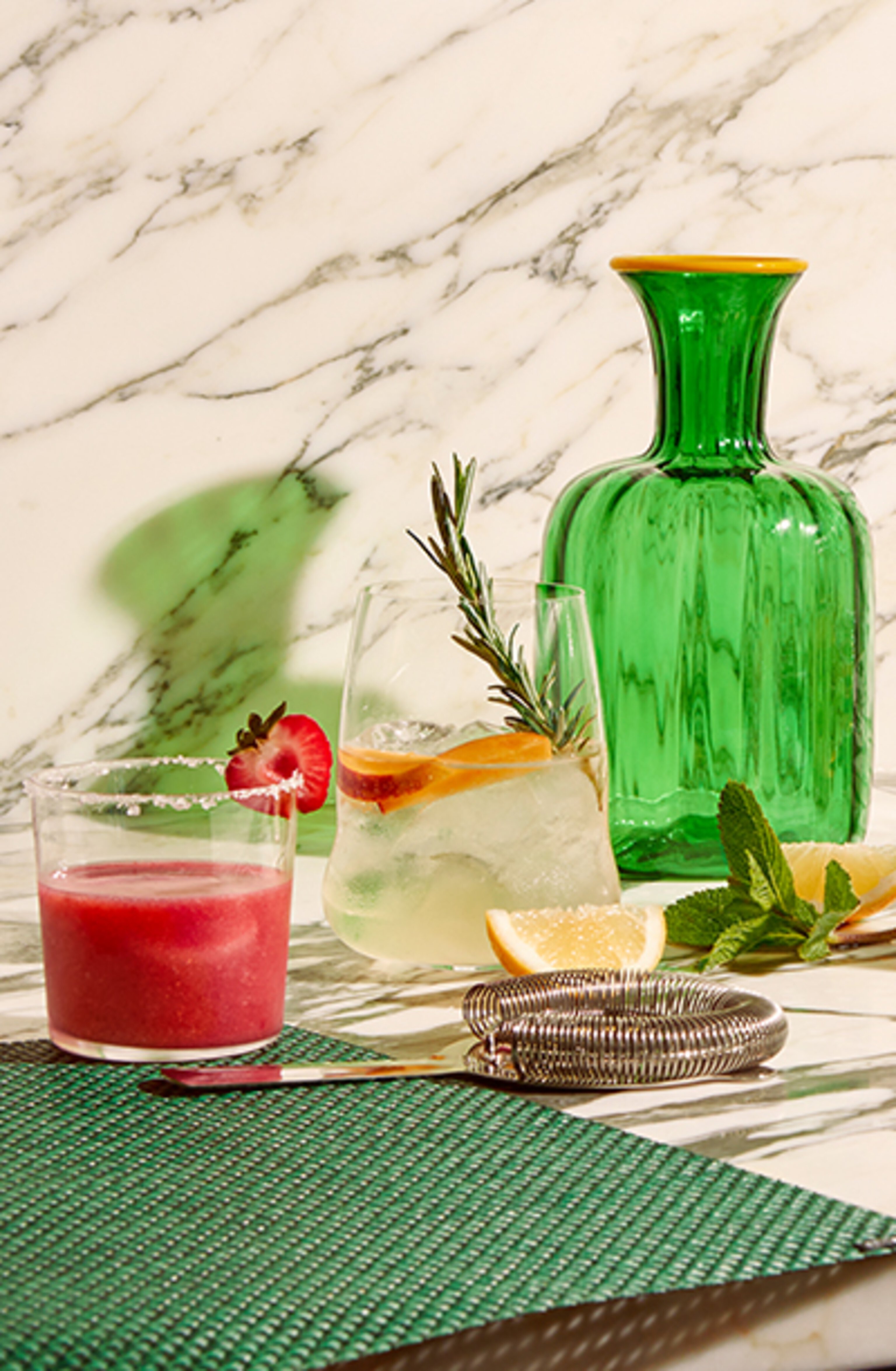
From Sir Francis Drake’s El Draque in the 1500s – a potential forerunner to the mojito – to today’s brightly hued concoctions, it’s clear we’ve always loved mixing spirits with anything that heightens the drinking experience. Looking to lift your spirits, and those of your guests, even further? Choosing the right cocktail glasses for your beverages helps ensure aromas, temperature and aesthetics are all optimised.

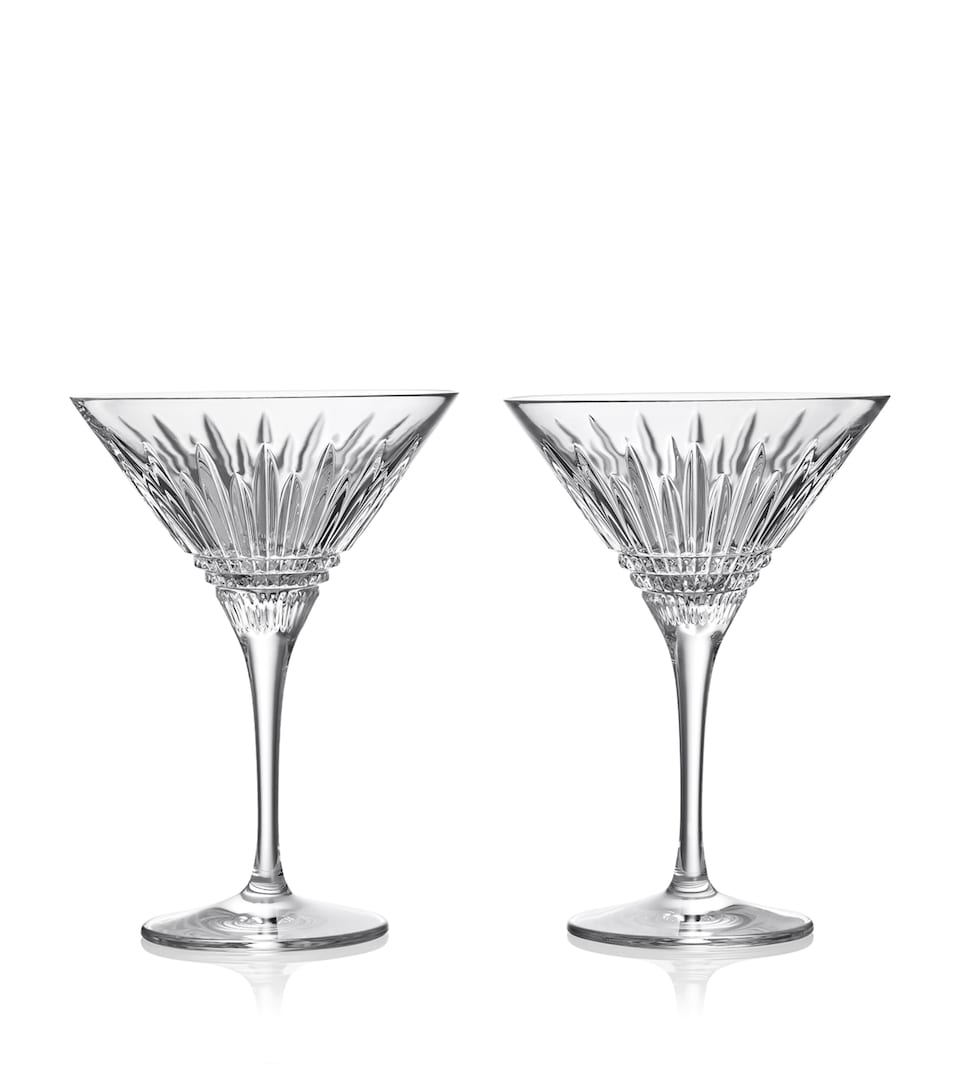
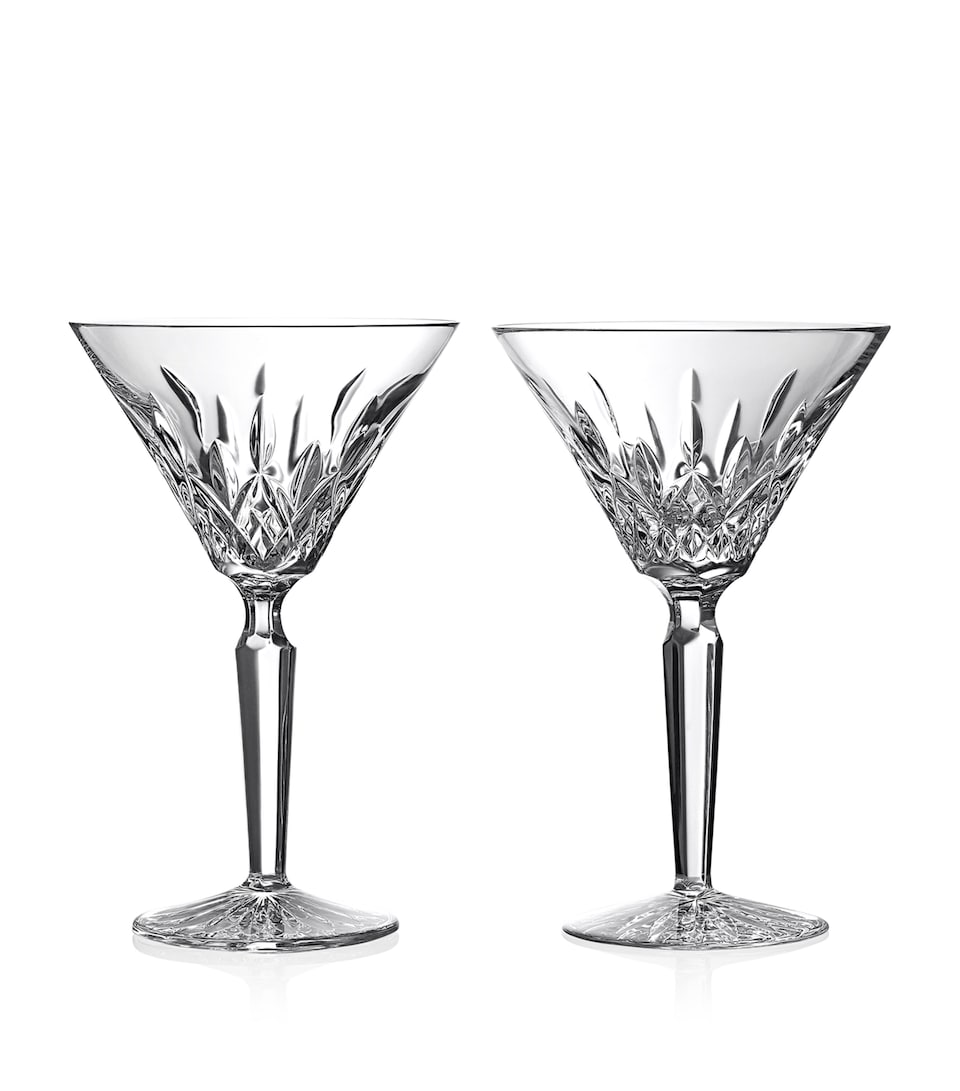
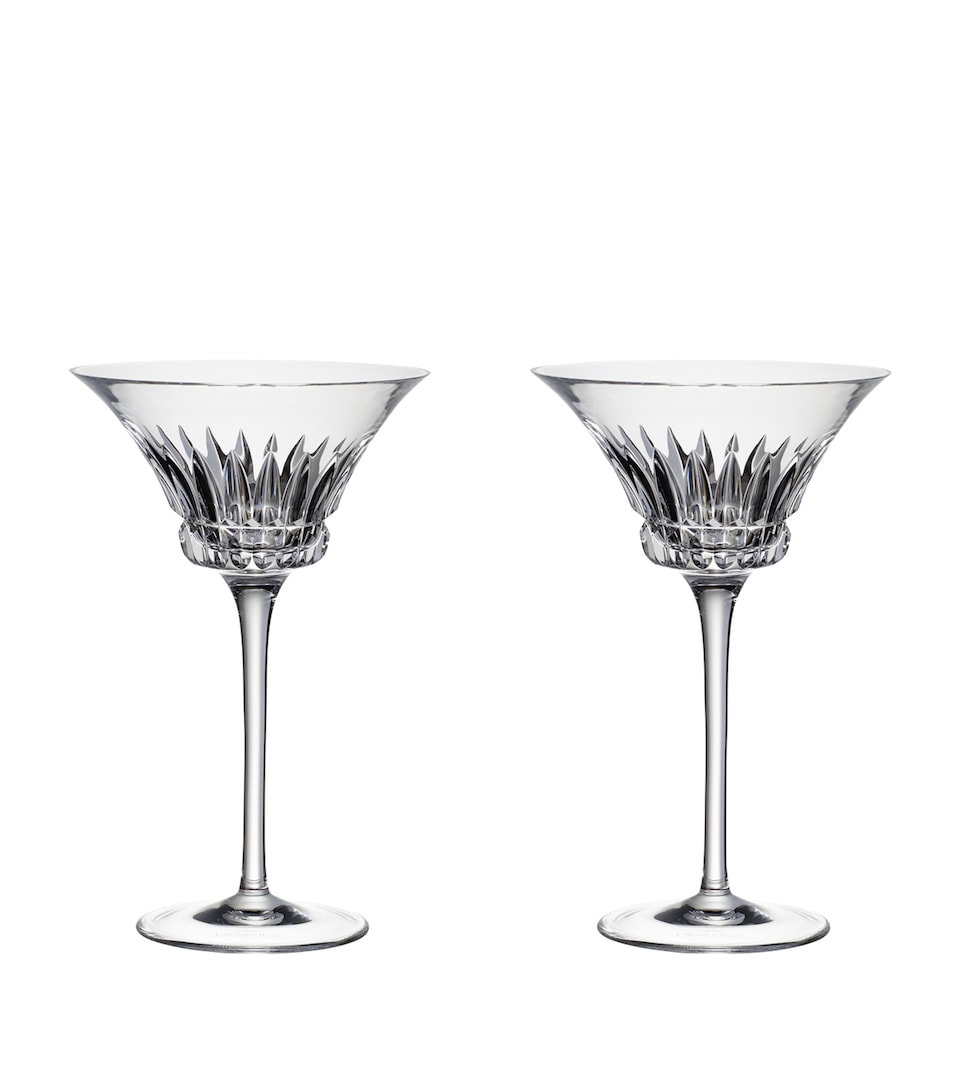
The Martini Glass

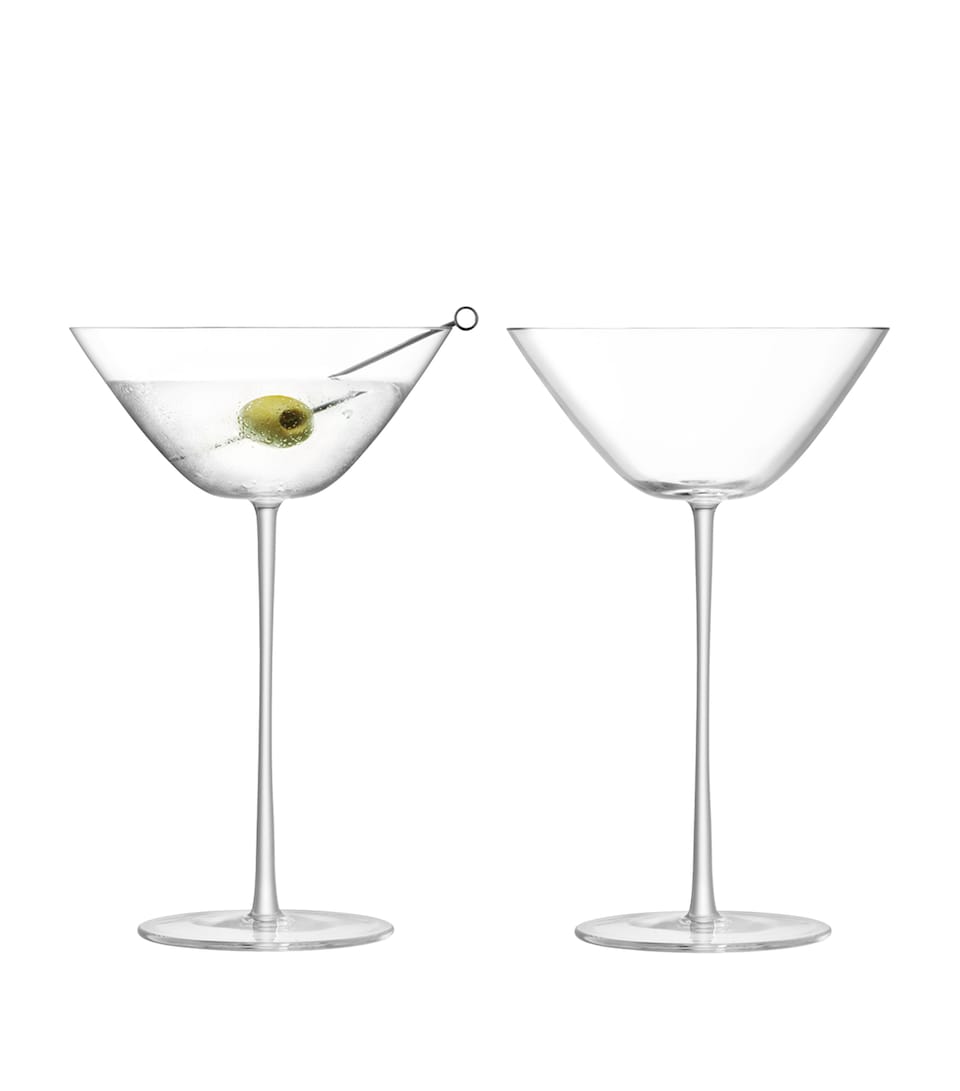
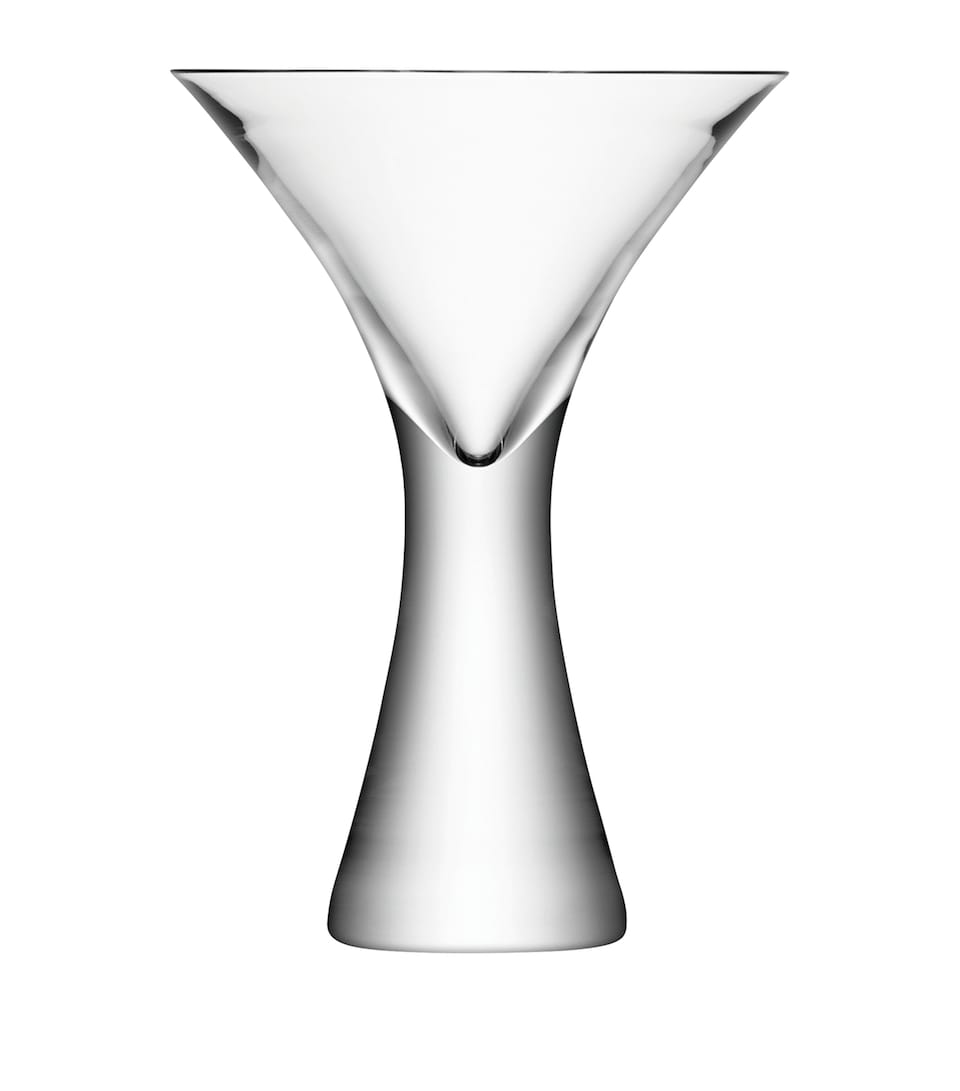
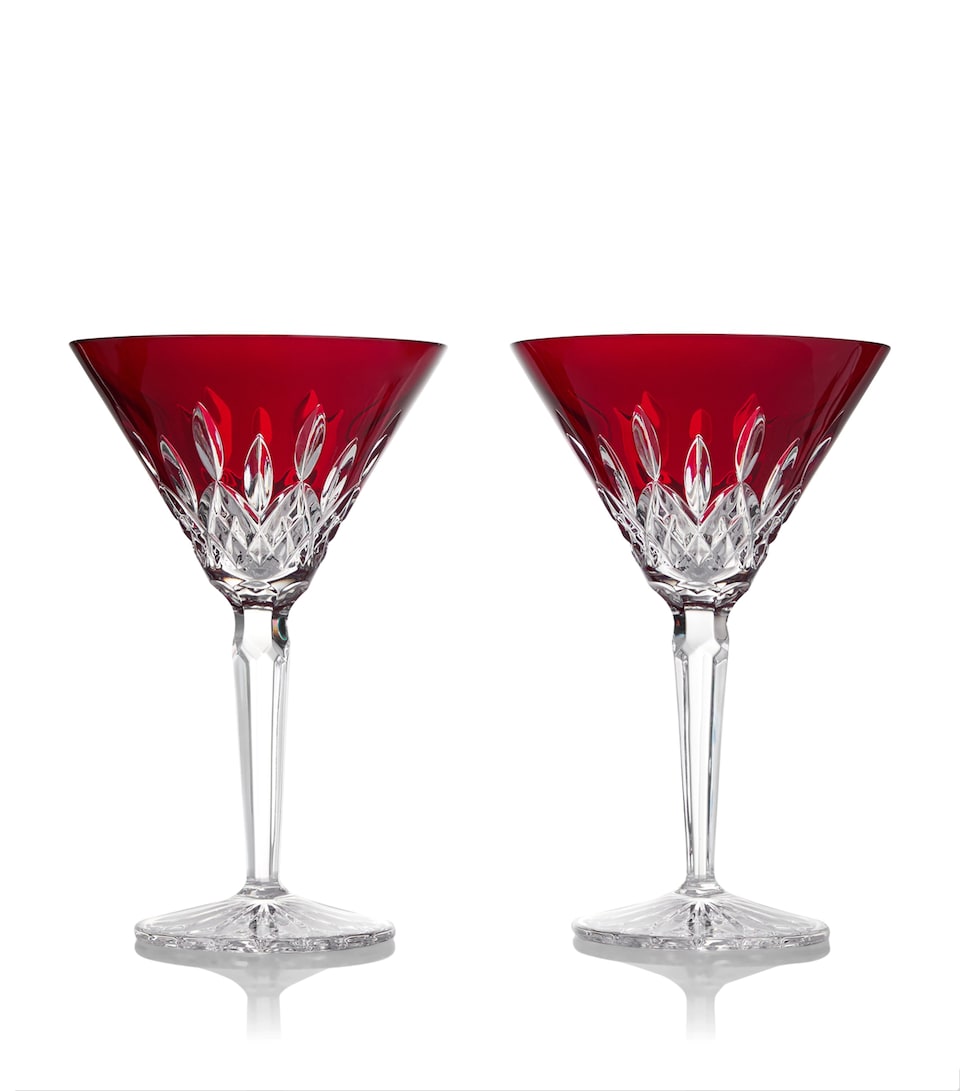
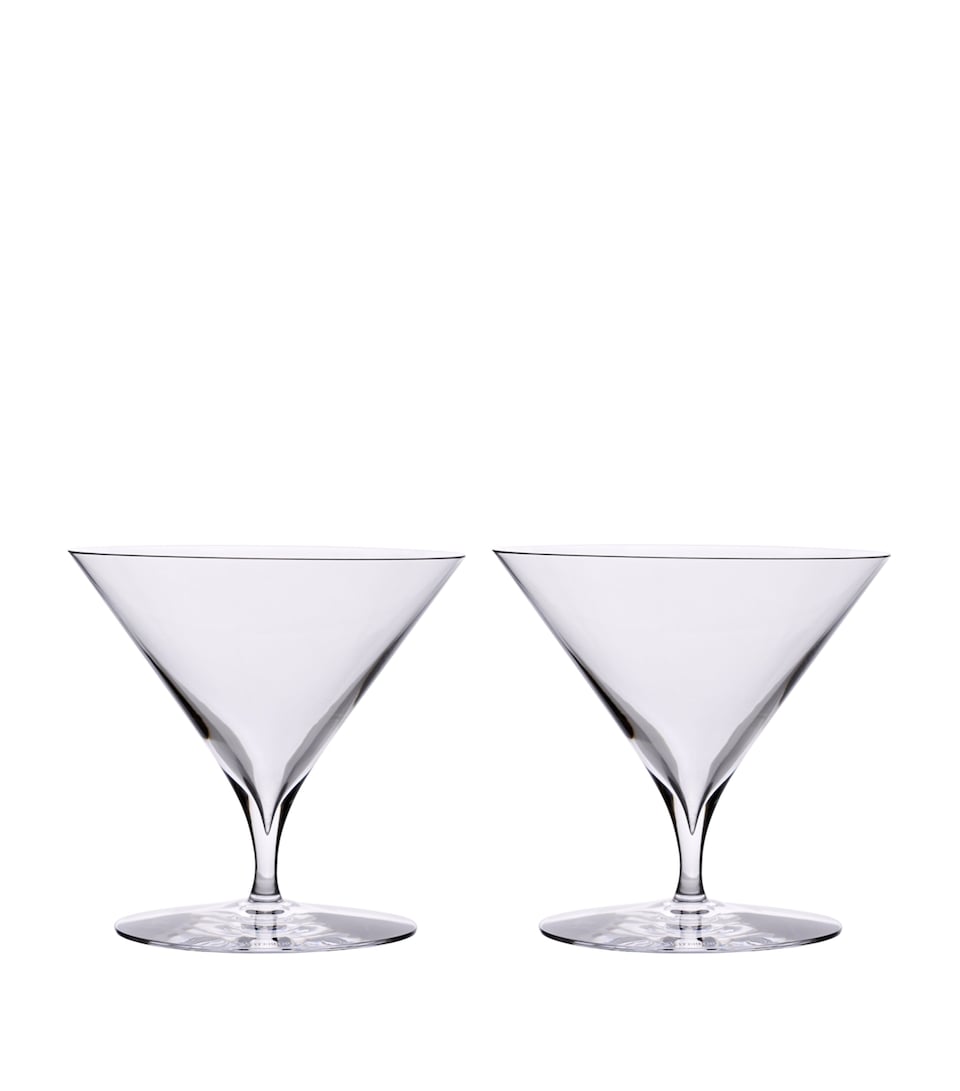
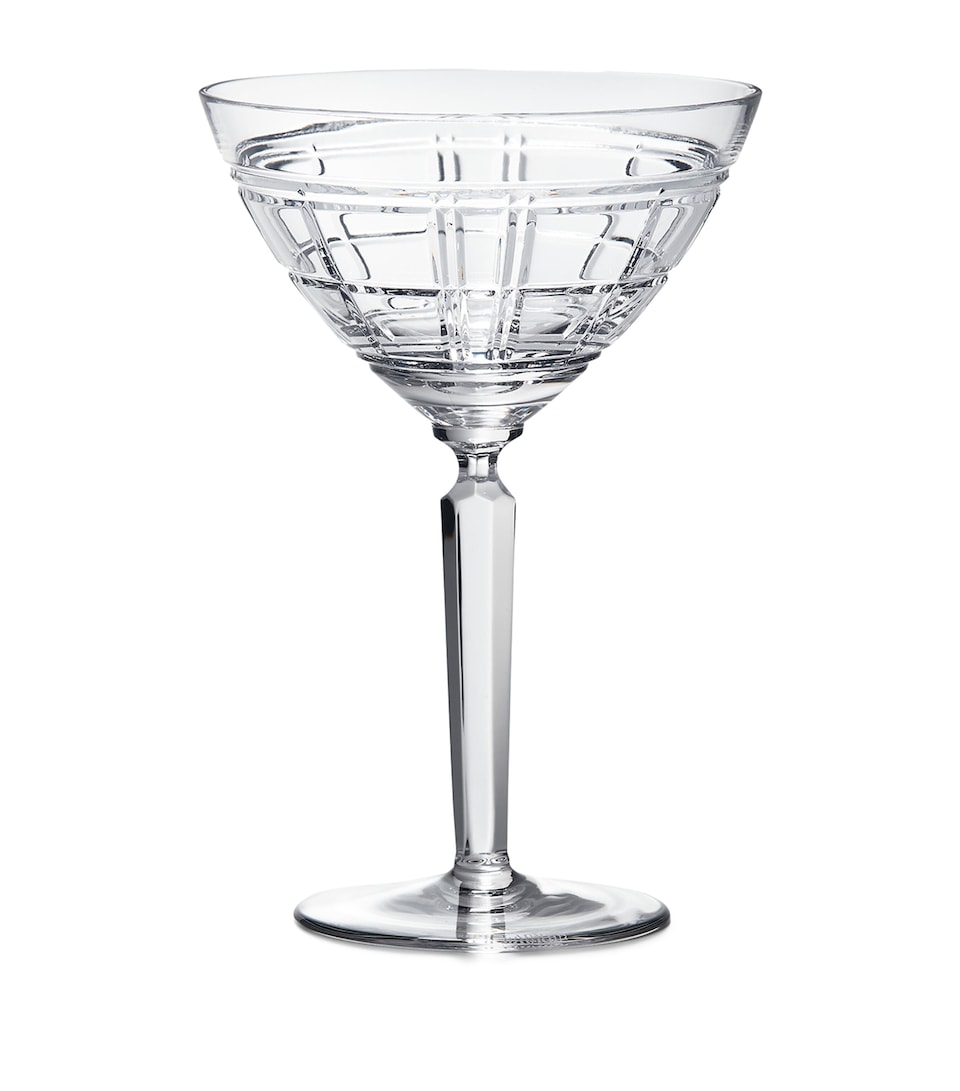
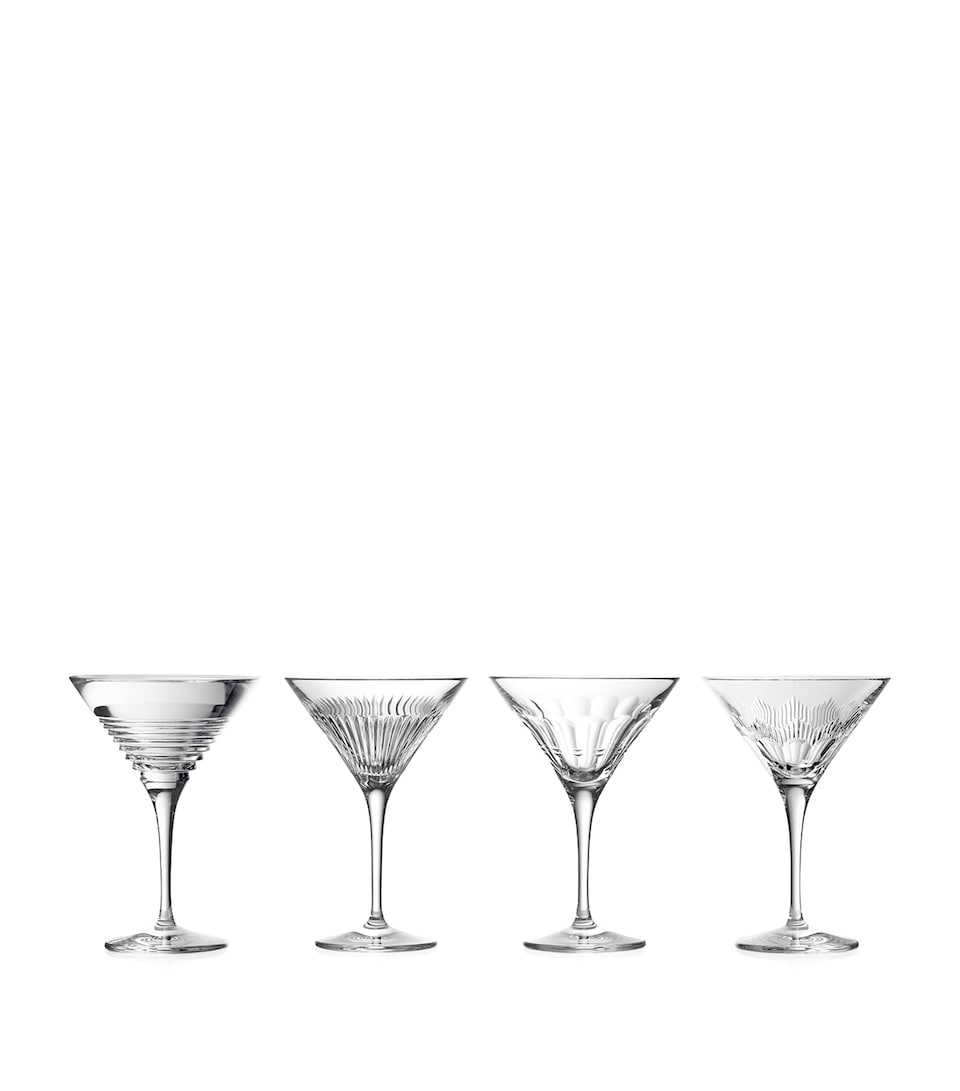
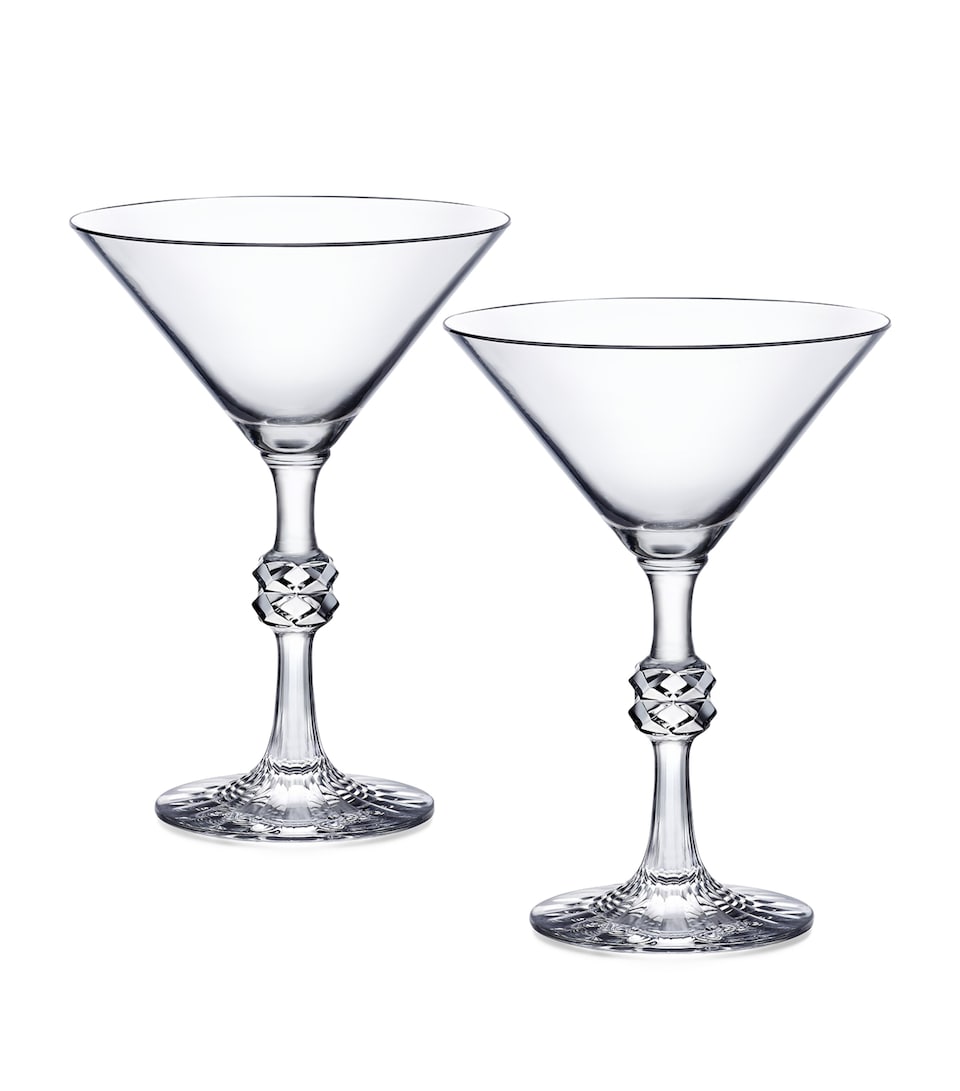
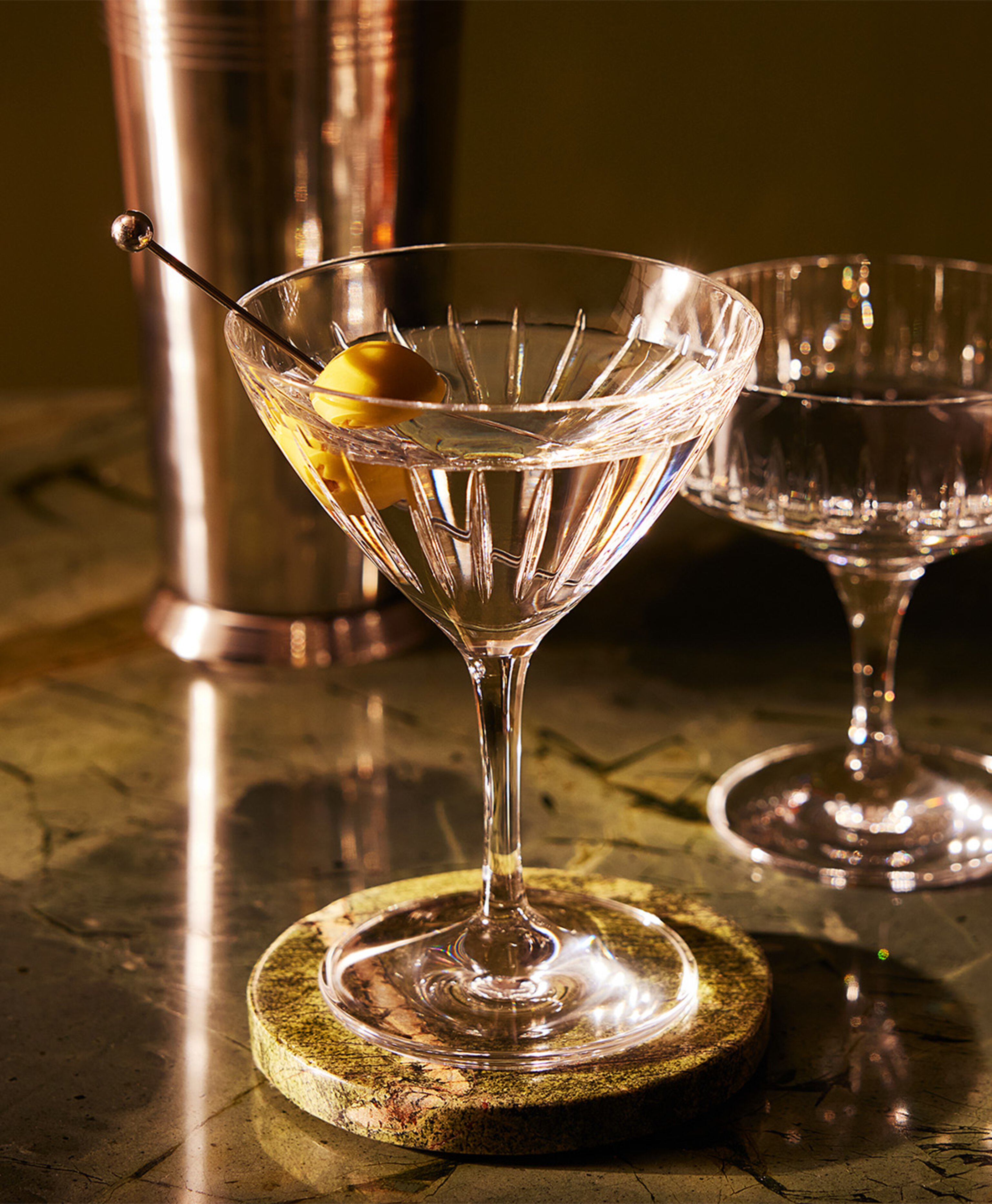
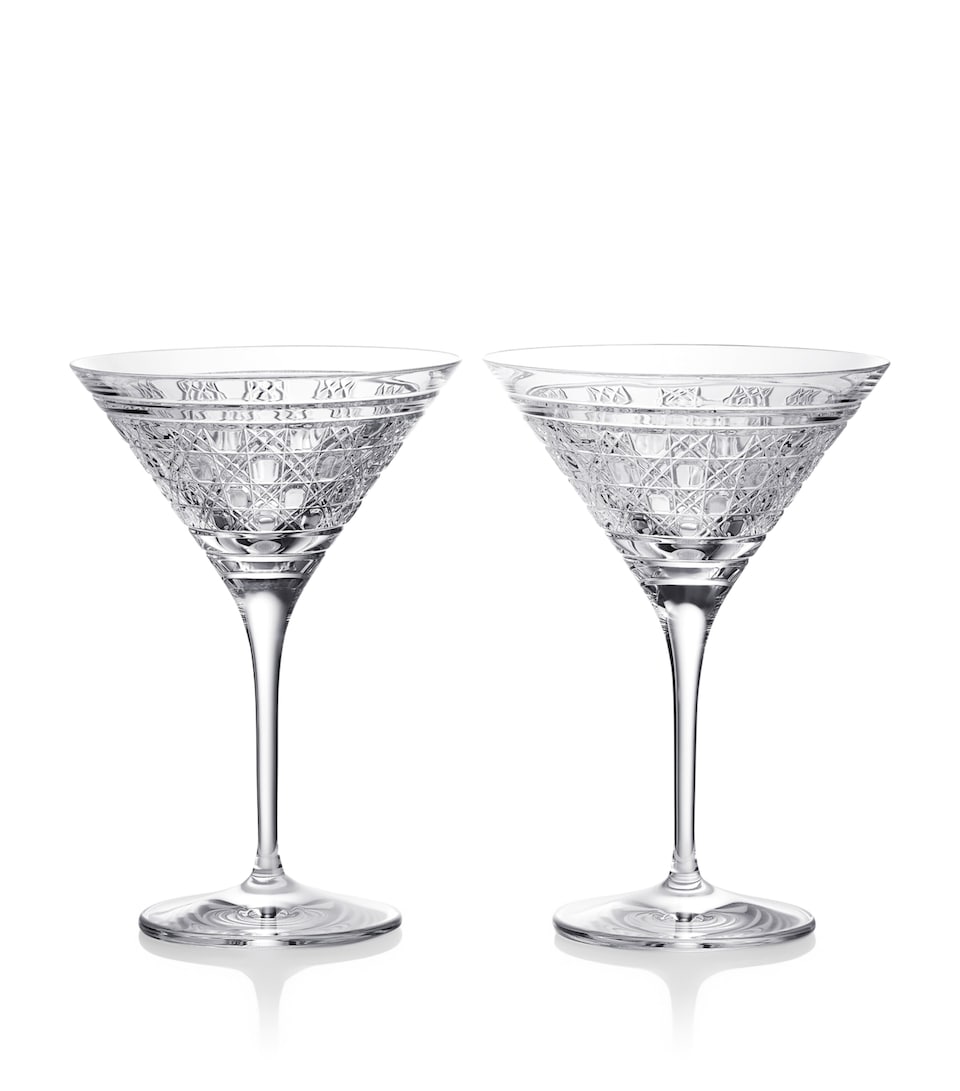
As the ultimate Art Deco creation, the martini glass has been gracing the heights of hedonism since the 1920s. The steep conical sides prevent cocktail ingredients from separating and provide the perfect angle to hold an olive skewer, while the flared brim exposes the spirit to more oxygen, allowing complex aromas to open up.


As this glass is on the smaller side, it doesn’t have space for ice, so use it for drinks that are straight up – that is, shaken or stirred with ice first, then poured. The long, elegant stem keeps the mixed liquid away from the hand, ensuring it stays chilled for longer.
The Highball Glass

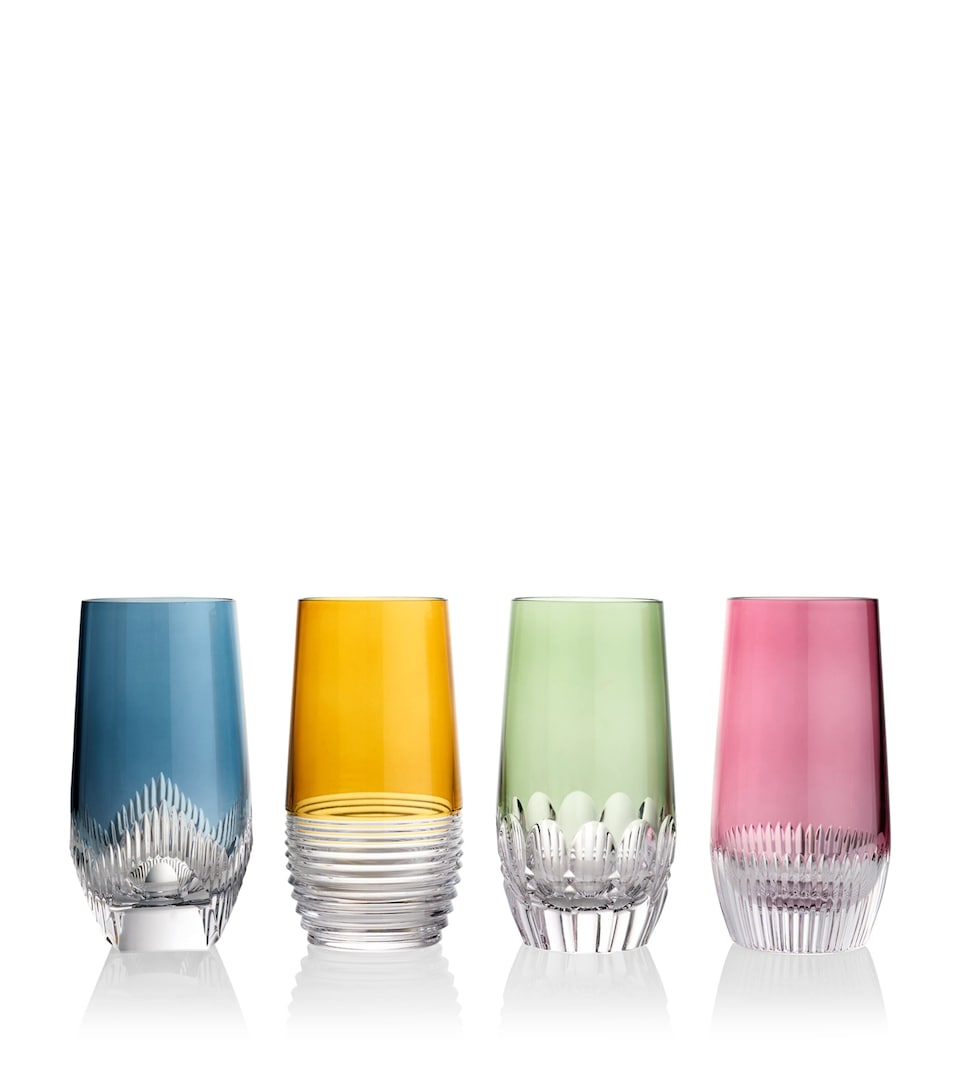
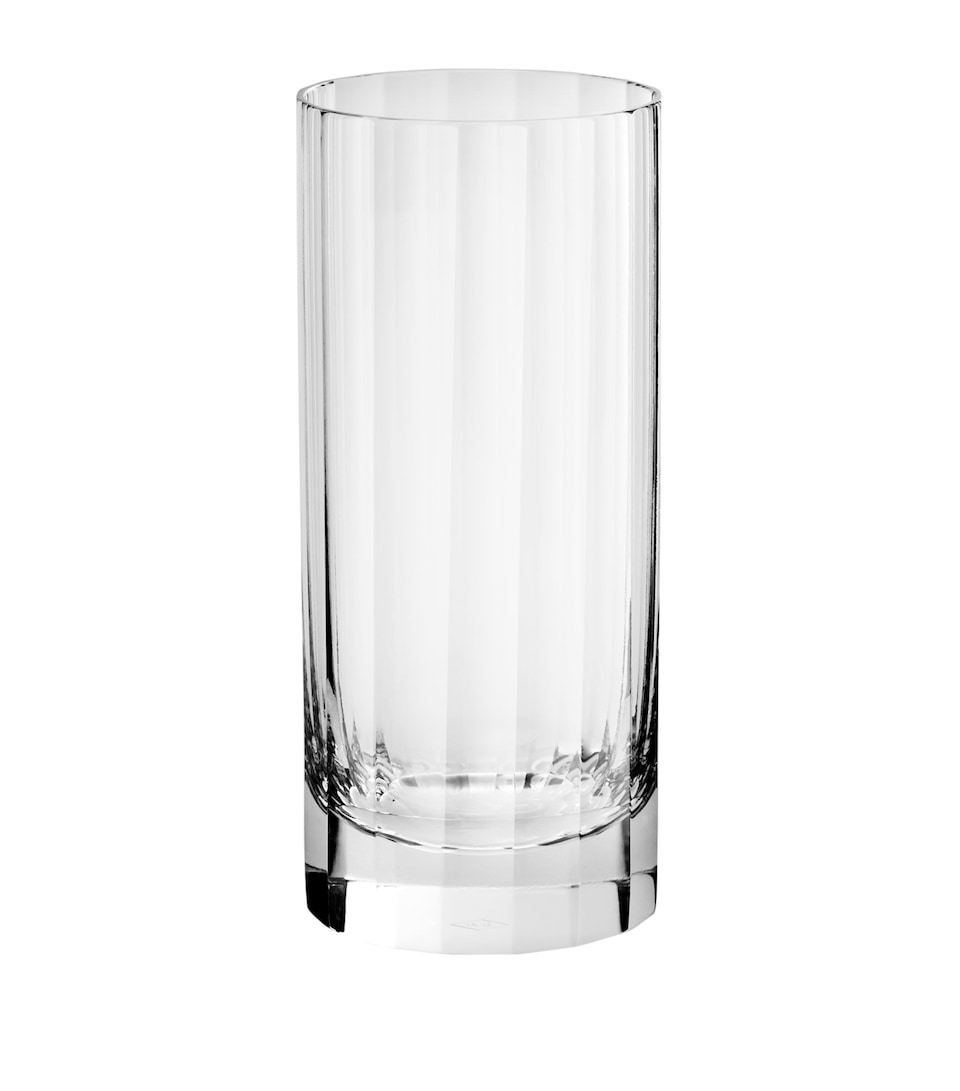
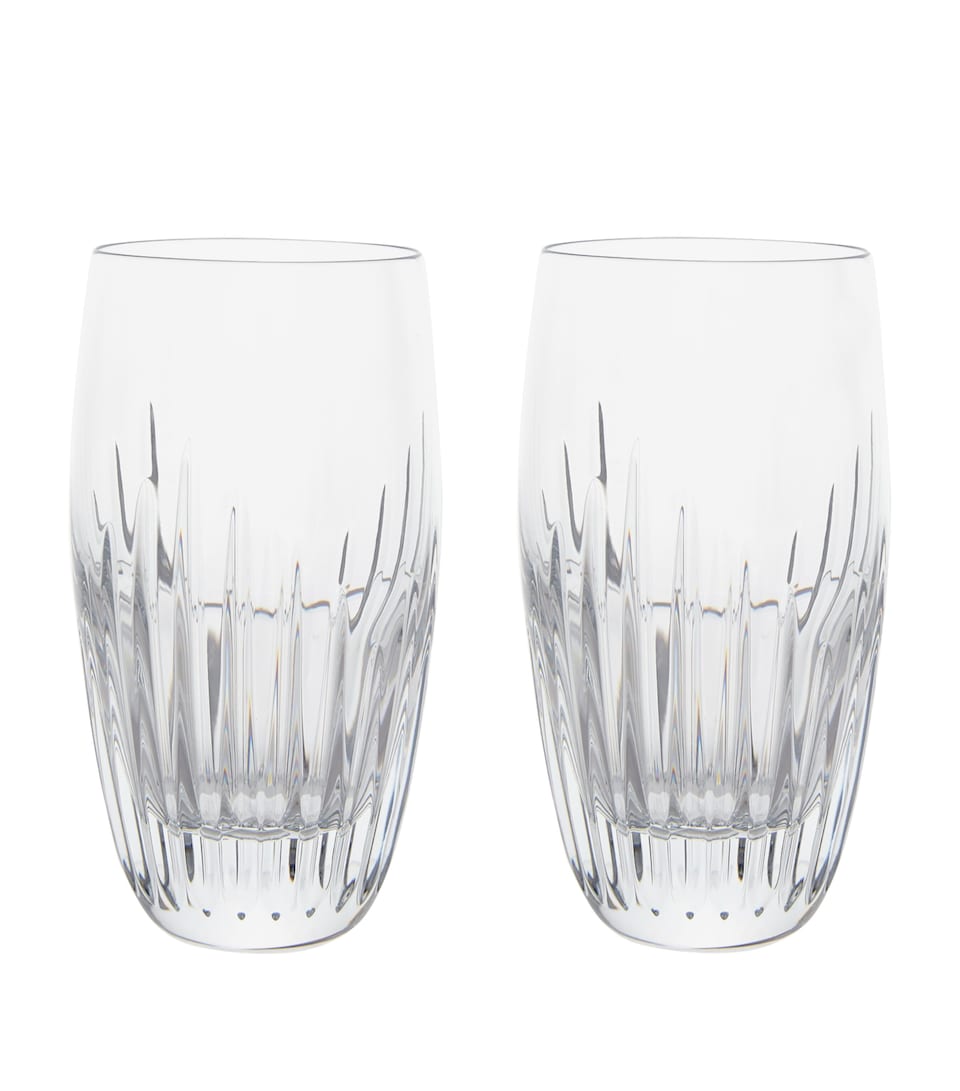
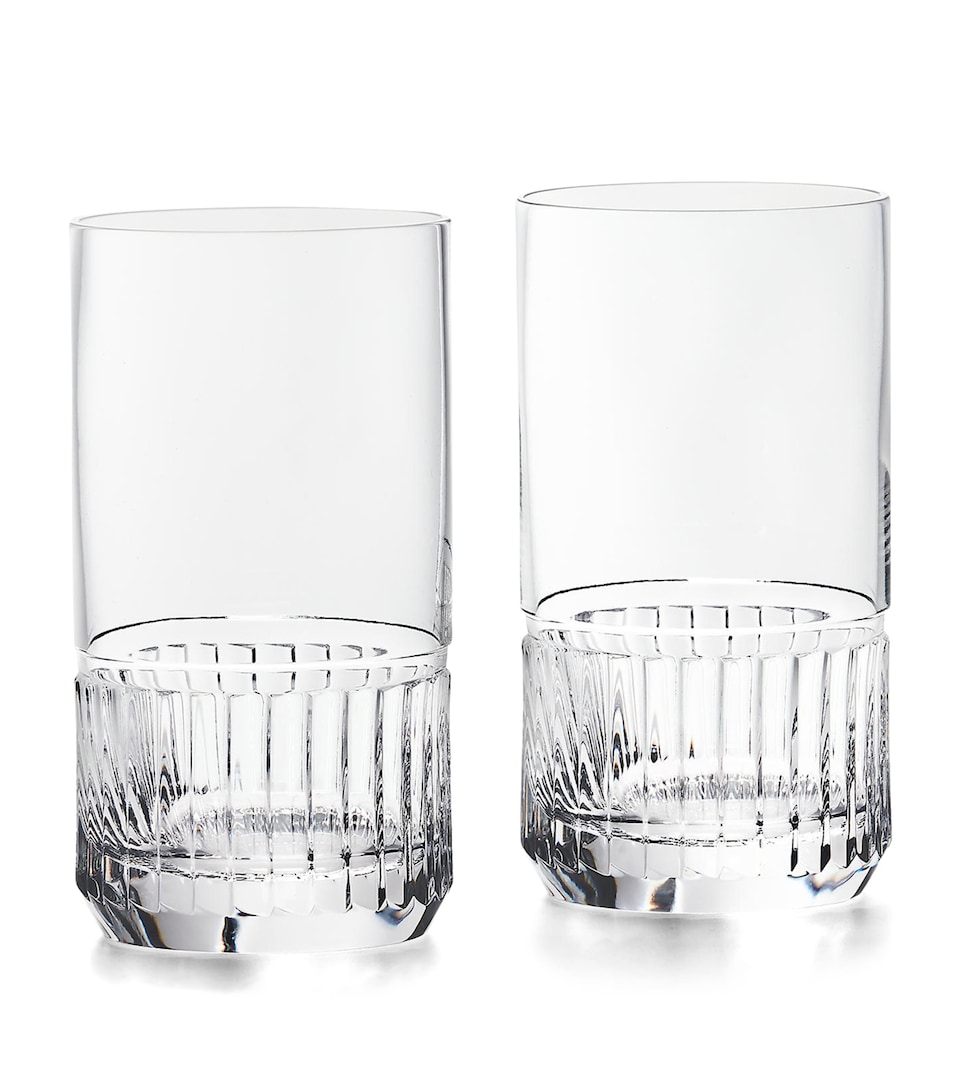
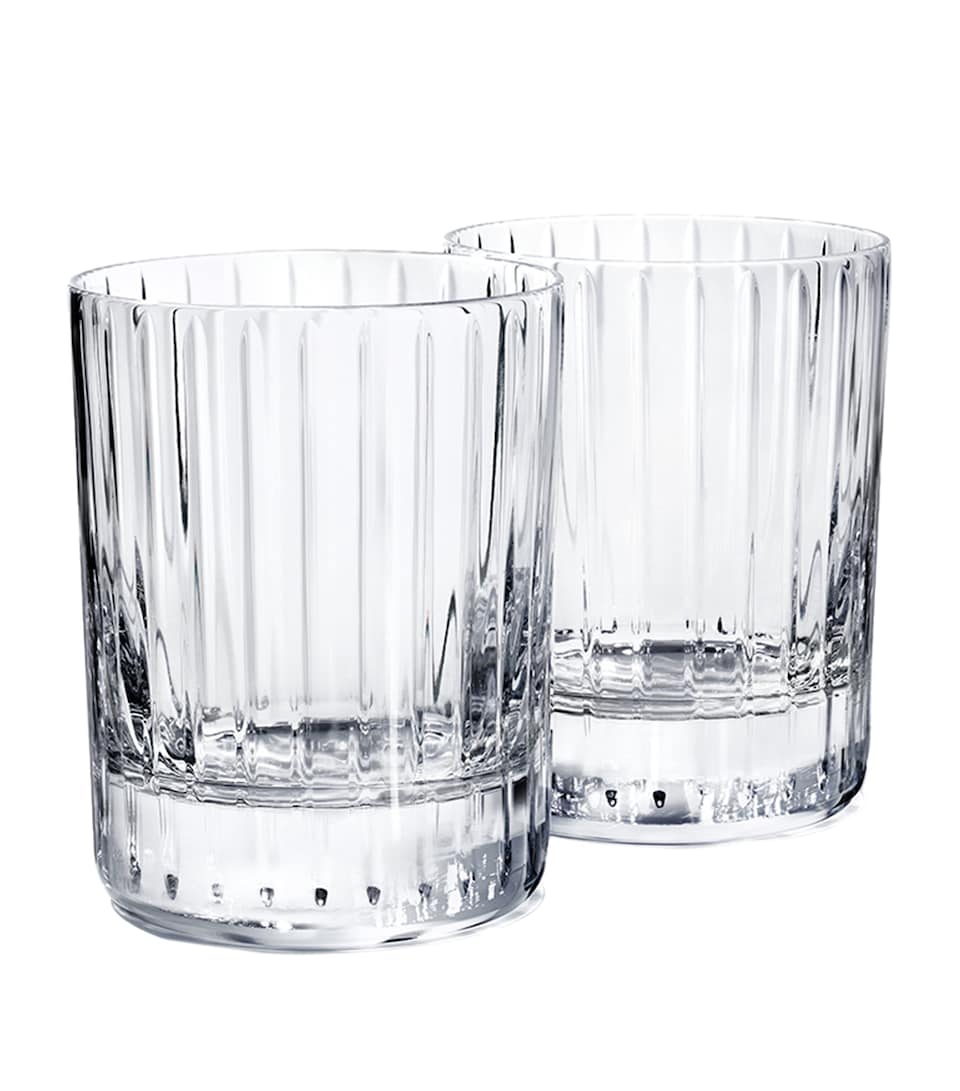
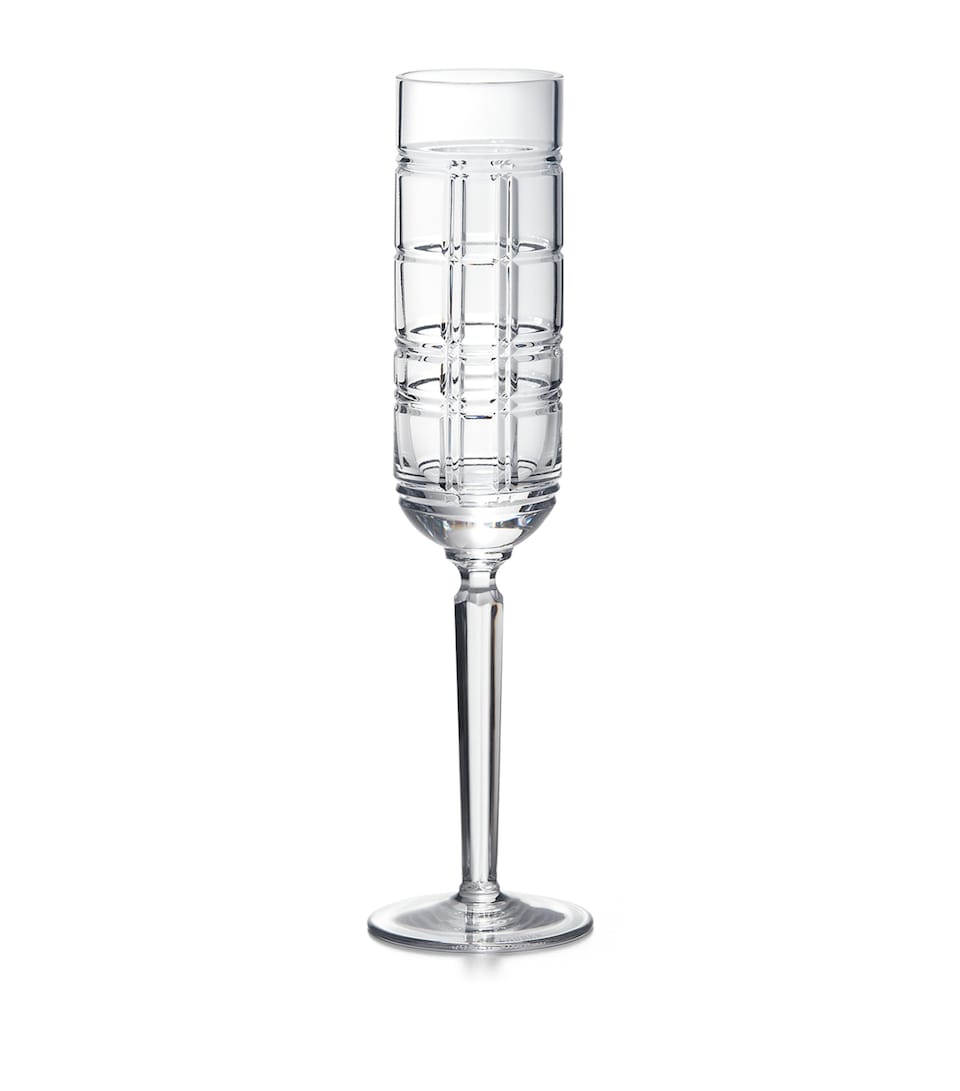
Sometimes referred to as a Collins glass, this slender vessel optimises the real estate needed for garnishes, ice and a generous amount of mixer. Convenience has been at the heart of the highball glass since its origins in the 19th century: its uncomplicated shape provides a straightforward path to drinks that combine mixing speed with flavour. Opt for textured surfaces like ripples or cut crystal to provide grip on condensation-drenched drinks, or choose smooth contours to show the colour of the drink to maximum effect.
The Lowball Glass

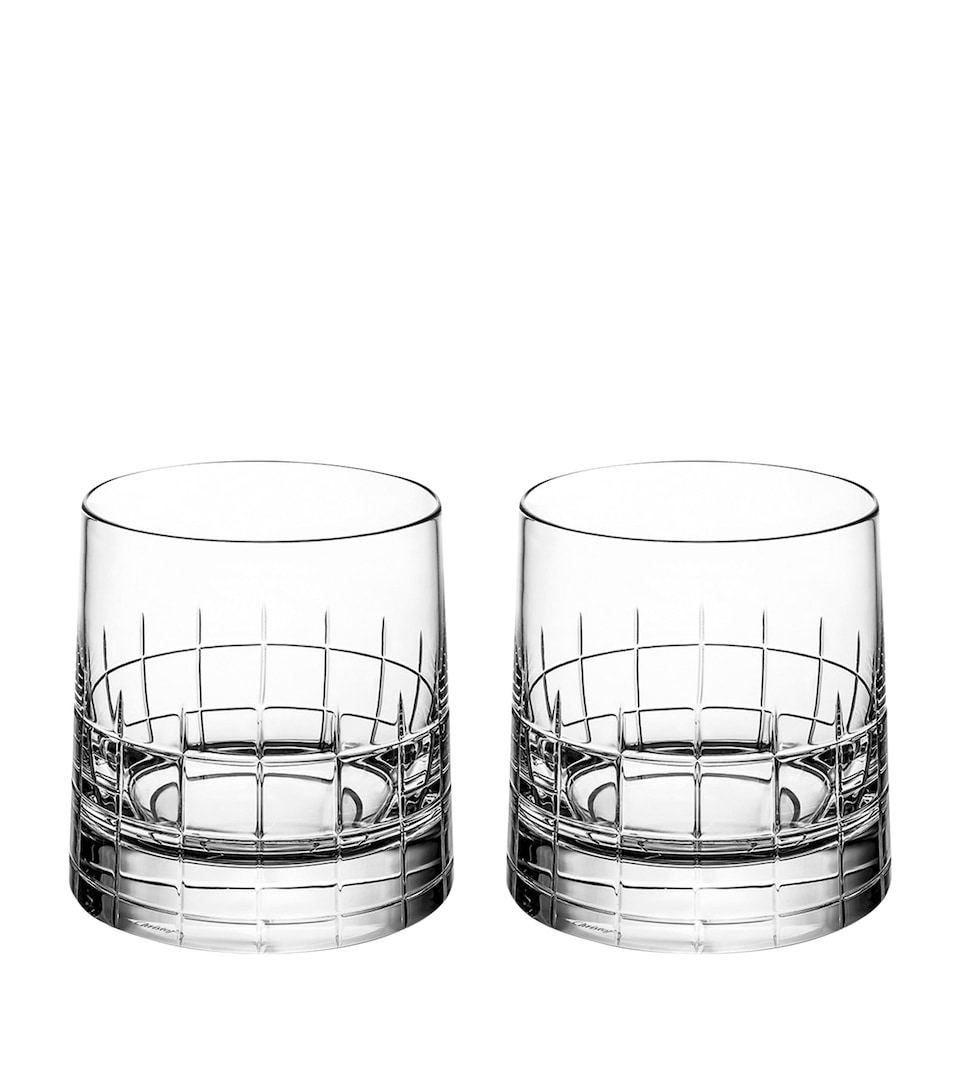
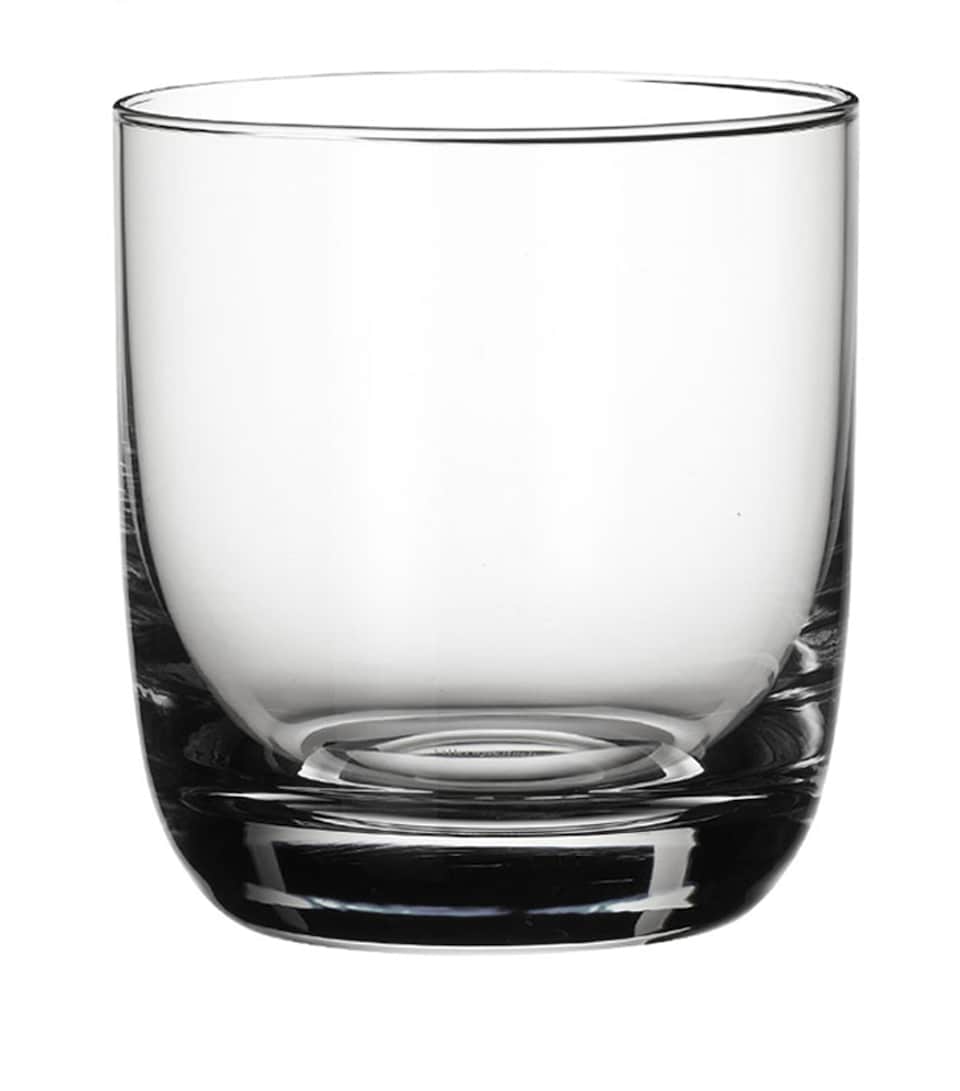
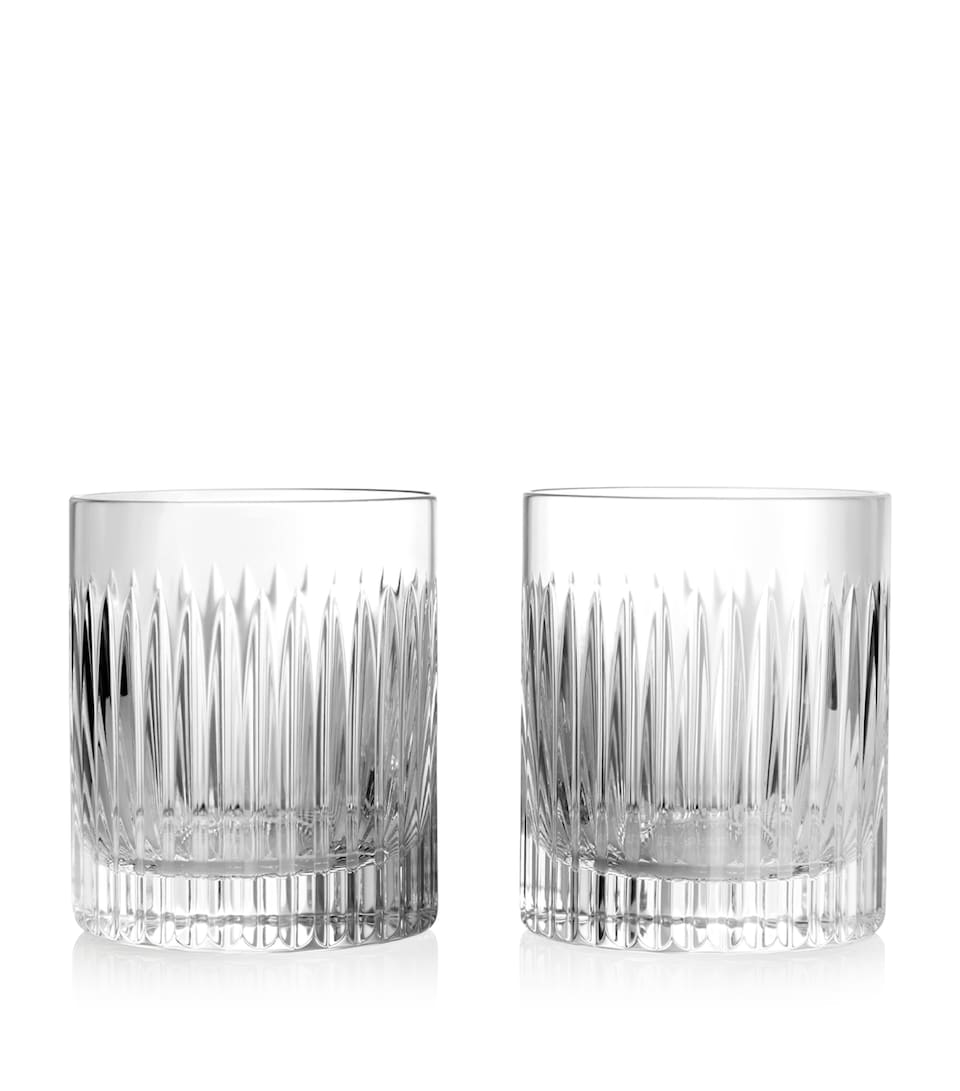
As with many things associated with a good drink, the lowball glass originated in Scotland. The shallow depth and broad bottom of the quaich – a traditional Scottish drinking bowl – were a forerunner of the stability and structure we find in today’s lowball glass, which is traditionally used for spirit-heavy cocktails. The thick base – the sham – of the modern lowball can withstand a muddler’s pressure as it grinds fruits, herbs and spices to create classic cocktails such as the old fashioned, while the wide stature provides ample space for ice.

Champagne Glasses

Celebrate the best moments in style by choosing the right types of Champagne glasses for the occasion. Pay attention to the shape of the brim, as this will affect the aromas and bubbles released.


The tulip shape (slightly tapered) traps the yeast and fruity fragrances in the bowl along with the bubbles, making it optimal for prestige vintages, while a straight, narrow brim maximises vertical bubble tracks and preserves carbonation the best. Finally, there’s the curved brim, which directs the sparkling liquid wider across the palate, offering fuller flavour with every sip.


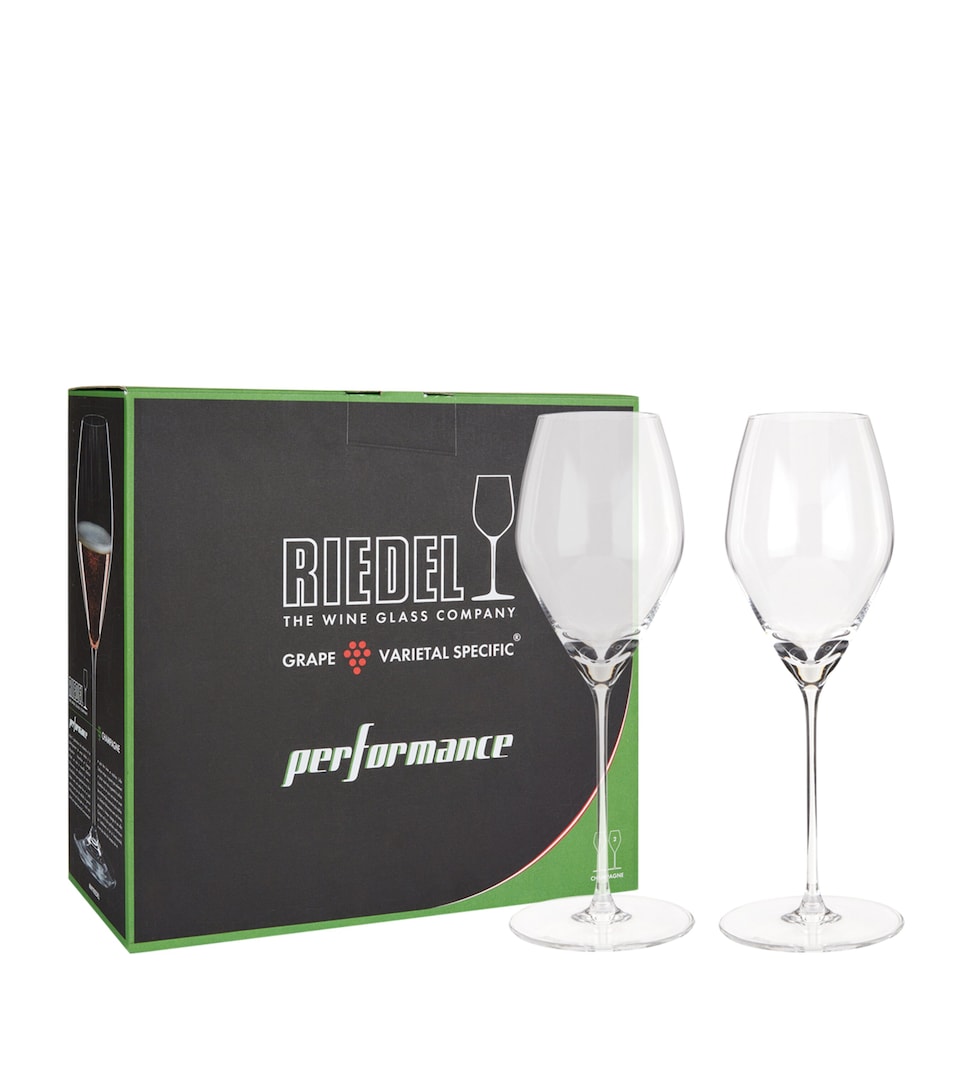
Discover Baccarat and Riedel Champagne glasses along with LSA International Champagne flutes and more in-store and online.

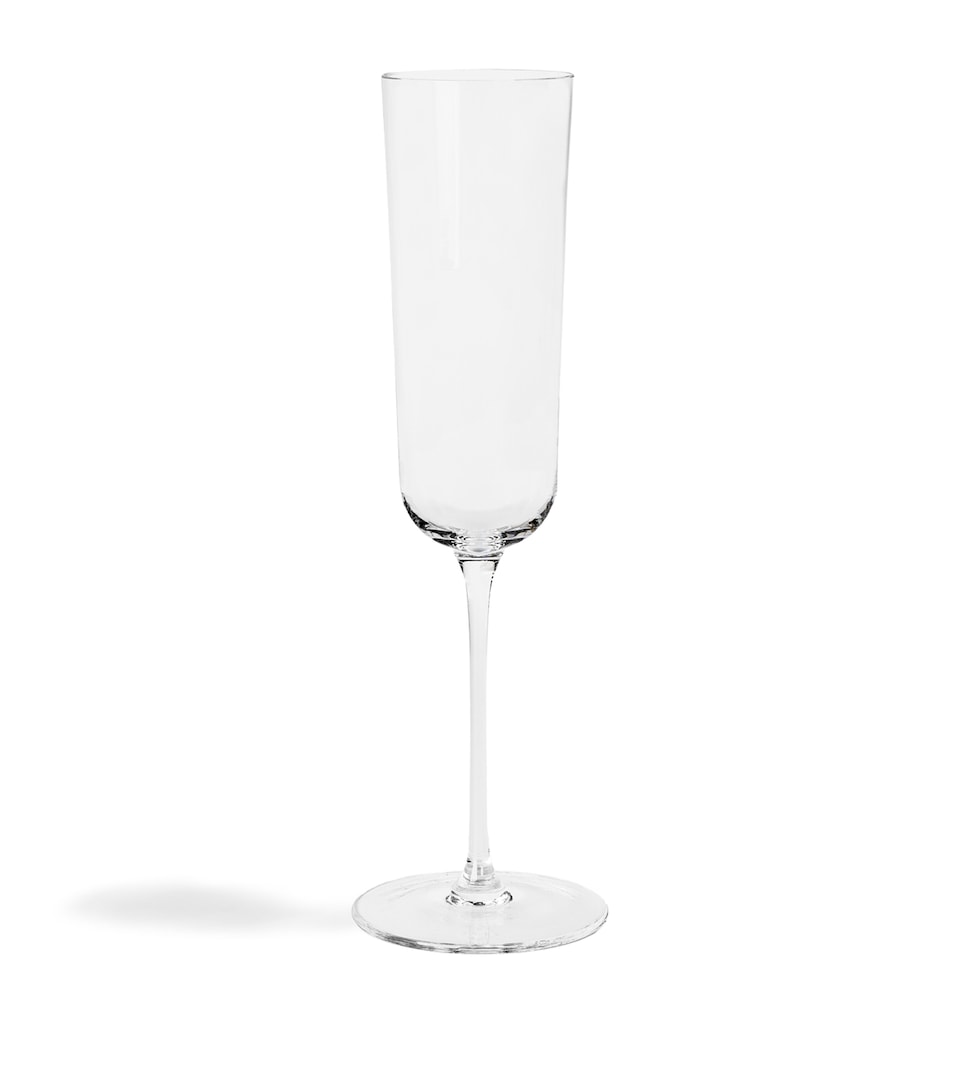
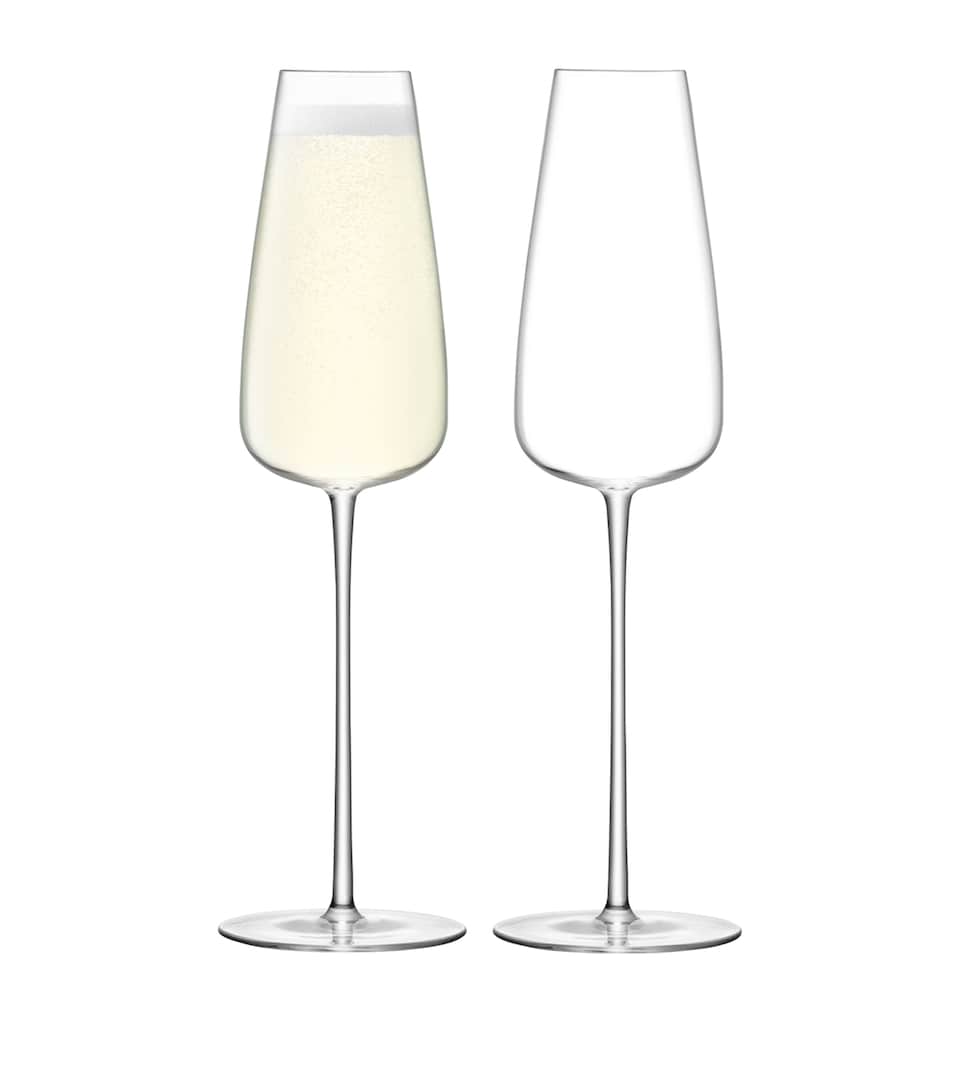
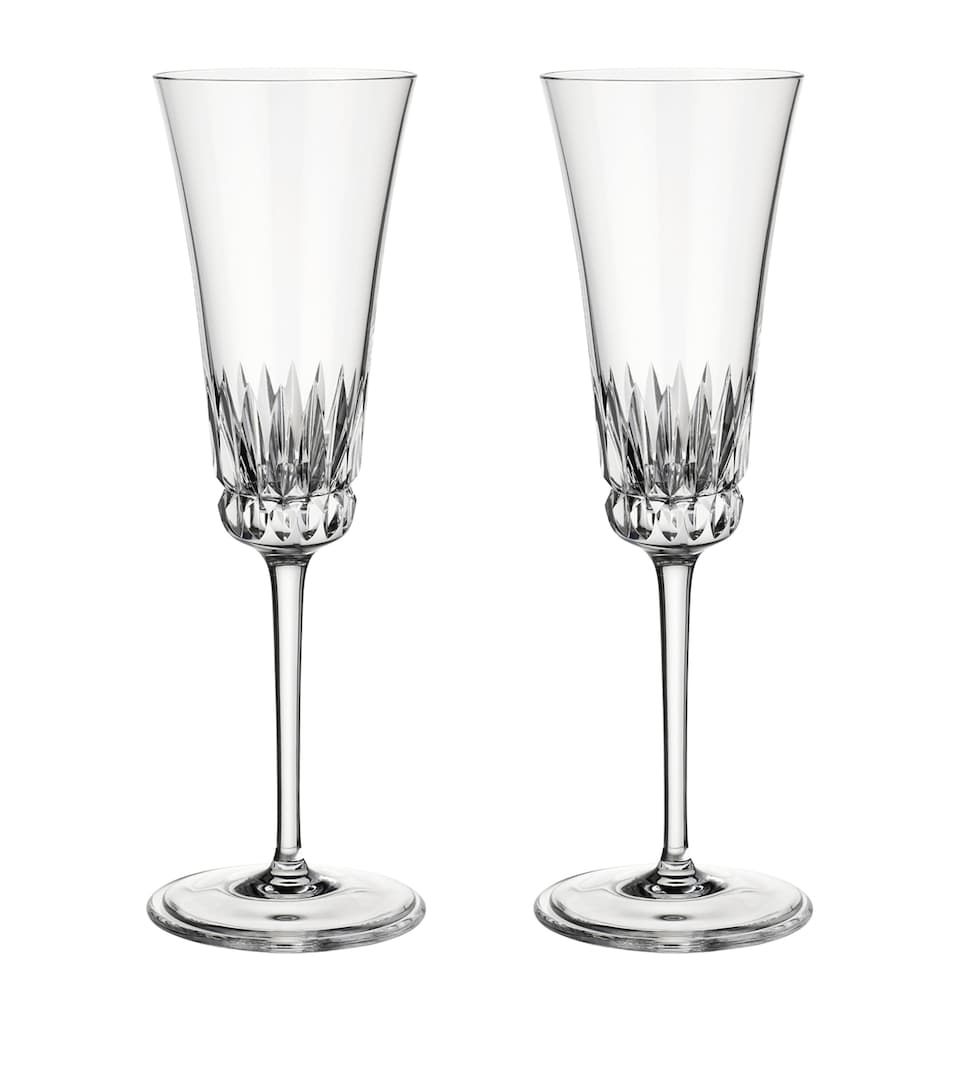
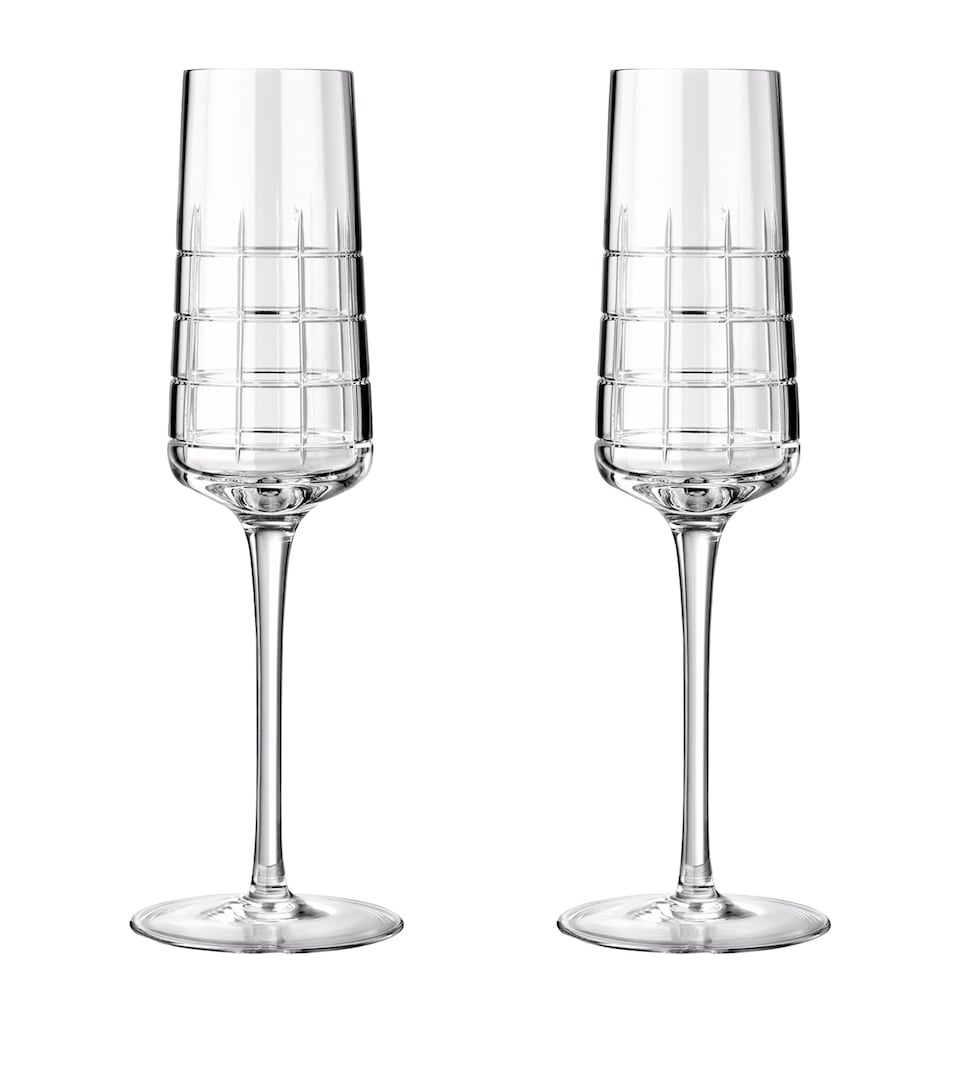
The Champagne Flute

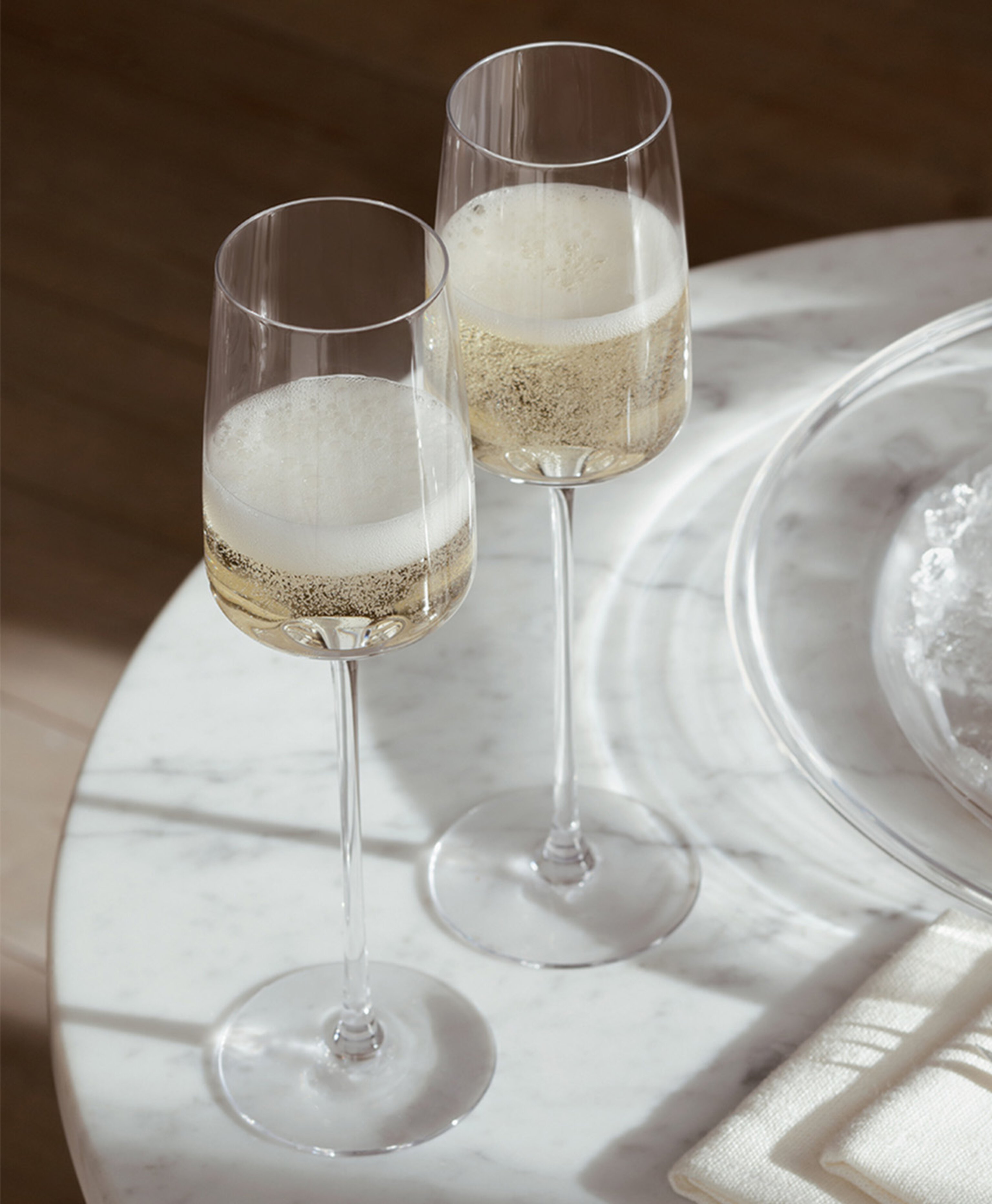
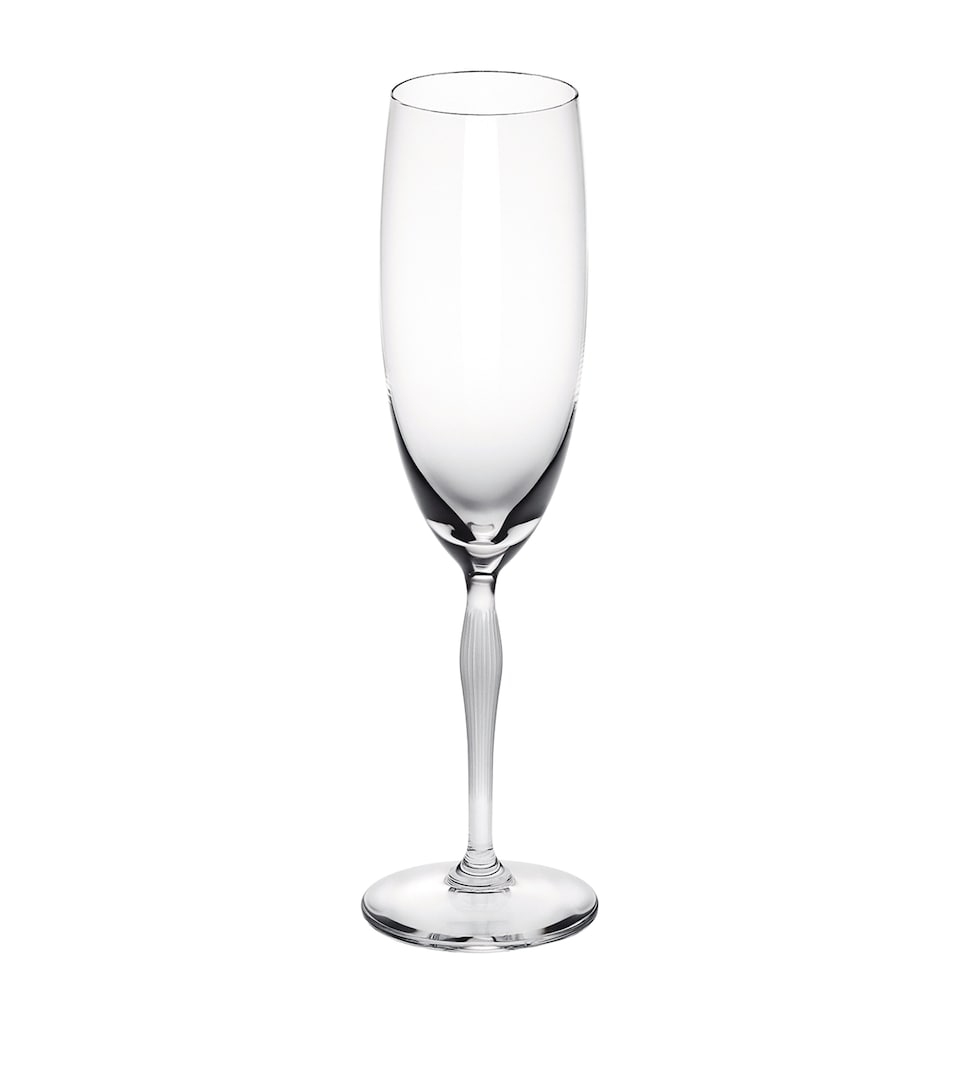
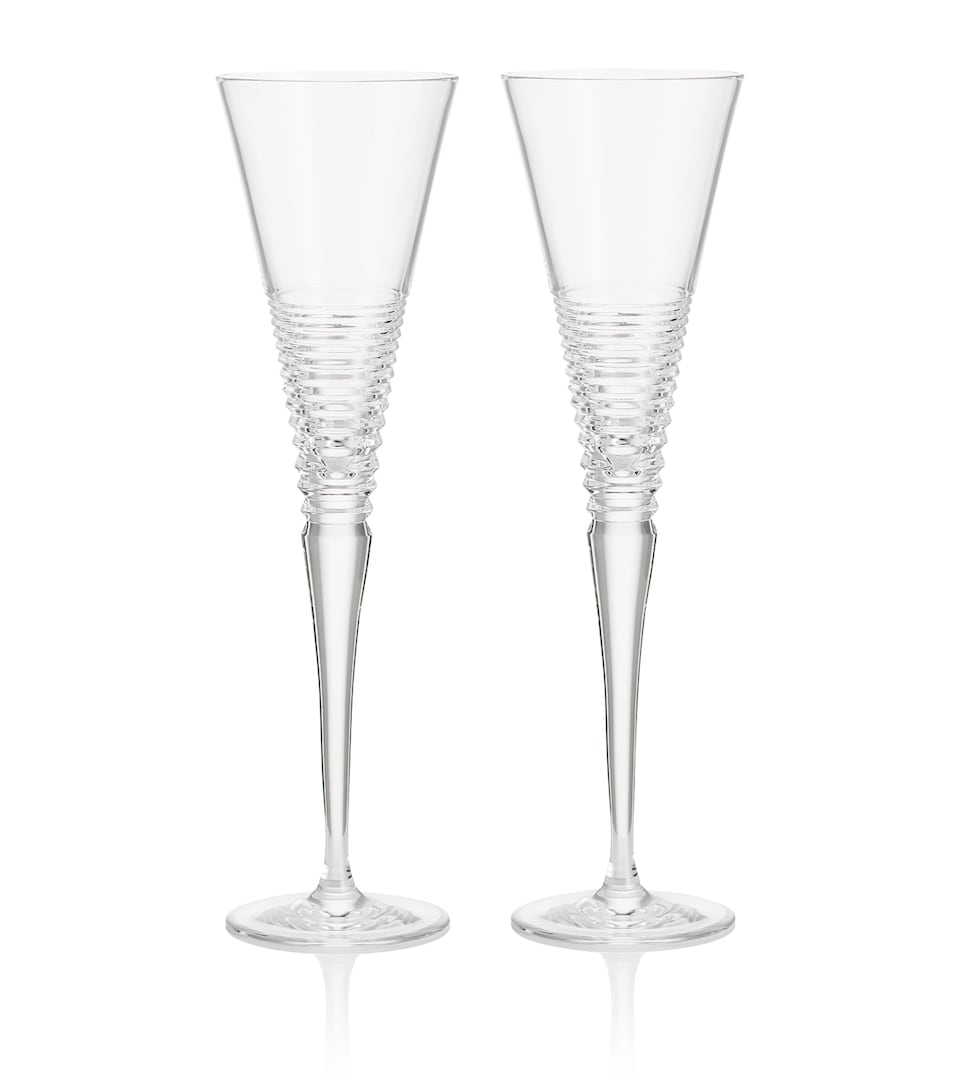
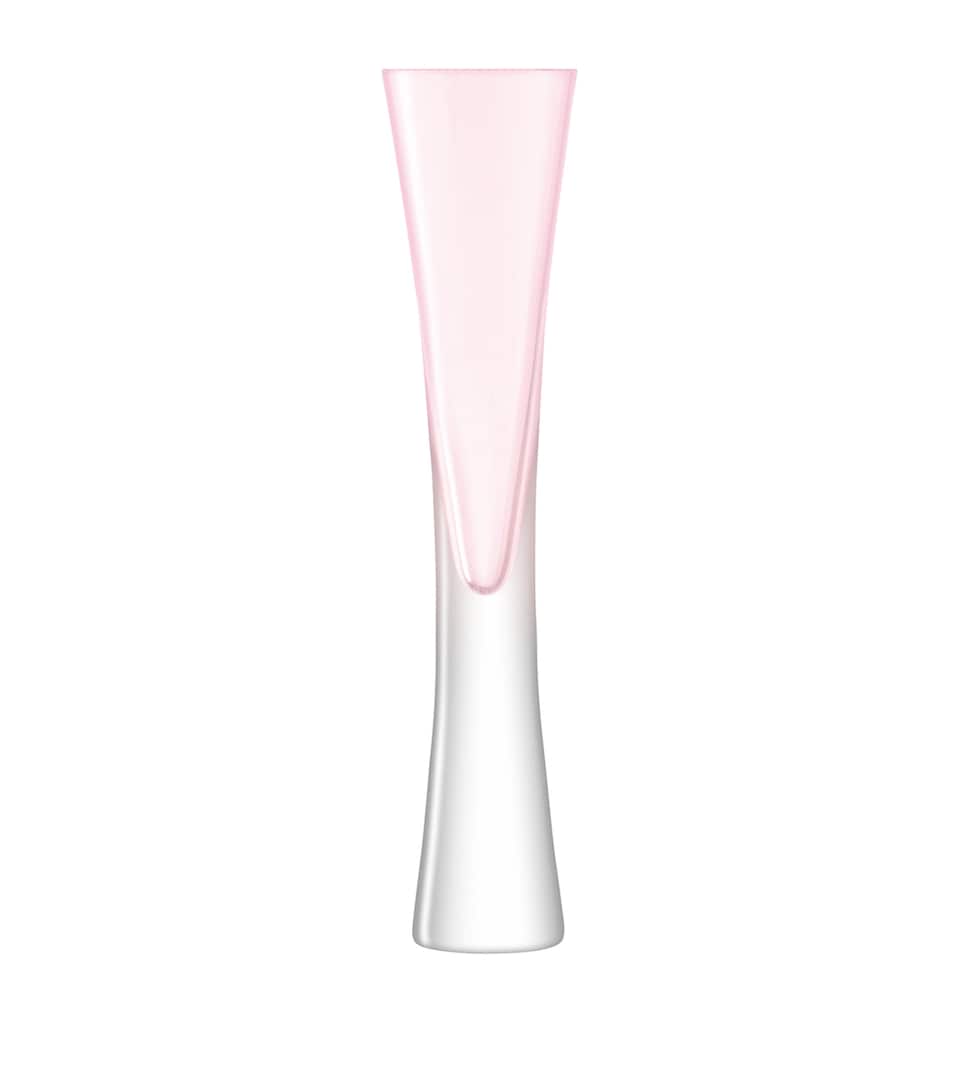
Widely regarded as the shape best for preserving Champagne’s effervescence, champagne flutes offer poise alongside practicality. The straight silhouette works best for aperitifs and non-vintage Champagnes, while a more tulip-shaped bowl enhances the delicate palate of vintage and prestige bottles.


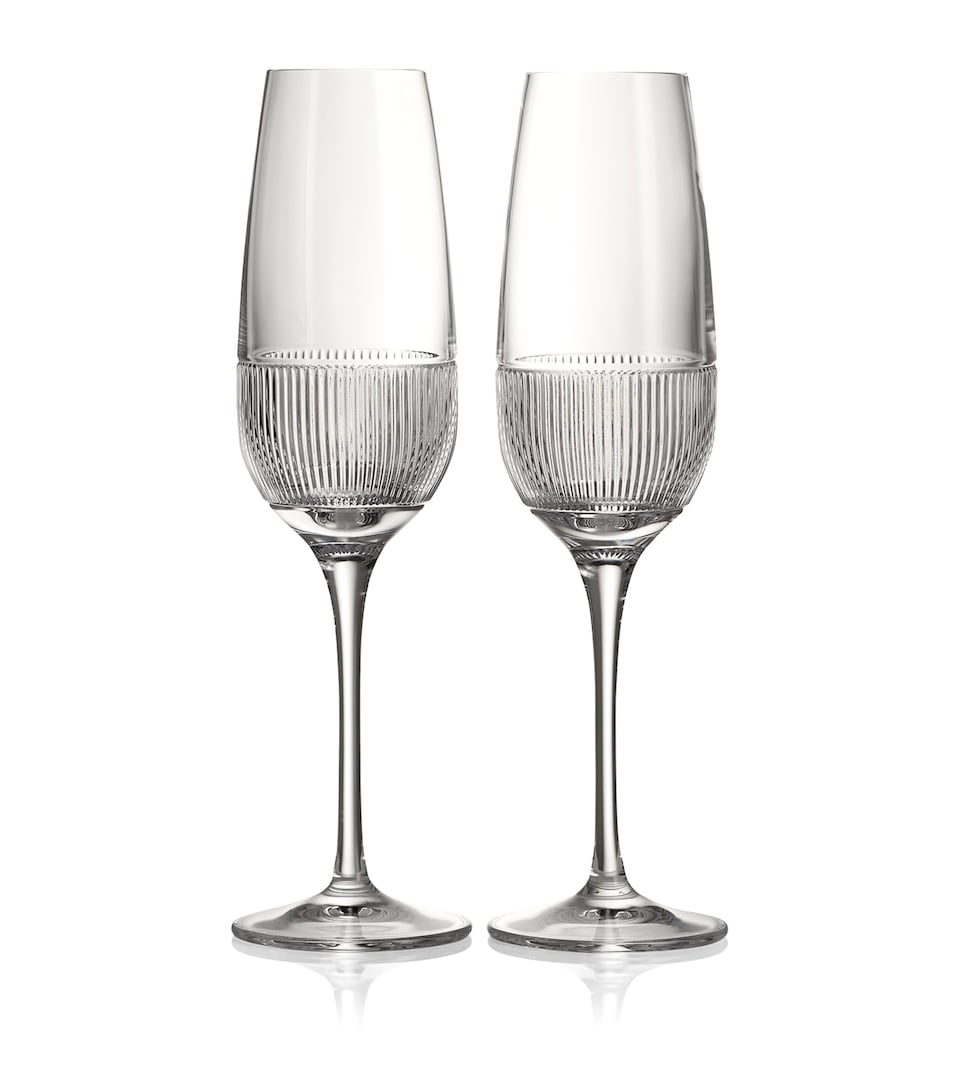
Traditional glasses from well-established brands offer a heritage option – Waterford Champagne flutes are well-known for excellent quality – while more playful, modernist designs from LSA International or cut-crystal versions from Christofle and Ralph Lauren Home bring the charm of texture to any occasion.

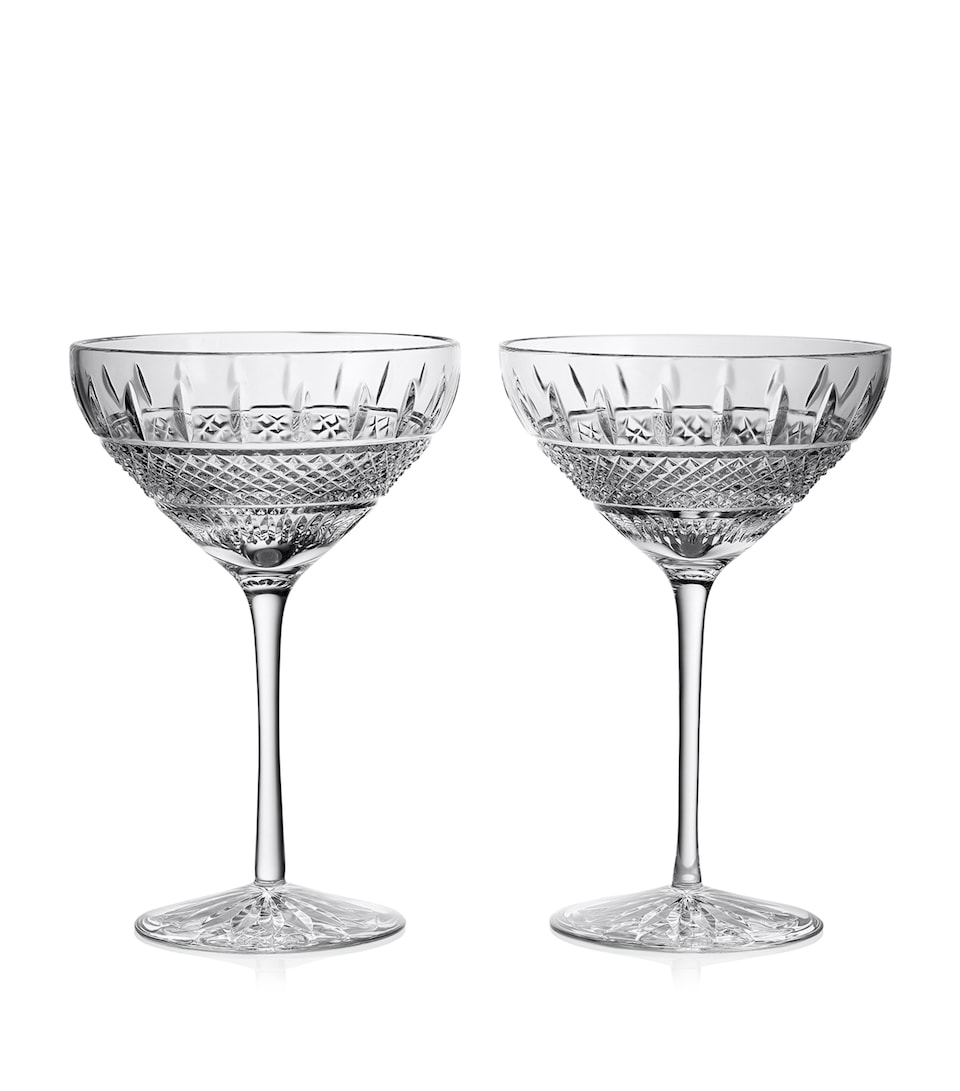
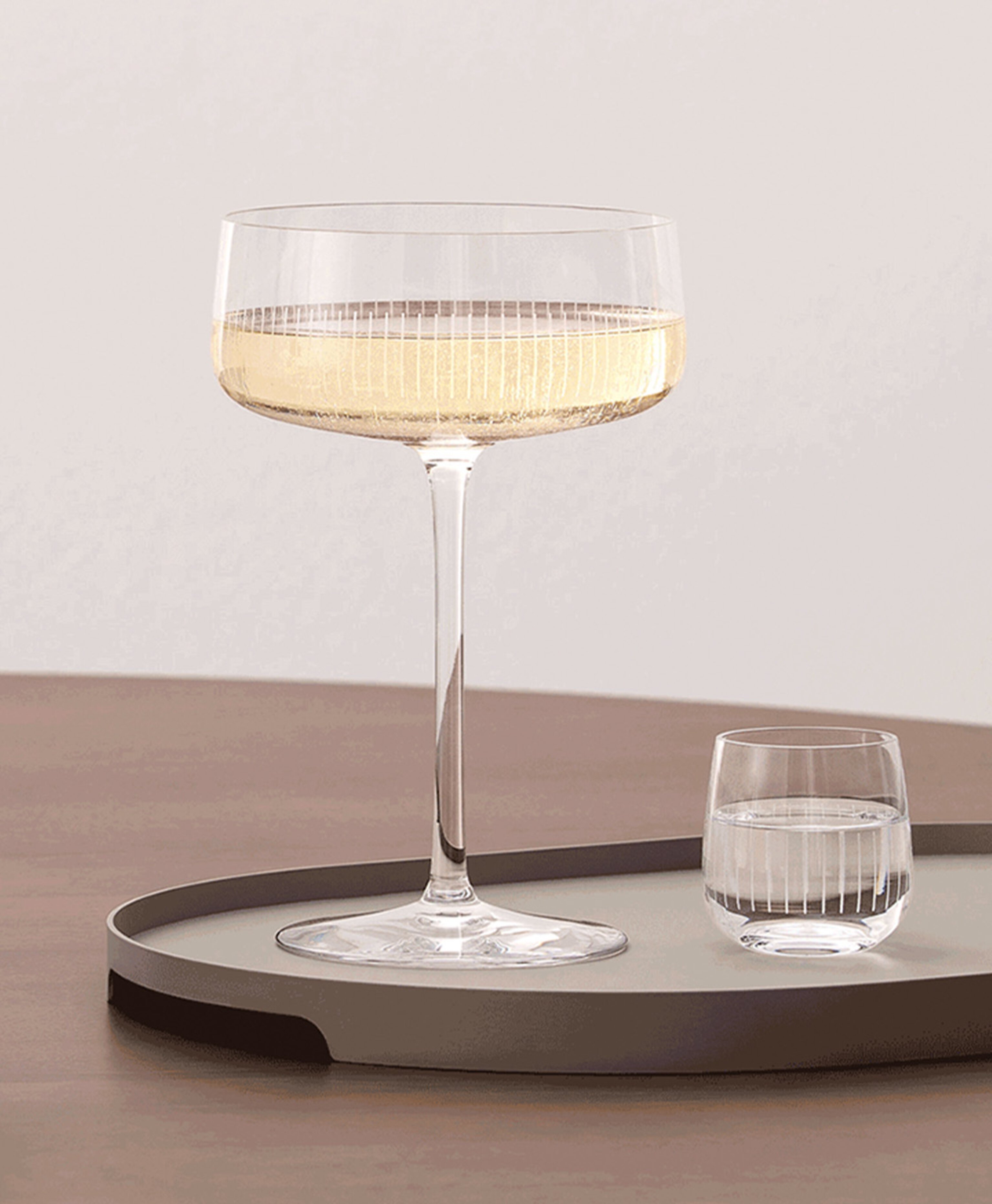
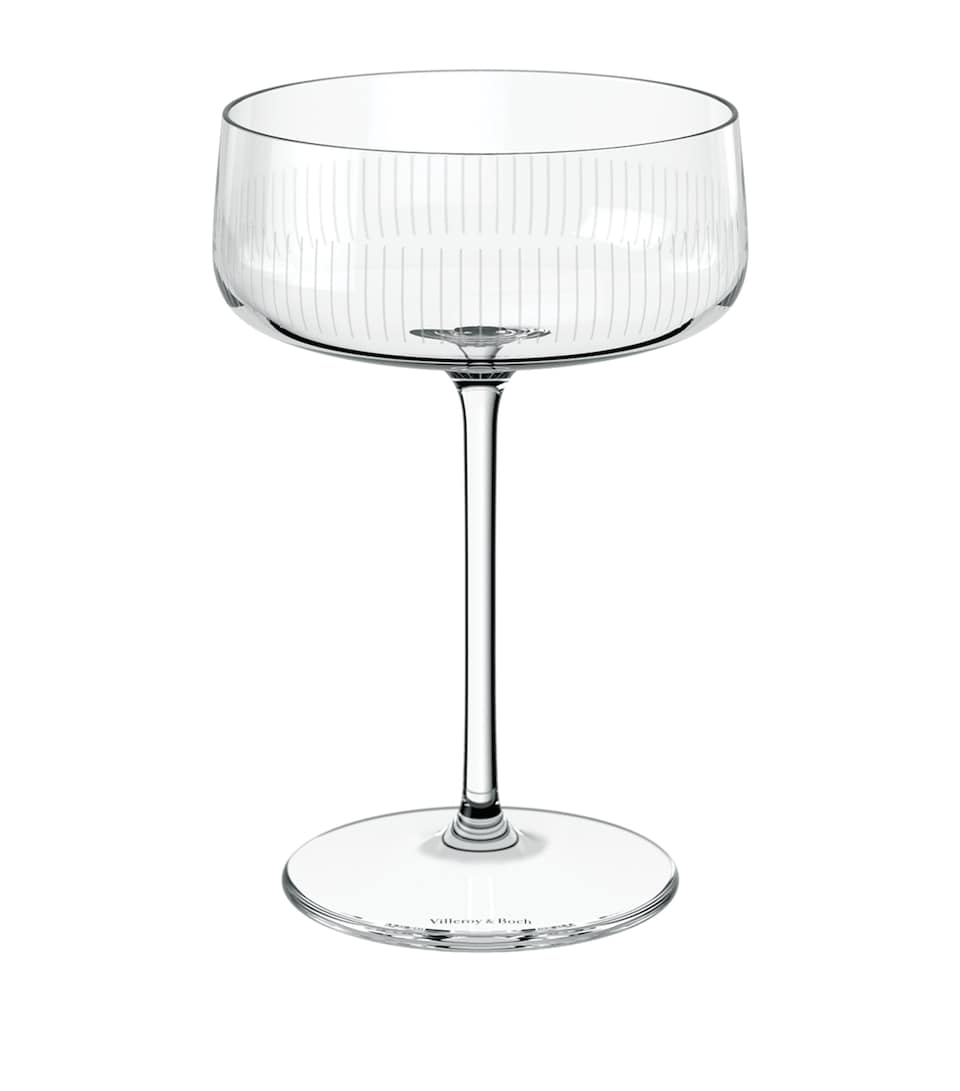
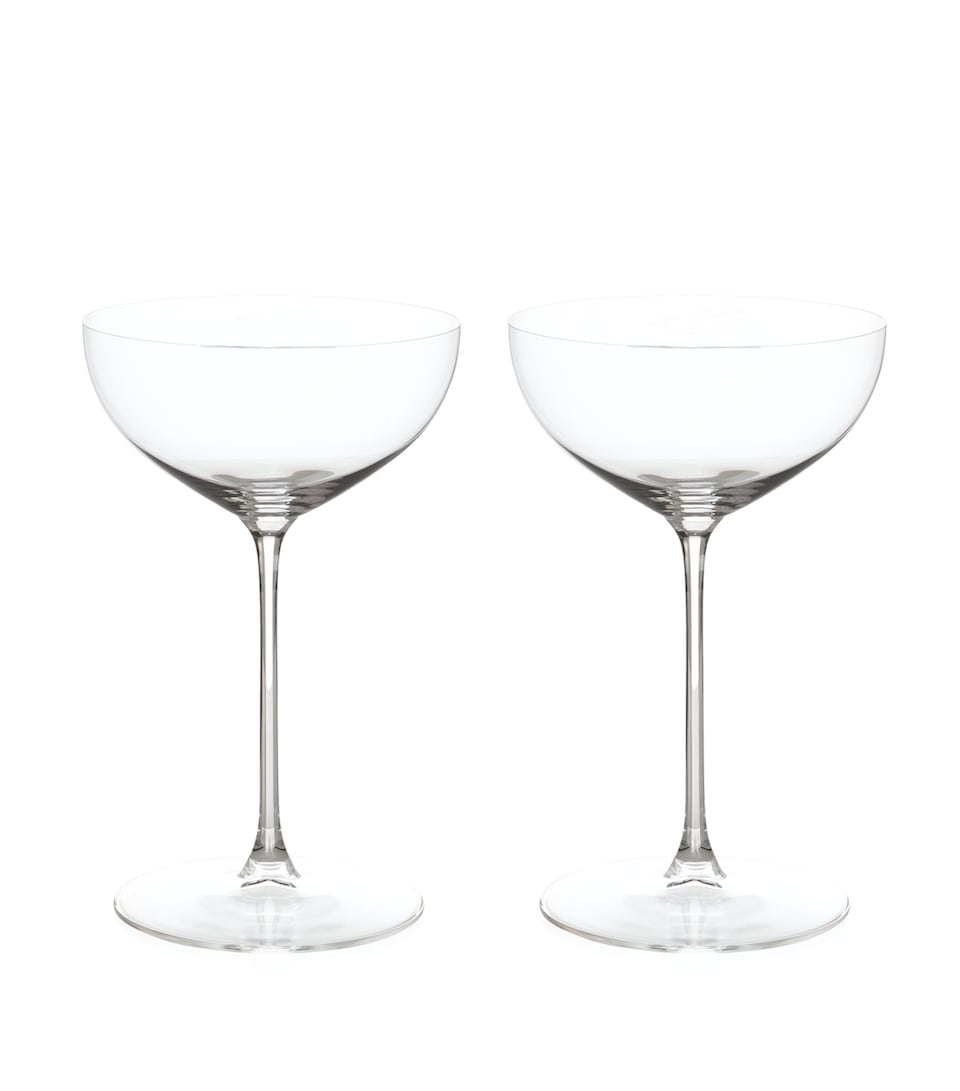
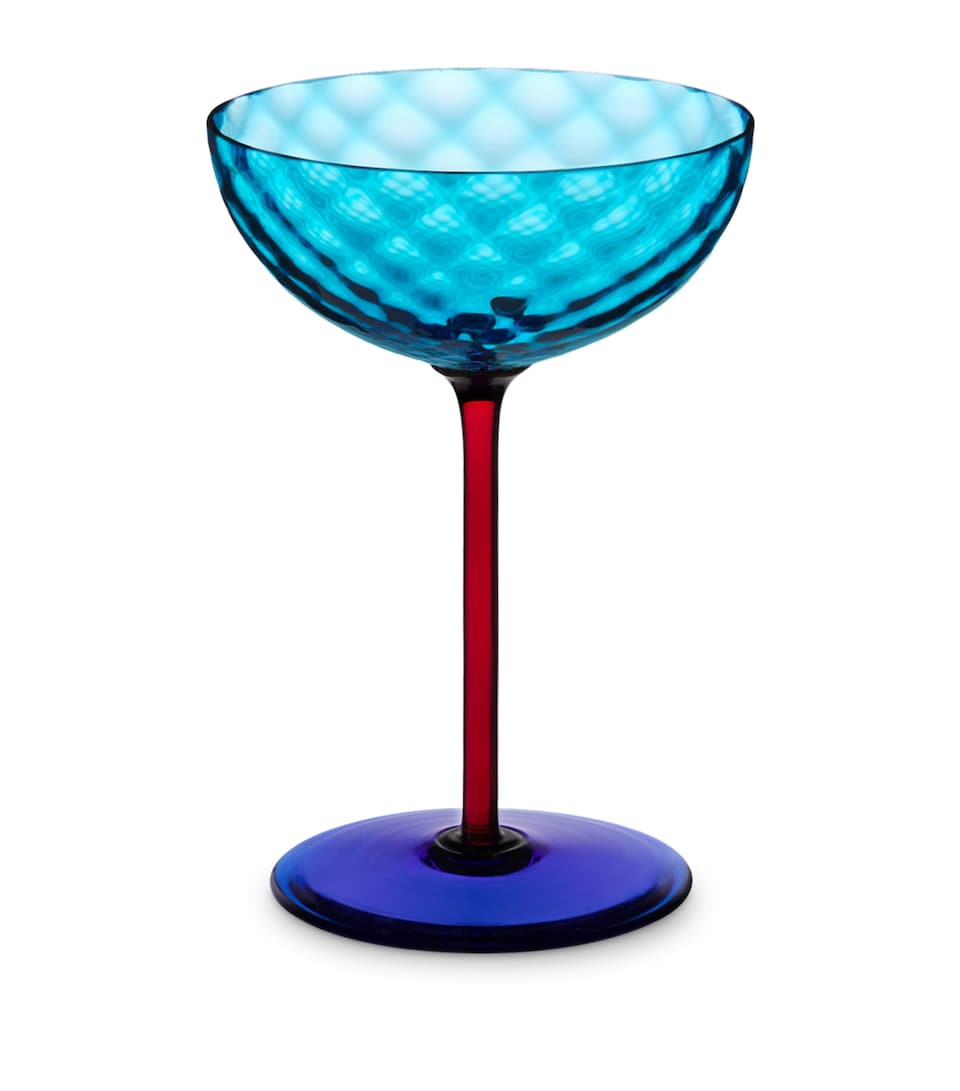
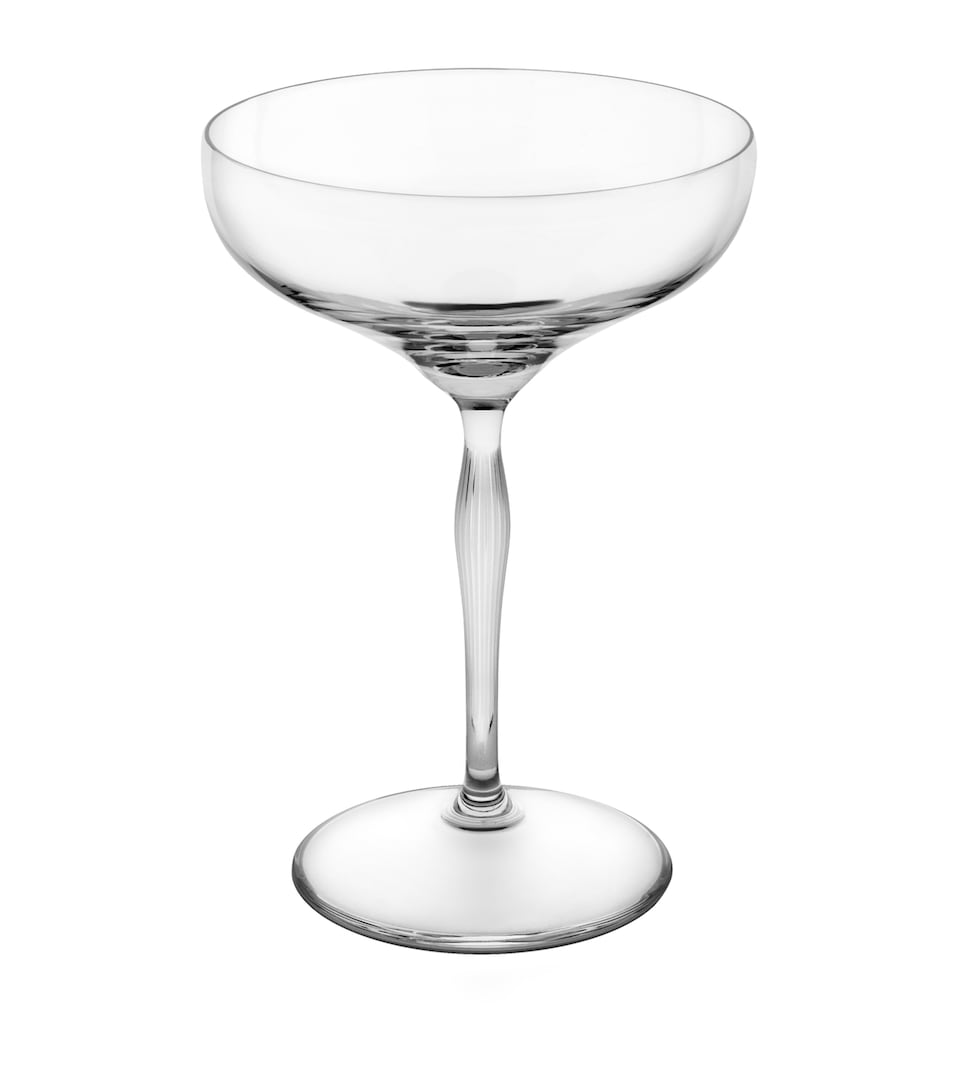
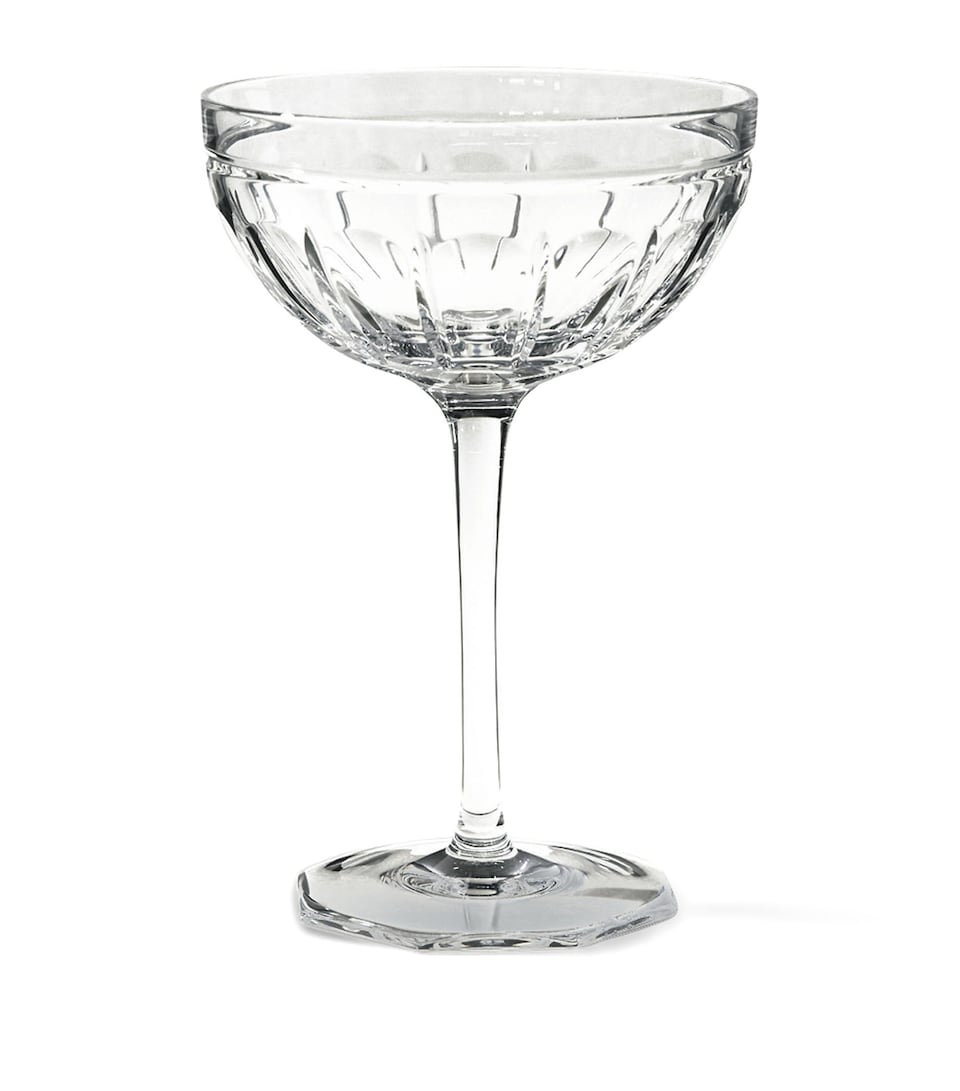
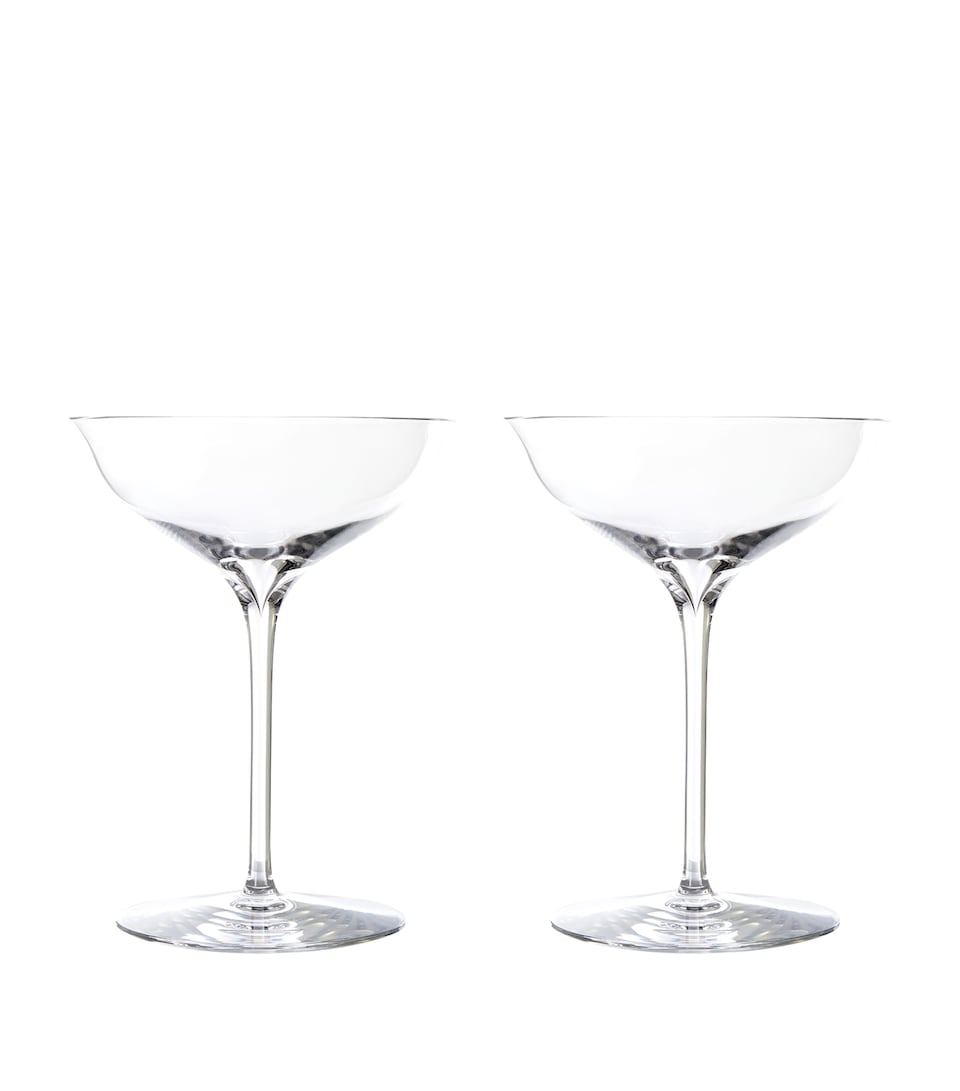
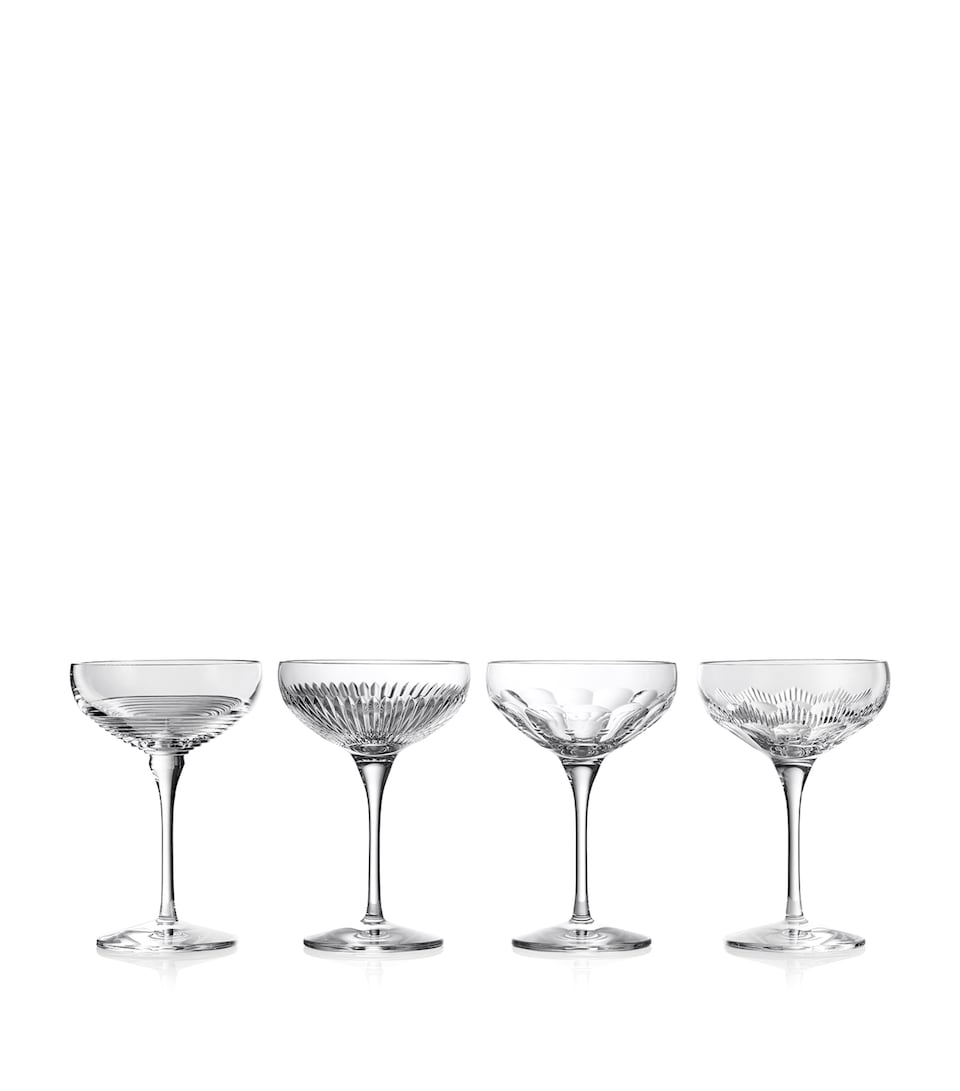
The Champagne Coupe

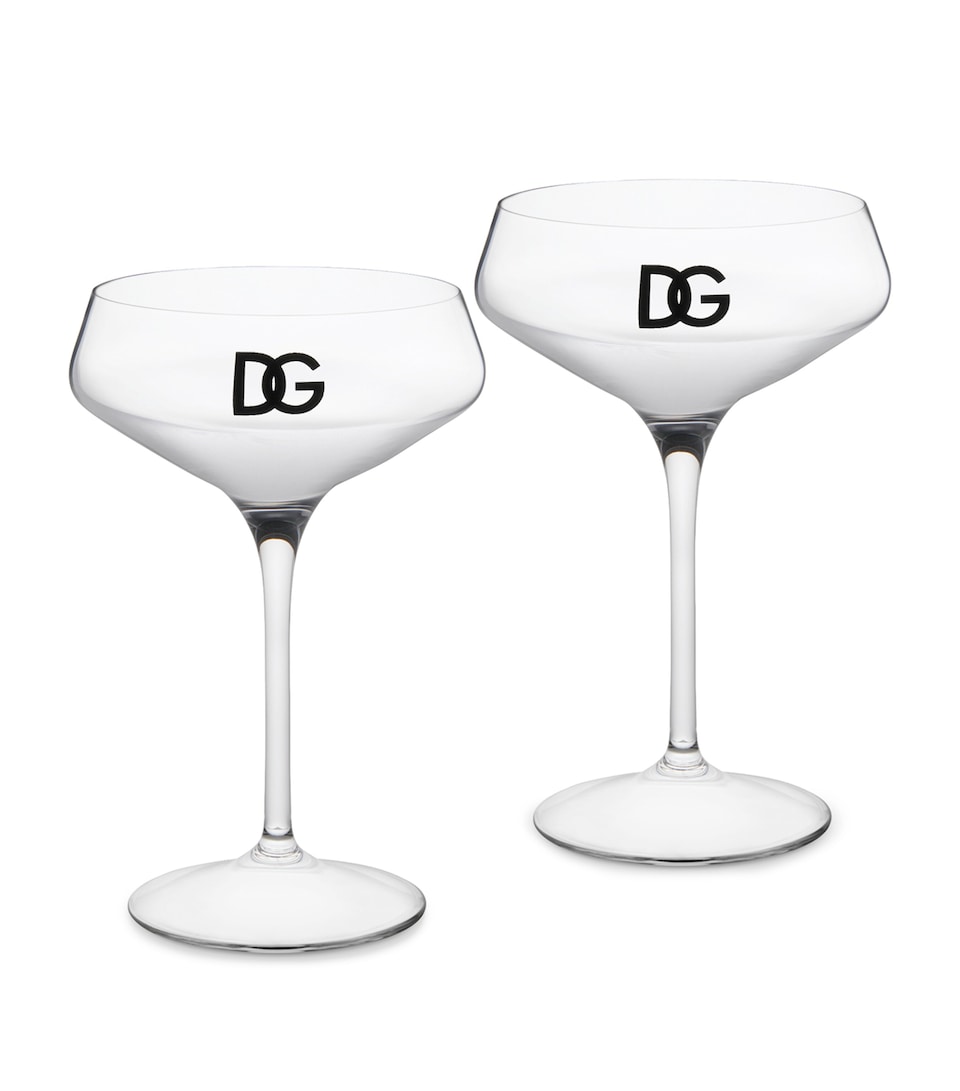
A silhouette made iconic during the Roaring Twenties, the Champagne coupe is the real starlet of the Golden Age of Hollywood, despite first being made by Venetian glassmakers in London in the 1600s. The creation of fortified lead glass – that is, crystal – in this period allowed for greater experimentation and an evolution of techniques that made more technical processes viable.


The coupe’s short sides and elegant stem made it perfect for stacking into towers, immediately making it the centrepiece of any party. Despite a less effective shape for holding onto champagne’s aromas and bubbles, it has retained popularity thanks to its retro glamour and heritage.

Wine Glasses

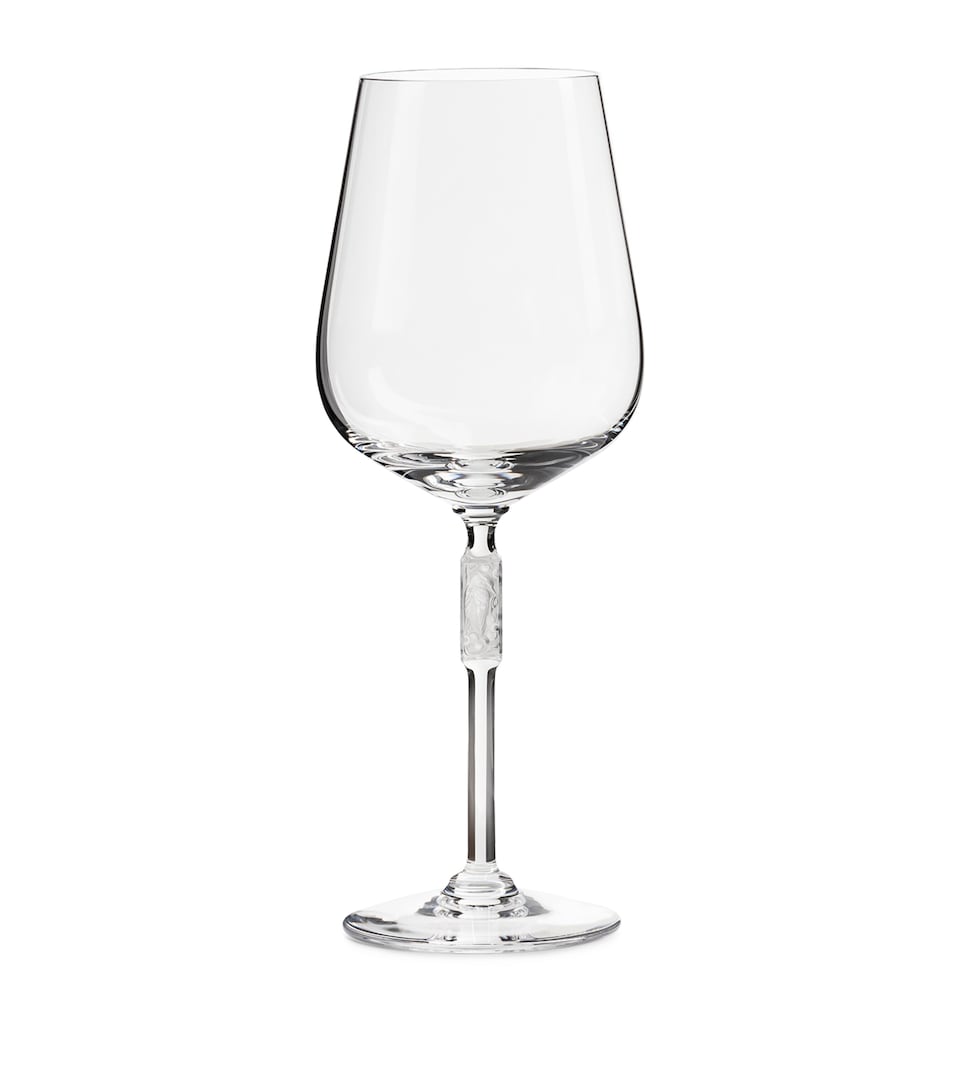
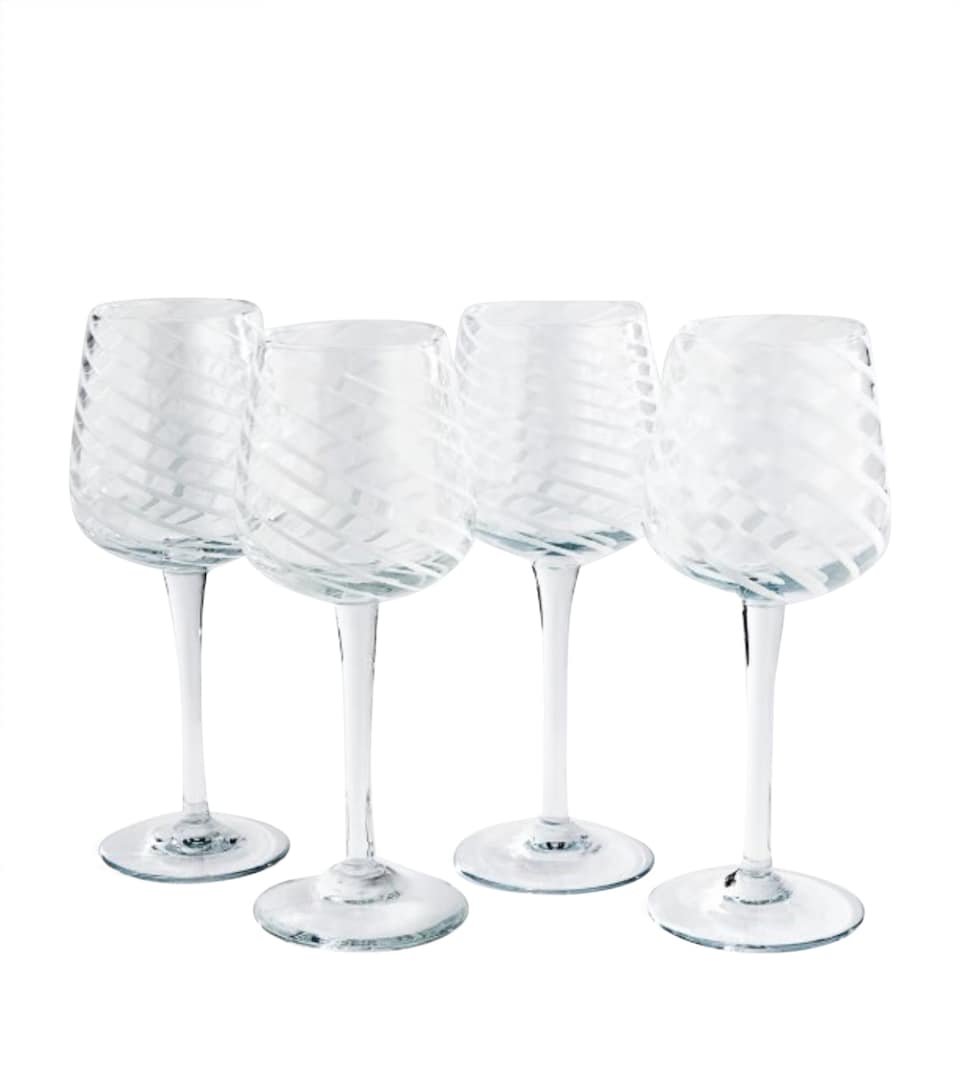
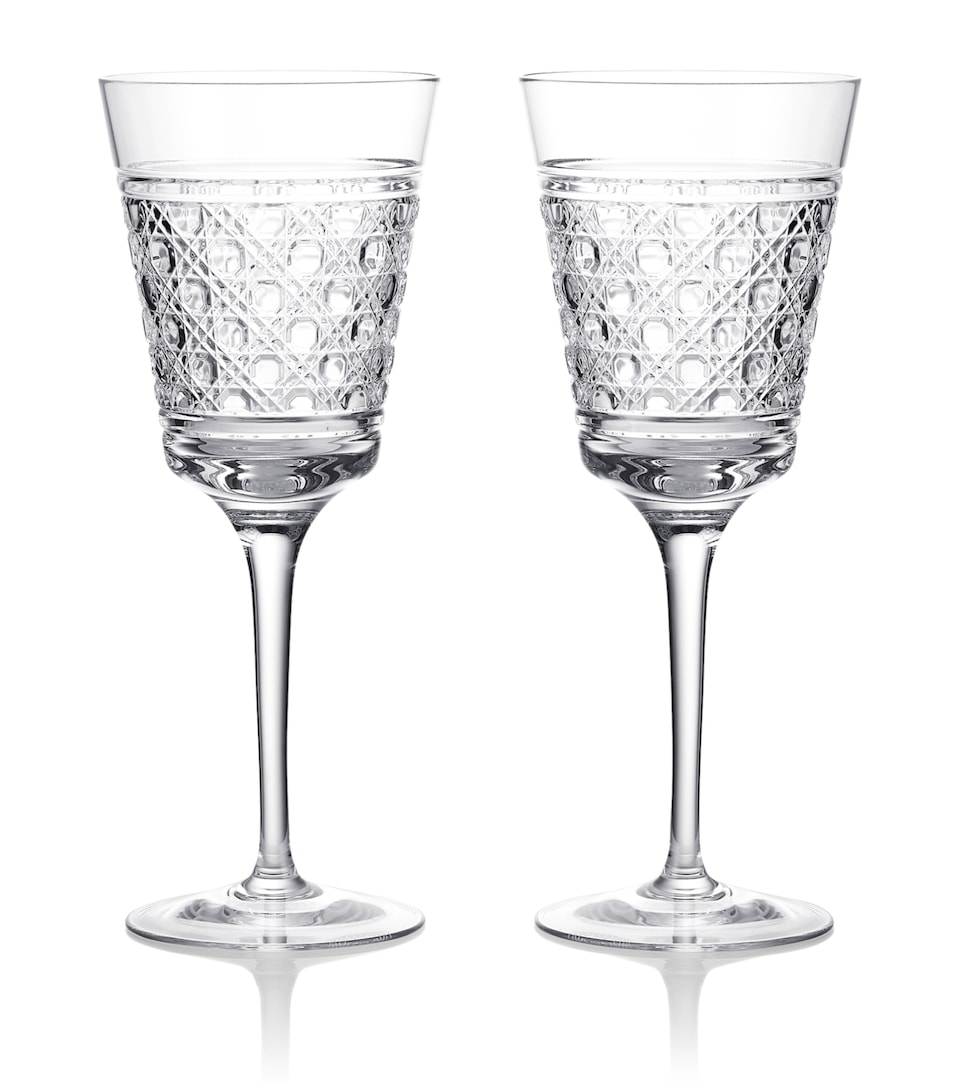
When it comes to designer wine glasses, many labels have the heritage and technical mastery to create silhouettes that optimise everything from a Bordeaux to a blanc de blancs. There are two main types of wine glasses: stemmed and stemless. Long, slender stems tend to be favoured as they keep the liquid away from the hand to avoid adding unnecessary heat to the wine.


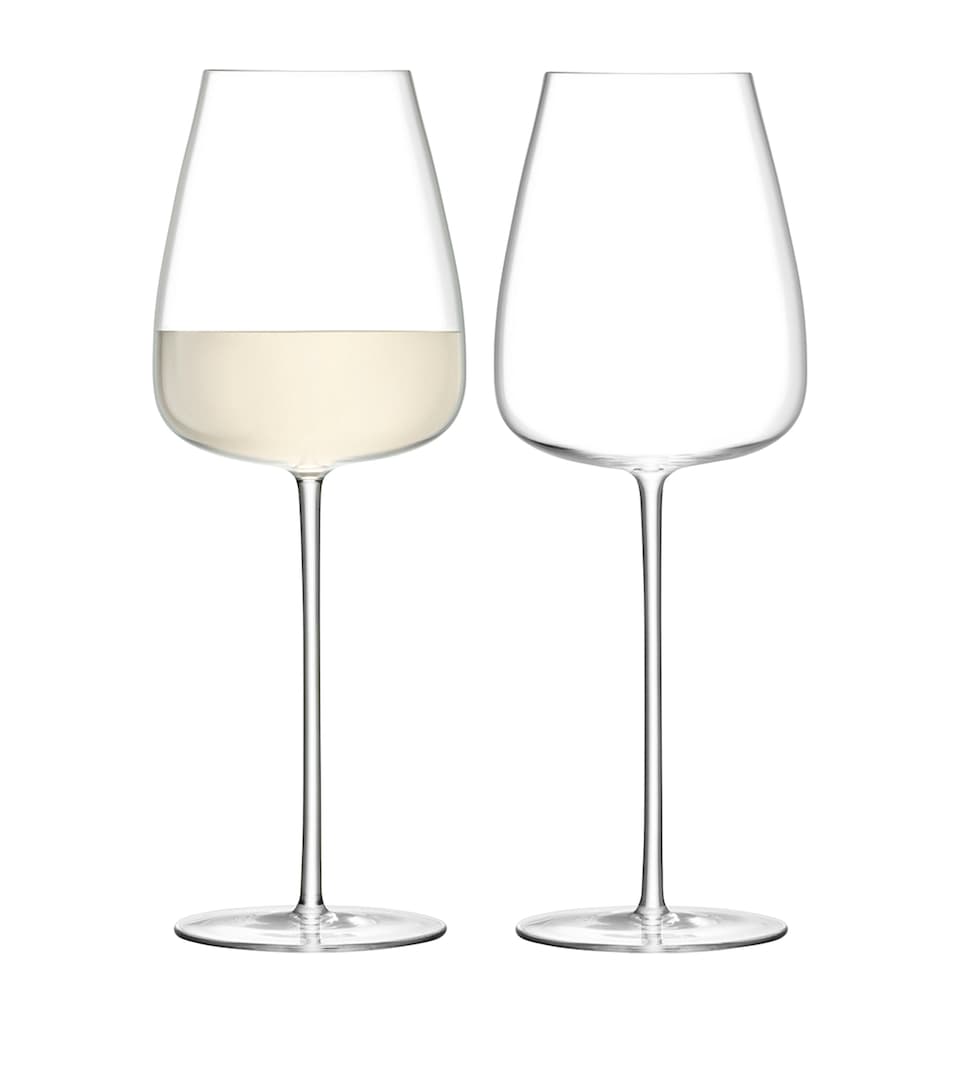
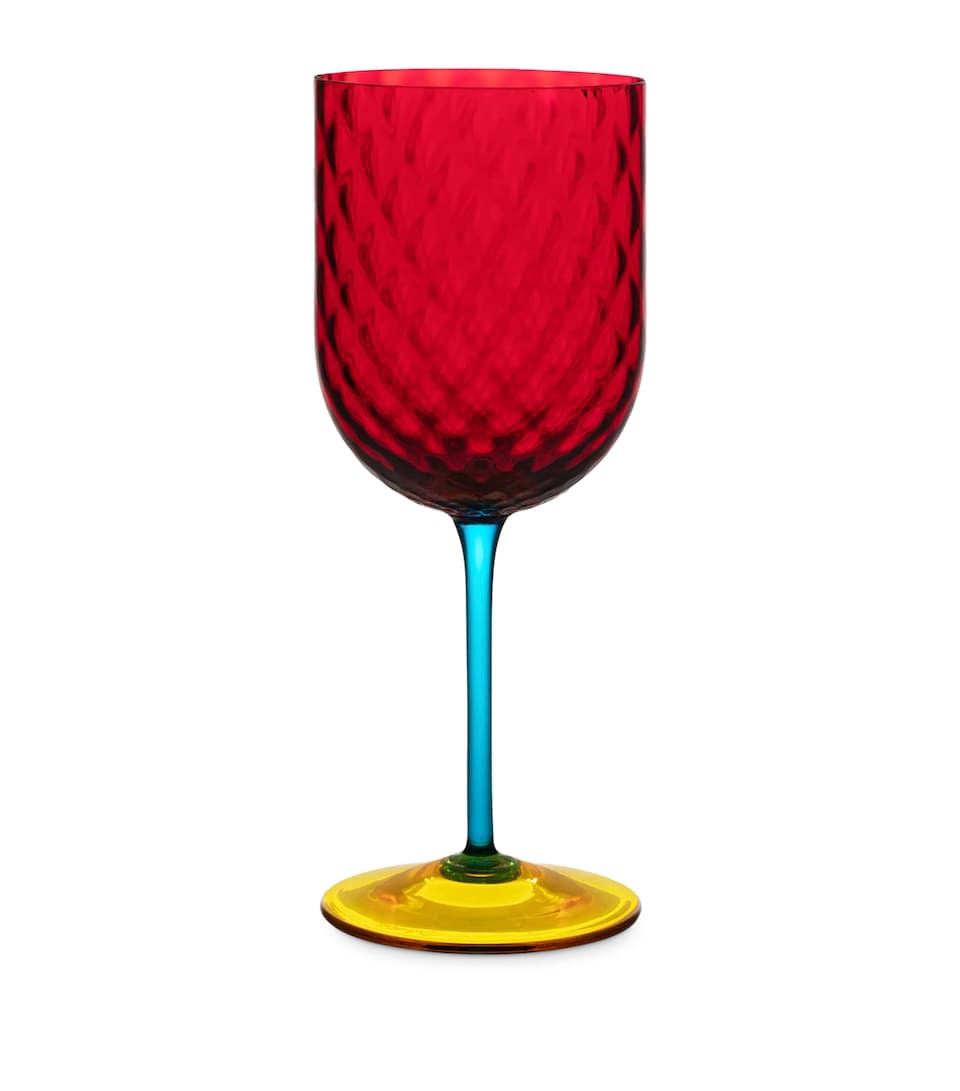
Many labels create glasses suited to a specific grape variety, such as Villeroy & Boch and LSA international wine glasses, while Baccarat wine glasses opt for more structured, chunky shapes that capture the opulence of a bygone era.

White-wine Glass

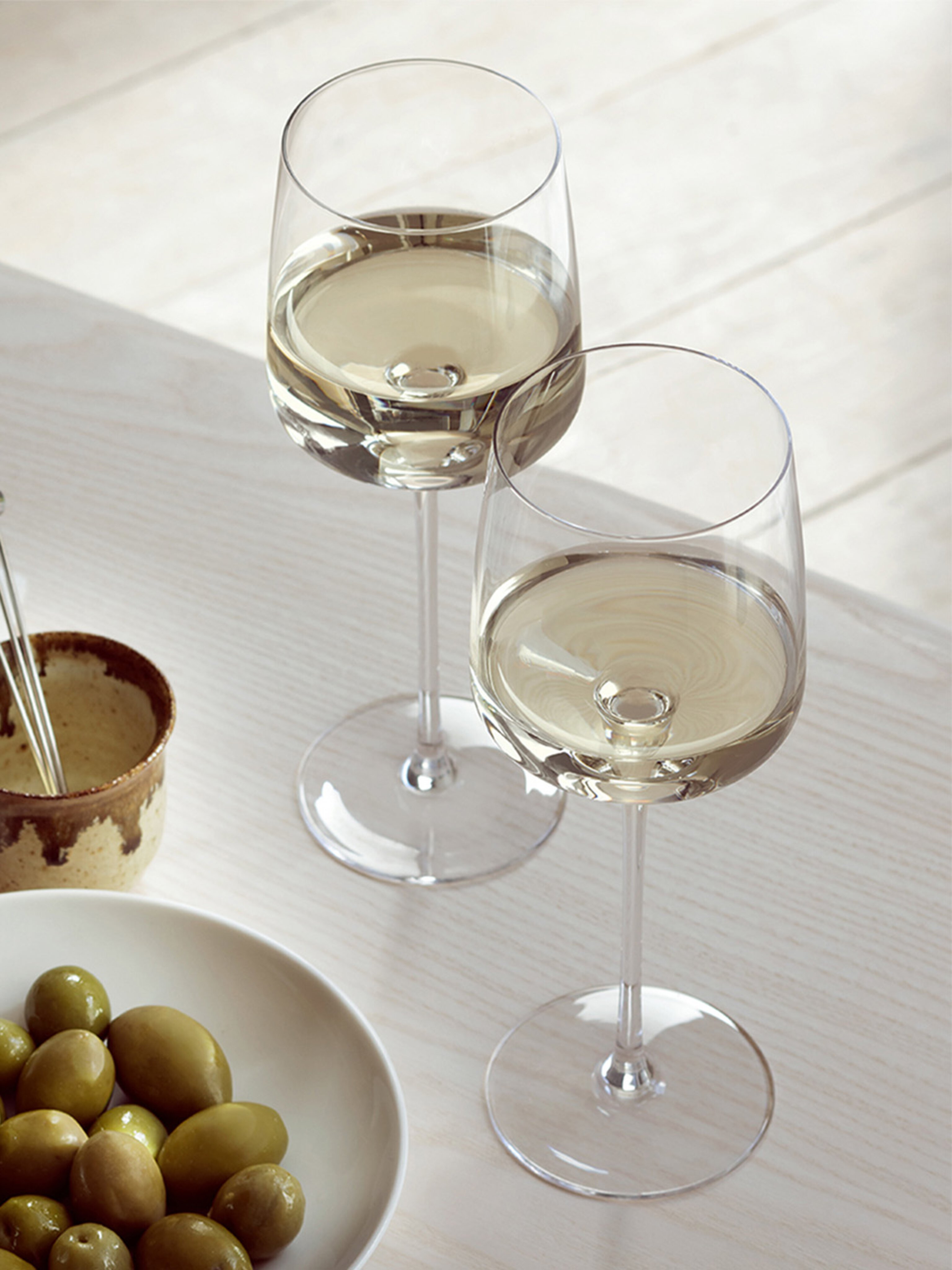
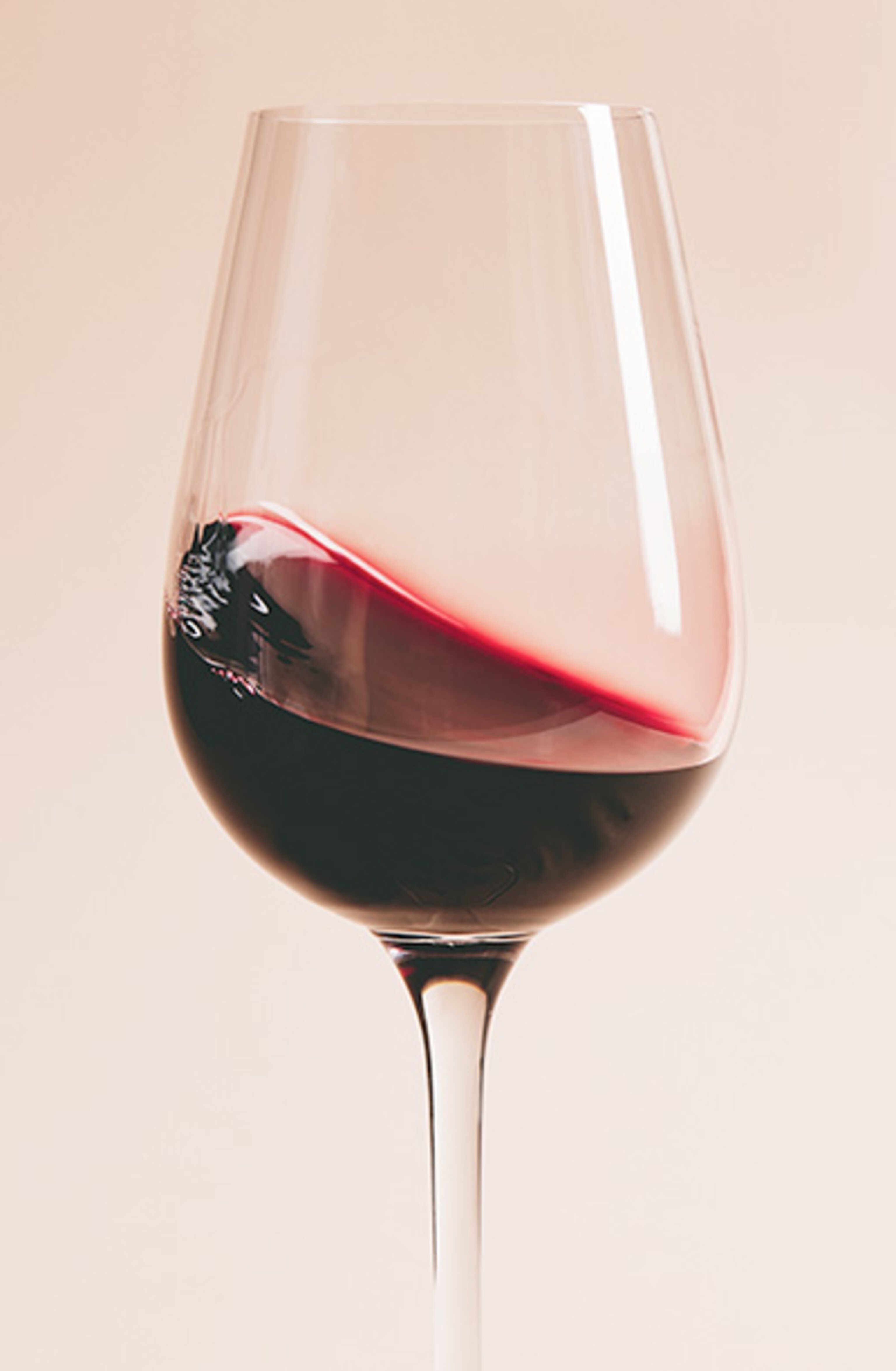
White-wine glasses are defined by long stems, small bowls, narrow openings and thin rims. The smaller bowl helps maintain a lower temperature and limits excessive oxidation to optimise fresh, fruity styles, while a narrower opening funnels subtle aromas directly toward the nose and directs wine to the front of the palate – this is emphasised by the delicate rim, which offers a smooth, seamless transition of wine onto the tongue rather than distracting the senses. Choose smooth crystal or glass so the colour of the wine can be easily assessed – Waterford crystal wine glasses are particularly glossy – and select the shape of the bowl on whether it’s light- or full-bodied: taller and straighter for lighter wines, and shorter and wider for full-bodied vintages.

Red-wine Glass

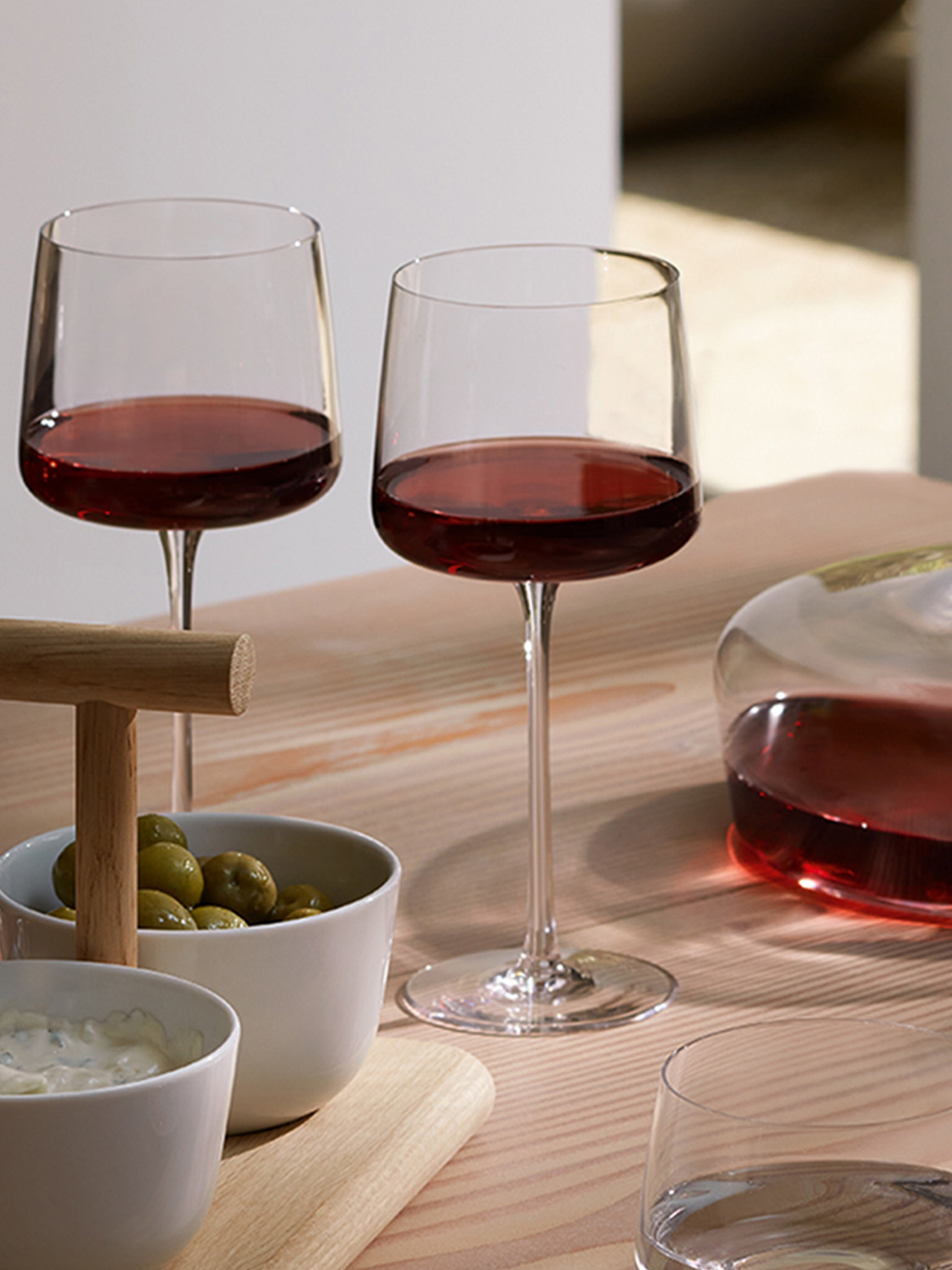
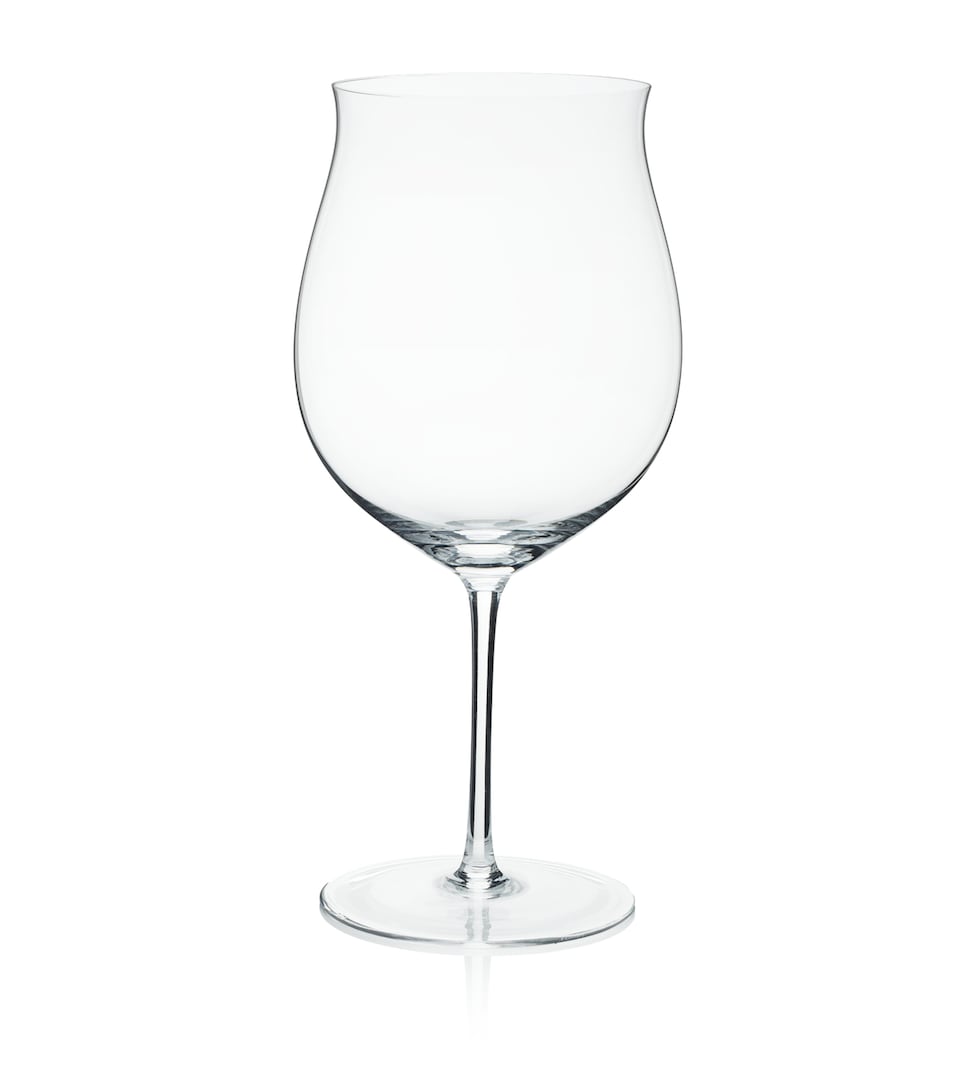
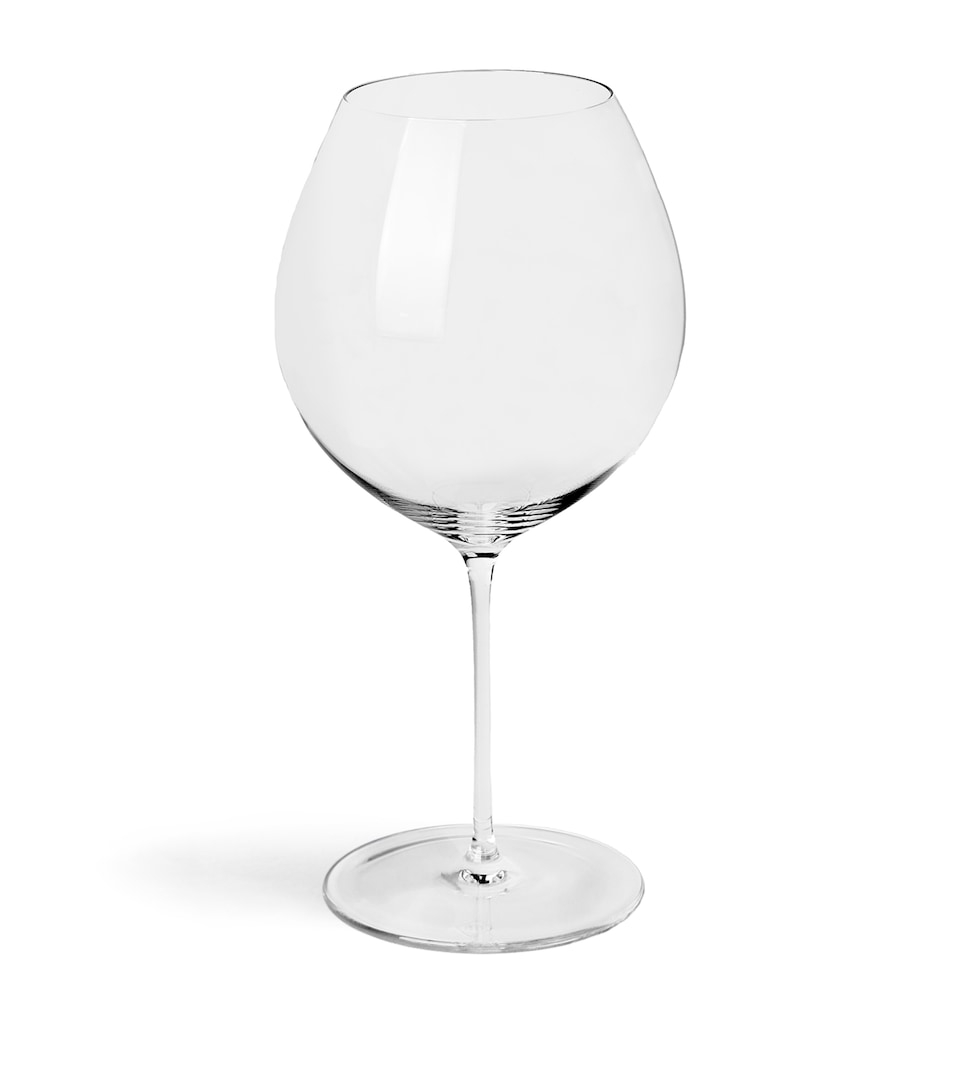
When looking for perfect red-wine glasses, it can be good to know that a universal glass exists before getting overwhelmed by the specialist types. The universal glass has a mid-sized bowl to accommodate lighter- and medium-bodied reds, a tapered rim that narrows at the top to trap and direct scents toward the nose, and a stem that helps keep the wine at optimal drinking temperature. Looking for something more specialised? The Bordeaux glass is taller and wider and is best for bold, high-tannin reds like Cabernet Sauvignon and Merlot, while the short, rounded bowl of the Burgundy glass makes an excellent vessel for delicate, aromatic reds like Pinot noir.
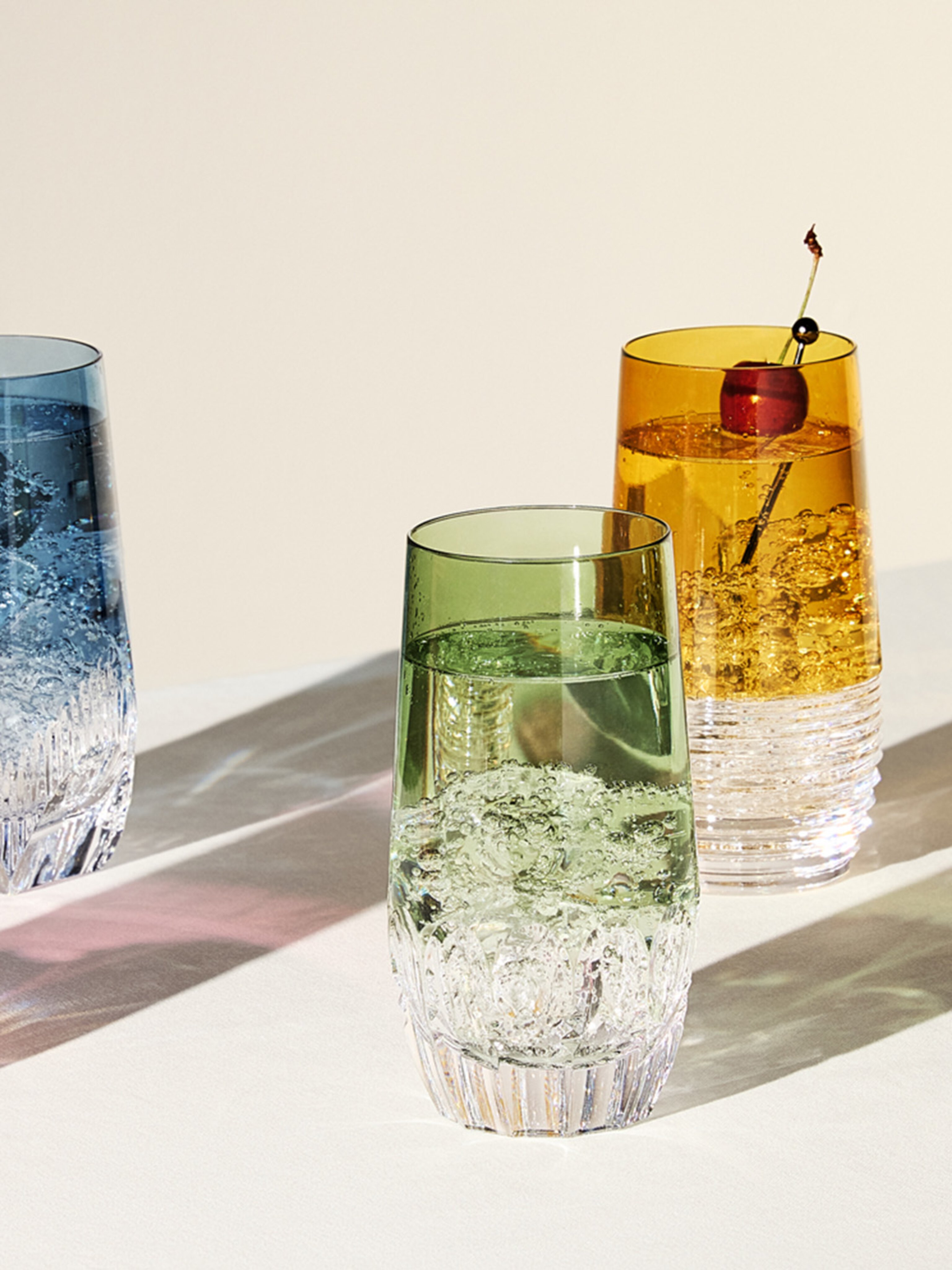
Tumblers

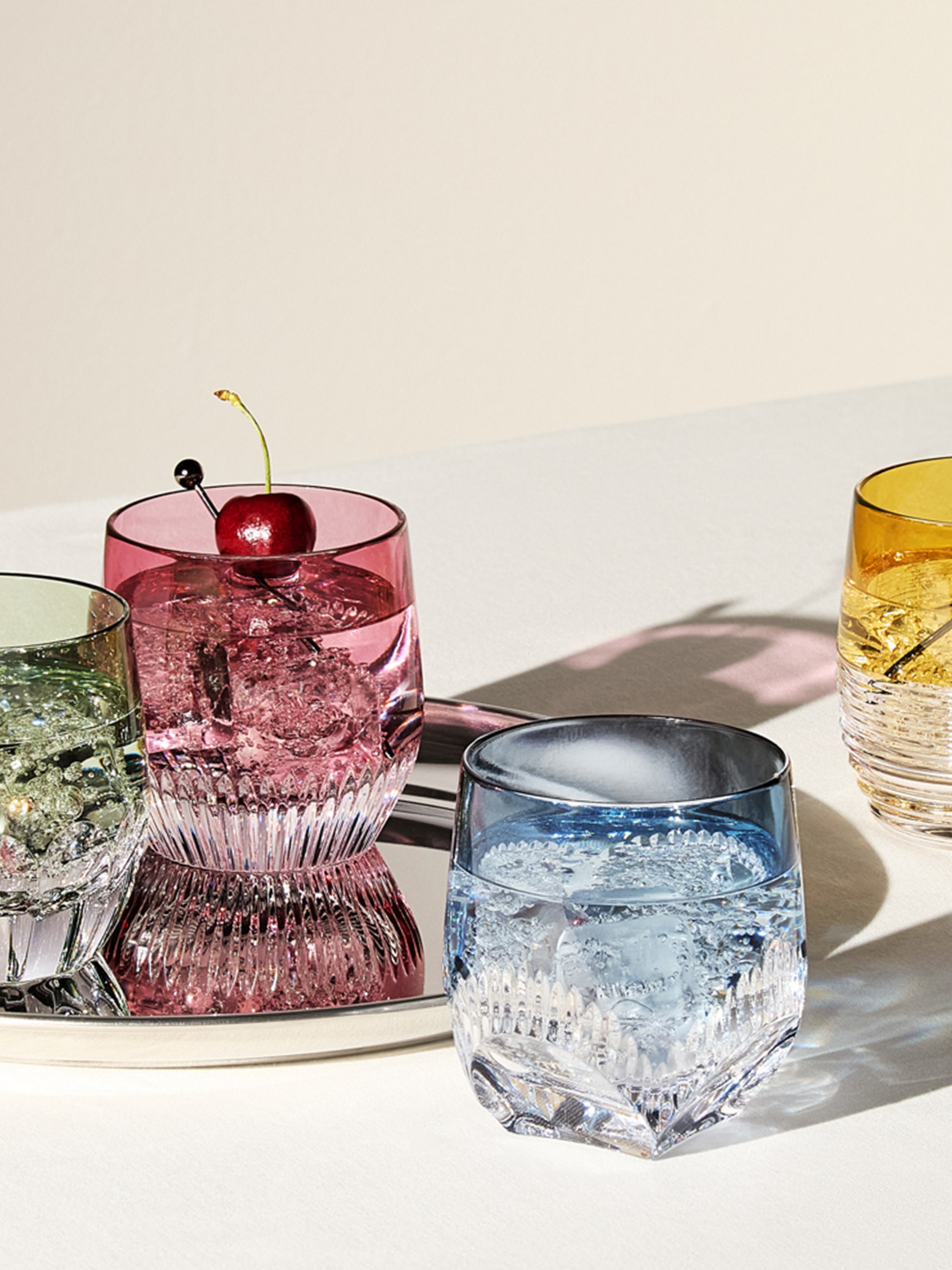
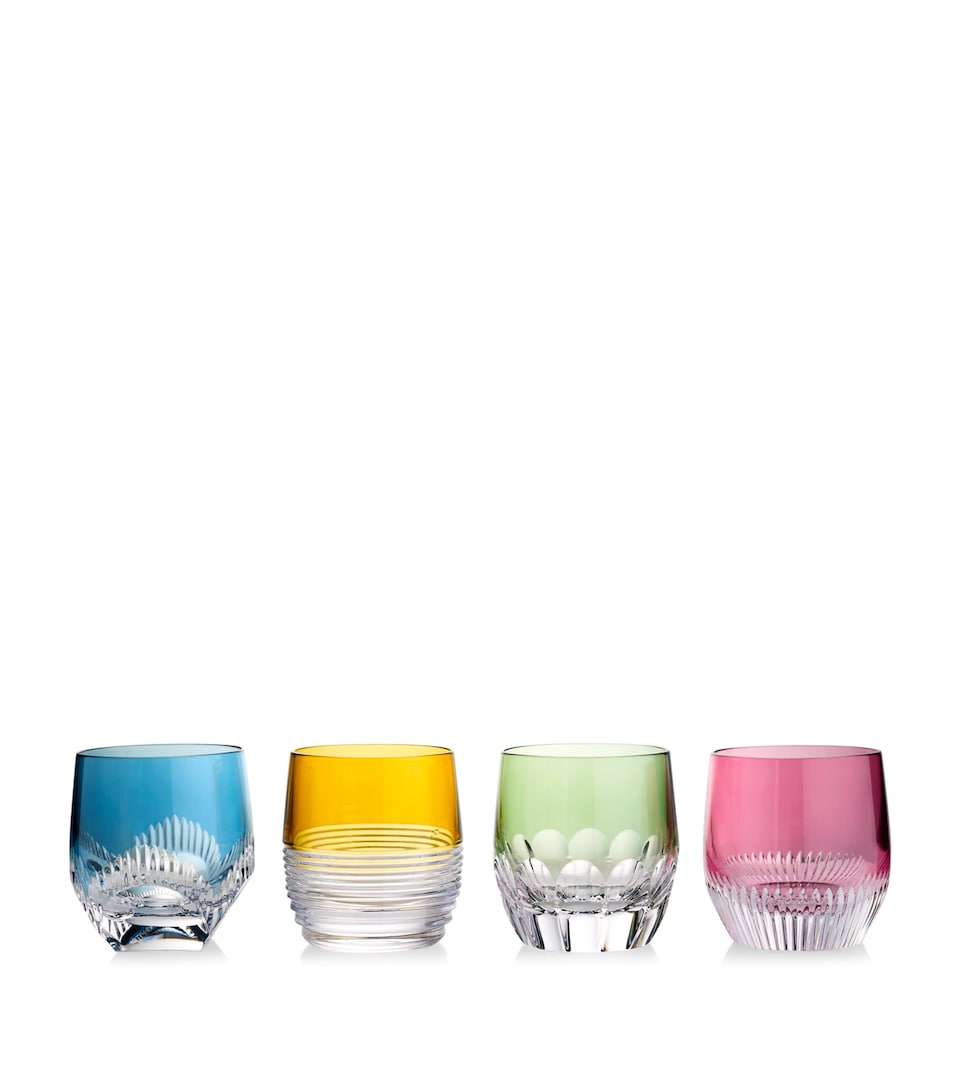
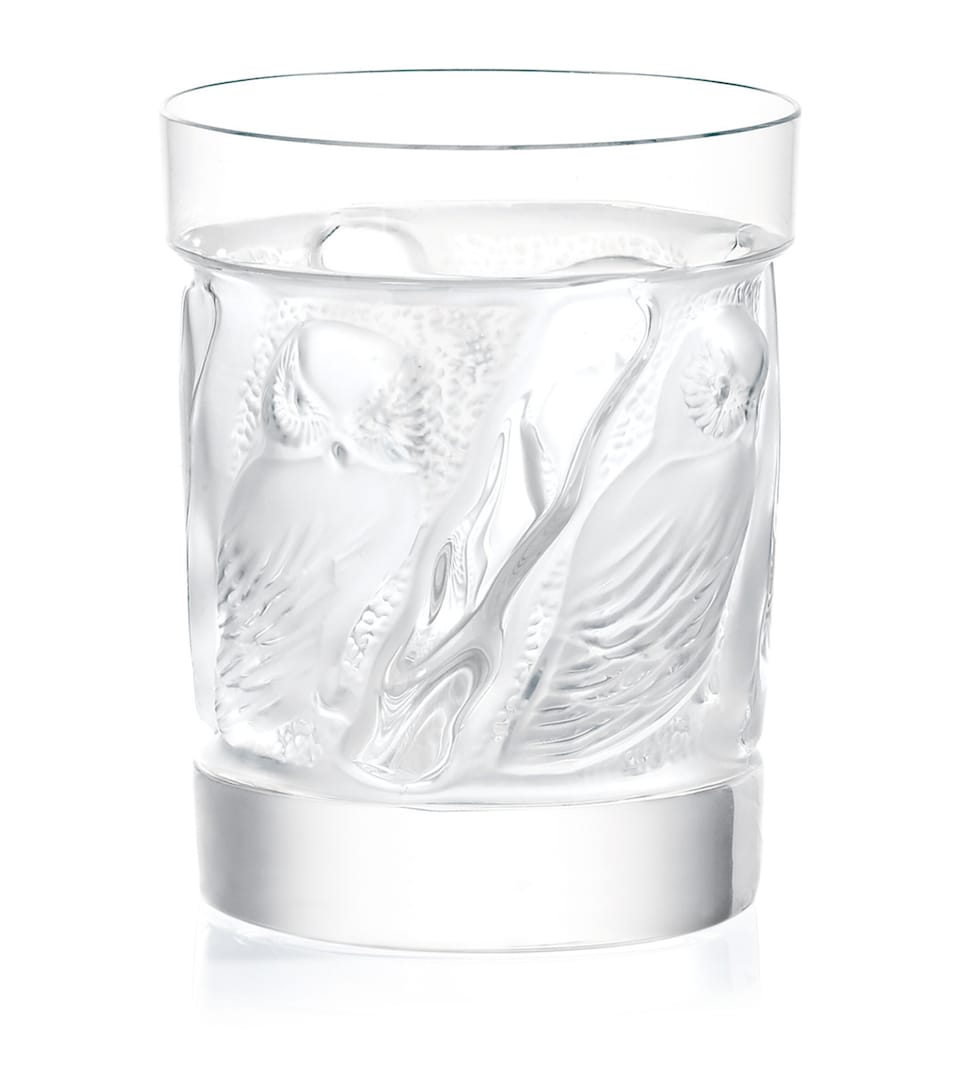
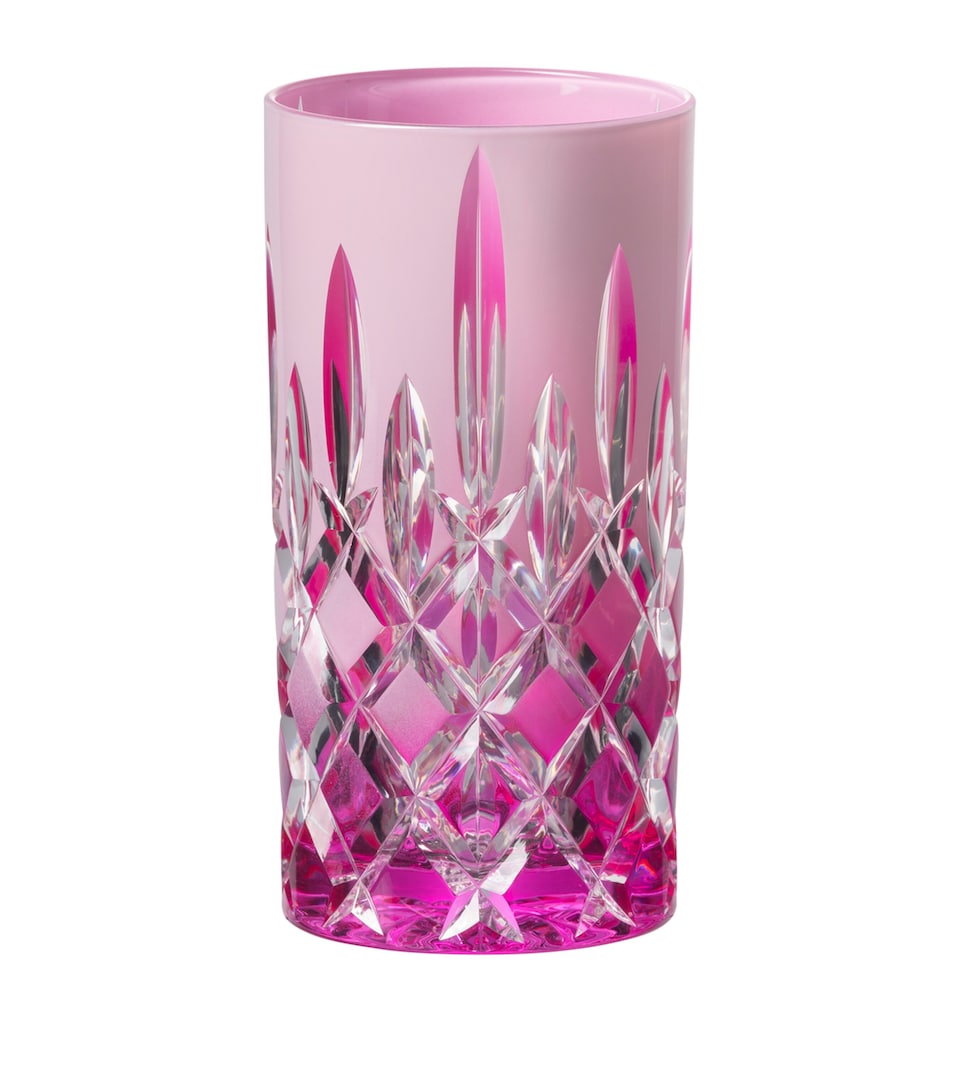
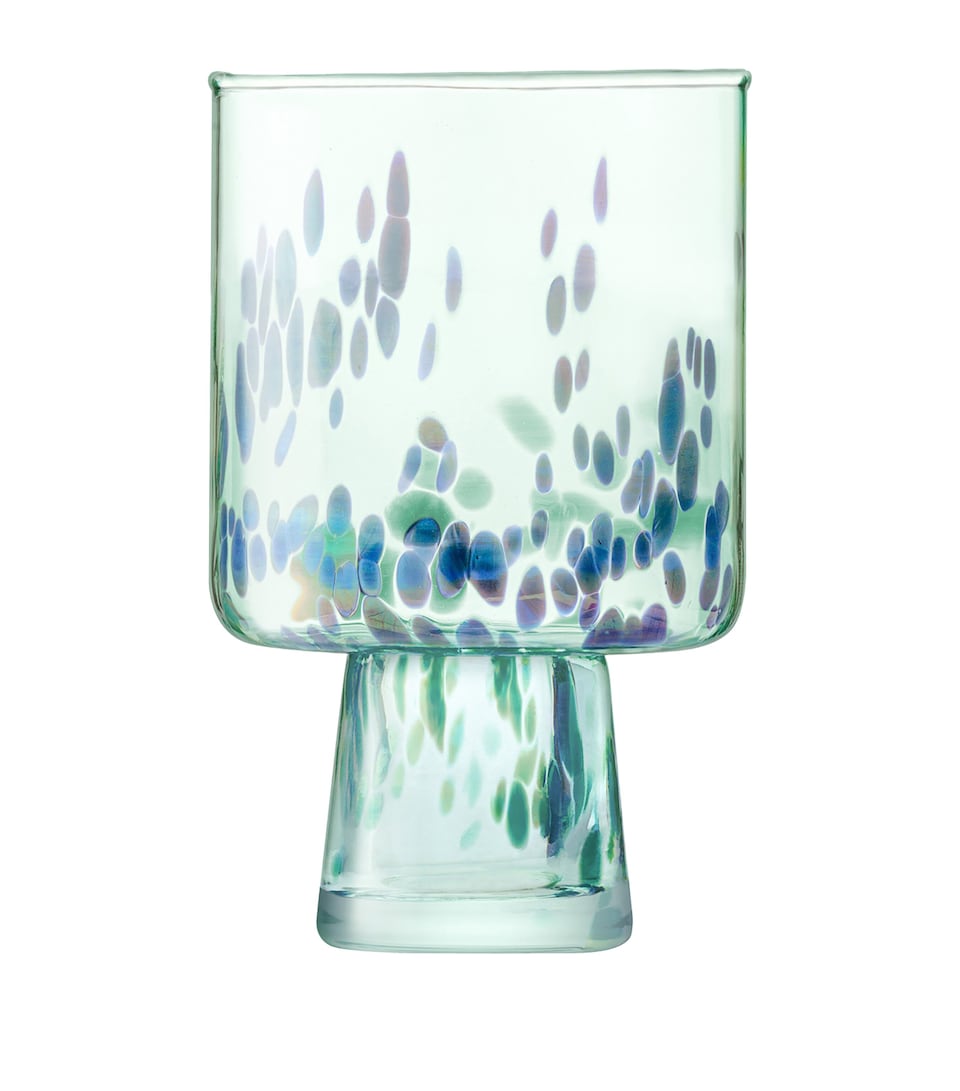
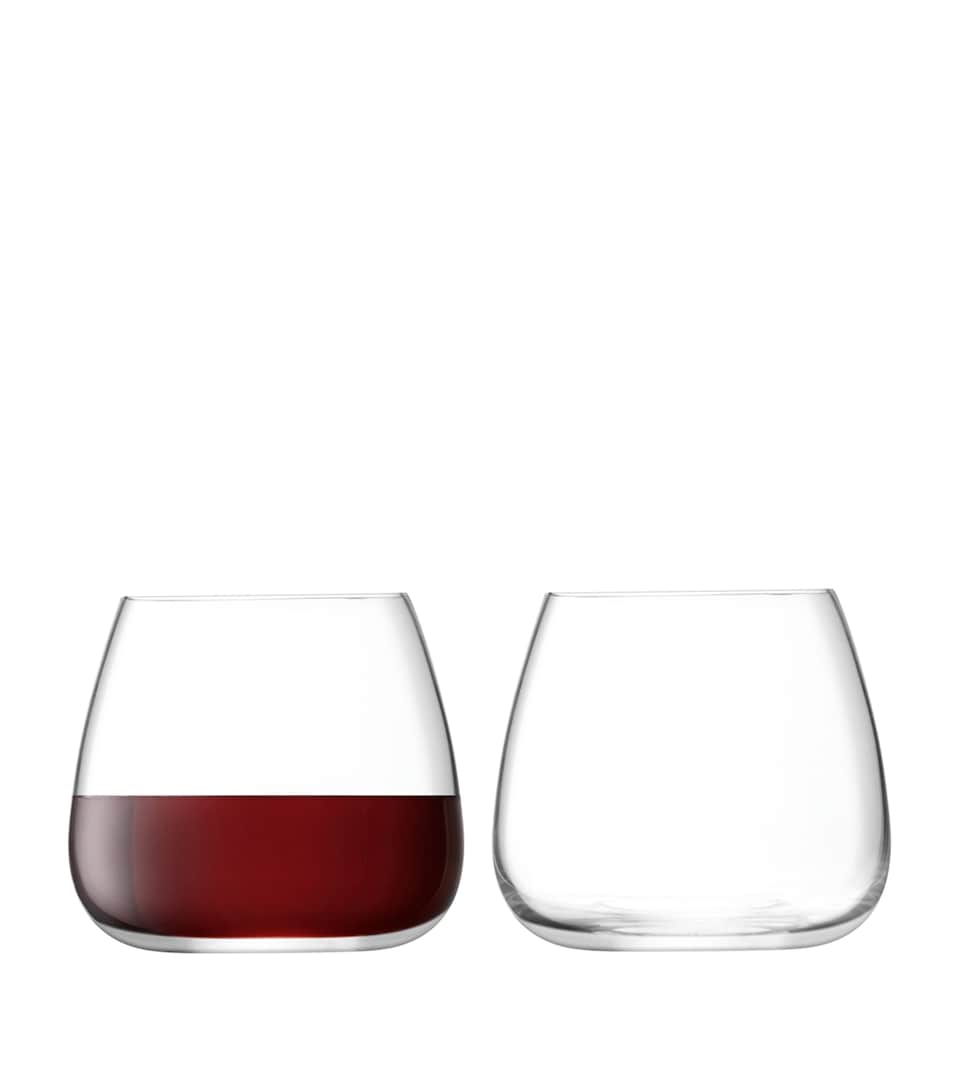
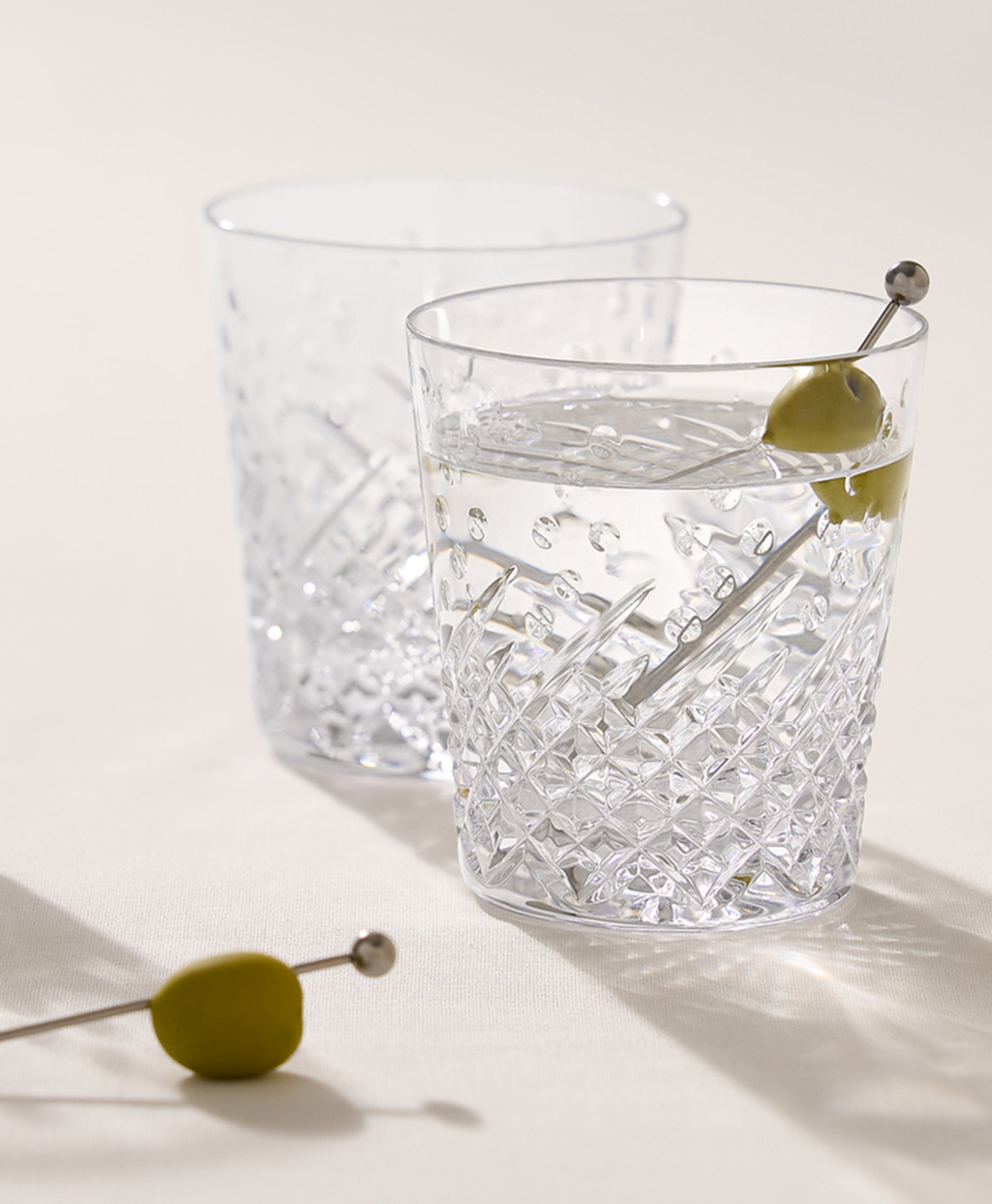
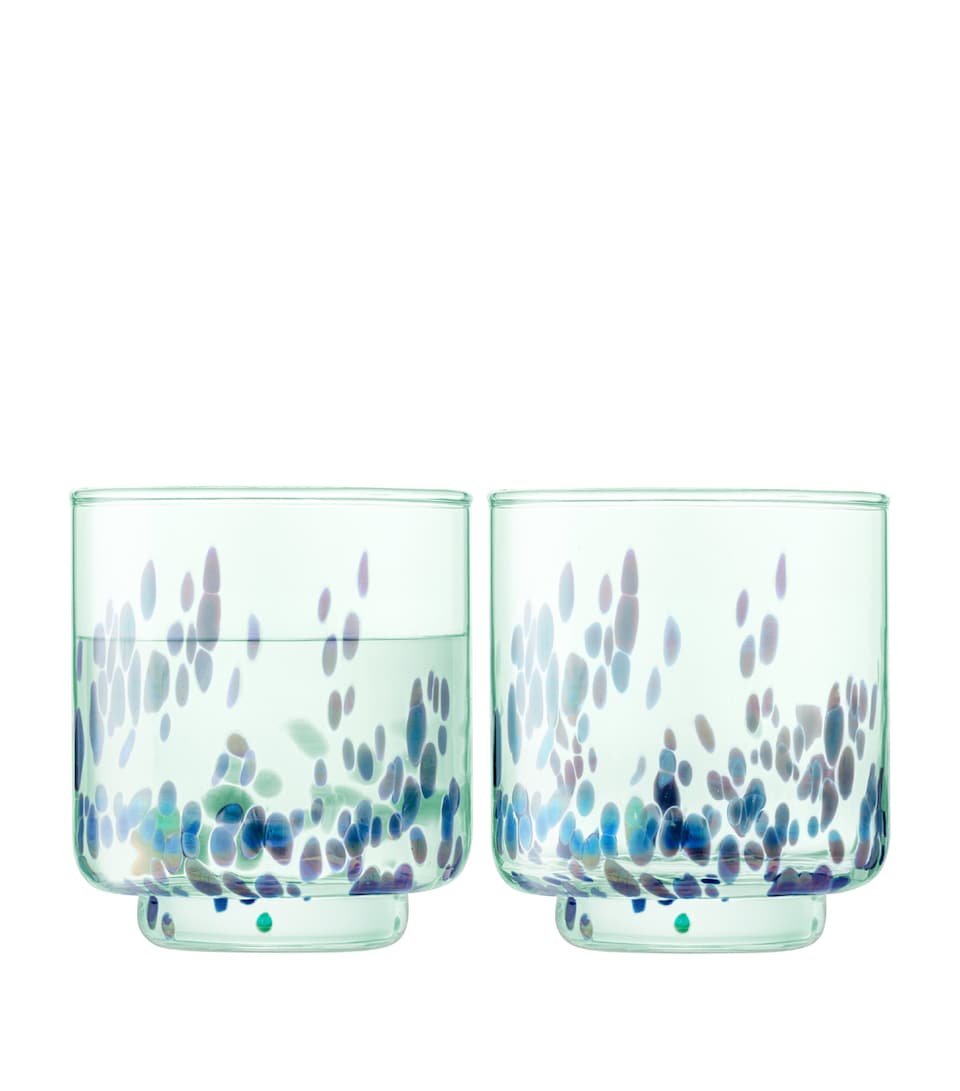
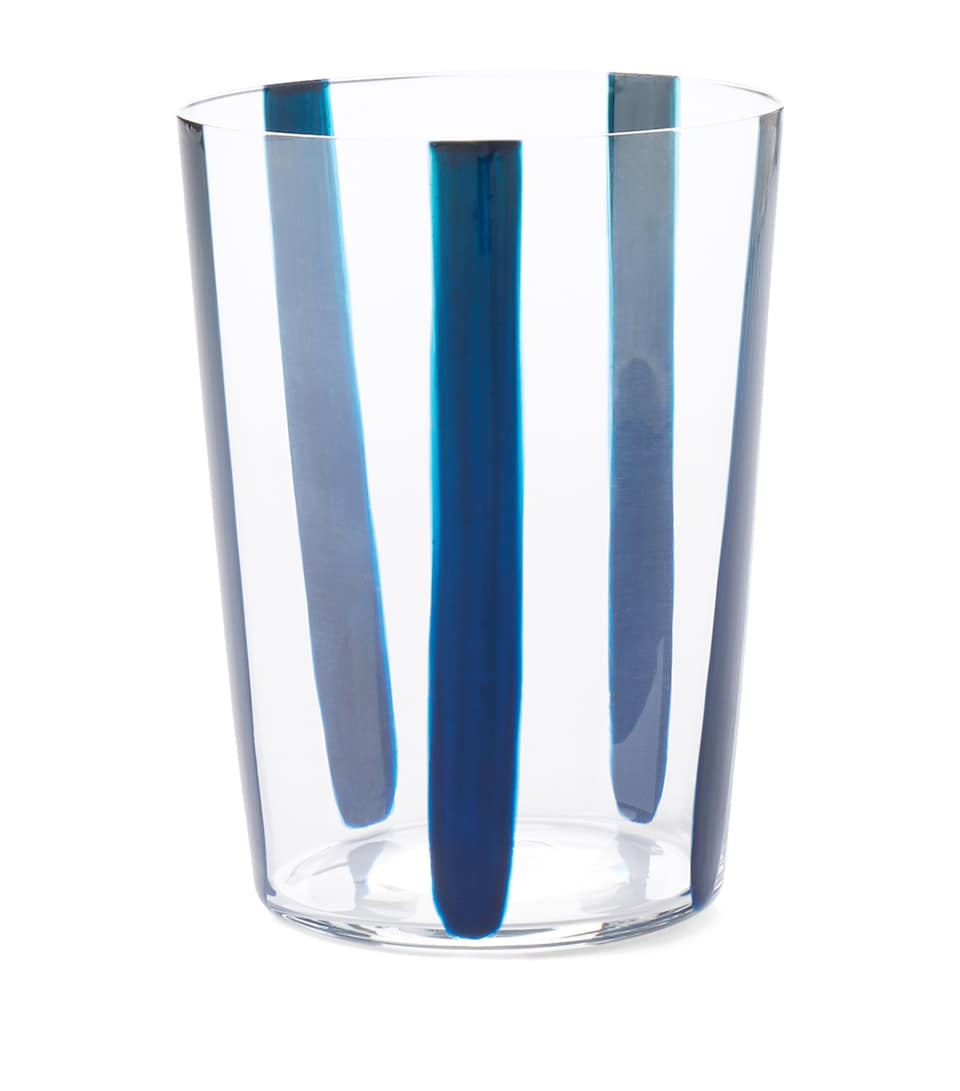
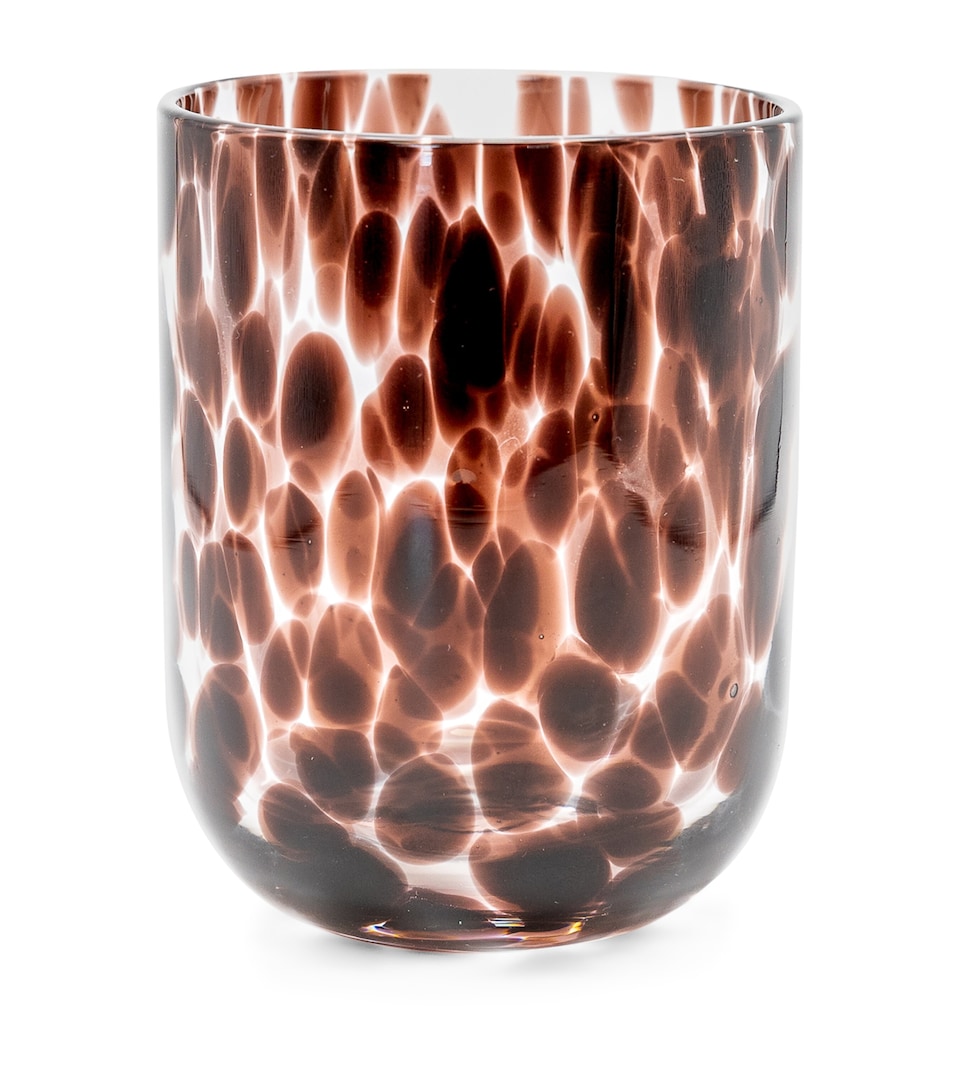
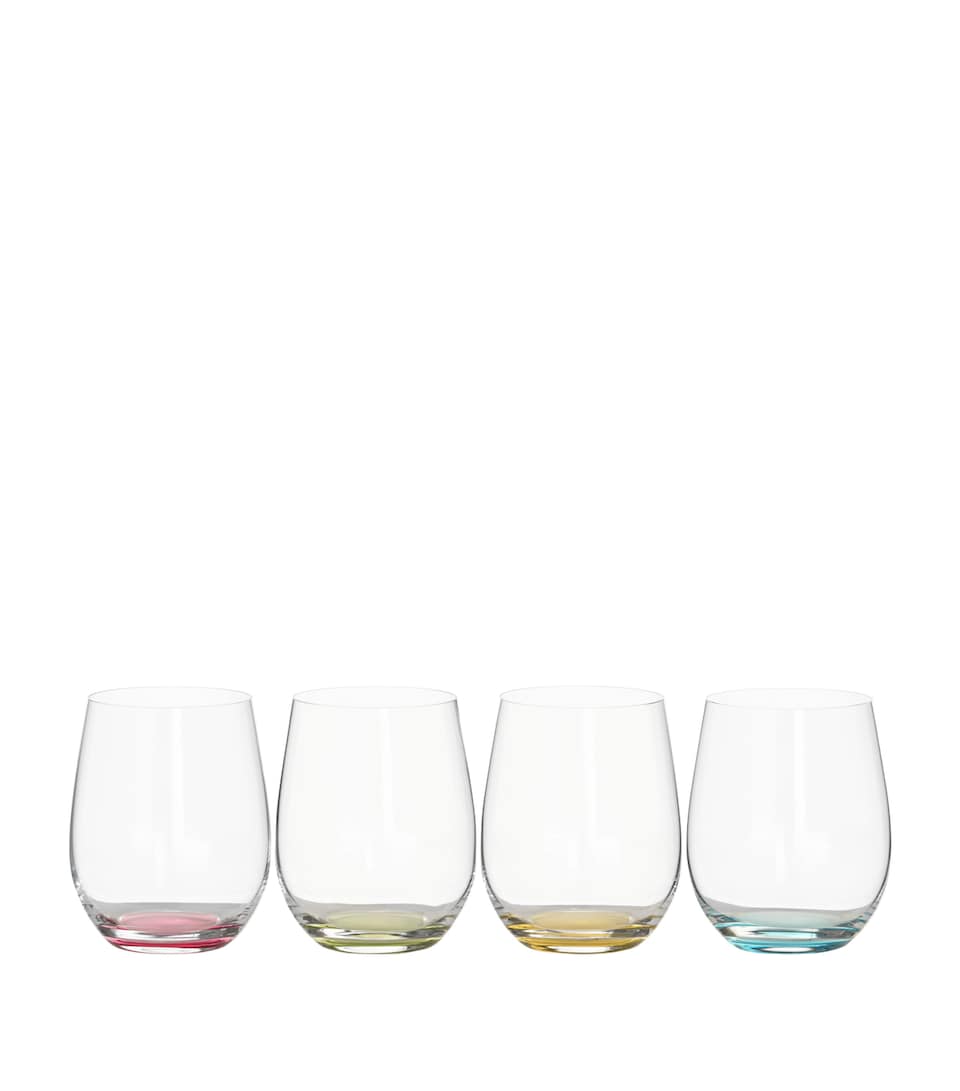
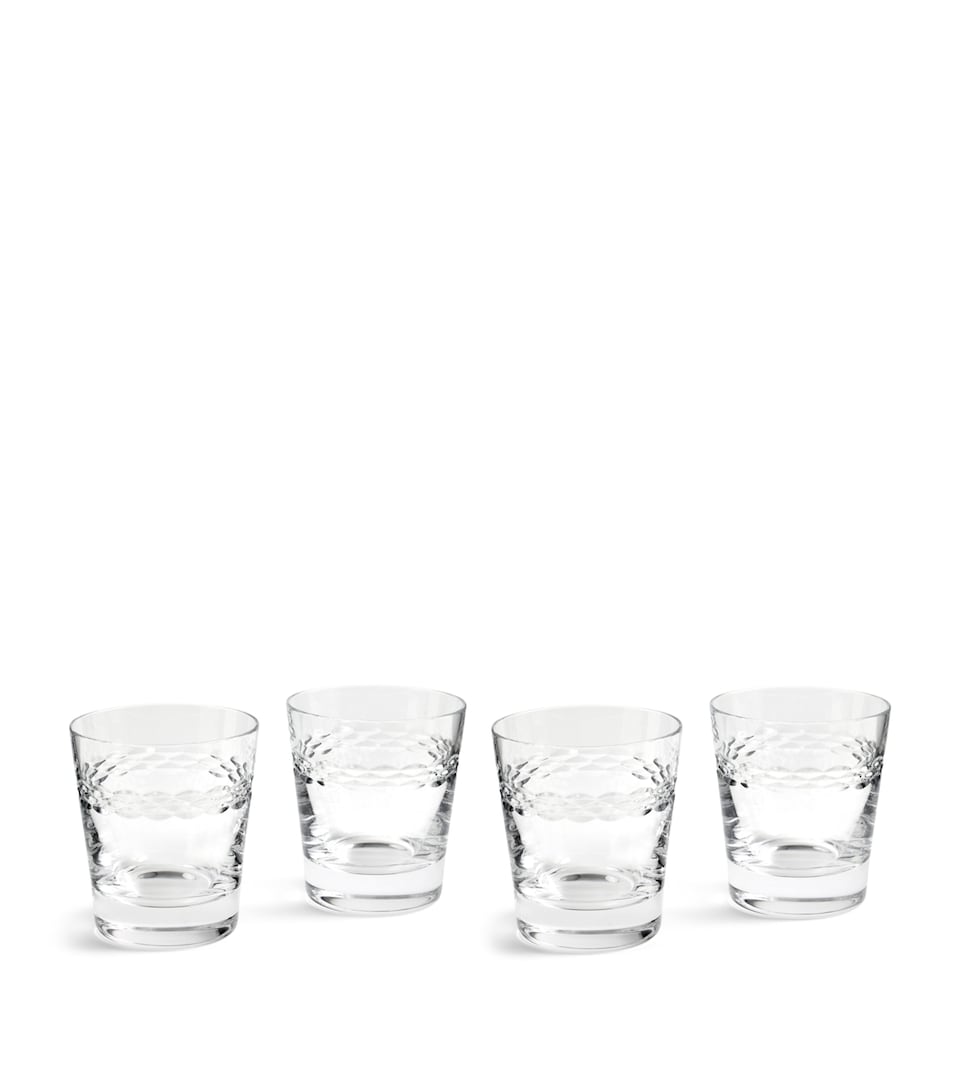
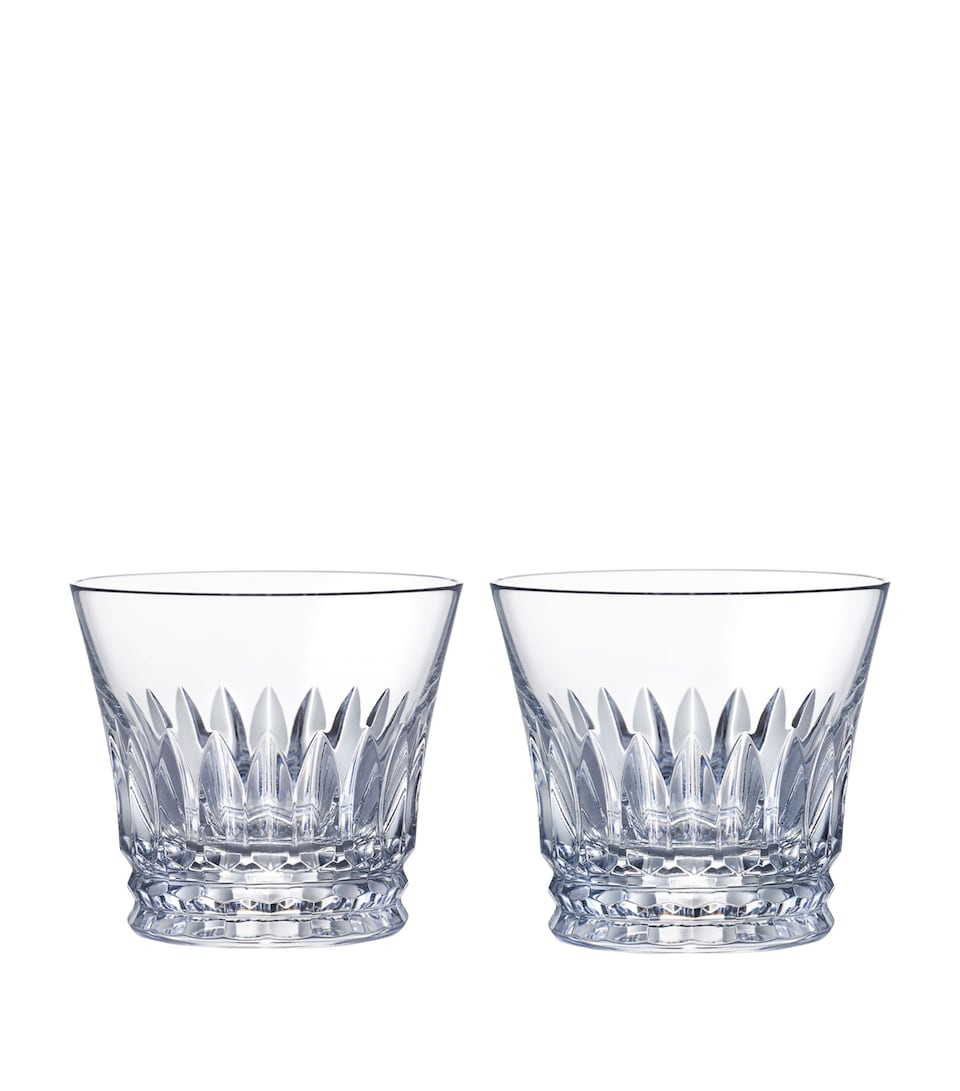
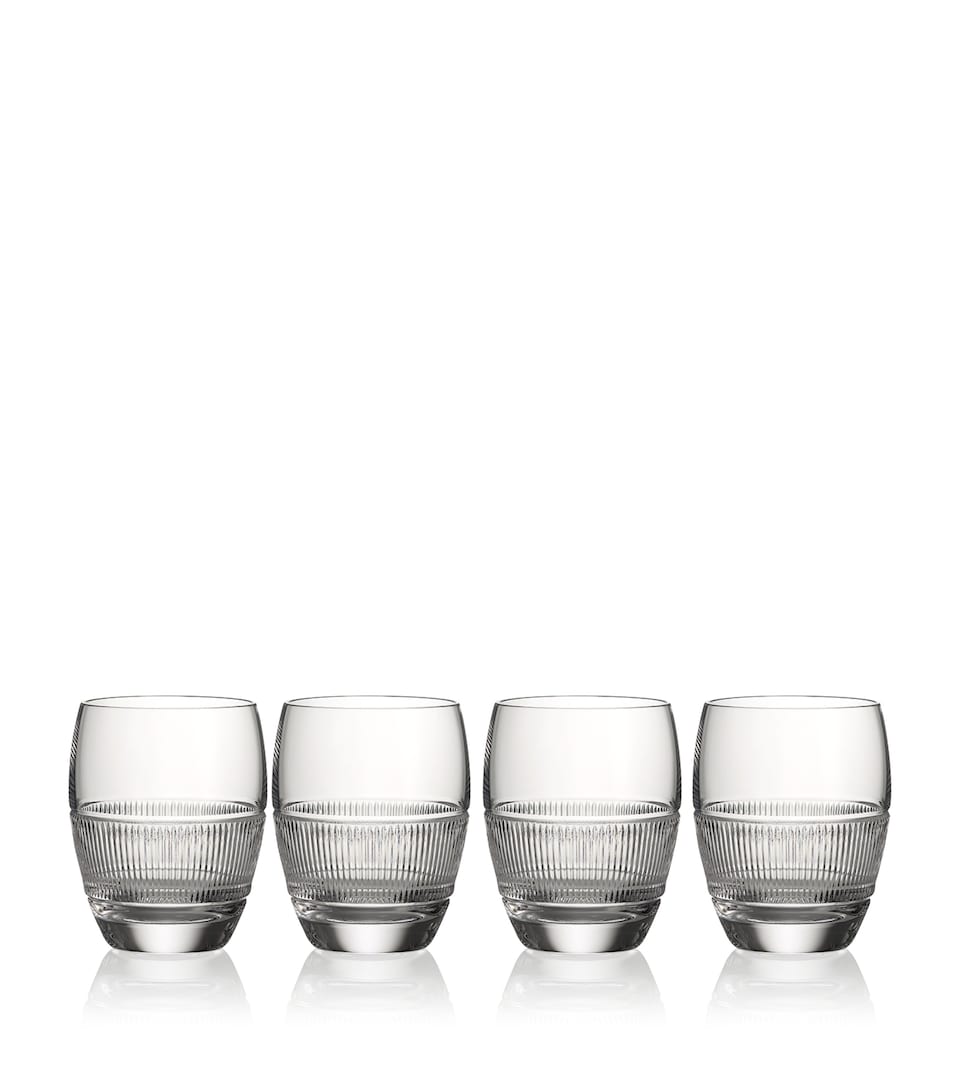
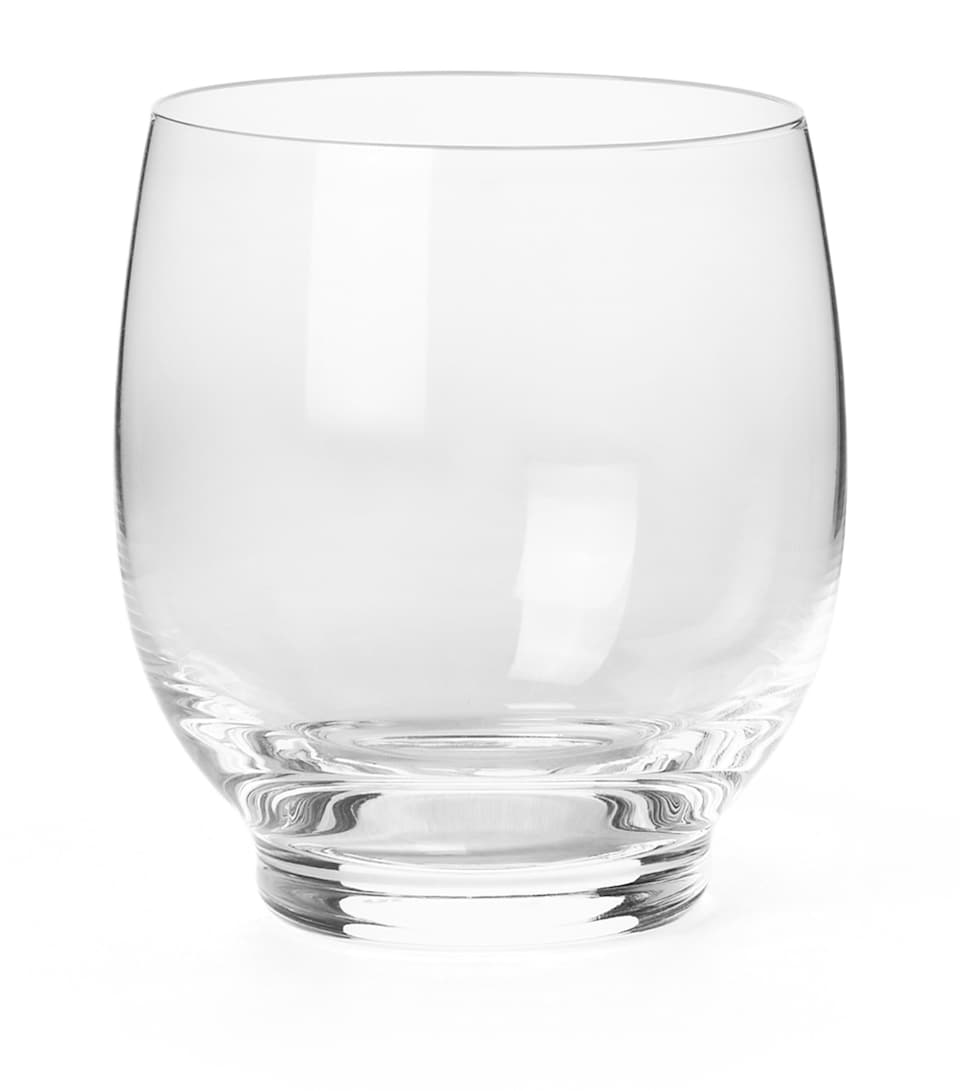
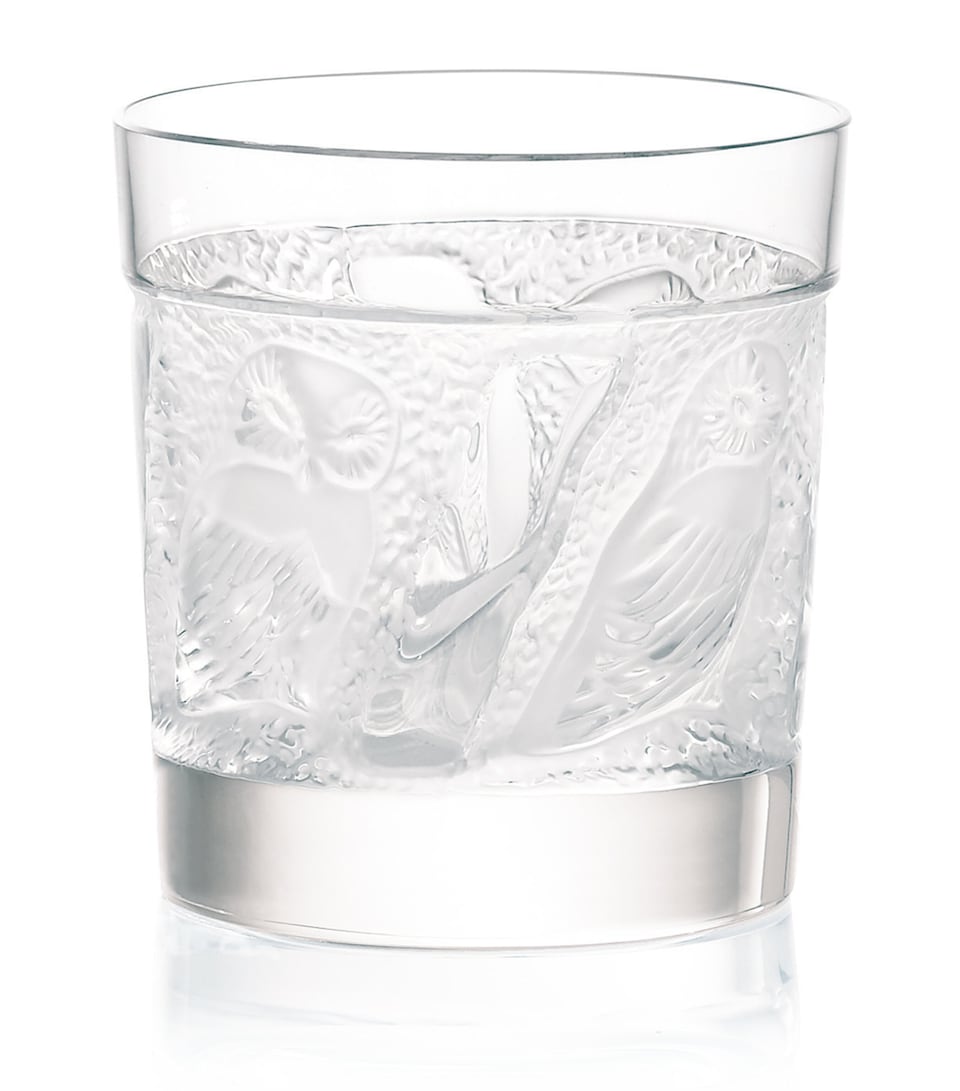
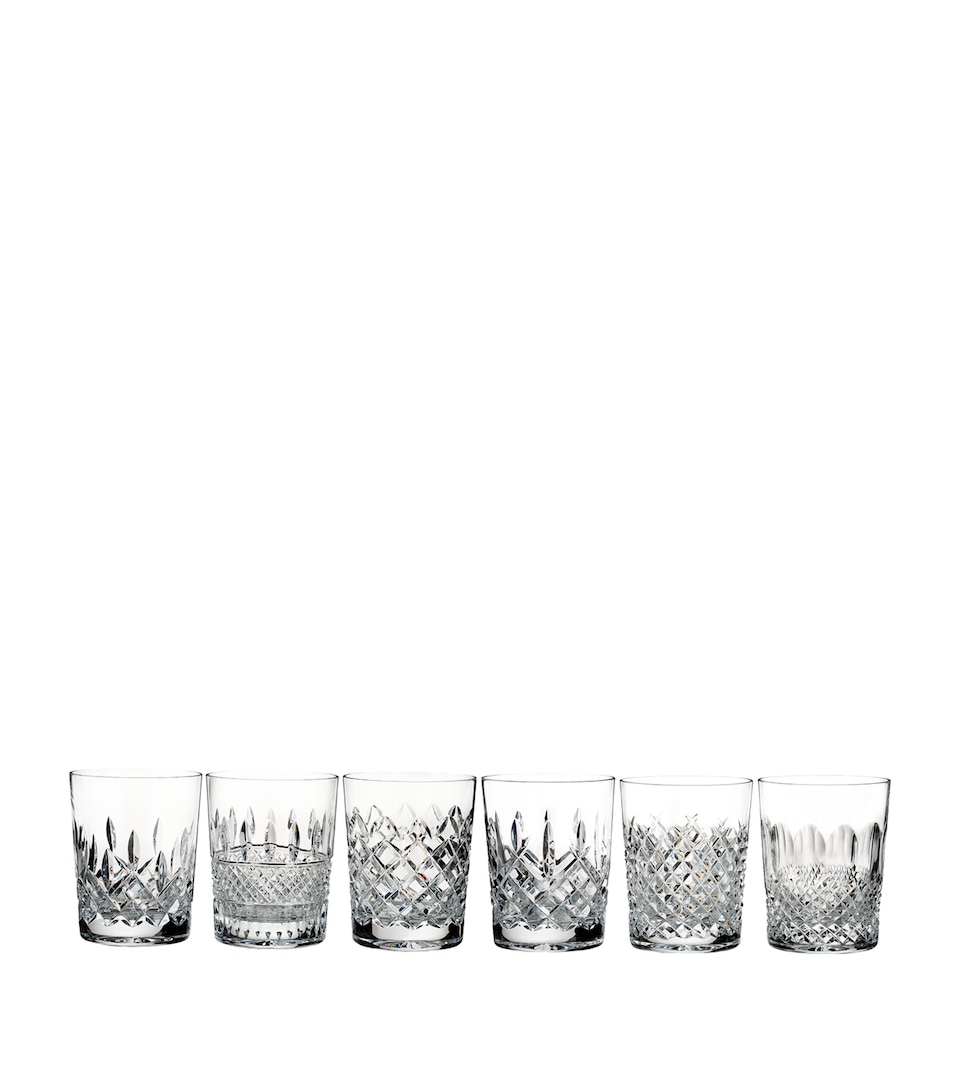
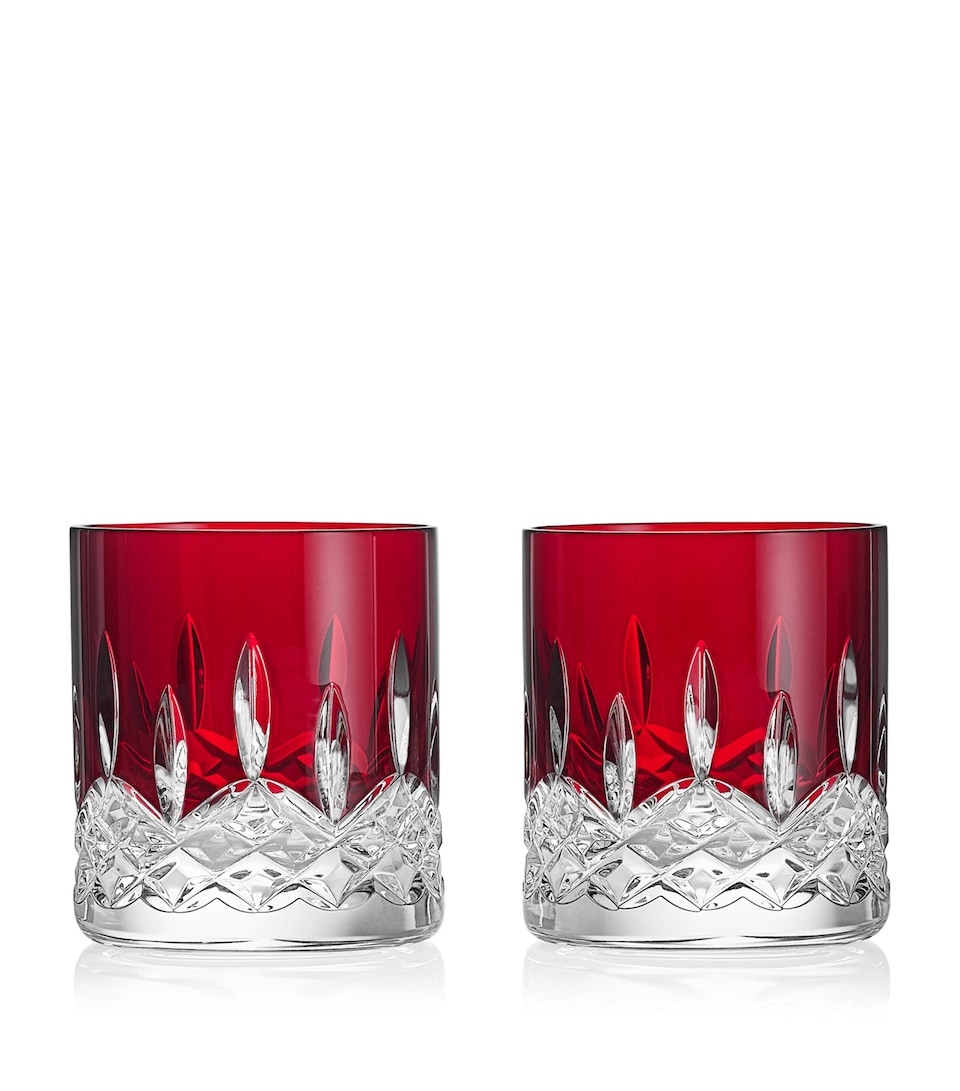
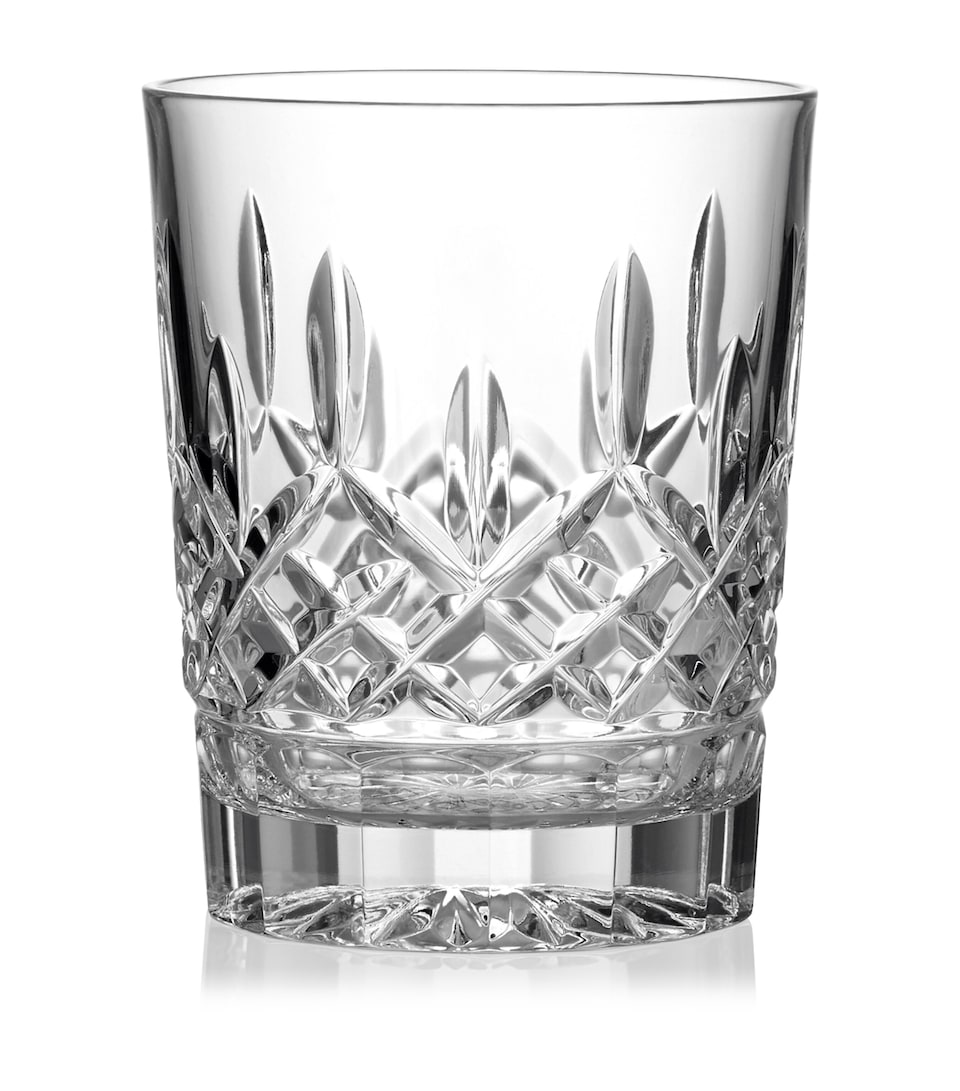
The tumbler glass is an everyday hero: this sleek stemless design can accommodate everything from sparkling water to fanciful homemade cocktails. Turn to labels that have heritage at their core to create tablescapes that speak of opulence – Christofle and Lalique glassware certainly fall into this category – or choose colourful options from Waterford, Riedel, Baccarat and LSA International to bring modern flair to your event.
Whisky Glasses

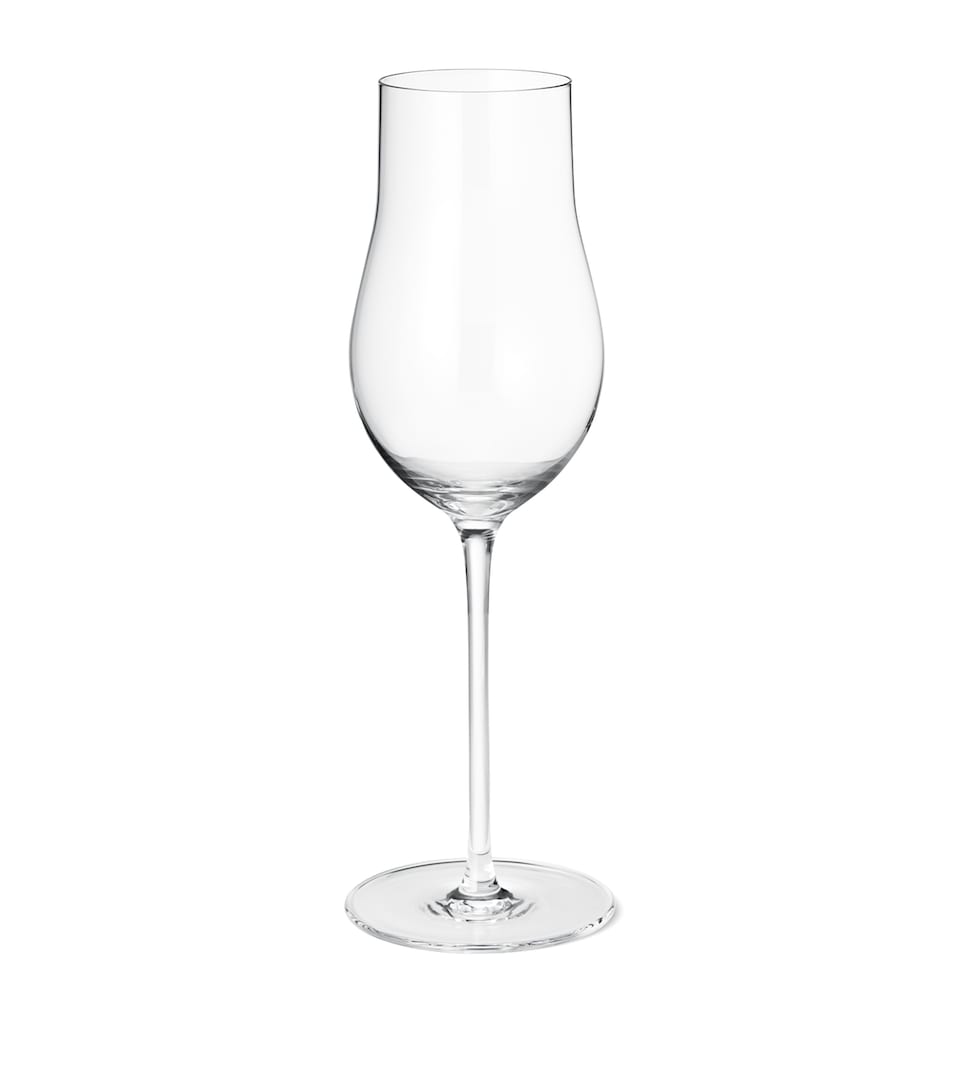
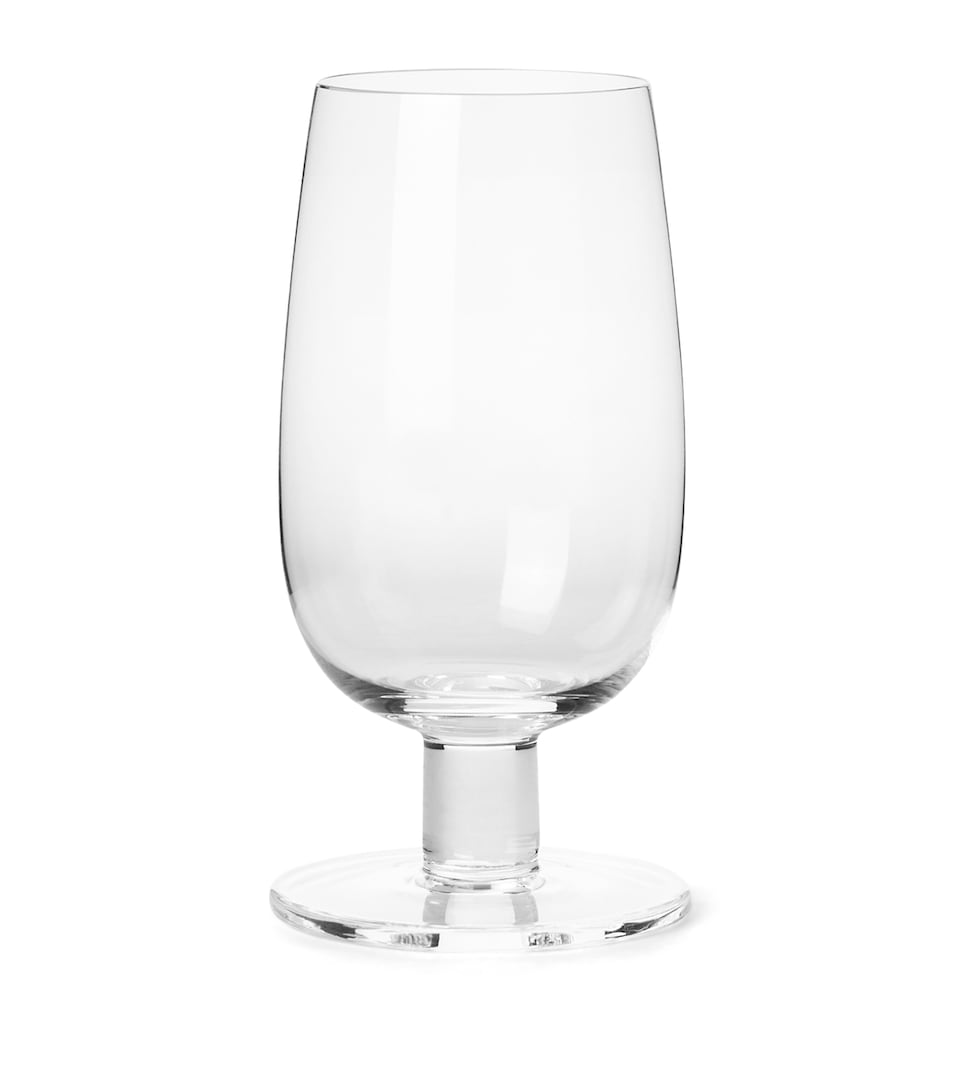
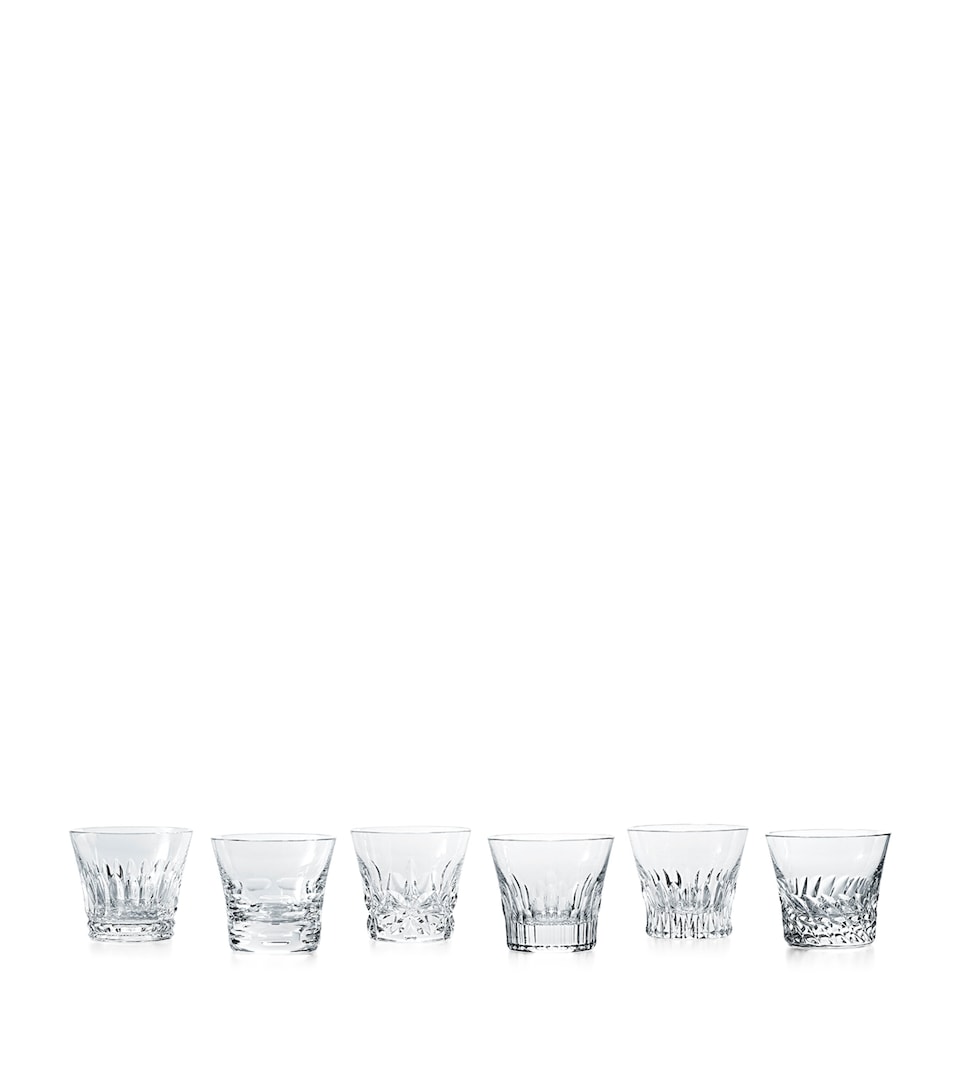
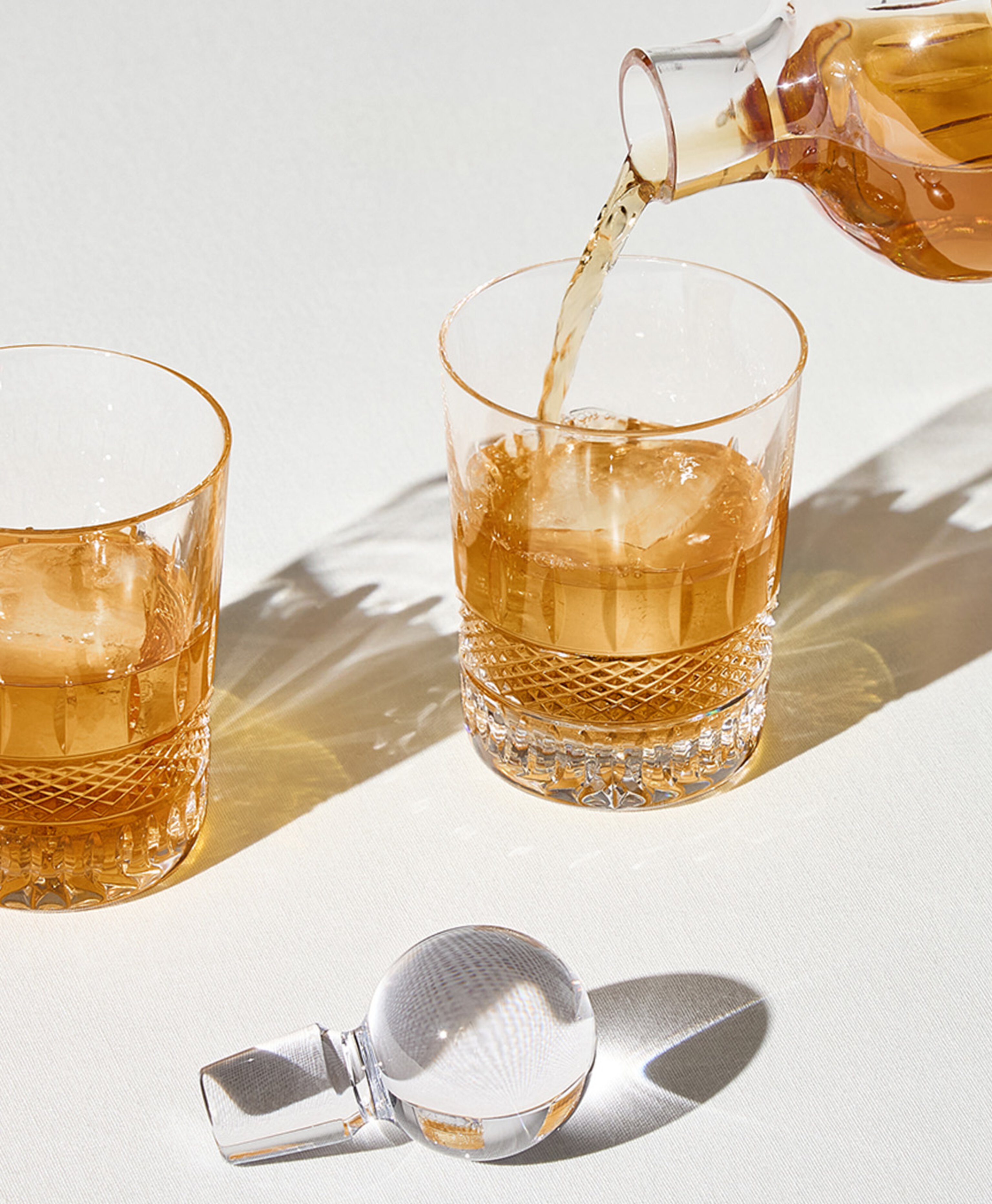
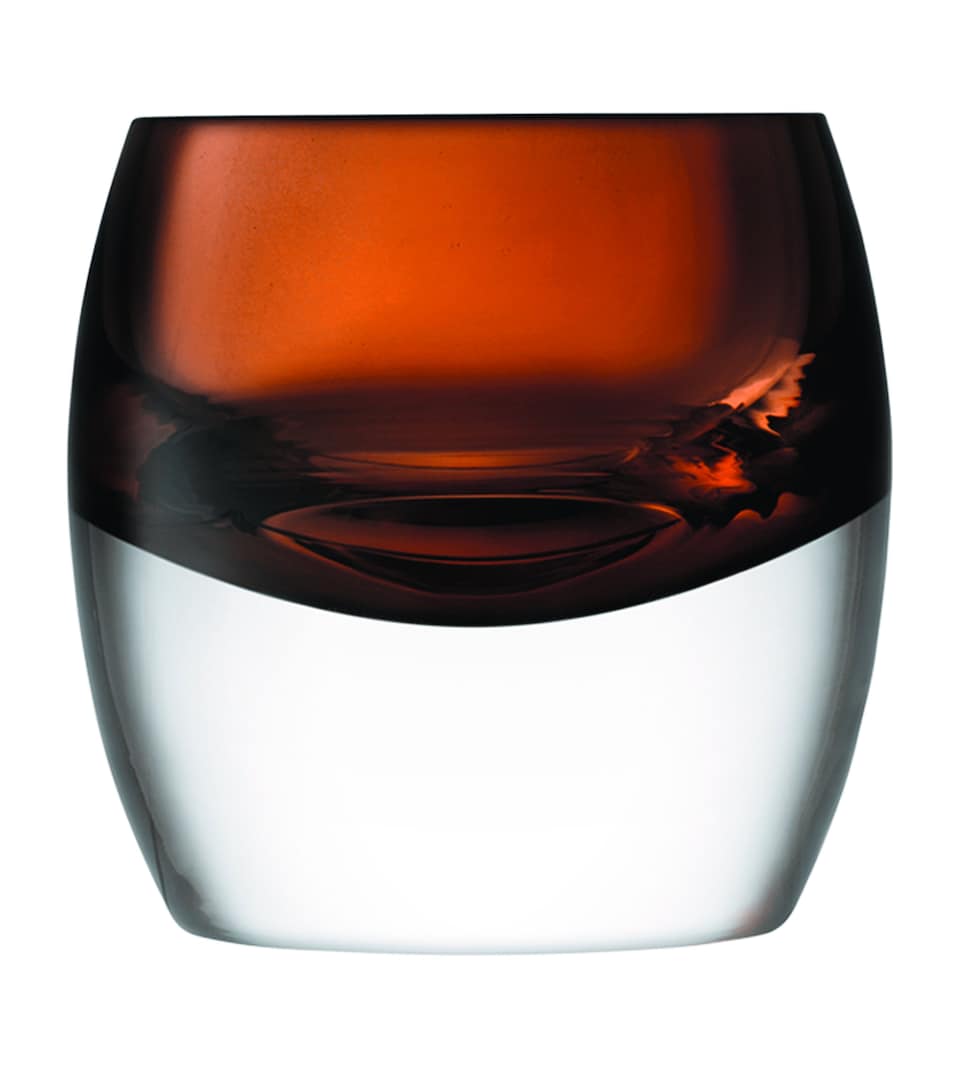
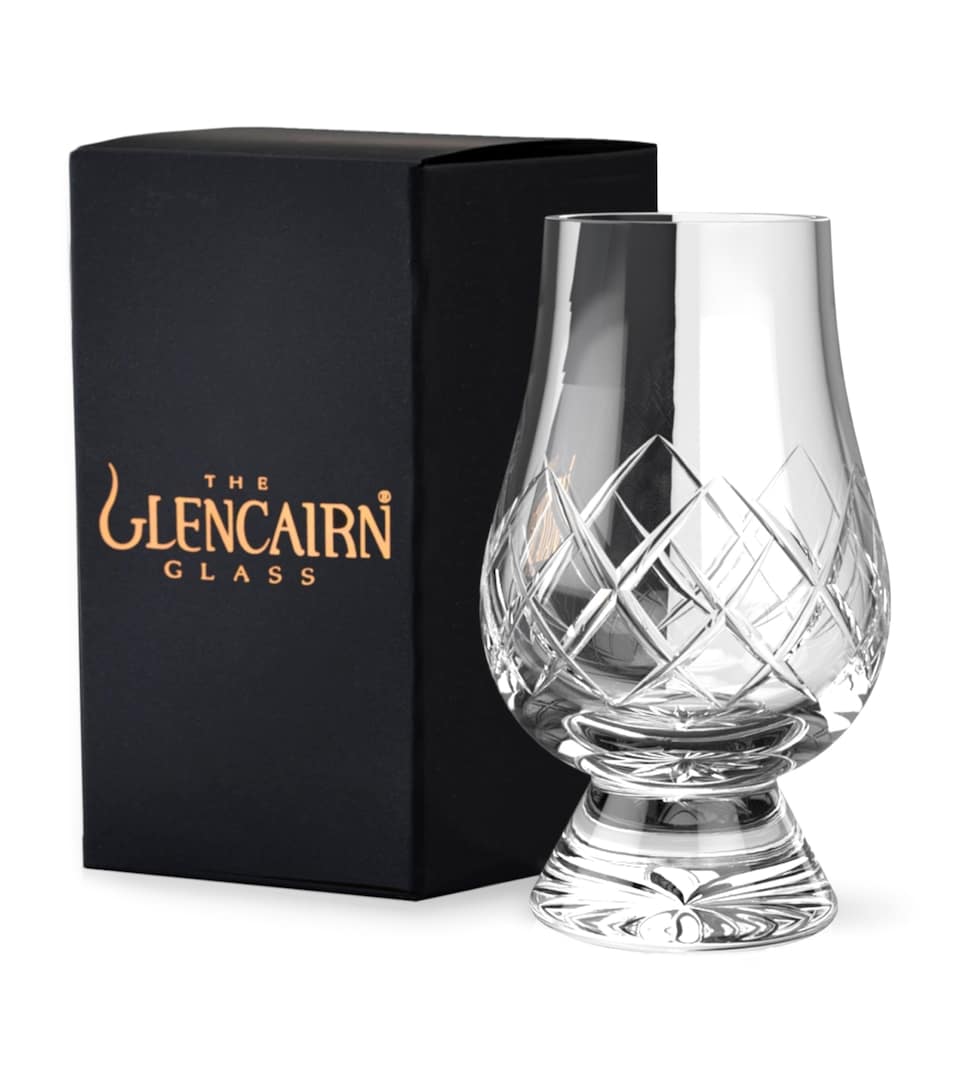
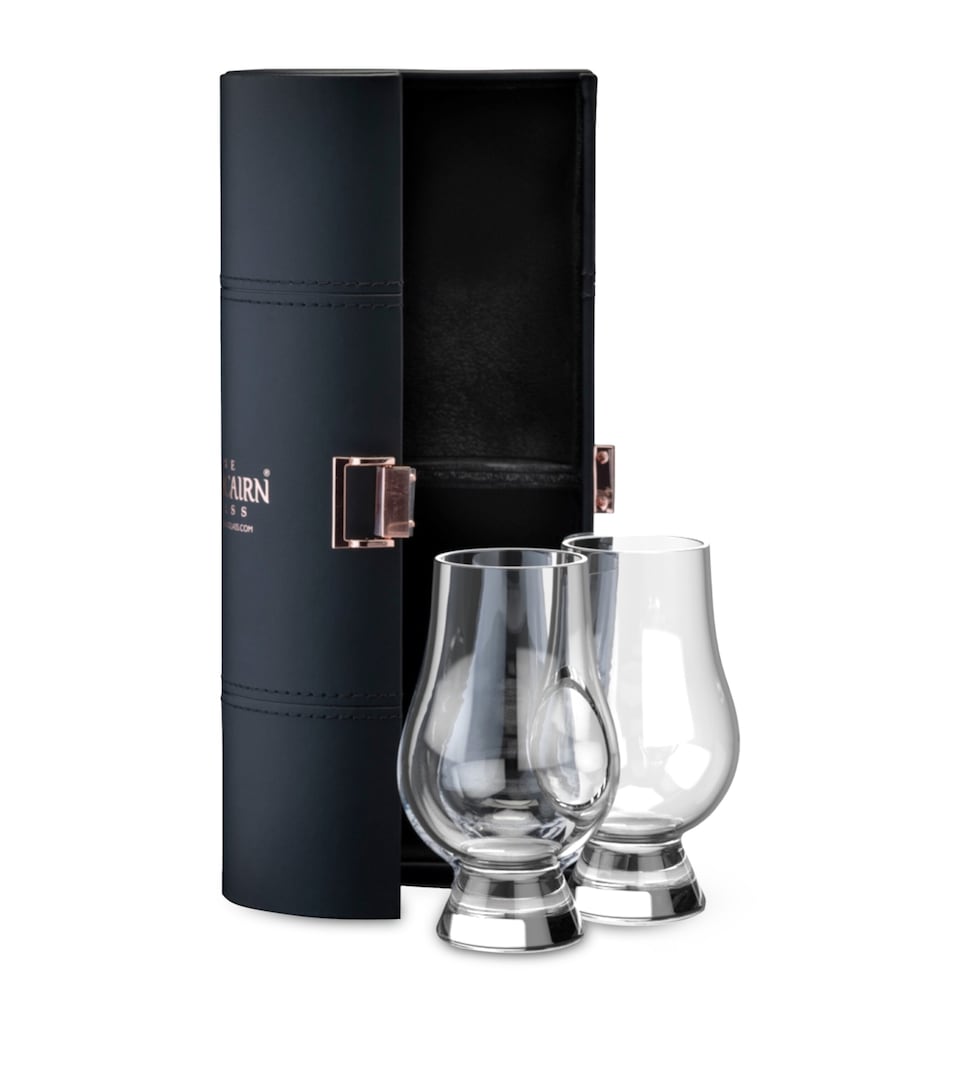
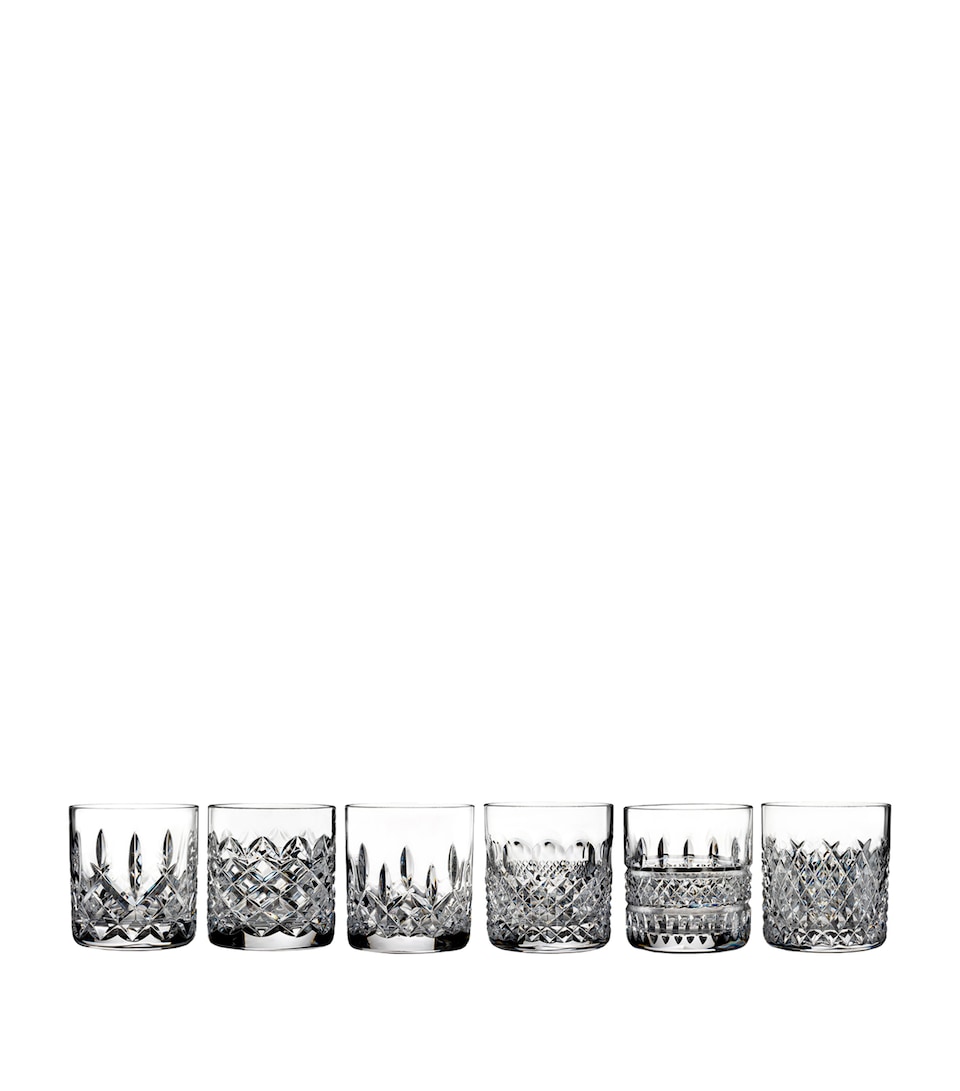
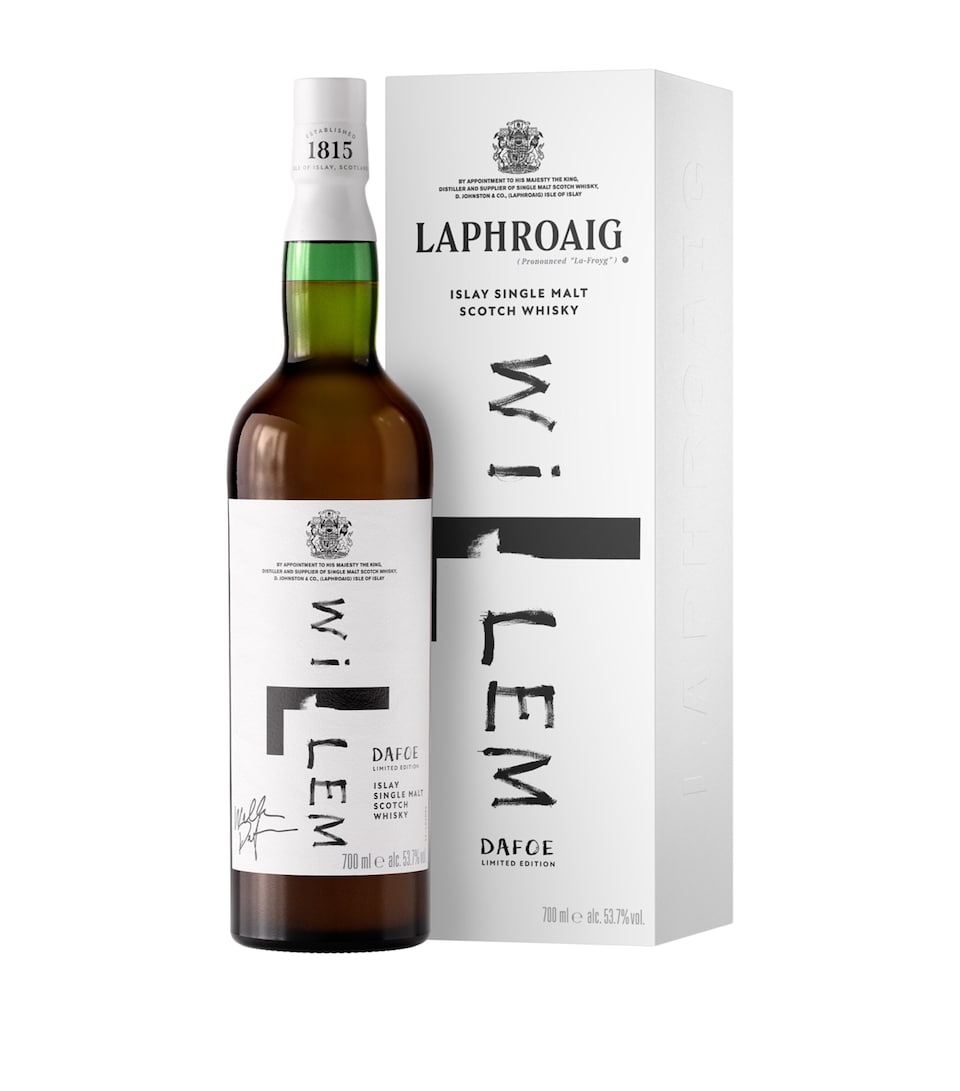
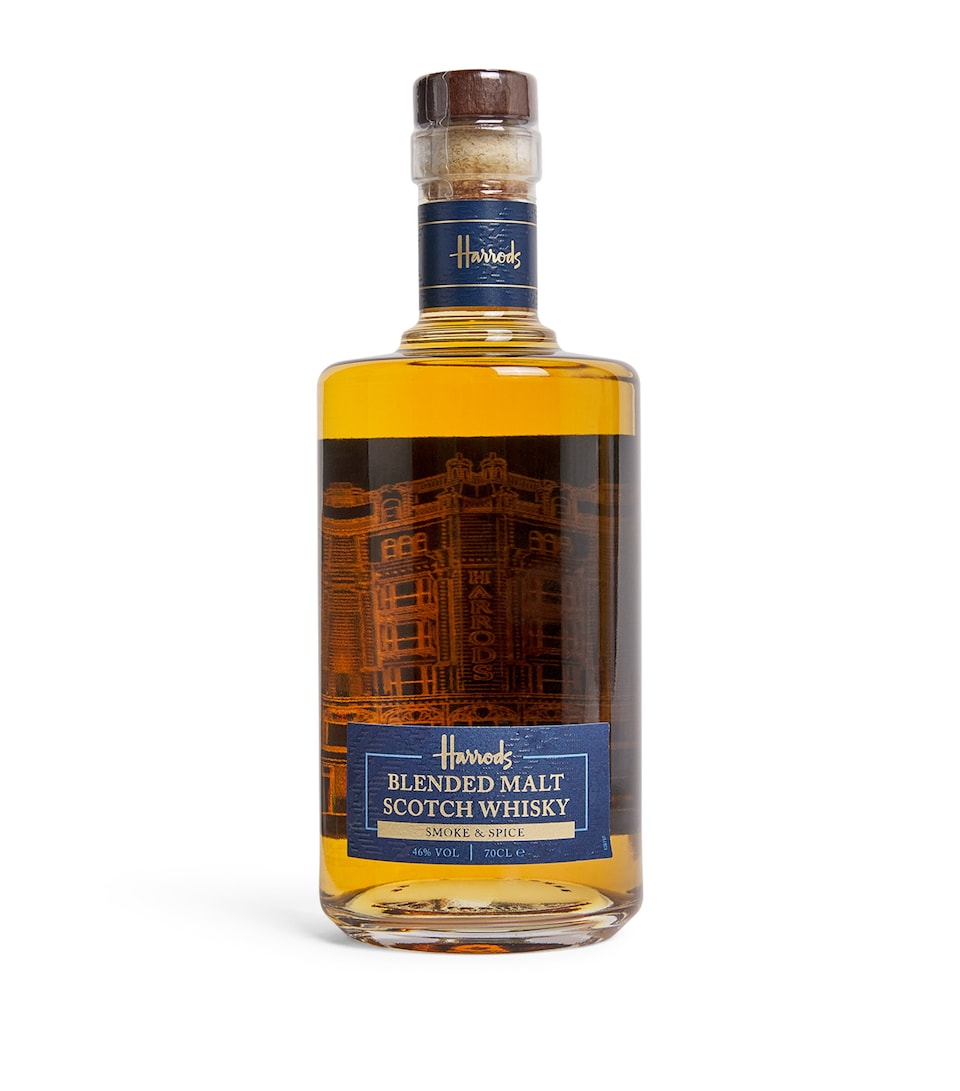
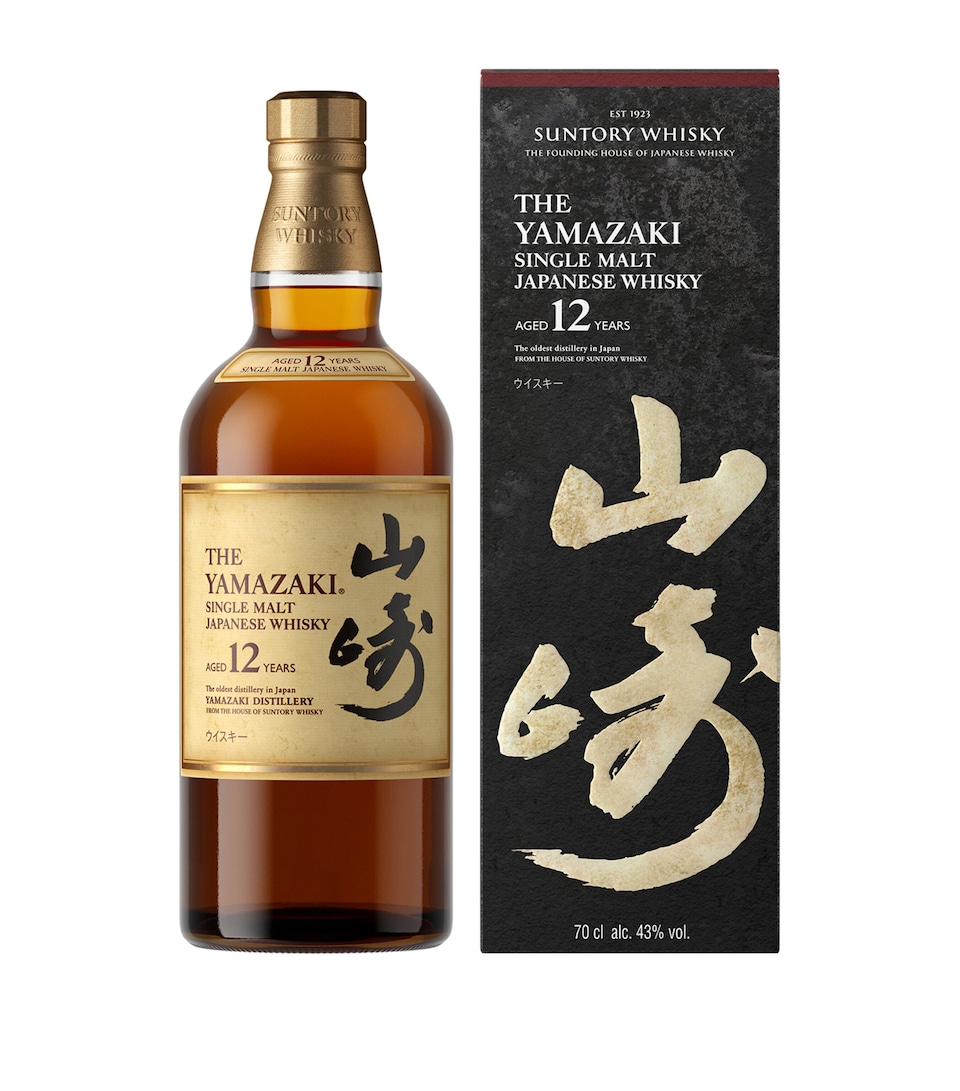
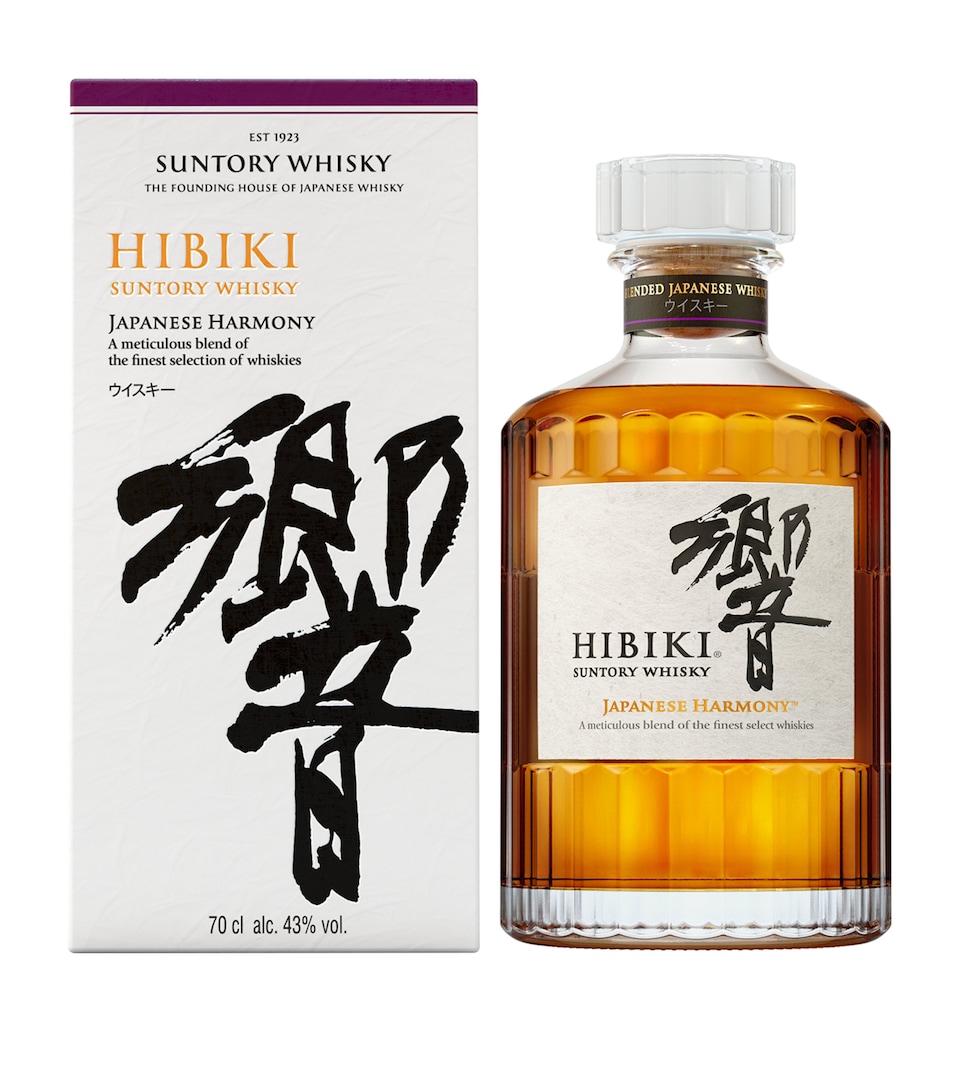
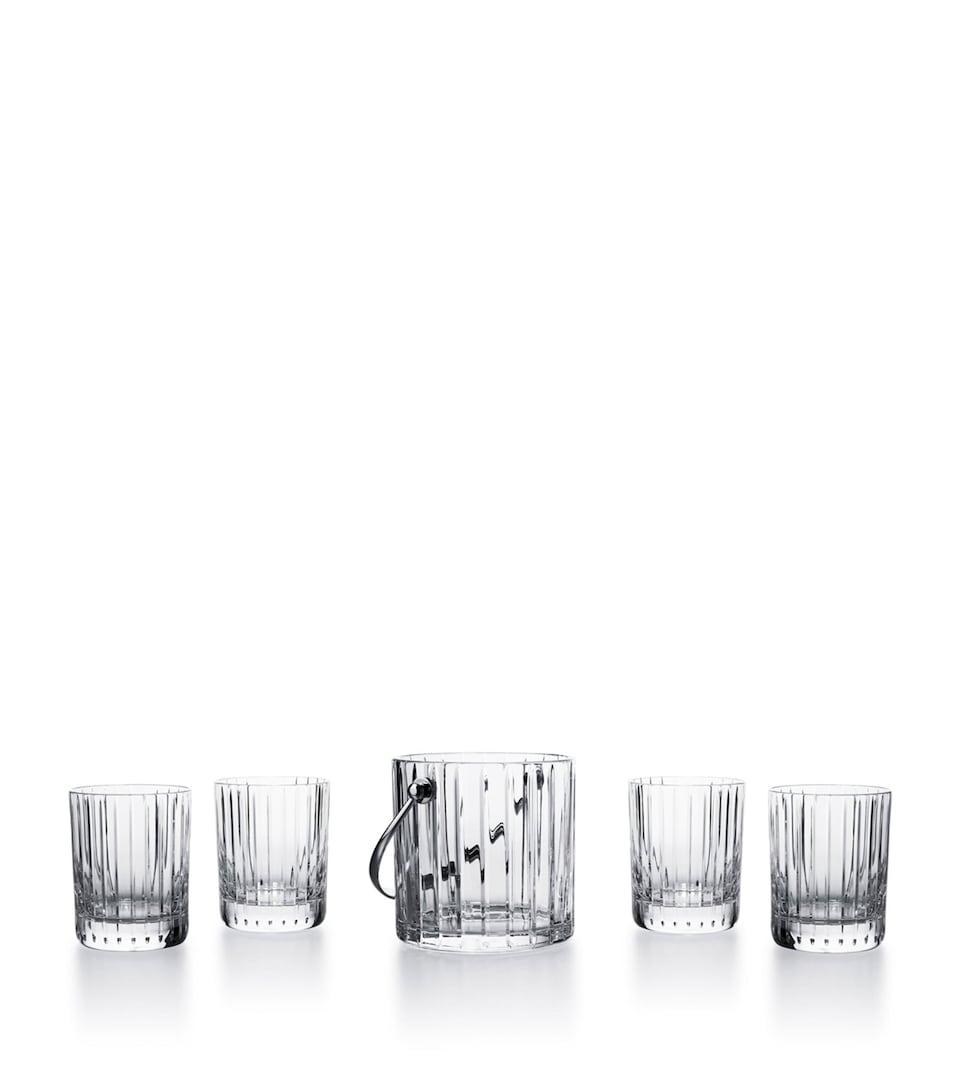
Whisky glasses are not one size fits all. For an everyday occasion, a whisky tumbler usually suffices – a style defined by a weighty base, enough room for an ice cube and thick glass to keep the temperature low even as it sits in-hand. Something with more of a silhouette, like the fluid snifter or Glencairn glass, is preferred during tastings and special occasions. The shapely snifter, in particular, is often seen at speciality whisky bars and members' clubs, with the graceful tulip shape offering increased aromas as well as a smaller spill range.

Frequently Asked Questions

The shape of a wine glass is carefully considered to enhance a wine's unique character, influencing the aromas released and its flavours on the palate. From generous bowls for complex reds to more refined silhouettes for crisp whites, the right glass allows every pour to be enjoyed at its fullest potential.

For those seeking the perfect balance of elegance and performance, a tulip-shaped Champagne glass is widely regarded as the ideal choice. Its gently curved form preserves effervescence while allowing the wine's delicate aromas and complexity to unfold beautifully.

If you're investing in just one style, a tulip-shaped wine glass offers exceptional versatility across both red and white wines. Its balanced proportions provide ample room for aromas to develop while maintaining freshness.

Cocktail glassware is designed with both function and presentation in mind, elevating the drinking experience from the first sip. Each silhouette serves a purpose, whether preserving temperature, concentrating aromas or showcasing the artistry of a perfectly poured serve.

A considered choice of glass can enhance everything from aroma and flavour to temperature and visual appeal. As a guide, opt for wider bowls for aromatic wines, slender glasses for sparkling serves and substantial tumblers for spirits and cocktails served over ice.

Although all crystal is glass, not all glass is crystal. Crystal is made by fortifying glass with metal alloys to increase its shine and strength. Originally, lead was used, but today a more health-conscious mix of barium and zinc is preferred. This allows manufacturers to spin and cut it into much thinner, more elegant shapes without losing structural integrity.


Can’t tell if something is glass or crystal? Use the sound, weight and light tests: crystal rings like a bell, feels heavier than glass and creates rainbow prisms when light refracts through it.

Related Stories

Harrods Stories

Bringing you a weekly dose of everything from expert styling tips to dinner-party solutions