The Harrods Guide to Scent Layering

Words by Giovanna Gama


It’s no secret that fragrances have seen a rise in popularity in recent years, especially given the exponential growth of #PerfumeTok on TikTok, which, with over 5.2 billion views, has become the main driver of global sales in the fragrance market. Given this surge in interest, research conducted by the Boston Consulting Group found that 73 per cent of Gen Z and Millennials regularly use three or more scents, moving away from the idea of staying loyal to a singular perfume. It was only a matter of time before scent layering became the trend that’s set to take over the beauty world.


The concept revolves around experimenting and personalising your signature scent to create a bespoke blend that will last much longer and feel uniquely yours. There is, however, more to the art of mixing perfumes than meets the eye – or should we say the nose? “It’s crucial to be mindful of the proportions and interactions to achieve a harmonious layering,” notes Renaud Salmon, chief creative officer at Amouage. So how does one go about finding the right pairings?

Understanding Notes and Scent Families

Succeeding at scent layering starts with familiarising yourself with different notes. While the experience should be playful and personal, certain fragrance families work better together than others. There are two approaches you can take when layering: staying within the same scent family or using a connecting thread that ensures the fragrances harmonise – a duality often referred to by experts as the ‘family bridge’ method.

Same Scent Family Combinations

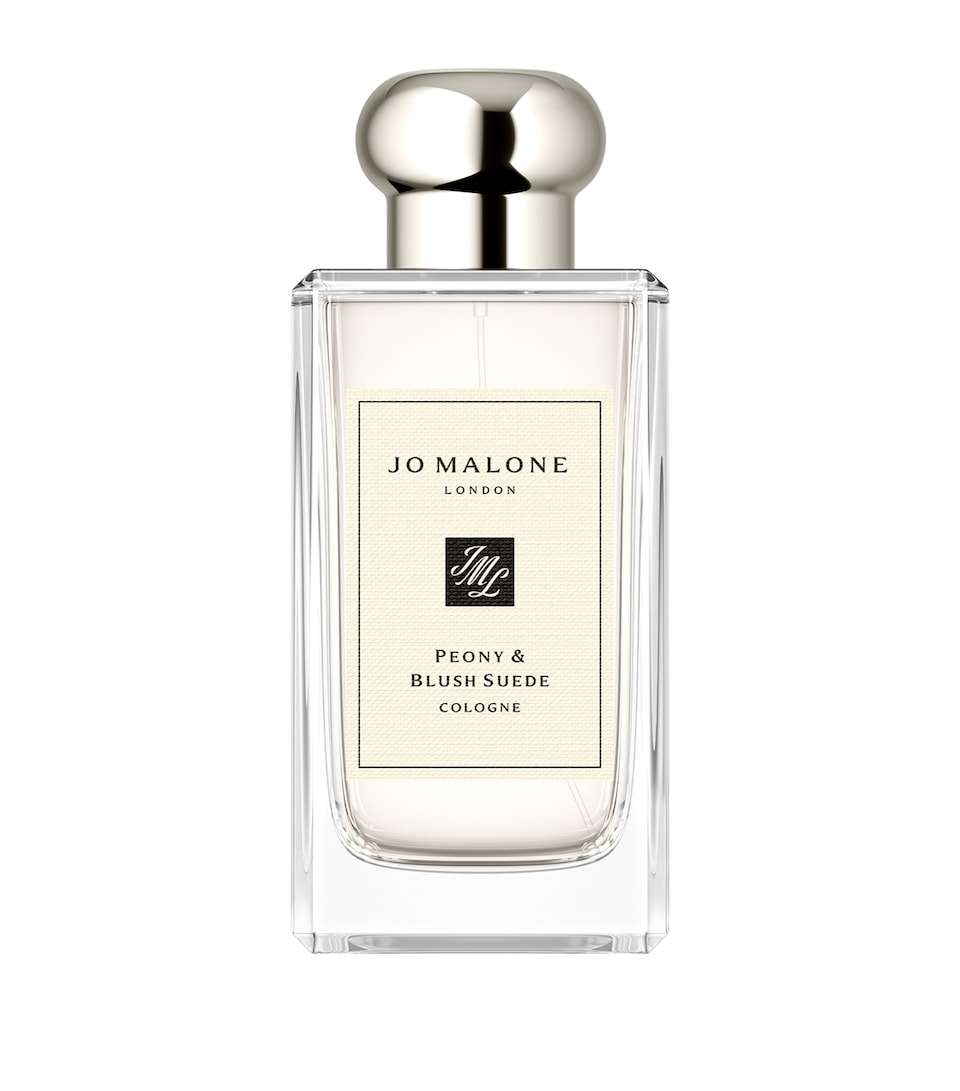
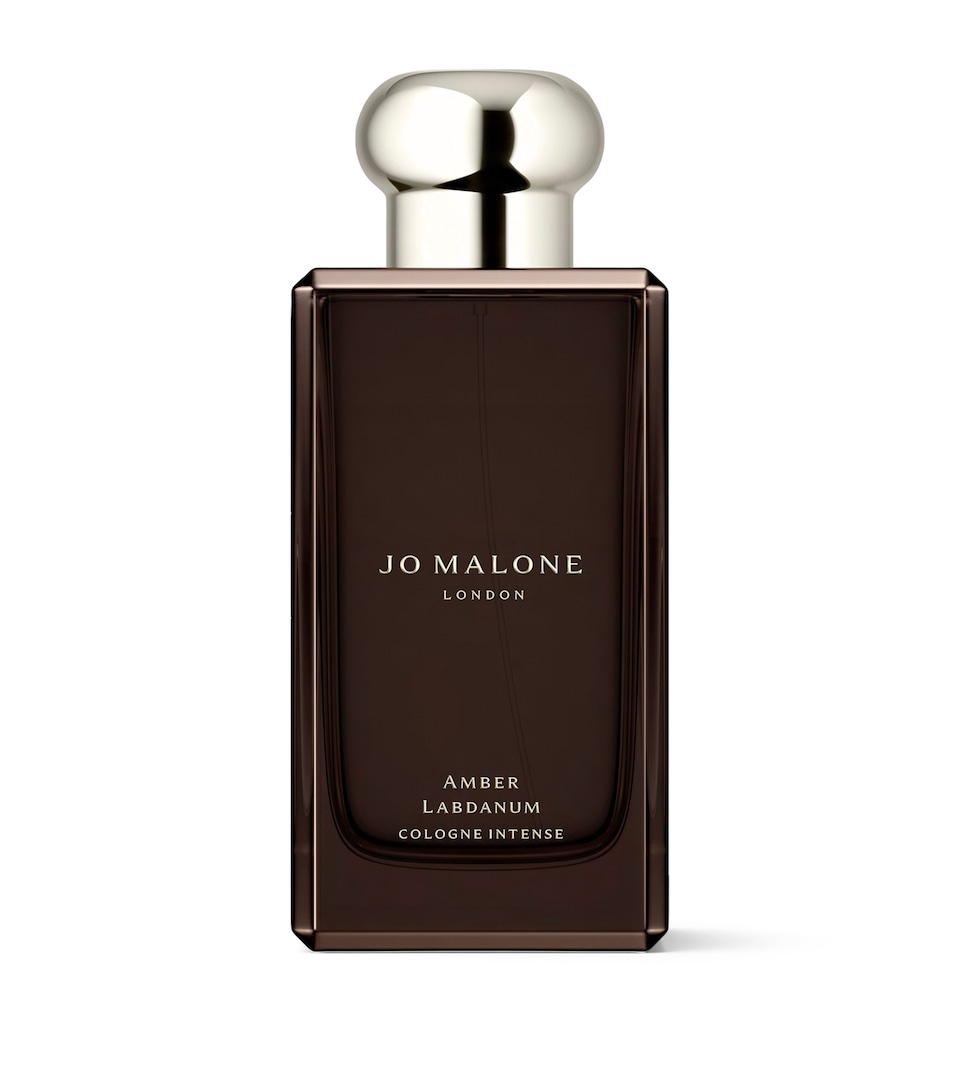
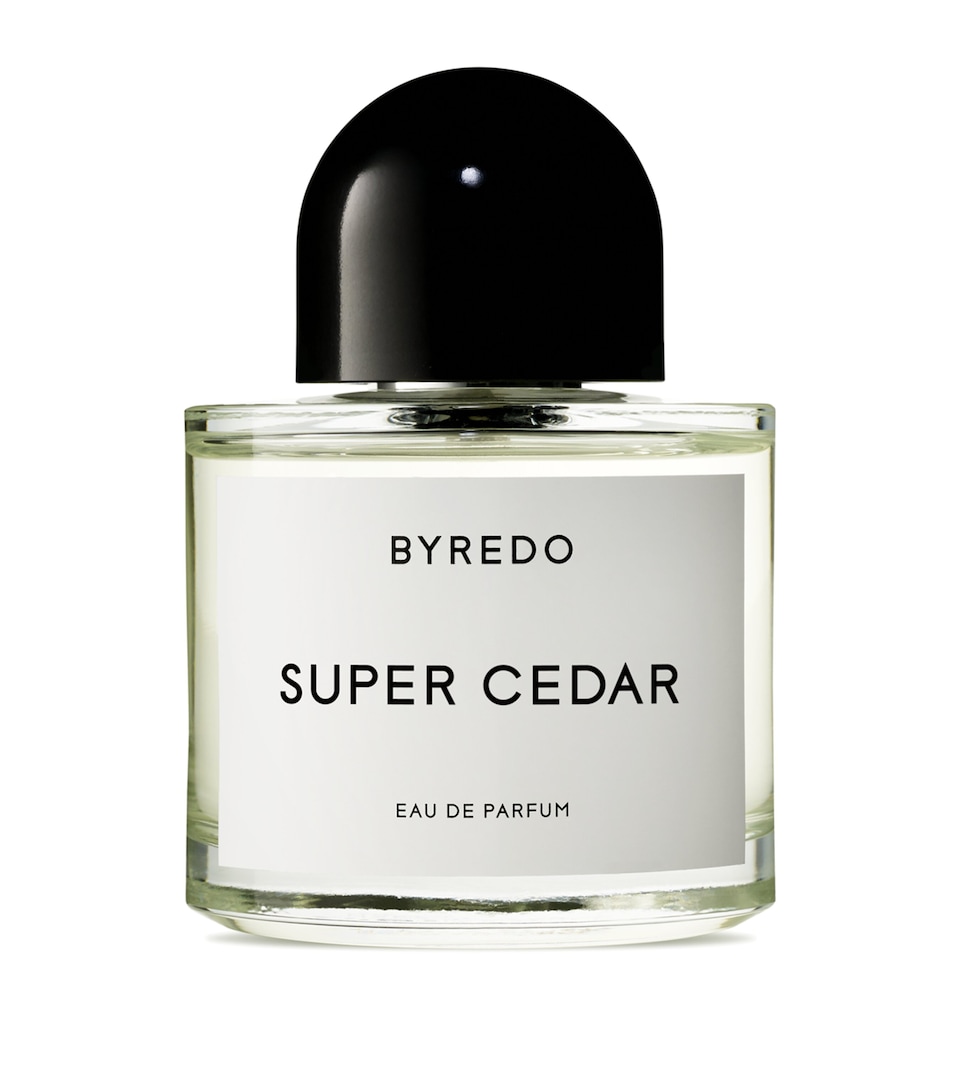
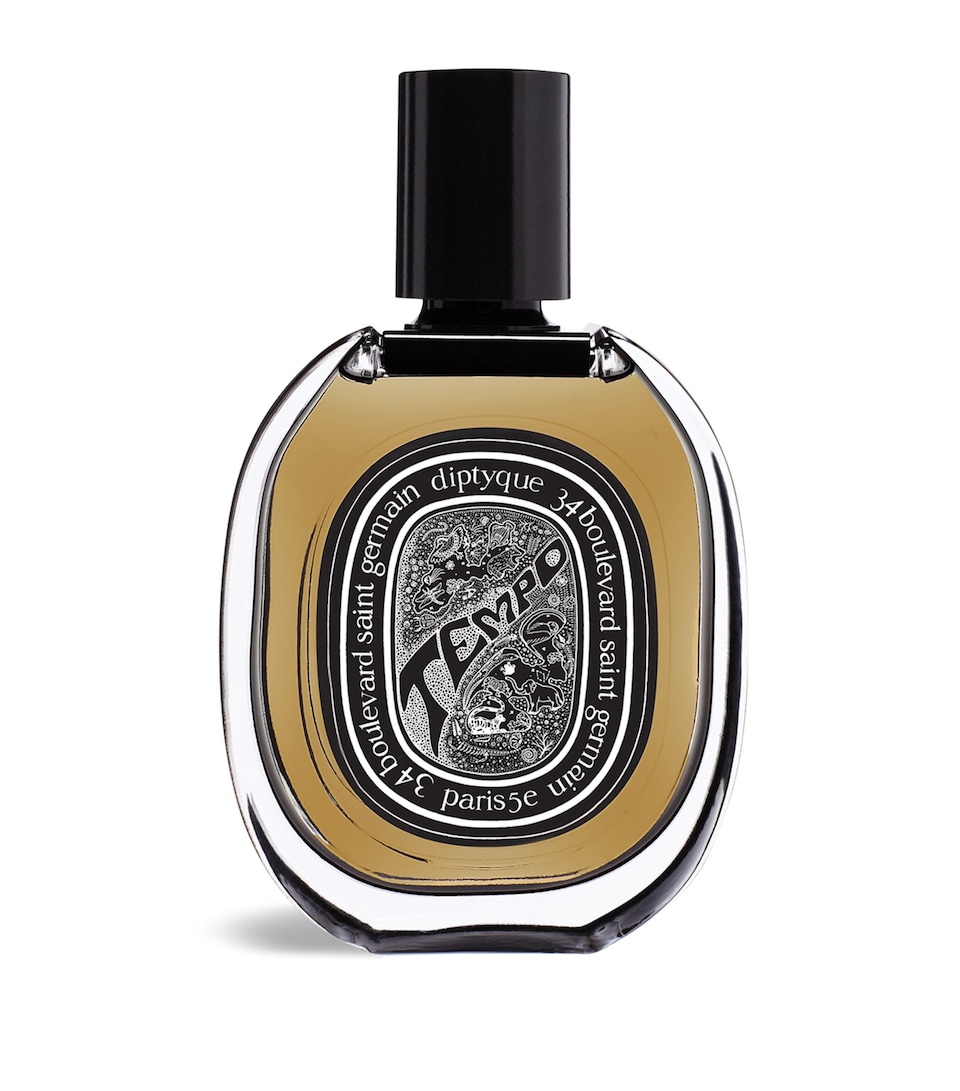
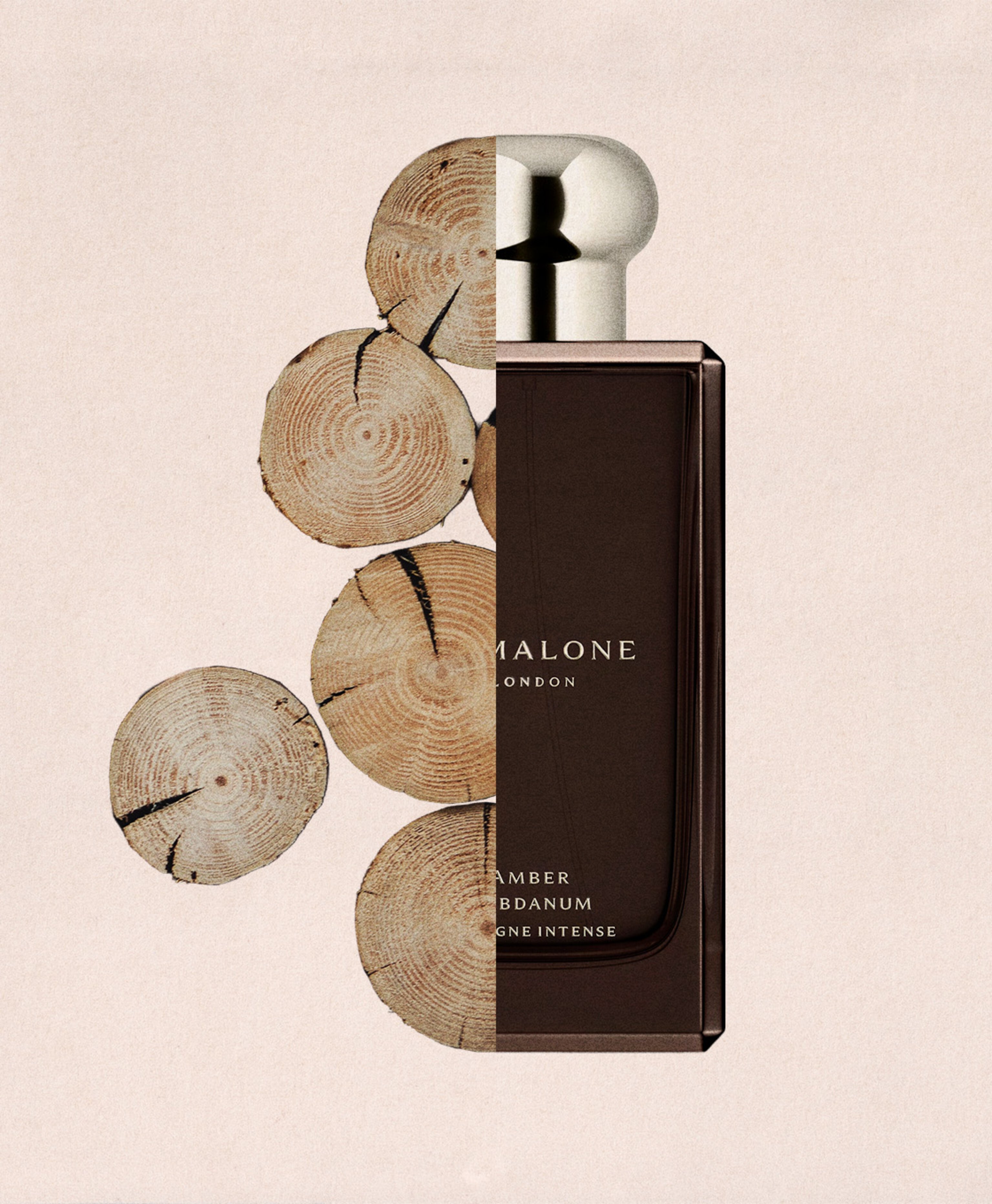
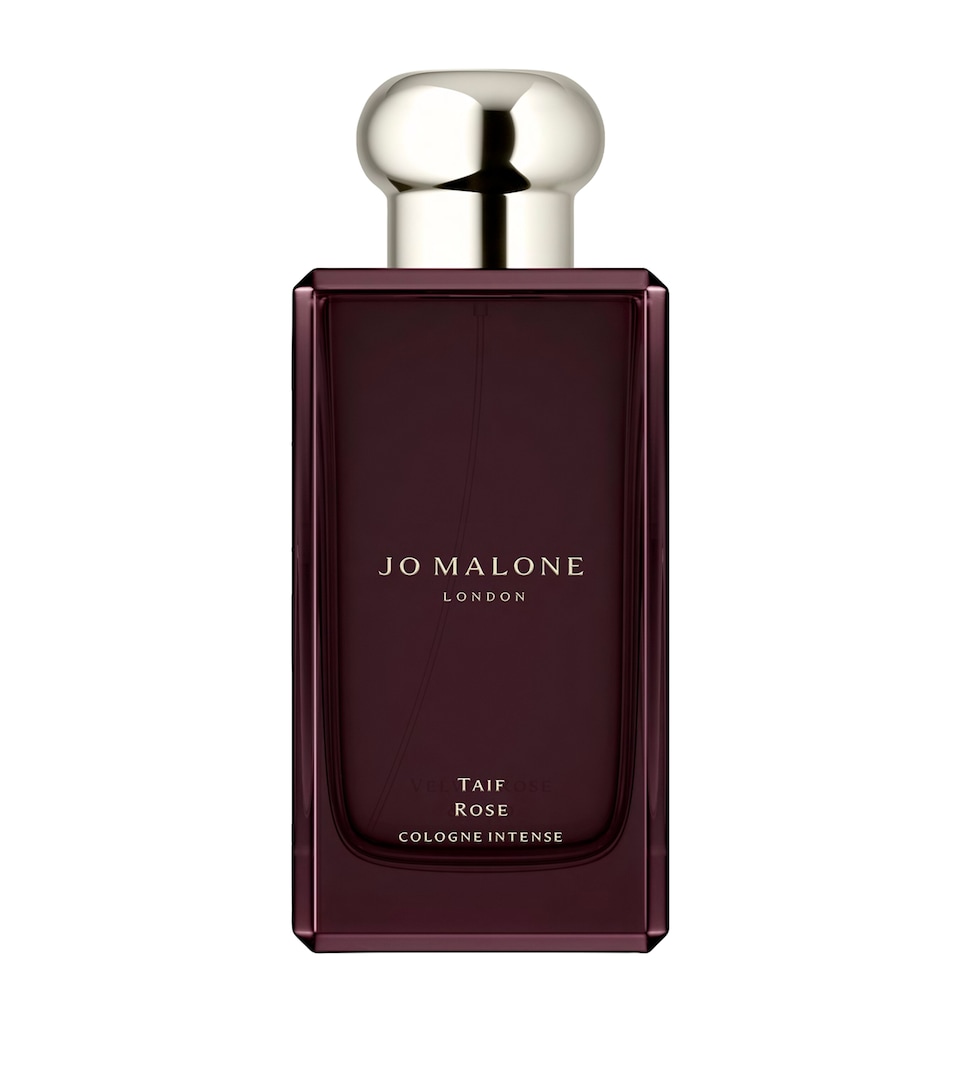
A great starting point is by combining scents from the same families – think Jo Malone London’s Taif Rose Cologne Intense with the brand’s Peony & Blush Suede Cologne or the Amber Labdanum Cologne Intense mixed with warm, woody perfumes, such as Byredo’s Super Cedar and Diptyque’s Tempo. “Scent layering is entirely personal: “The most important factor [of scent layering] is that it reflects the unique characteristics and preferences of the wearer. It means you can express different facets of your personality and mood at once,” says Emma South, Jo Malone London’s fragrance and lifestyle expert.
Classic Floral and Woody Blends

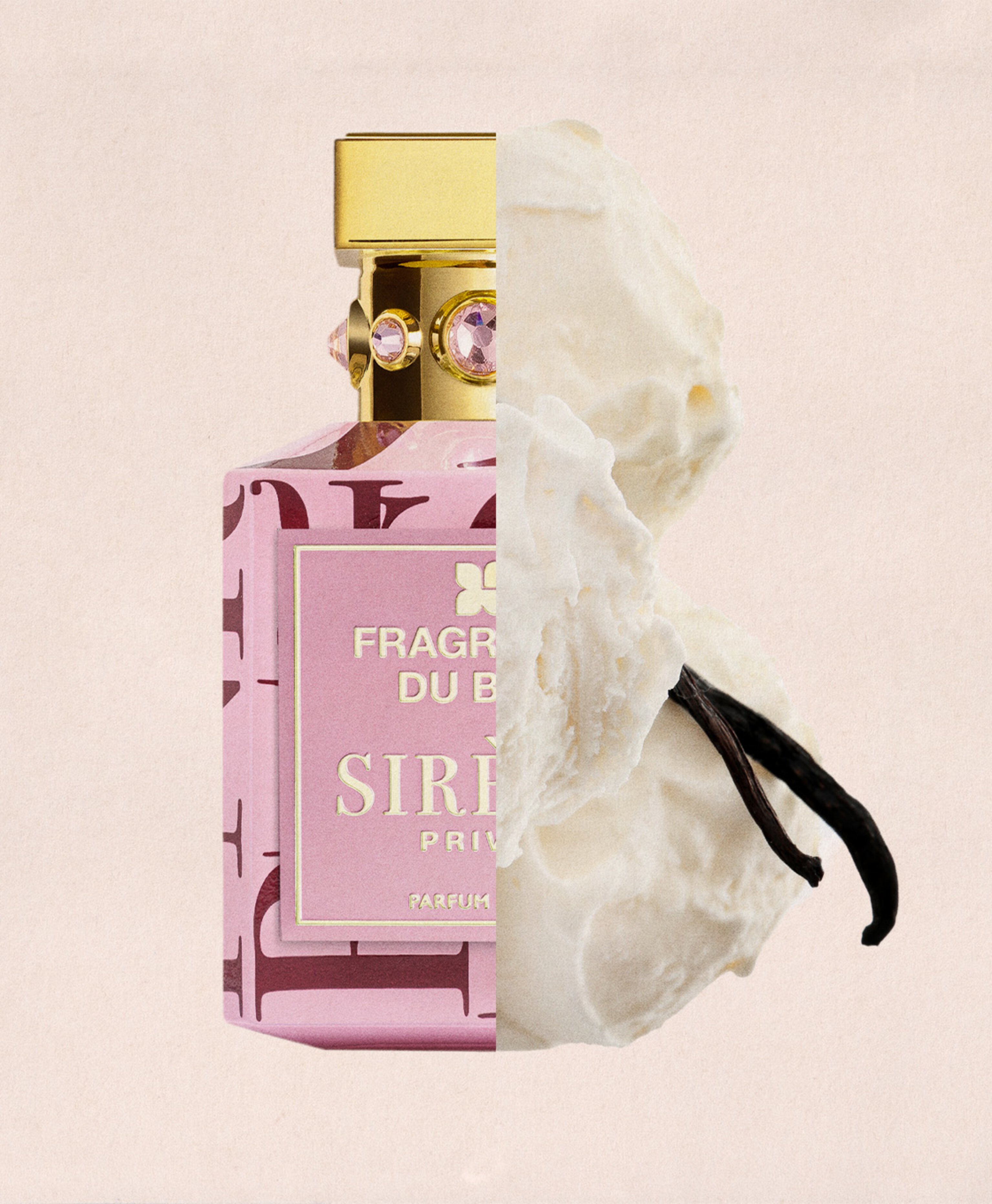
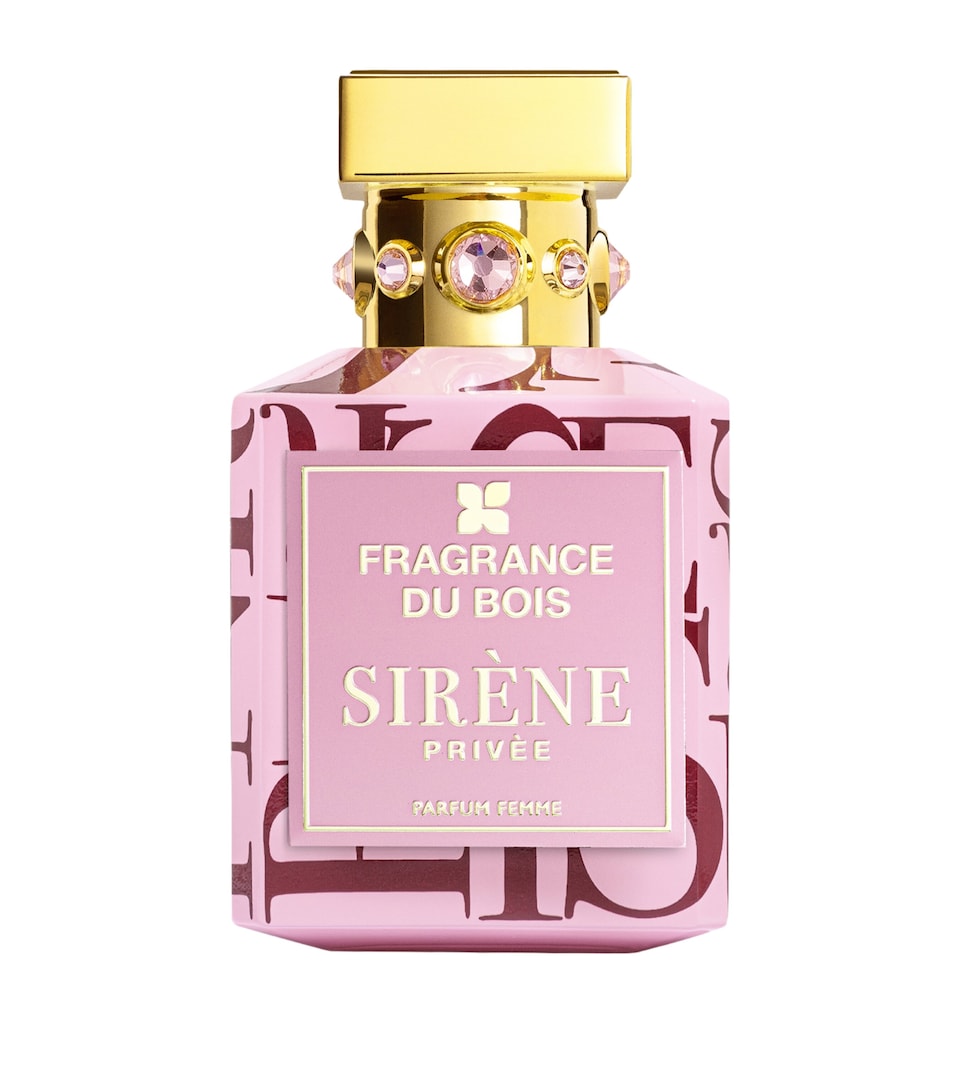
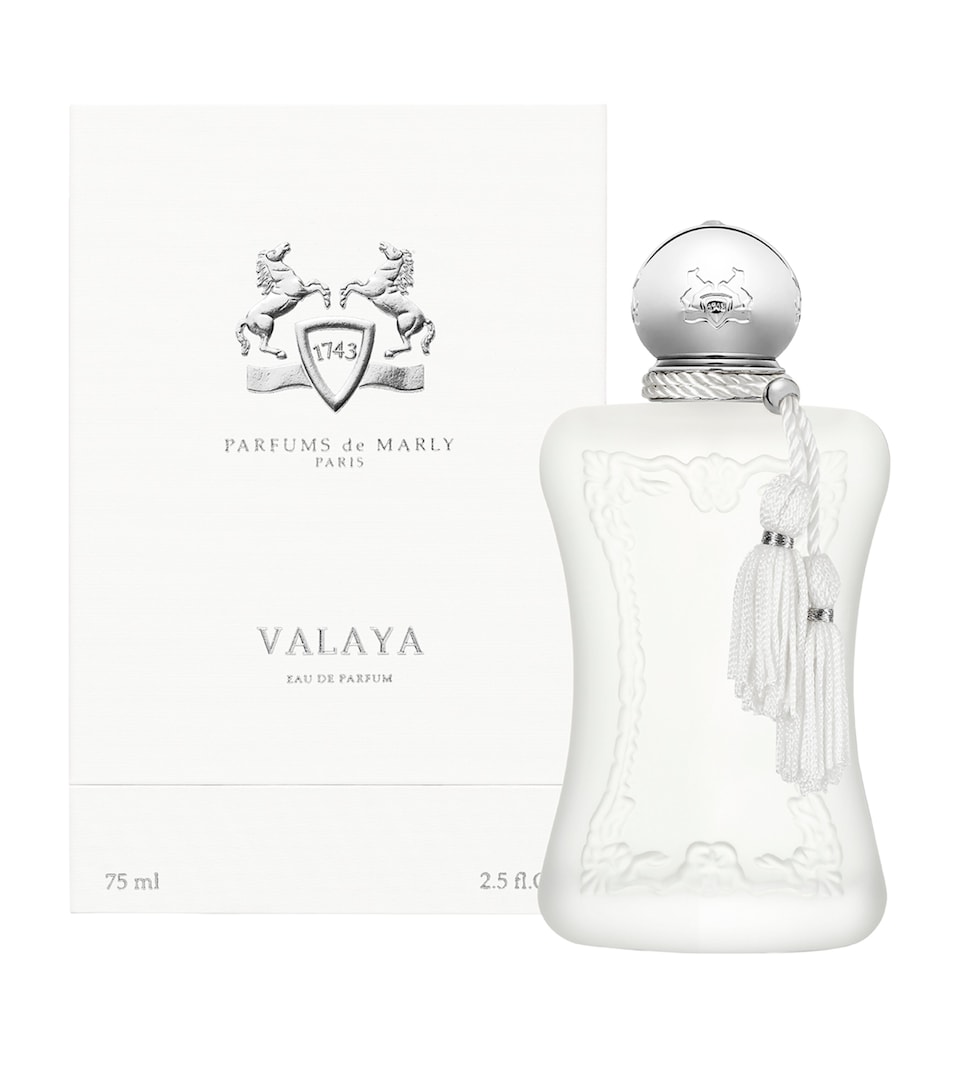
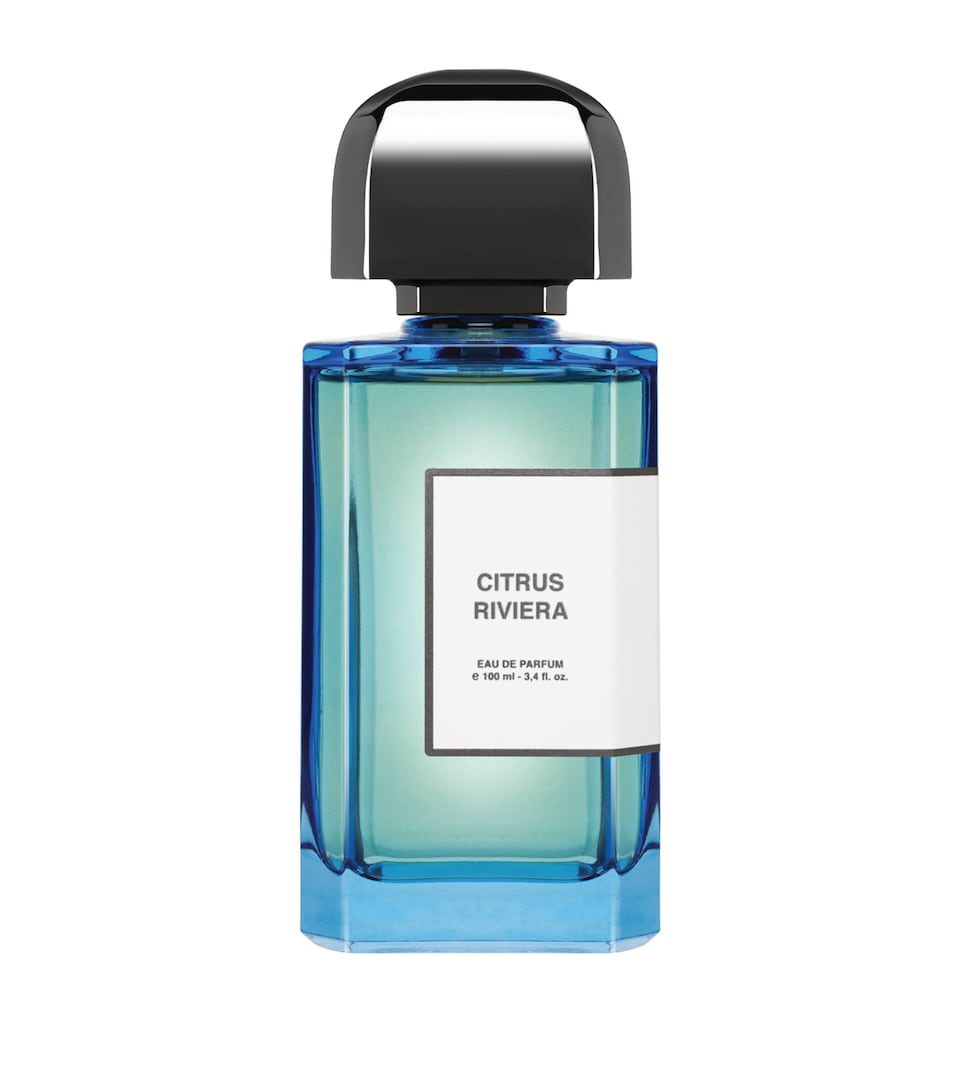
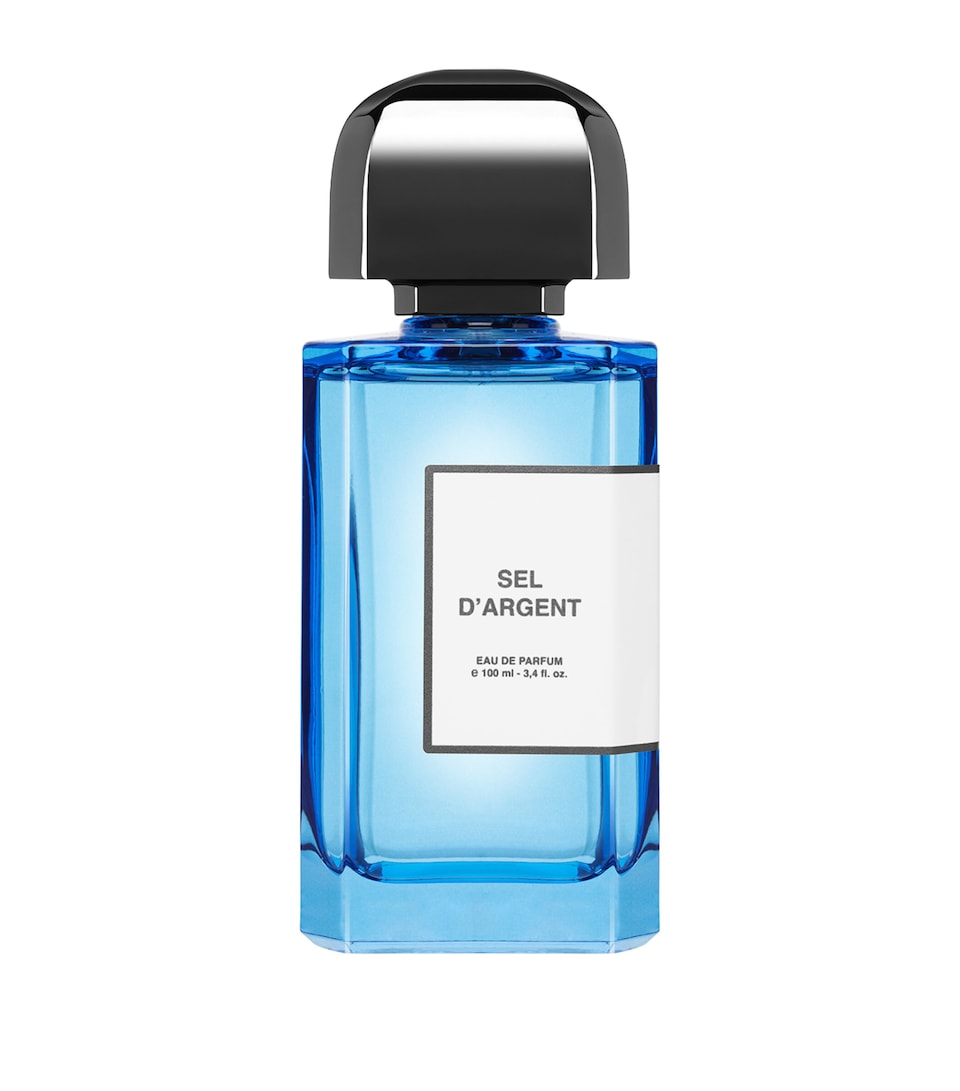
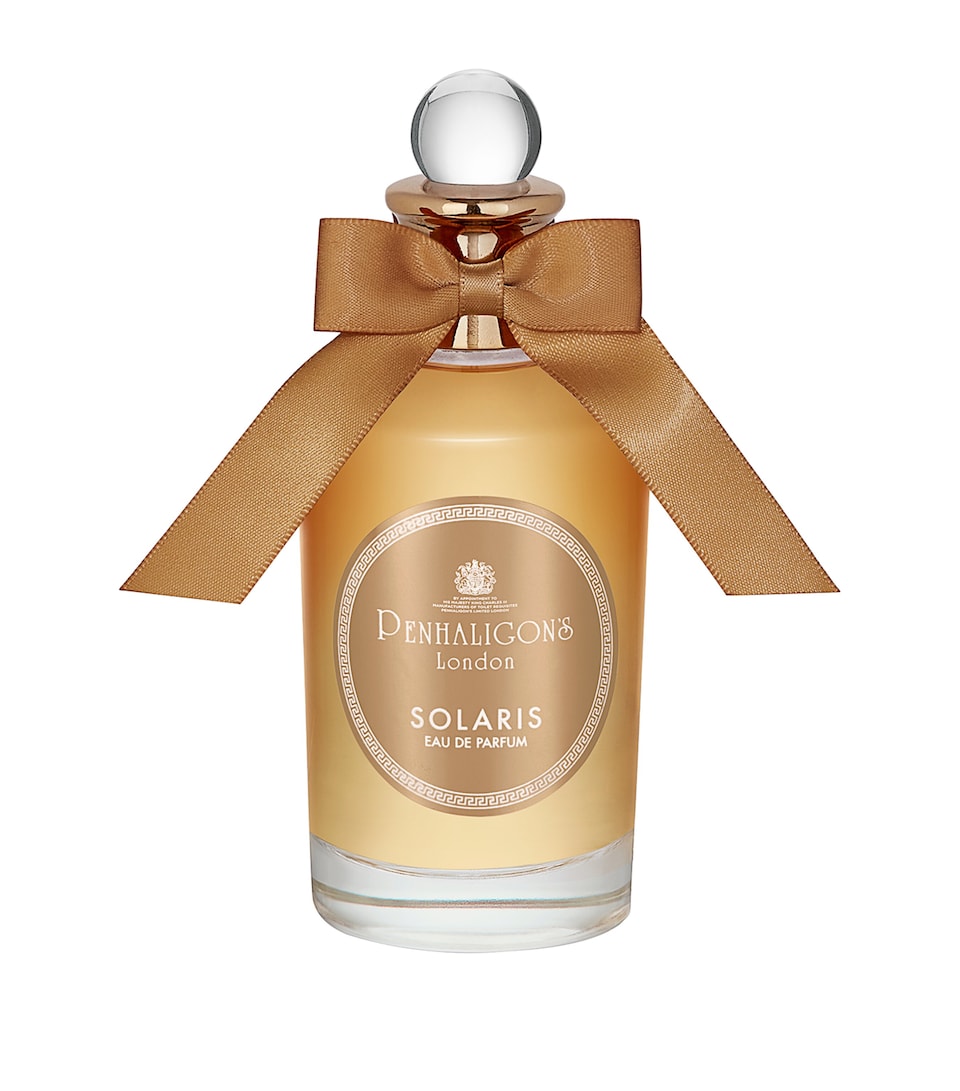
Other concoctions that work just as well for the classic floral and woody blends are the likes of Sirène Privée Parfum from Fragrance du Bois mixed with a creamy vanilla or gourmand perfume to enhance depth – we suggest Parfums de Marly’s Vayala or Matière Première’s Vanilla Powder for that. And, when it comes to fresher scents like BDK Parfums’ Citrus Riviera Eau de Parfum, fruity fragrances such as the brand’s Sel d’Argent or Solaris from Penhaligon’s add a brighter twist.

Pair Contrasting Scent Families

If you’re looking to pack more of a punch, you can also combine contrasting notes, which is where the true experimentation begins.


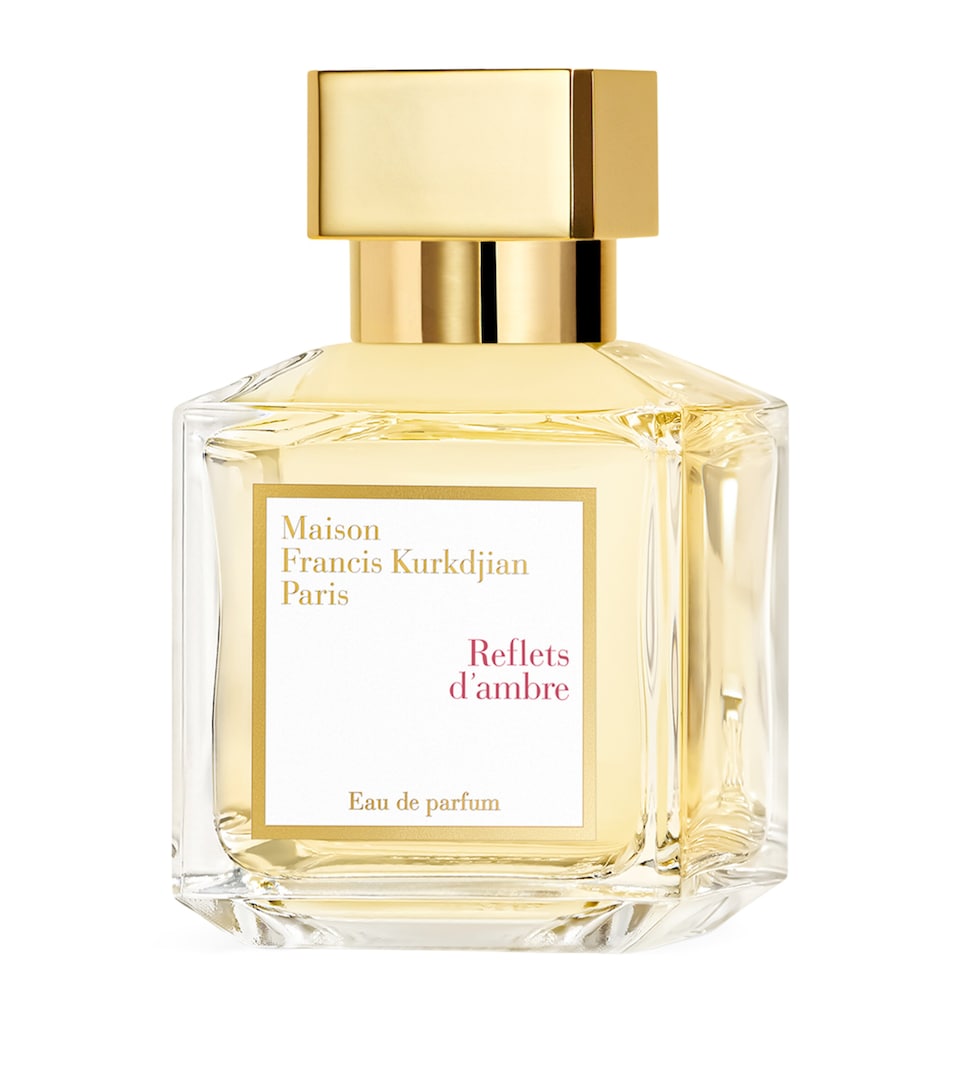
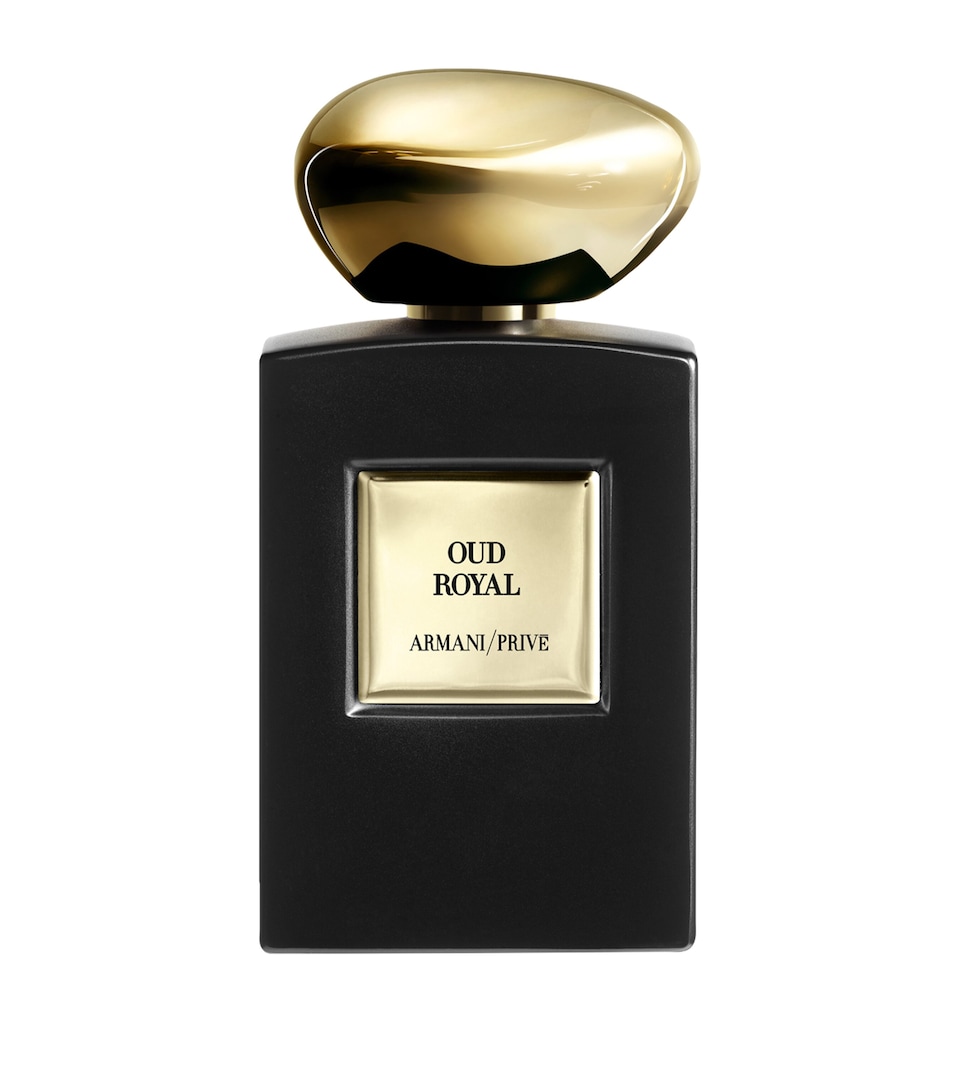
Through the summer months, try layering an aquatic perfume – perhaps Sailing Day from Maison Margiela’s Replica collection – with creamy vanilla or white florals. Beach Walk Eau de Toilette from the same range or Byredo’s Alto Astral Eau de Parfum are great options for that. On the other hand, winter calls for rich amber with oud or leathery notes for warmth and complexity – think Maison Crivelli’s Ambre Chromatique or Maison Francis Kurkdjian’s Reflets d'ambre mixed with Armani Privé’s Oud Royal.


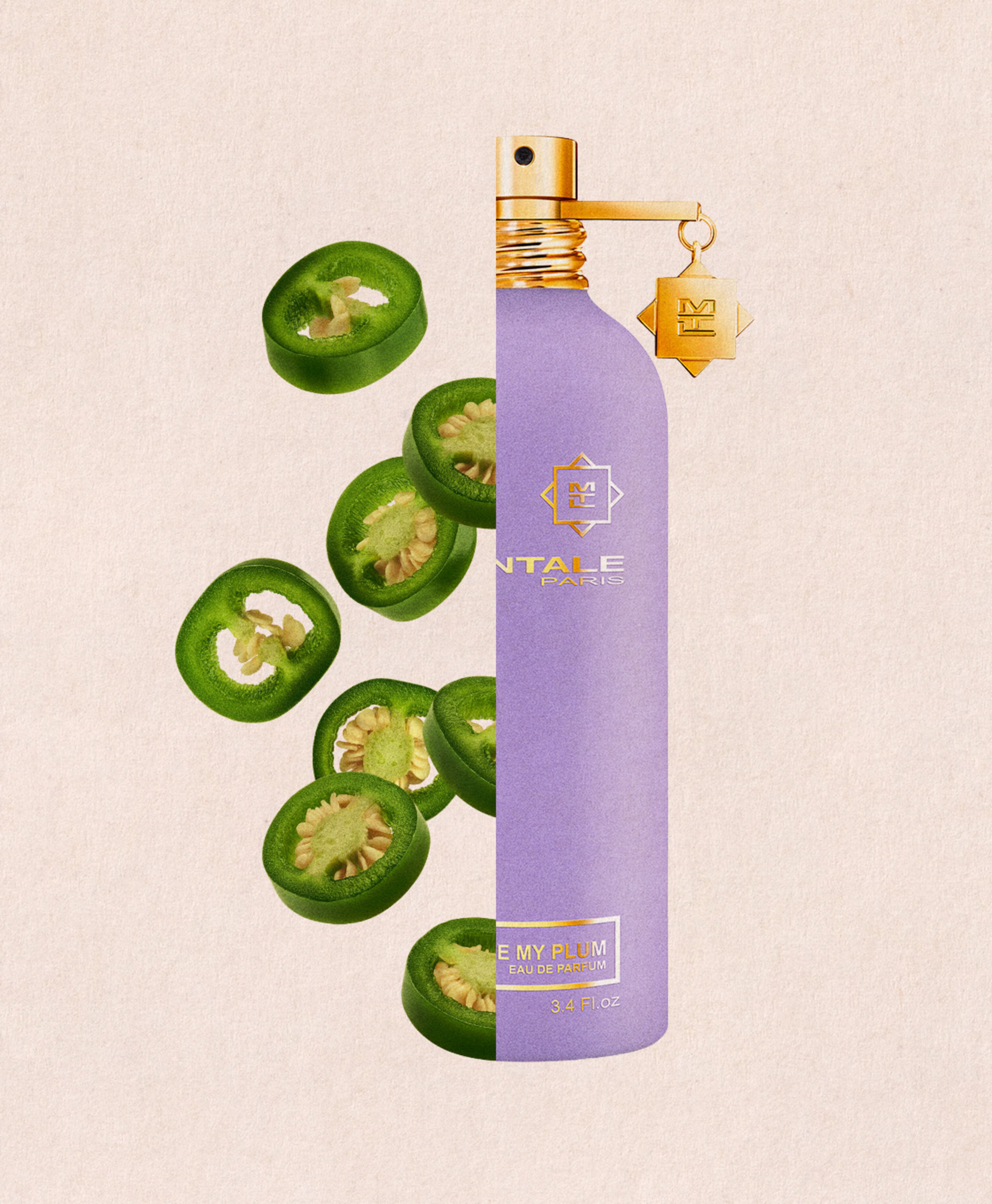
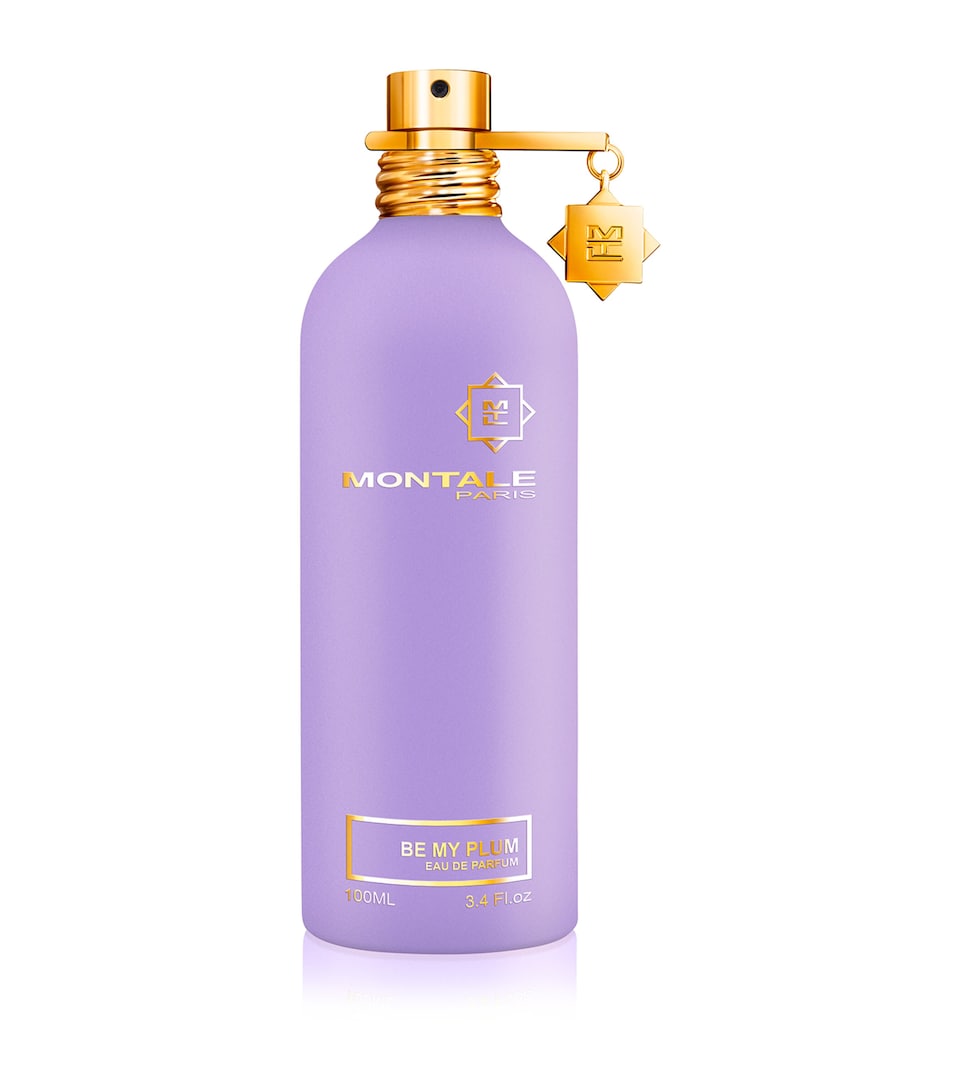
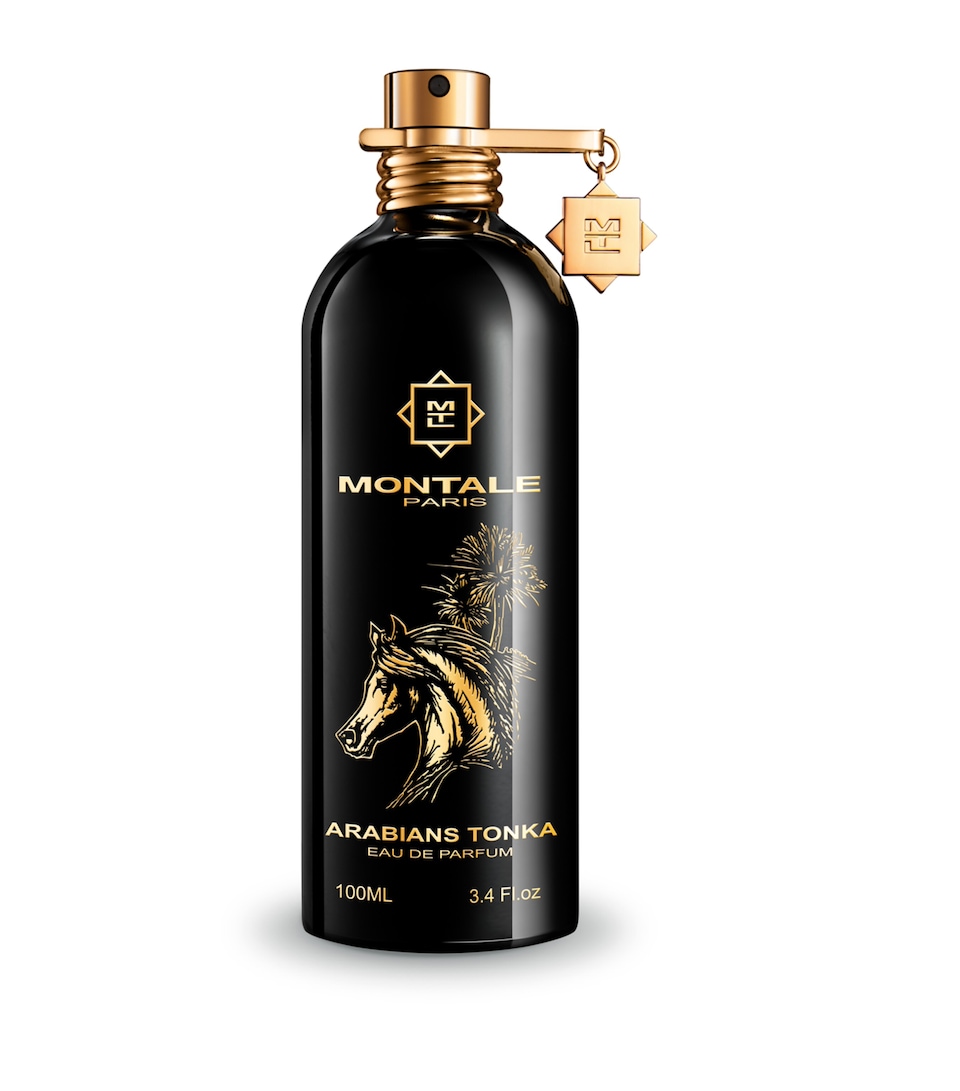
When it comes to daytime, adding a light citrus to a woody perfume results in a fresh, earthy fragrance. As for the evening, musky and spicy notes create a sultrier aroma – Montale’s Be My Plum Eau de Parfum paired with the brand’s best-selling Arabians Tonka Eau de Parfum would be exceptional choices here.

The Art of Layering: Your Step-by-Step Guide

Mastering the art of fragrance application begins by turning it into a self-care ritual, where different textures create a sensorial experience. The term itself says it all: scent layering means stacking is crucial.


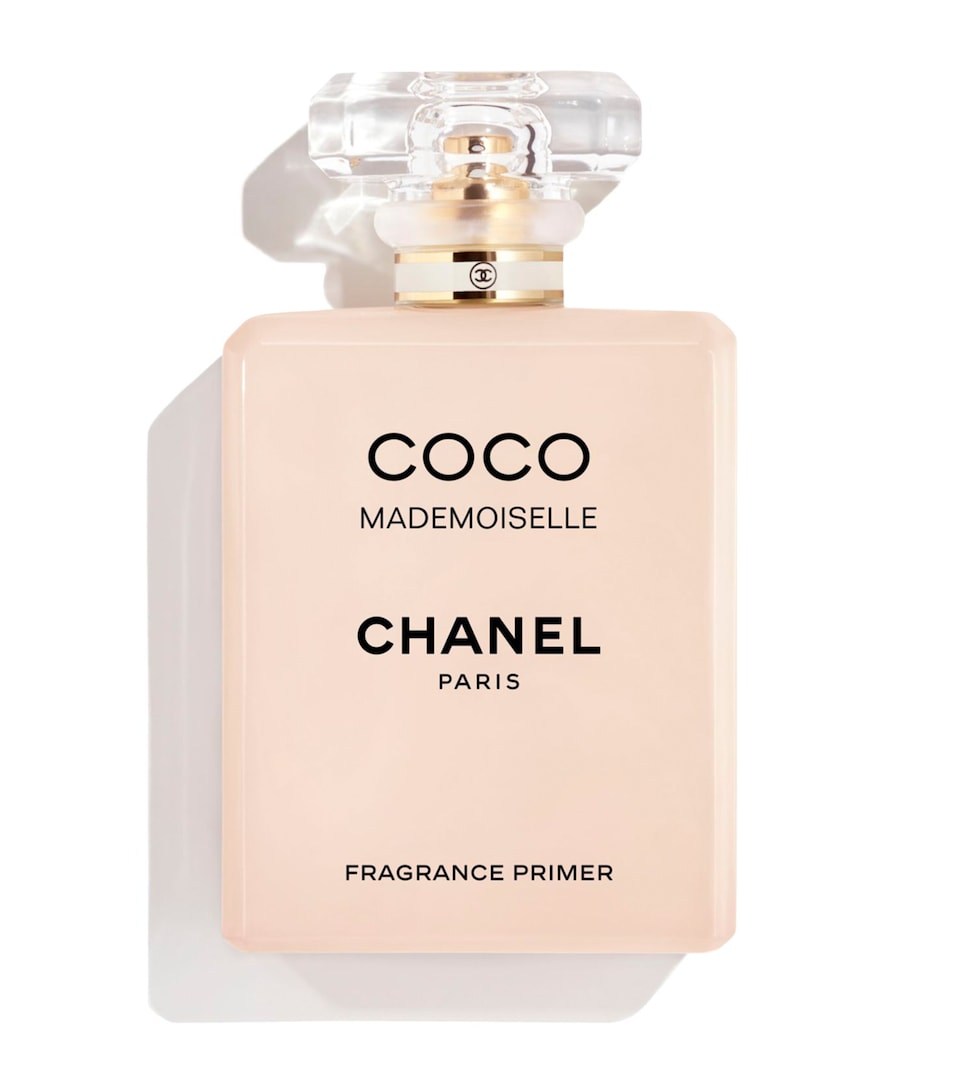
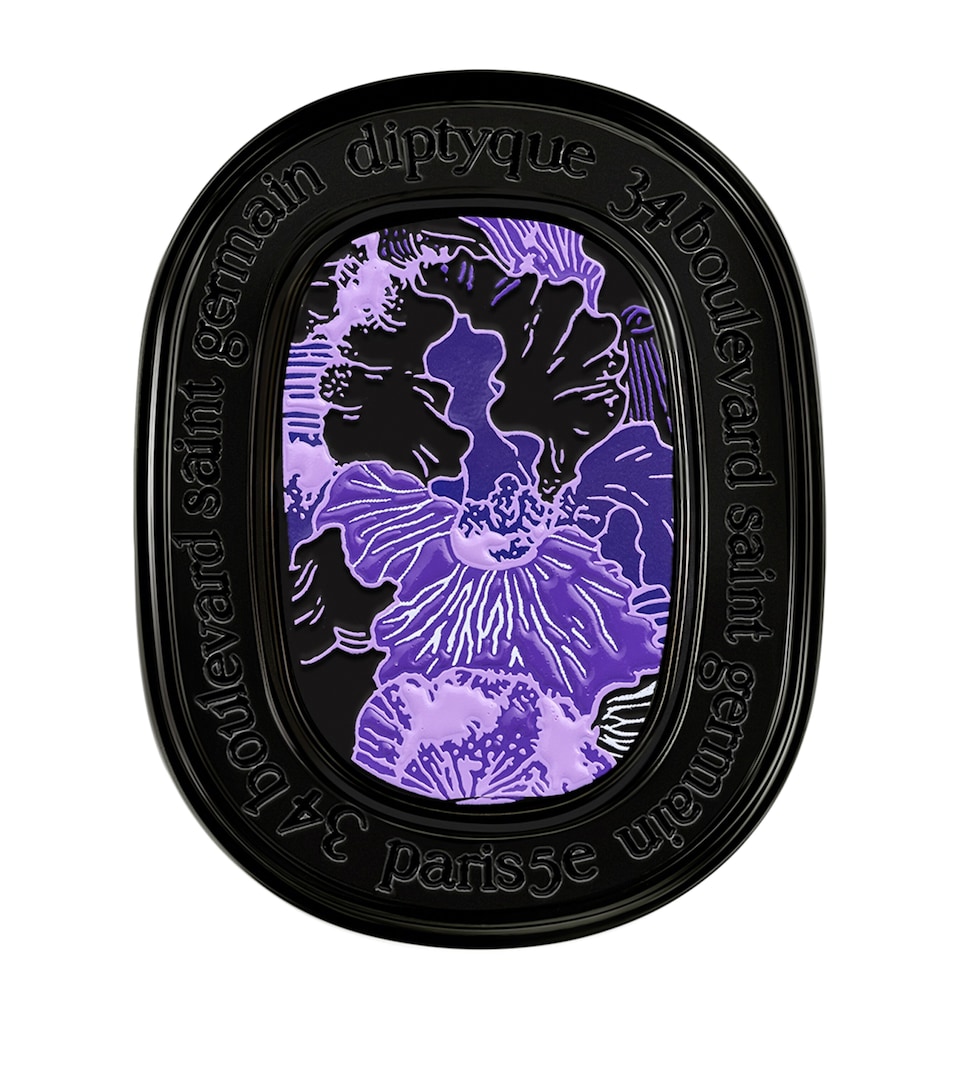
  1. The perfect way to anchor your fragrance to the skin is by applying a lotion or oil first, especially one that adds to the aroma you’re trying to achieve. The Hermessence Musc Padilla Essence de Parfum from Hermès, for example, creates a warm and musky base that complements multiple notes. Alternatively, something like Chanel’s Coco Mademoiselle Fragrance Prime or Diptyque’s Fleur de Peau Solid Perfume also help to accentuate and prolong scents.

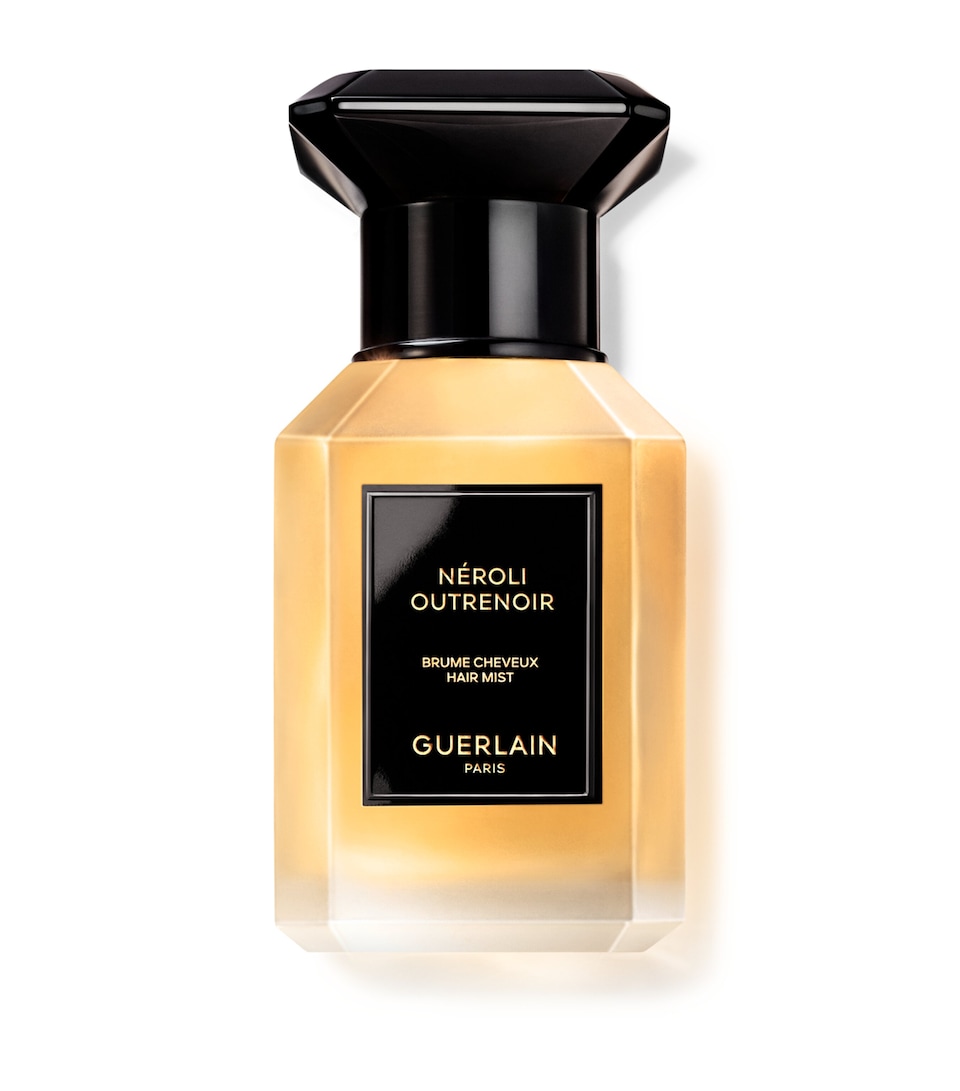
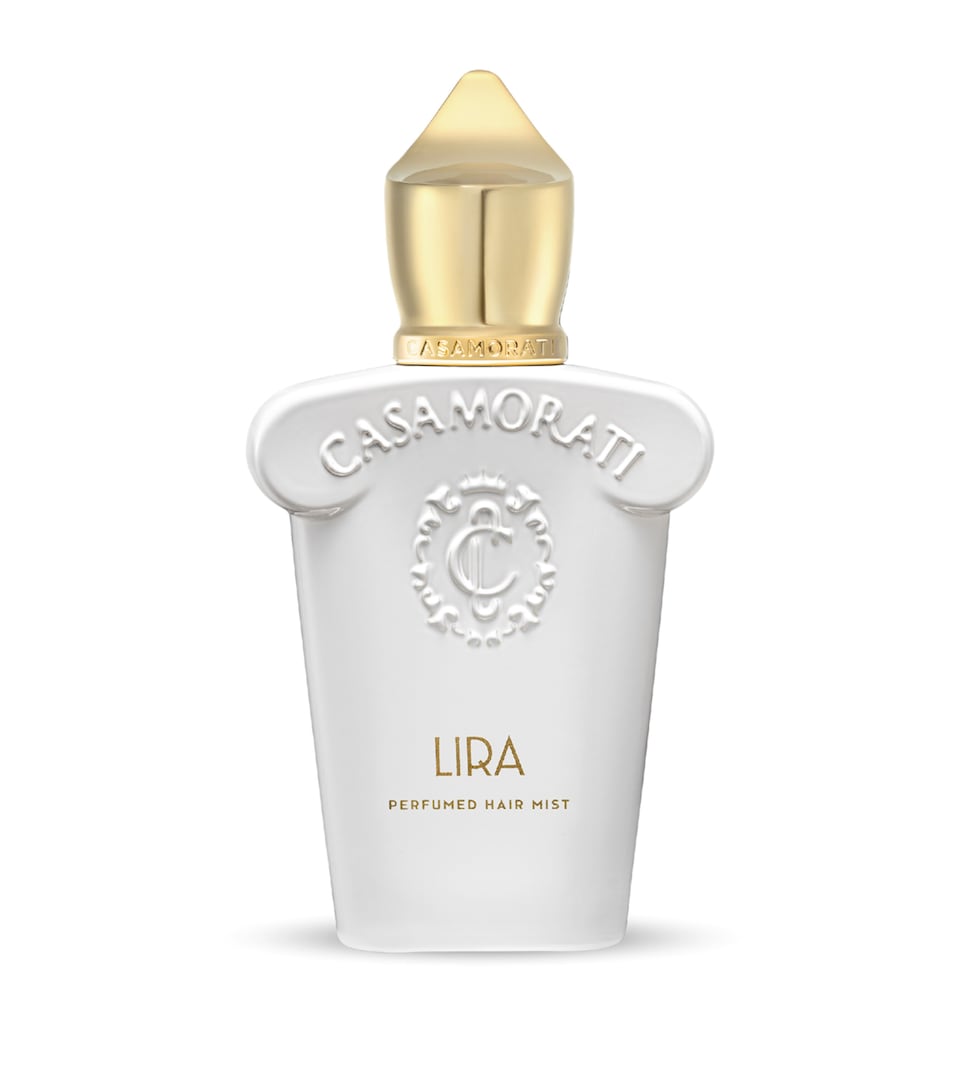
  2. Next, apply the heavier perfume to your pulse points, followed by a lighter option on top – this helps to balance the intensity and prevents a single note from dominating the entire scent. If you’re looking to amplify things even further, you can introduce a hair mist into the mix, which heightens the projection and leaves a trail wherever you go.

All in all, when it comes to scent layering, it’s less about creating a new fragrance and more about tweaking what you already know and love, resulting in self-indulgent, one-of-a-kind perfumes that go beyond their original notes.


Related Stories

The Beauty Forecast for Spring-Summer 2026

Pistachio Perfumes Are 2026’s New Fragrance Obsession

Harrods Stories

Bringing you a weekly dose of everything from pro-approved beauty buys to the season's must-try trends