How to Master Italian Style – According to Italians

Words by Tony Wilkes


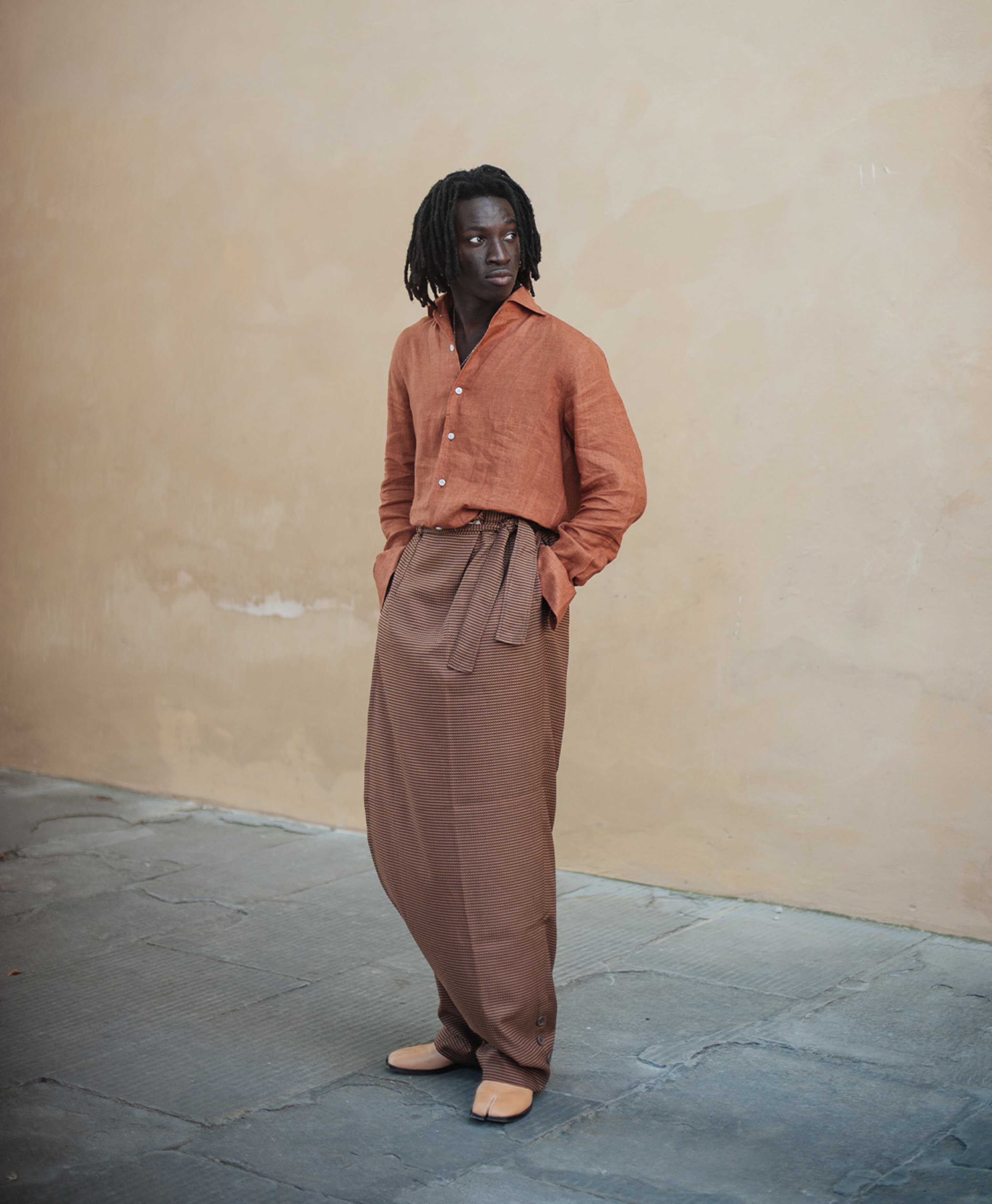
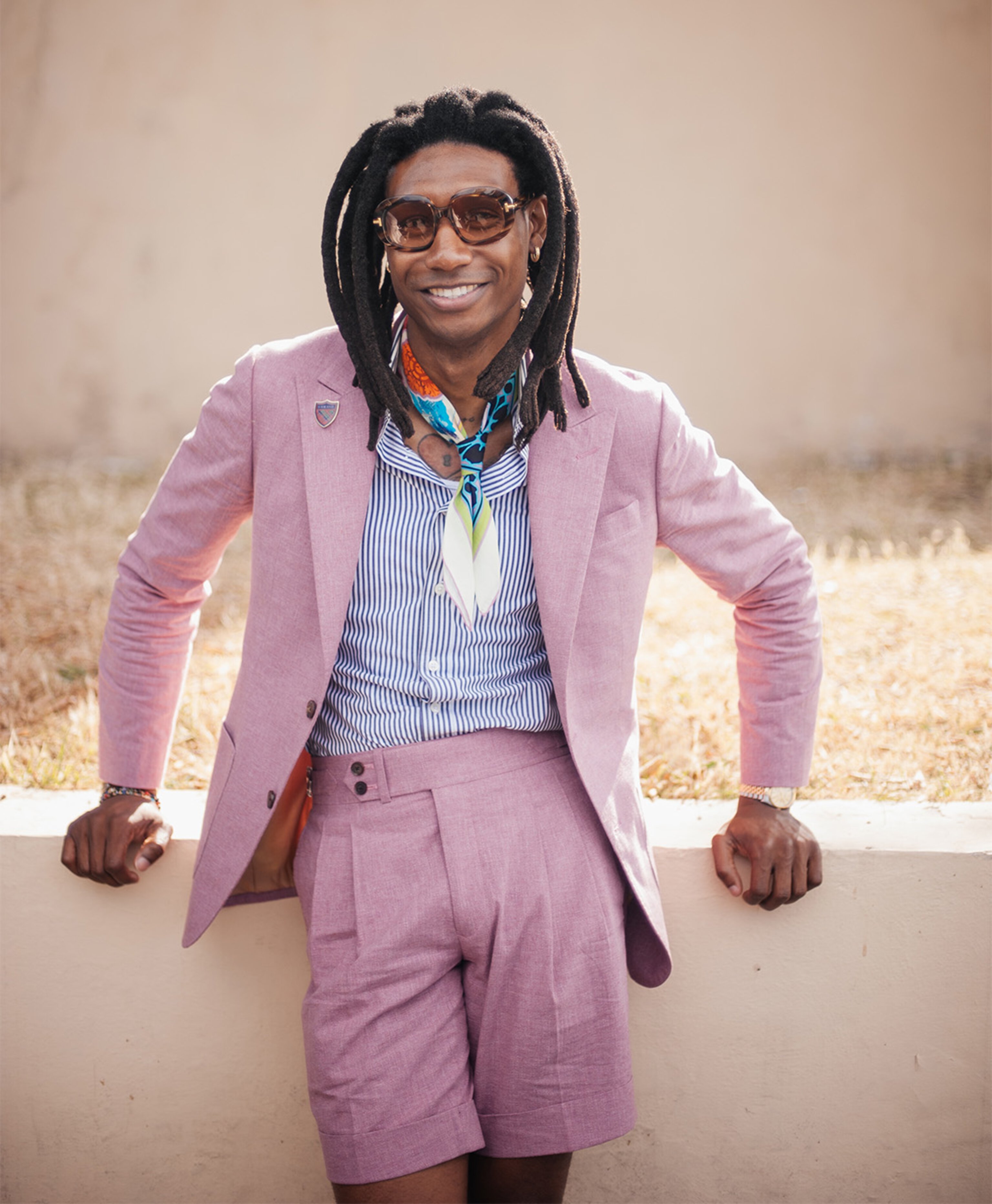
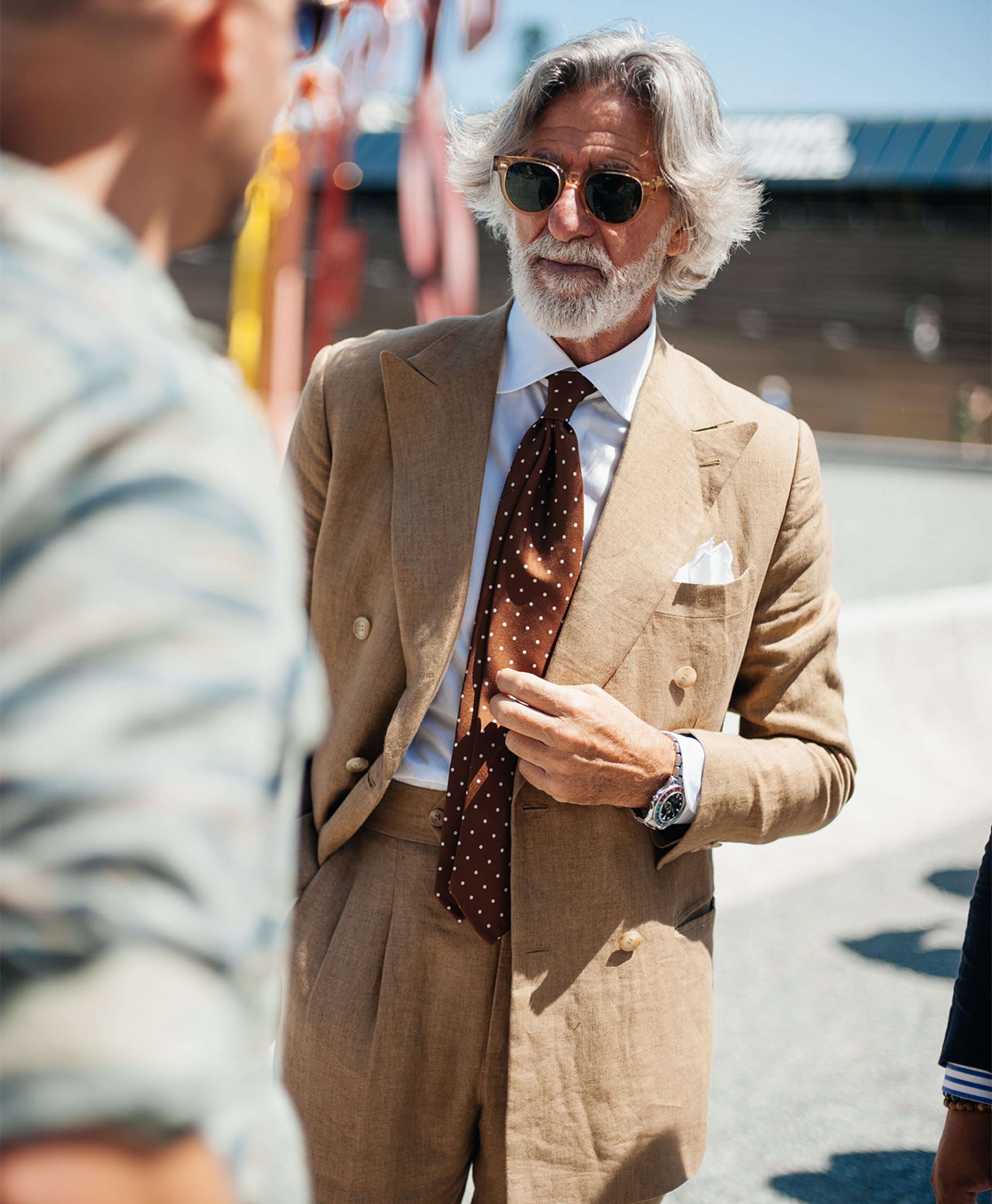
The desire to achieve an Italian aesthetic has been the pursuit of style-minded men since time immemorial. In 1528, Baldassare Castiglione – a diplomat and Papal Nuncio to Rome – published The Book of the Courtier, a guide to achieving Italian sensibility, and arguably the biggest bestseller of the 16th century. His advice? “To practice in everything a certain sprezzatura,” he writes, a quality that “show[s] what is said and done is done without effort and almost without thought.” Ease, nonchalance, “art which does not appear to be art,” – that is, at its core, Italian style.


Return to 2026, and the lesson is largely unchanged. "For me, Italian style is first of all an attitude," says Luigi Lardini, the creative director of Lardini. "True elegance comes naturally, without effort." Run by the same family since its founding in 1976, the brand delivered an exceptional collection this season in Milan. "True elegance is not about being noticed," Lardini continues. "It's about feeling completely at ease with yourself." Here, we’ve outlined the five principles of sprezzatura to infuse your wardrobe with Italian style wherever you are – as told by three of the best Italian tailors.
1. Start with the Fit

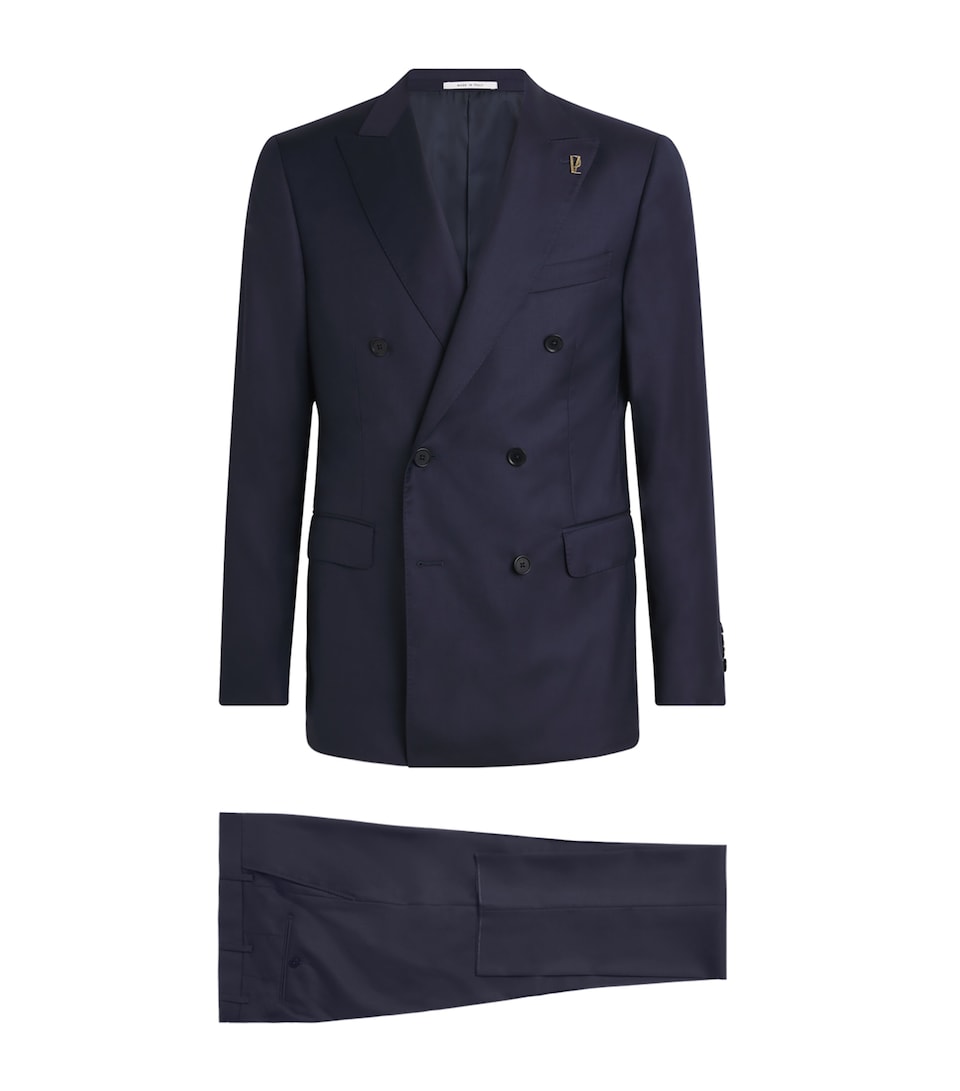
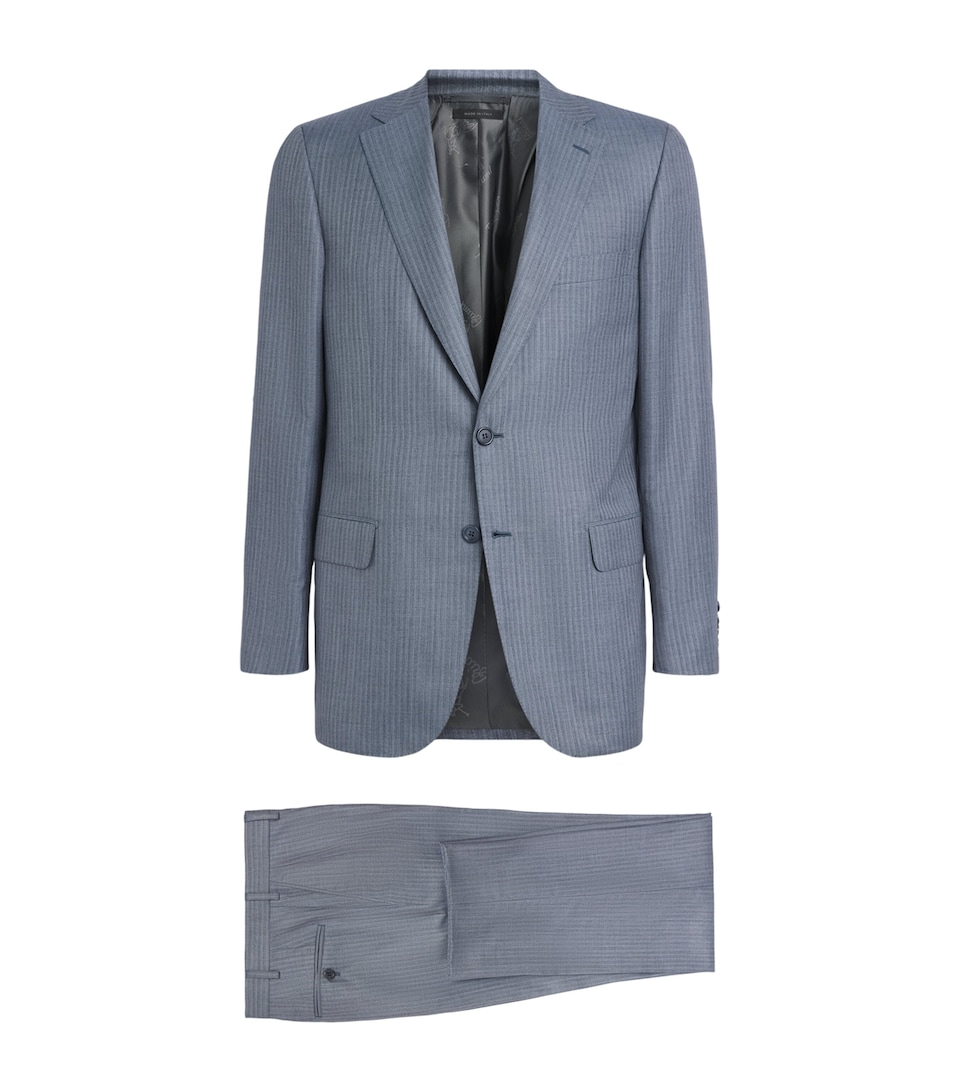
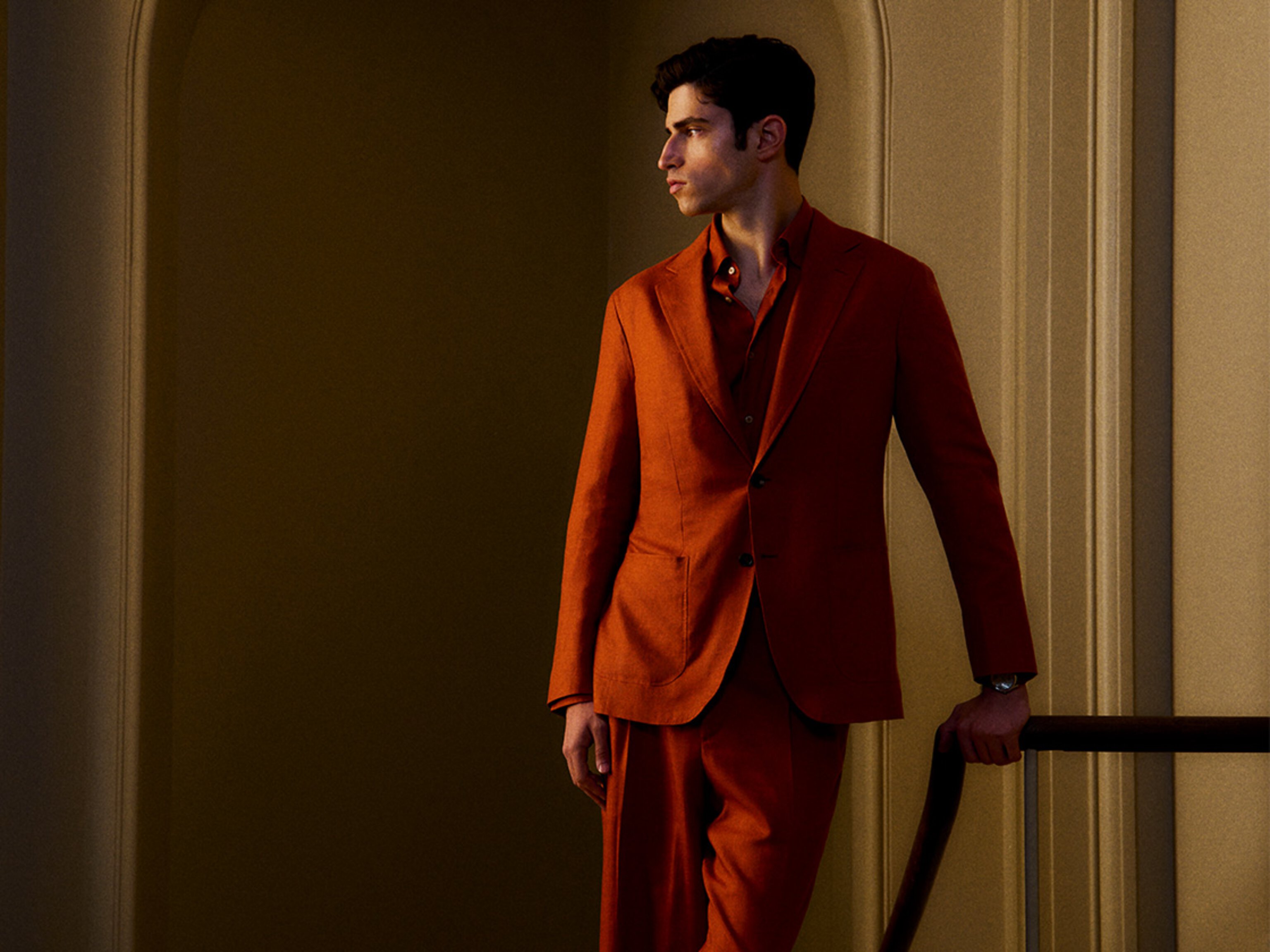
“Fit is the starting point,” says Gianluca Isaia, CEO of the Neapolitan tailors Isaia. “A great suit follows the body naturally, it moves with you. It never forces you. The suit adapts to the man, not the other way round.” Which is why, as any Italian will tell you, you can’t beat a visit to a world-class tailor. Our made-to-measure service in Menswear on the Second Floor is your answer to a smart and casual wardrobe cut immaculately to your frame – with experts from Isaia, Giorgio Armani, Brioni and more on hand. Speak to an associate in-store to book your appointment.

2. There’s Power in Restraint

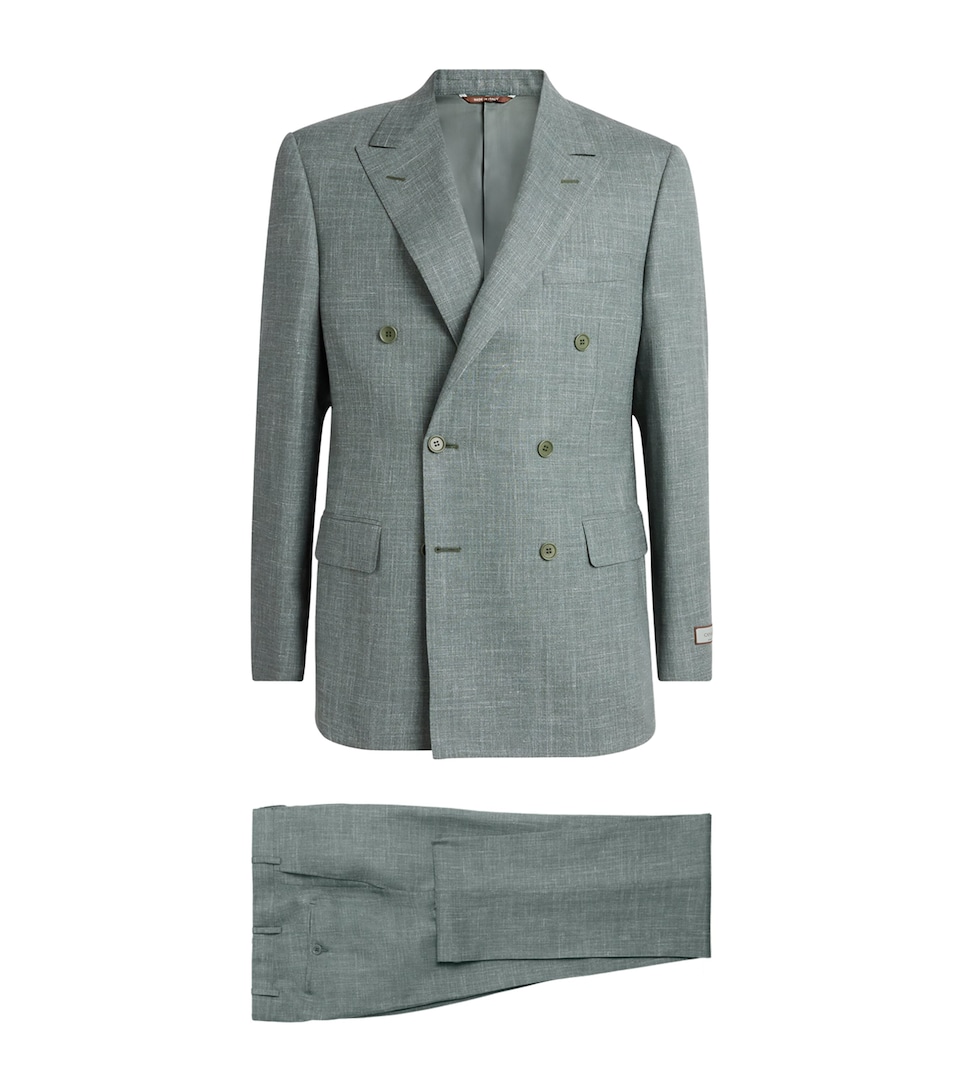
“True Italian style never seeks attention,” says Stefano Gaudioso Tramonte, style director of Corneliani. “Instead, it leaves a lasting impression through authenticity, discretion and quality.” Founded in the 1930s, the house reflects the rich artistic heritage of its home city Mantua, a UNESCO World Heritage Site. Though such pieces may appear simple, they’re constructed with meticulous artistry. “Every fabric is chosen not only for its intrinsic beauty, but for the way it evolves with movement, touch and time,” adds Tramonte. “It is our vision of contemporary luxury: discreet, deeply human, and defined by gestures that reveal themselves over time rather than at first glance.”

3. Prioritise Comfort

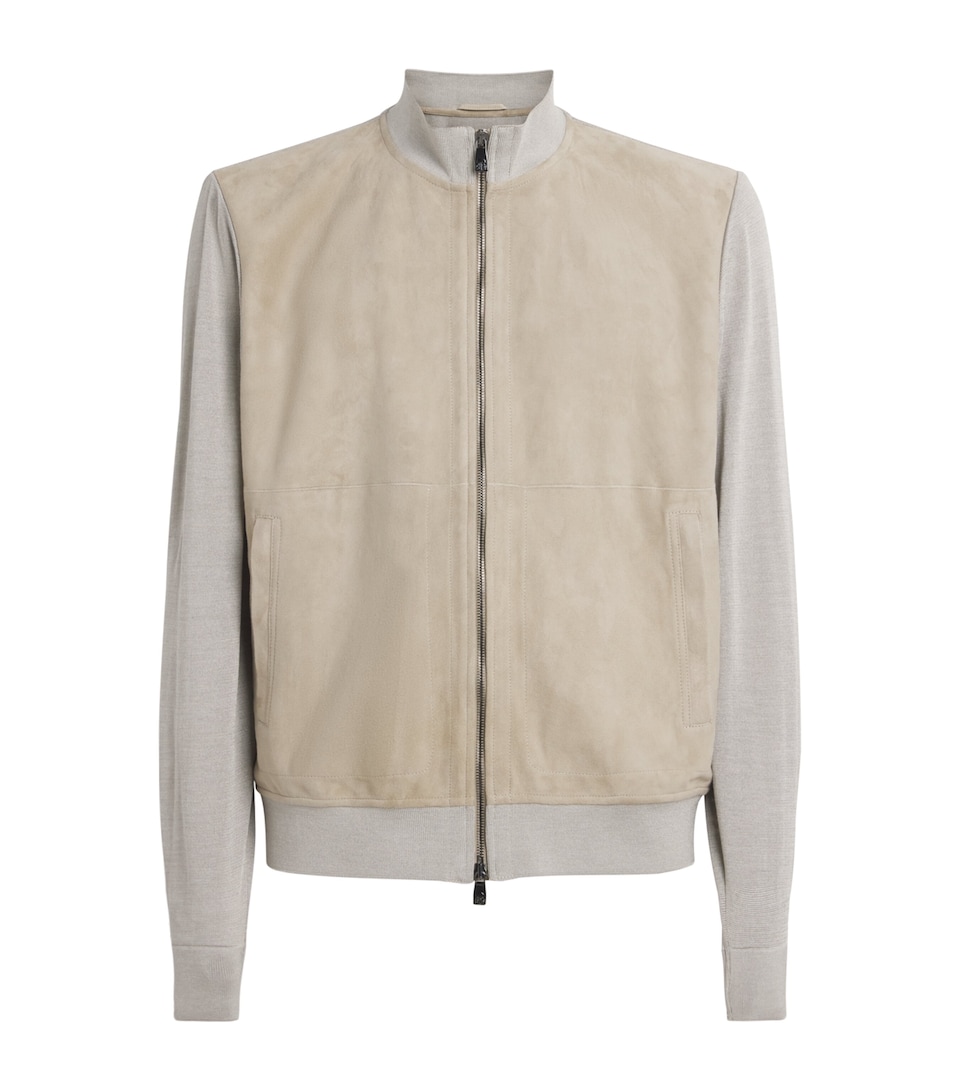
“For me, Italian style is about feeling comfortable with who you are,” says Luigi Lardini, Lardini’s creative director. "True elegance comes naturally, without effort.” The key is to build a wardrobe of hero pieces that can adapt to different occasions while still expressing who you truly are. But what are these pieces exactly? “A well-made coat, an unstructured tailored jacket, a knitted jacket that can move effortlessly between formal and casual occasions, [and] a fine cardigan," says Lardini.

4. Get a Feel for Fabric

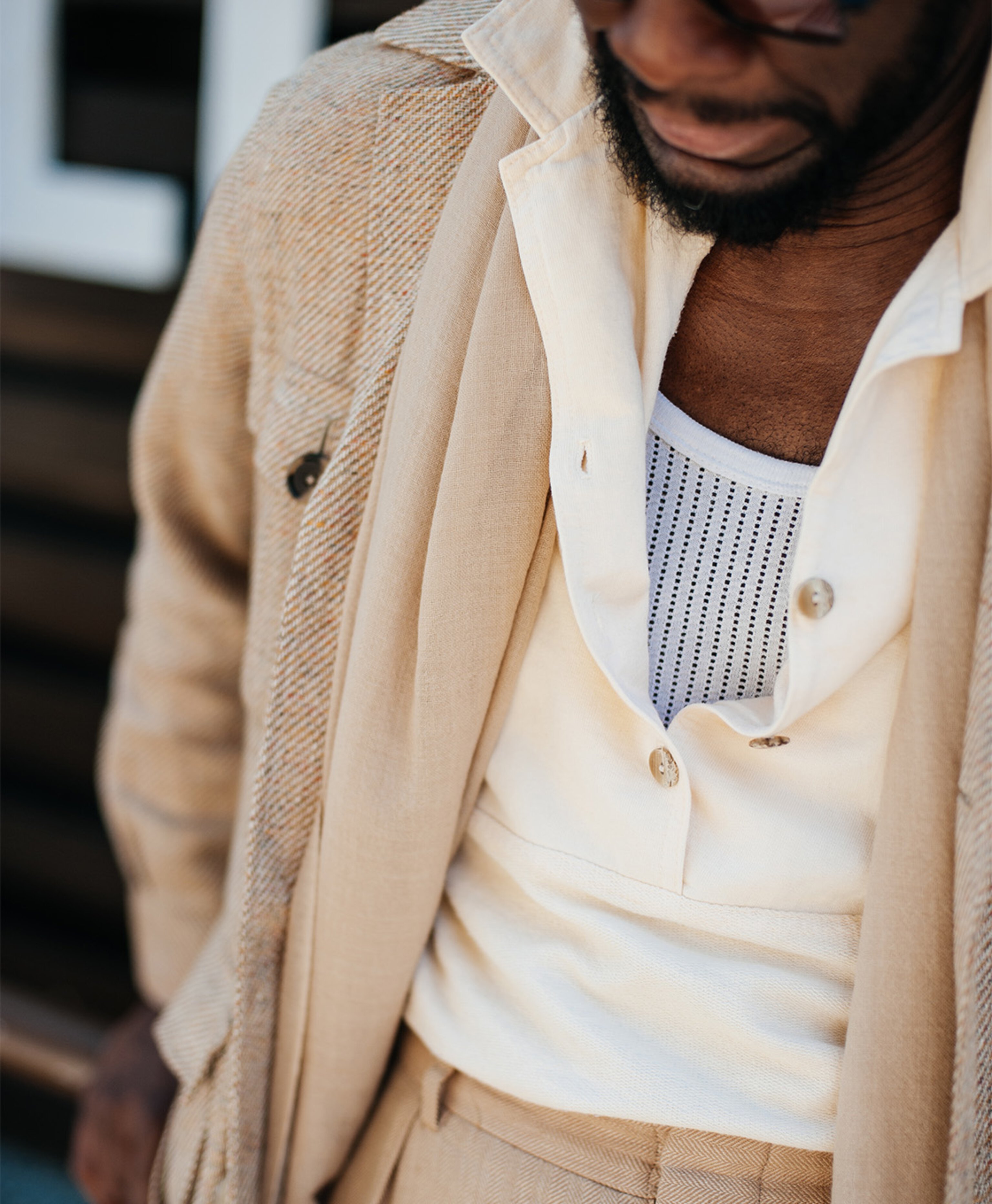
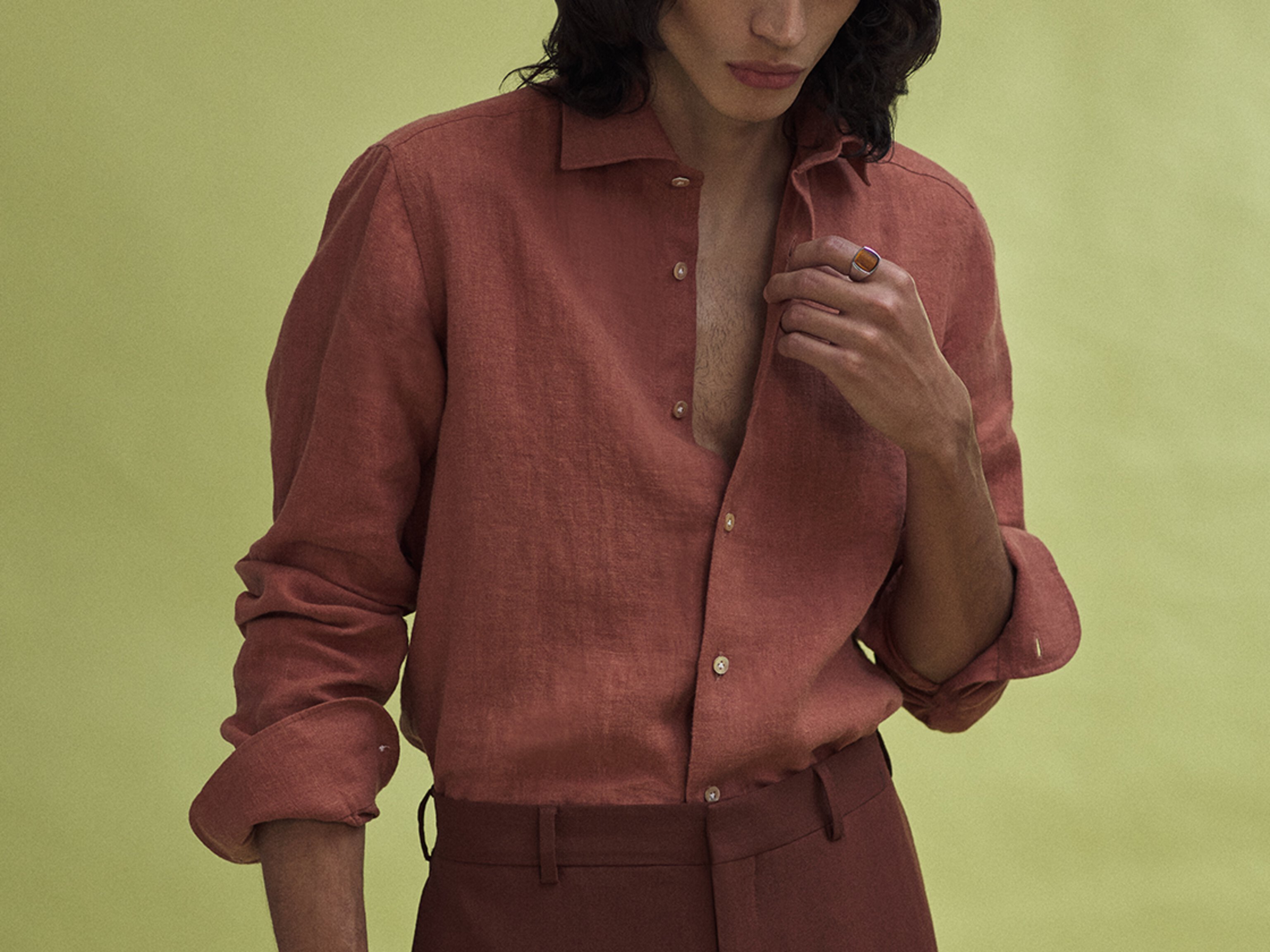
“Exceptional craftsmanship deserves equally remarkable materials,” says Luigi Lardini. “One cannot exist without the other.” Attention to fabric is also crucial for Corneliani. For Autumn/Winter 2026, that includes “the warmth of pure cashmere, the depth of wool-alpaca yarns, and the tactile richness of nubuck and Nappa leather,” says Tramonte. "[This] create[s] a wardrobe designed to be lived in rather than simply admired. Guided by Italian artisanal expertise, these noble materials find a quiet balance between precision and softness, structure and ease.”

5. Make the Small Things Count

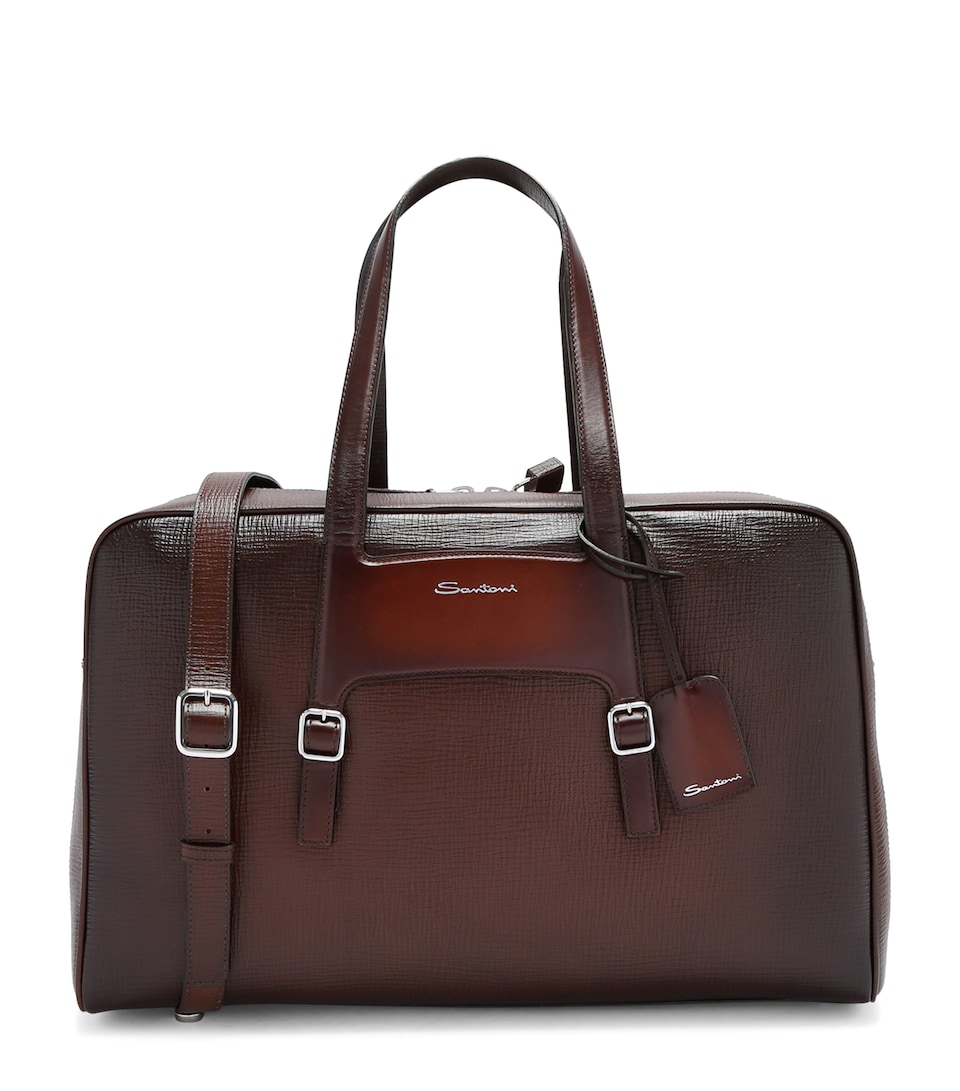
“Beyond fit, it’s the quiet sartorial details that make the difference,” says Isaia. “Hand-stitched buttonholes, perfectly matched patterns, a collar that hugs the neck without tension, trousers that fall effortlessly. In Neapolitan tailoring, details like a soft, natural shoulder, light construction, minimal or zero padding and hand-worked seams are essential. They give the suit life, comfort and a sense of ease.” That attention to detail also applies to the smaller items in your wardrobe: “Carefully designed leather accessories are pieces that make a wardrobe truly personal,” says Lardini. “Very often it is the smallest details that make the greatest difference.”

Related Stories

What Makes a World-Class Suit?

Not all suits are created equal. Learn how to spot the best men's tailoring – with help from Gianluca Isaia.

The Best Men’s Shirtmakers at Harrods

“It’s so difficult to find a really good shirt,” says 100Hands co-founder Varvara Maslova. Discover our world-class edit from Eton, Polo Ralph Lauren and more.

Harrods Stories

Bringing you a weekly dose of everything from expert styling tips to dinner-party solutions